Selecting the right dart weight for kids is crucial for their enjoyment and success in learning the game; generally, lighter darts are recommended for younger players to help them develop proper technique and control. This article will explore everything you need to know about choosing the right dart weight, materials, and dart types, ensuring a safe and fun experience for young dart enthusiasts.
⚠️ Still Using Pen & Paper (or a Chalkboard)?! ⚠️
Step into the future! The Dart Counter App handles all the scoring, suggests checkouts, and tracks your stats automatically. It's easier than you think!
Try the Smart Dart Counter App FREE!Ready for an upgrade? Click above!
Why Dart Weight Matters For Kids
The weight of a dart significantly impacts a child’s ability to throw accurately and consistently. Unlike adults who can handle heavier darts, children often lack the strength and coordination to control them effectively. Using overly heavy darts can lead to frustration, poor technique, and even potential injuries. On the other hand, darts that are too light might feel unstable and difficult to aim accurately.
Several factors influence how a specific dart weight affects a child, including their age, hand size, and throwing style. Understanding these factors is key to selecting the best dart weight for kids.

Recommended Dart Weight For Kids: A General Guide
While individual needs vary, a general guideline can help you narrow down the appropriate dart weight for kids:
- Ages 6-9: Darts weighing between 14-16 grams are usually a good starting point.
- Ages 10-12: Consider darts in the 16-18 gram range.
- Ages 13+: As children develop more strength and coordination, they can gradually transition to heavier darts, potentially up to 20 grams or even heavier, depending on their individual preferences and capabilities.
These are just starting points. Don’t hesitate to experiment and let your child try different weights to find what feels most comfortable and allows them to throw with the best control and accuracy.
Factors Influencing the Best Dart Weight For Kids
Several factors beyond age contribute to finding the right dart weight for kids. Consider these elements:
- Hand Size: Smaller hands naturally require lighter darts for comfortable grip and control.
- Throwing Style: A more forceful, athletic throwing style might allow a child to handle slightly heavier darts. A gentler, more controlled style often benefits from lighter darts.
- Strength: Muscle strength directly impacts a child’s ability to control dart trajectory and accuracy. Lighter darts are preferable for children with less upper body strength.
Remember to observe your child’s throwing motion. Are they struggling to lift the dart? Is their arm tiring quickly? These are signs that the dart weight might be too heavy. Conversely, if the dart feels unstable or uncontrollable, it might be too light.
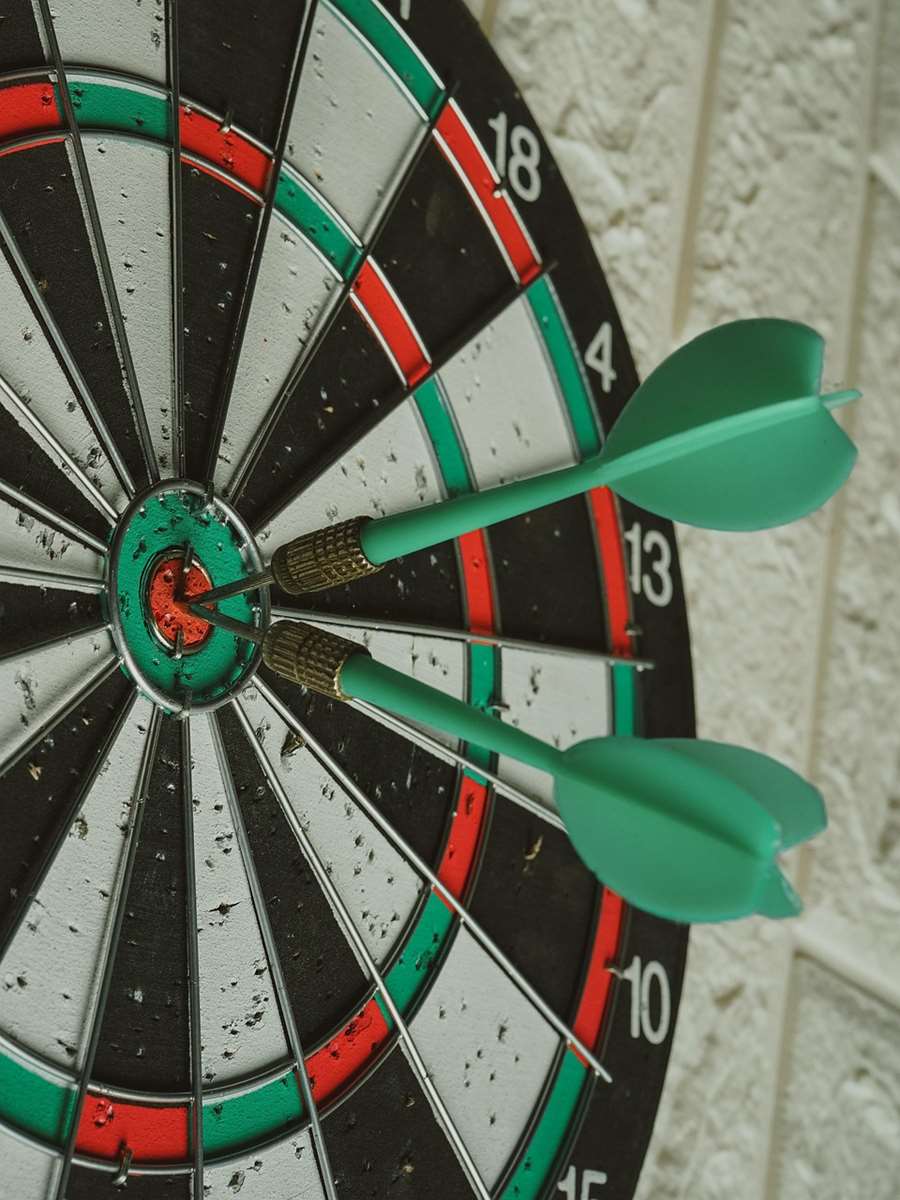
Dart Materials: Steel Tip vs. Soft Tip
The material of the dart tip also influences the overall dart weight and is an important consideration when purchasing darts for kids. The two main types are steel tip darts and soft tip darts. Each has its own advantages and disadvantages, especially when it comes to safety.
Steel Tip Darts
Steel tip darts are typically used with traditional bristle dartboards. While they offer excellent durability and a classic feel, they can be dangerous for younger children, particularly without close supervision. The sharp tips pose a significant risk of injury. Steel tip darts are typically not the ideal choice when starting out as a youth.
Soft Tip Darts
Soft tip darts are designed for use with electronic dartboards. They are generally considered safer for kids because the tips are made of plastic. If a soft tip dart bounces out and hits someone, the risk of serious injury is much lower. The weight of soft tip darts tends to be slightly lighter than steel tip darts, further contributing to their suitability for younger players.
Many families opt for soft tip darts because of the added safety they provide, especially if multiple children are playing.
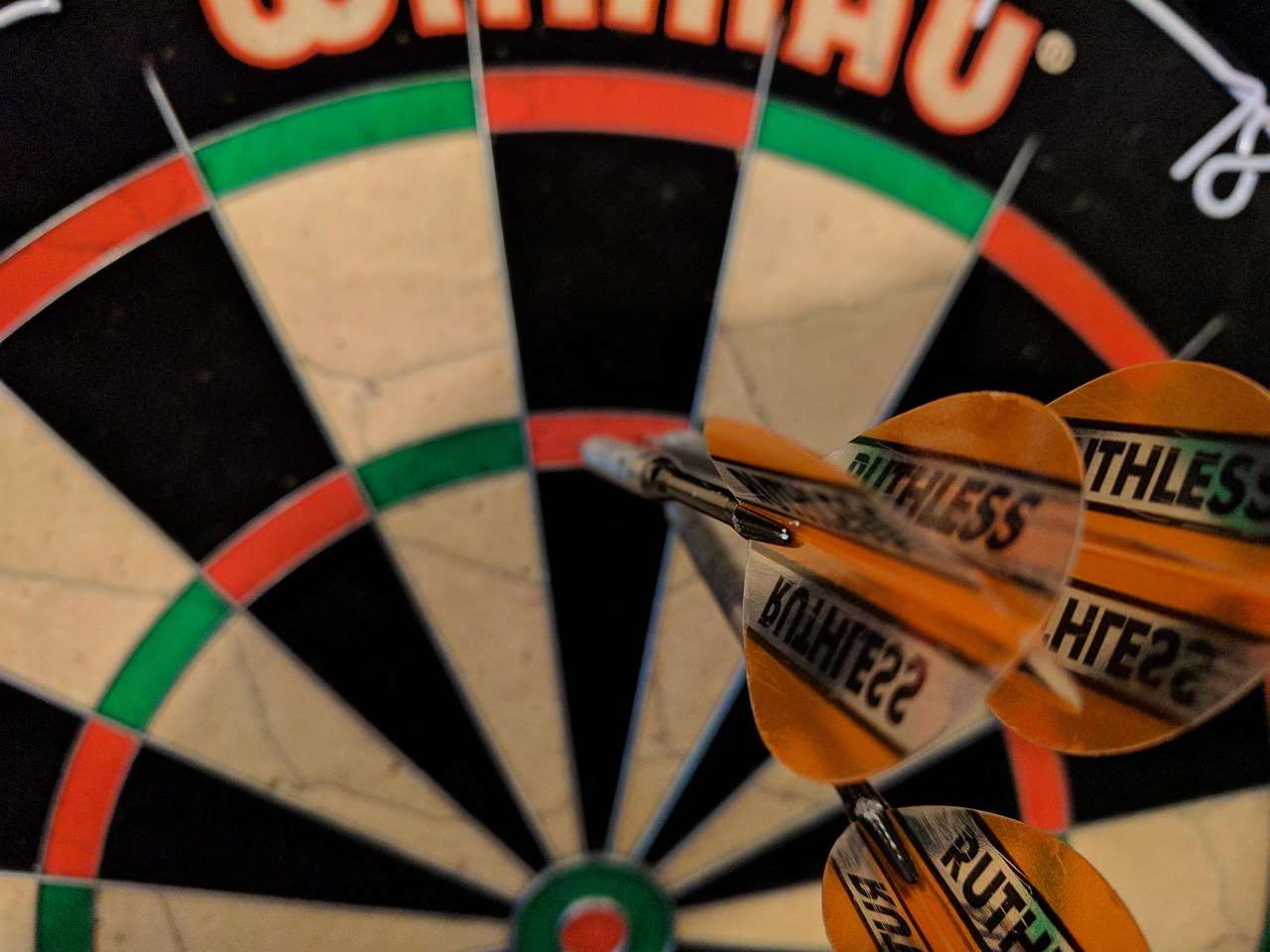
Choosing the Right Dart Barrel Material
The dart barrel is the main body of the dart and significantly impacts its weight and grip. Common materials include brass, nickel-silver, and tungsten.
- Brass: Brass darts are the most affordable option and are a good starting point for beginners. However, they are bulkier than other materials for the same weight, making them less aerodynamic.
- Nickel-Silver: Nickel-silver darts offer a slightly better grip and durability than brass darts. They also tend to be a bit slimmer.
- Tungsten: Tungsten darts are the most expensive but offer the best performance. Tungsten is a very dense metal, so tungsten darts can be very slim and compact for a given weight. This allows for tighter groupings on the dartboard. While expensive, they may be worth considering as a youth player improves. You can Choose Best Dart Equipment to find the best material.
For young players, brass darts are a common and economical choice to begin with. As their skill improves, you can consider upgrading to nickel-silver or tungsten.
Dart Length and Shape: How They Affect Performance
Beyond dart weight, the length and shape of the dart also play a role in how it flies and feels in the hand. Shorter darts tend to be easier to control, while longer darts may offer more stability. Dart shapes vary widely, from straight barrels to torpedo-shaped barrels, each affecting the dart’s center of gravity and flight characteristics.
For kids, a shorter dart with a straight barrel is generally recommended. This simple design is easier to grip and control, promoting better accuracy and consistency.
Importance of a Good Dart Grip
A comfortable and consistent dart grip is essential for accurate throwing. Encourage your child to experiment with different grip positions to find what feels most natural and secure. The grip should be firm enough to maintain control but not so tight that it causes tension.
Consider using grip wax or specialized dart grips to enhance the tackiness of the barrel. This can be particularly helpful for children who have sweaty hands.

Practicing Proper Throwing Technique
Choosing the right dart weight for kids is only one part of the equation. Practicing proper throwing technique is equally important. Here are a few tips to help your child develop a solid throwing motion:
- Stance: Stand with one foot forward, perpendicular to the dartboard.
- Grip: Hold the dart comfortably, with a firm but relaxed grip.
- Arm Motion: Keep the elbow high and use a smooth, fluid motion to throw the dart.
- Follow-Through: Follow through with the arm after releasing the dart, pointing towards the target.
- Consistency: Strive for consistency in every throw.
Regular practice is key to improving accuracy and consistency. Make sure to provide positive reinforcement and encourage your child to focus on their technique rather than just the score.
Safety First: Essential Darting Safety Rules For Kids
Safety should always be the top priority when kids are playing darts. Establish clear safety rules and ensure that children understand and follow them. Here are some essential guidelines:
- Supervision: Always supervise young children when they are playing darts.
- Clear the Area: Make sure that no one is standing in front of the dartboard when someone is throwing.
- No Throwing at People: Emphasize that darts should never be thrown at people or animals.
- Dartboard Placement: Mount the dartboard securely on a wall or stand, ensuring that it is stable and will not fall.
- Dart Storage: Store darts safely away when not in use, out of reach of young children.
Consider installing Best Dartboard Lighting Systems and following safety regulations
Beyond Weight: Considering Dart Flights and Shafts
While **dart weight** is paramount, don’t overlook the importance of flights and shafts. These components affect the dart’s aerodynamics and stability in flight. Flights come in various shapes and sizes, each impacting lift and drag. Shafts connect the flight to the barrel and come in different lengths and materials.
For beginners, standard-sized flights and medium-length shafts are a good starting point. Experiment with different combinations to see what works best for your child’s throwing style.
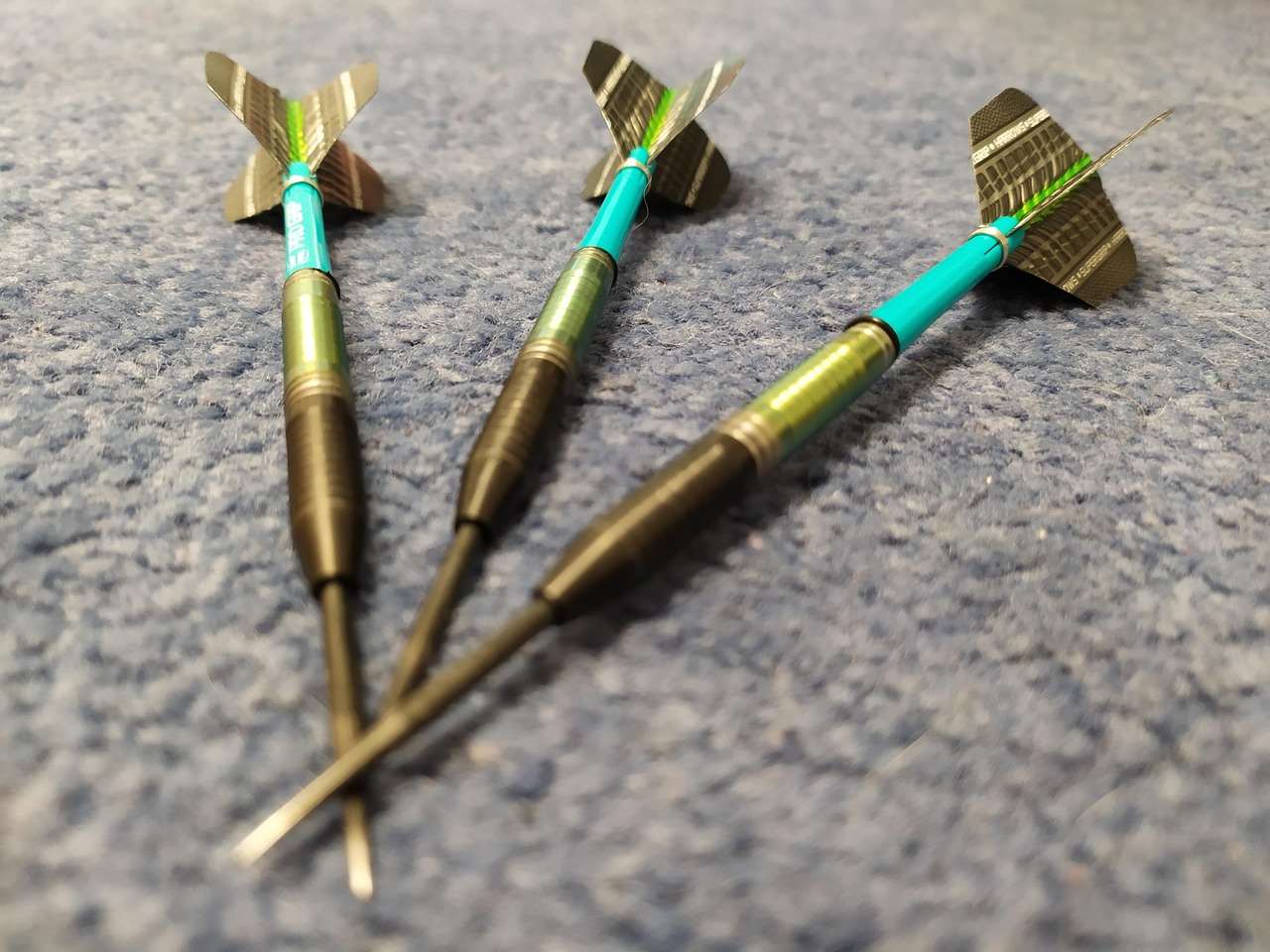
Conclusion: Choosing the Right Darts For A Fun and Safe Experience
Selecting the right dart weight for kids involves considering their age, strength, hand size, and throwing style. Starting with lighter darts and gradually increasing the weight as they develop is a good approach. Remember to prioritize safety by choosing soft tip darts and establishing clear safety rules. Encourage experimentation with different dart components to find the optimal setup for each child. By considering these factors, you can help your child enjoy the game of darts in a safe and fun environment, promoting skill development and a lifelong love for the sport.
Ready to get your child started with darts? Visit your local sporting goods store or browse online retailers to explore the different options and find the perfect dart weight for kids. Have fun and always prioritize safety!

Hi, I’m Dieter, and I created Dartcounter (Dartcounterapp.com). My motivation wasn’t being a darts expert – quite the opposite! When I first started playing, I loved the game but found keeping accurate scores and tracking stats difficult and distracting.
I figured I couldn’t be the only one struggling with this. So, I decided to build a solution: an easy-to-use application that everyone, no matter their experience level, could use to manage scoring effortlessly.
My goal for Dartcounter was simple: let the app handle the numbers – the scoring, the averages, the stats, even checkout suggestions – so players could focus purely on their throw and enjoying the game. It began as a way to solve my own beginner’s problem, and I’m thrilled it has grown into a helpful tool for the wider darts community.