Selecting the right dart weight for beginners is crucial for developing proper throwing technique and enjoying the game; generally, a dart between 22 and 24 grams is a great starting point. This article will guide you through understanding the impact of dart weight, exploring different materials, and finding the best setup to improve your dart game.
⚠️ Still Using Pen & Paper (or a Chalkboard)?! ⚠️
Step into the future! The Dart Counter App handles all the scoring, suggests checkouts, and tracks your stats automatically. It's easier than you think!
Try the Smart Dart Counter App FREE!Ready for an upgrade? Click above!
Understanding Dart Weight For Beginners
Choosing the right dart weight for beginners involves understanding how weight affects your throw. Heavier darts tend to fly straighter with less effort, while lighter darts require more control and a smoother release. Most beginners find that a mid-range weight offers a good balance between stability and control.
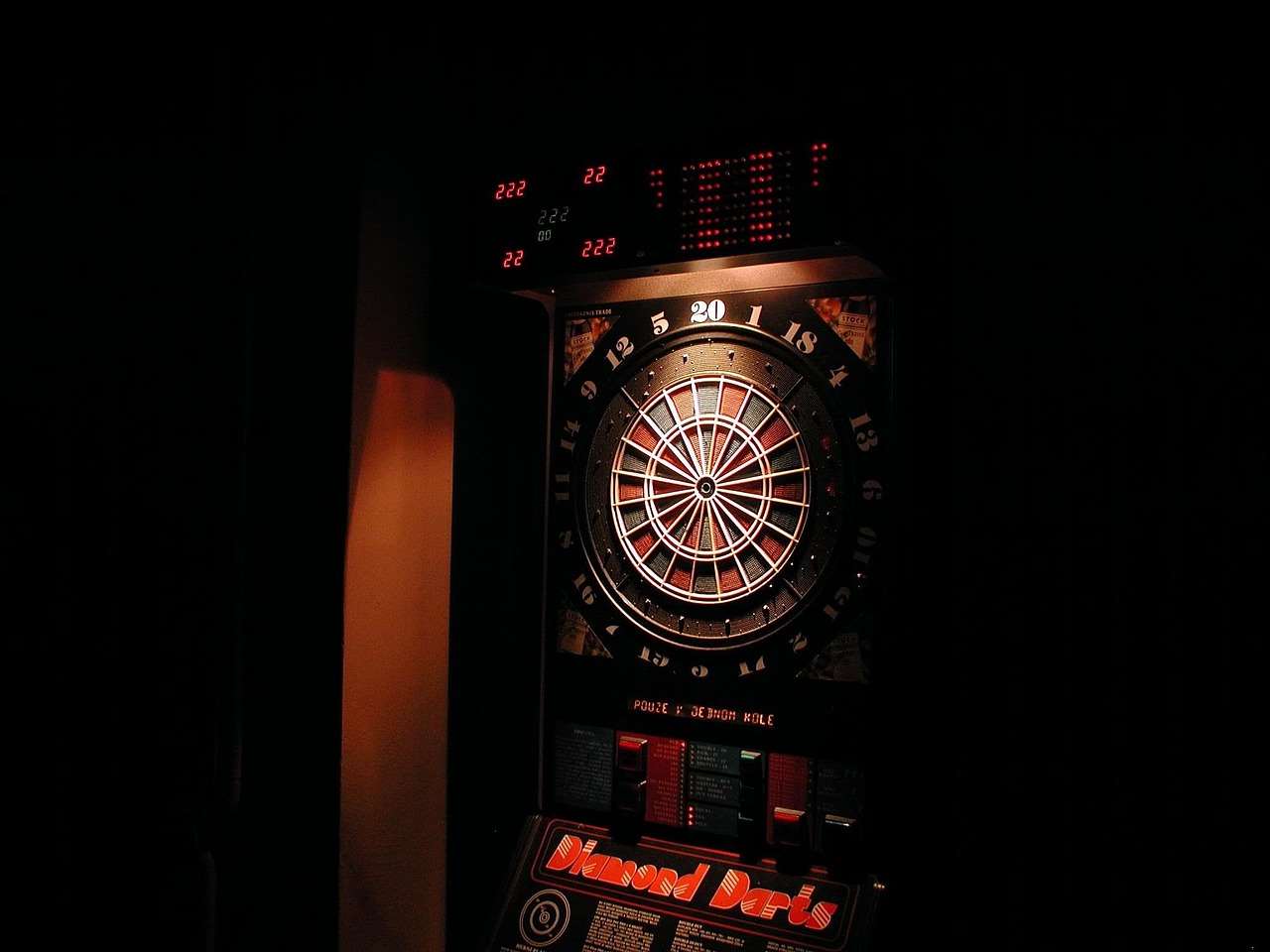
Think of it like this: a heavier dart can be more forgiving if your release isn’t perfect, whereas a lighter dart will accentuate any flaws in your technique. Experimentation is key, but starting within that 22-24 gram range provides a solid foundation to build upon. As you develop more consistency, you might then want to explore lighter or heavier options to fine-tune your performance.
The Impact of Dart Weight on Trajectory
The weight of a dart significantly impacts its trajectory. Heavier darts often follow a straighter path, making them ideal for players who prefer a more direct approach. This can also be beneficial when using Choose Best Dart Equipment. Lighter darts, on the other hand, can allow for more finesse, arching slightly in flight before landing on the target. This difference in trajectory affects how you aim and adjust your throw, making it a vital factor to consider when selecting your first set of darts.
Exploring Dart Materials and Their Influence
Beyond the overall dart weight, the material composition also plays a role. Darts are typically made from brass, nickel silver, or tungsten. Each material offers different density and grip characteristics, influencing how the dart feels in your hand and performs in flight.
Brass Darts: An Affordable Starting Point
Brass darts are usually the most budget-friendly option, making them perfect for beginners. They tend to be bulkier for the same weight as other materials, which can affect the grip. This larger barrel size may not suit all hand sizes, so try to hold a few different types before making a decision.
Nickel Silver Darts: A Step Up in Quality
Nickel silver darts offer a slight upgrade in quality compared to brass. They are more durable and offer a slimmer profile, providing a better grip for some players. While still affordable, they represent a decent balance between cost and performance. Consider this as an intermediate option when you’re ready to move up from brass.
Tungsten Darts: The Professional Choice
Tungsten darts are the preferred choice for many professional dart players. Tungsten’s high density allows for a very slim barrel, even at heavier weights. This provides a more concentrated grip and allows for tighter groupings on the dartboard. While more expensive, tungsten darts offer superior performance and durability. Choosing quality Optimal Dartboard Lighting Solutions Guide can make a big difference.
Finding the Right Grip and Balance
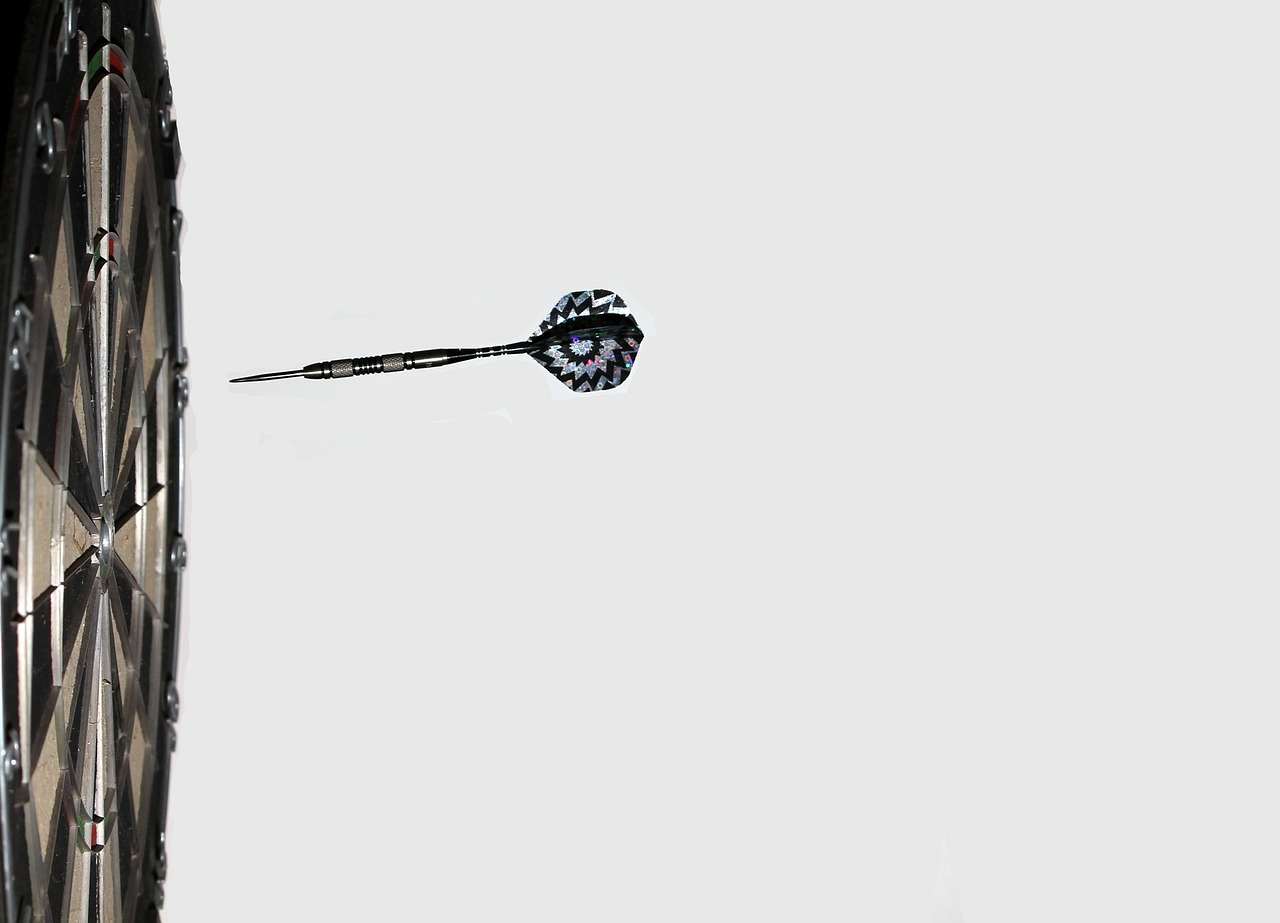
The grip and balance of a dart are just as important as its weight. A well-balanced dart will feel natural in your hand and promote a smooth release. Experiment with different grip points along the barrel to find what feels most comfortable and consistent for you. The key is to find a grip that allows you to control the dart without straining your hand or wrist. This helps to ensure that each throw is consistent, improving accuracy over time.
Understanding Front-Weighted, Center-Weighted, and Rear-Weighted Darts
Darts are typically categorized as front-weighted, center-weighted, or rear-weighted, depending on where the majority of the mass is concentrated. Front-weighted darts tend to fly straighter, while rear-weighted darts can be easier to control. Center-weighted darts offer a balance between the two. Experiment with different weight distributions to see which feels best in your hand and results in the most consistent throws. Don’t underestimate the impact of How To Light Your Dartboard.
Experimenting with Different Shafts and Flights
Shafts and flights influence a dart’s flight path and stability. Shorter shafts can make a dart fly straighter, while longer shafts can provide more stability. Smaller flights create less drag, resulting in a faster, more direct flight. Larger flights offer more drag, stabilizing the dart and correcting minor imperfections in your throw. Experiment with various combinations to find the optimal setup for your throwing style.
Matching Shaft Length to Dart Weight
As a general rule, heavier darts often pair well with shorter shafts, while lighter darts may benefit from longer shafts. This helps to balance the dart and optimize its flight characteristics. Different shafts will require different adjustment strategies, so finding the right balance is crucial for improving your scores and overall enjoyment of the game. Proper lighting via Types Optimal Dartboard Lighting is important.
Selecting the Right Flight Shape and Size
Flights come in various shapes and sizes, each influencing the dart’s flight characteristics. Standard flights provide maximum stability, while slim flights offer less drag and a faster flight. Kite flights and pear flights offer a balance between the two. The best flight shape and size for you will depend on your throwing style and the weight of your dart. Consider your particular needs when determining the appropriate flight shape and size.
Tips for Adjusting Your Technique Based on Dart Weight
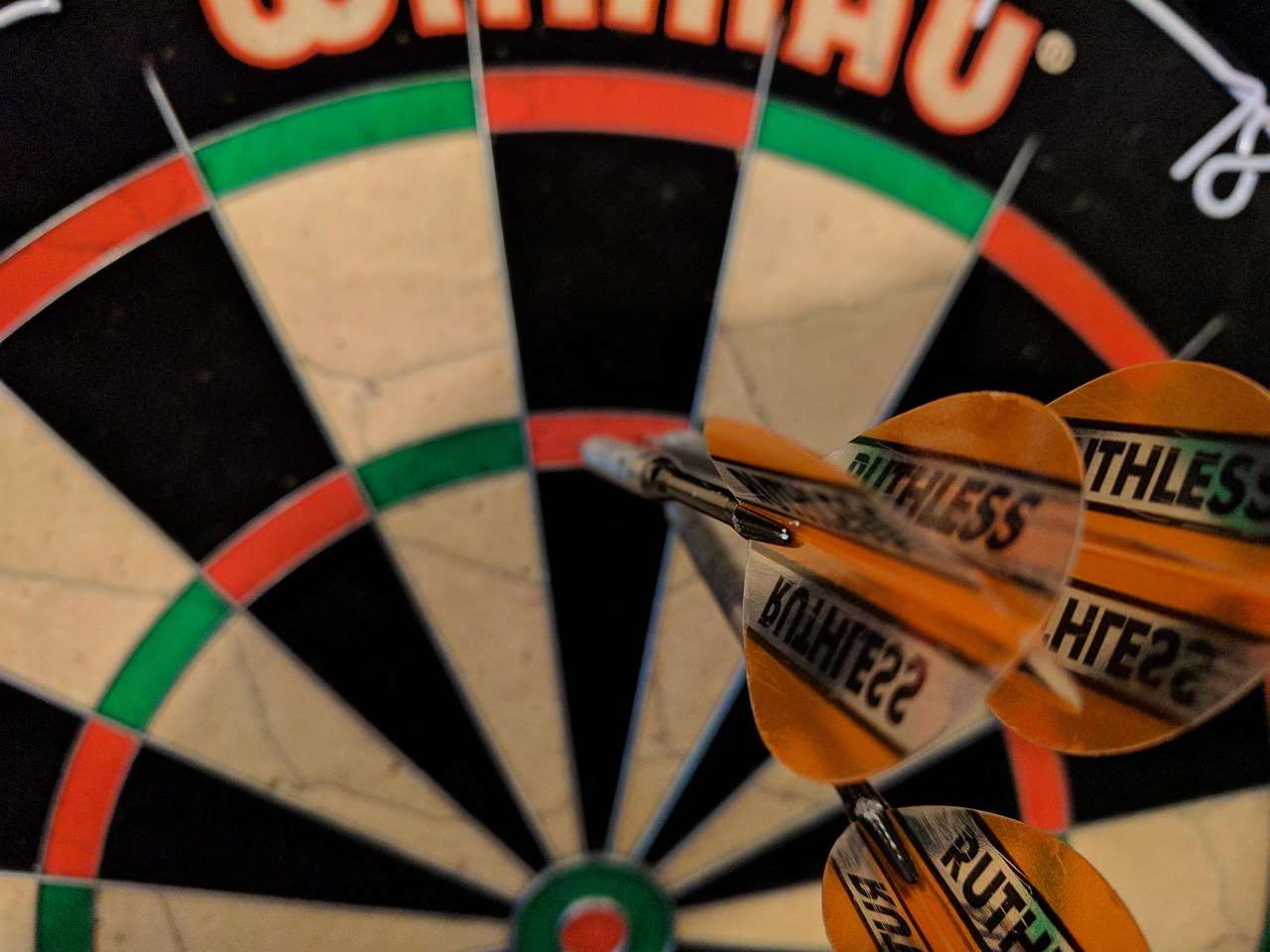
Once you’ve chosen a dart weight, it’s essential to adapt your technique to optimize your performance. This may involve adjusting your stance, grip, or throwing motion. The process of adapting to different equipment can take time, so patience is key as you experiment and fine-tune your approach. Remember, consistency is key when improving your game, so practice regularly to refine your technique.
Adjusting Your Stance for Optimal Balance
Your stance is the foundation of your throw, and it can be adjusted to compensate for different dart weights. If you’re using a heavier dart, you may want to adopt a slightly wider stance for increased stability. For lighter darts, a narrower stance may provide more agility and control. Experiment with different stances to find what feels most comfortable and allows for a consistent release. Remember, the goal is to maintain balance and minimize unnecessary movement during your throw.
Fine-Tuning Your Grip for Enhanced Control
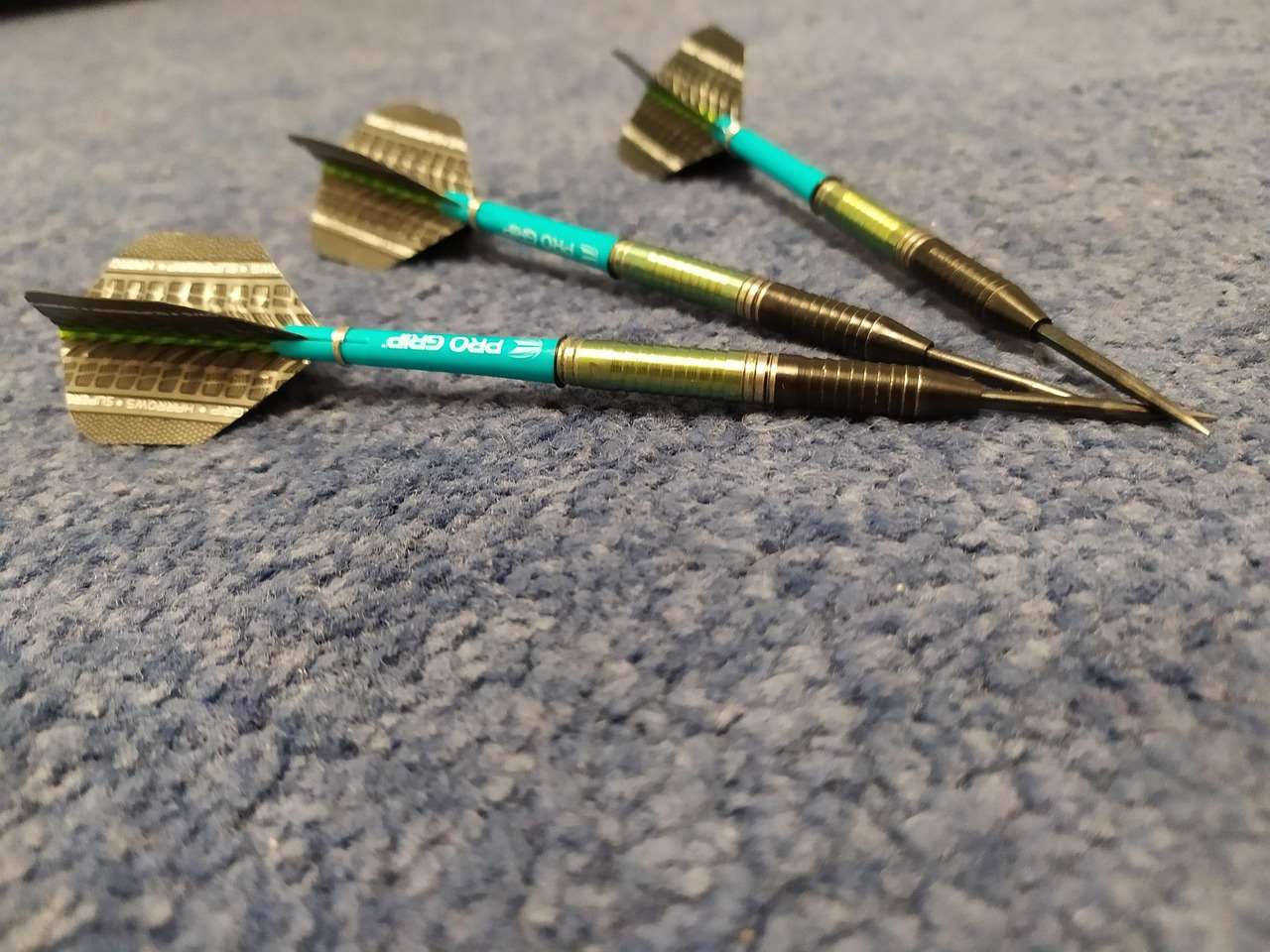
Your grip is another critical aspect of your technique that may need adjusting based on dart weight. With heavier darts, a firmer grip may be necessary to maintain control. Lighter darts may benefit from a more relaxed grip, allowing for greater finesse. Experiment with different grip pressures to find what feels most natural and allows for a smooth, controlled release. Remember, the goal is to hold the dart securely without tensing your hand or wrist.
Refining Your Throwing Motion for Consistent Results
Your throwing motion is the final piece of the puzzle, and it may need to be tweaked to suit your chosen dart weight. Heavier darts may require a slightly more powerful throw, while lighter darts may benefit from a smoother, more controlled motion. Focus on maintaining a consistent release point and follow-through to ensure accuracy. Practice regularly and pay attention to how different adjustments affect your throw. Be aware of issues with Ring Light Dartboard Pros Cons.
Choosing The Correct Dart Weight For Beginners: Further considerations
When choosing the correct dart weight for beginners, consider the physical element too. Do you have strong arms and naturally throw hard? Or do you have a more delicate throwing action? Your physical attributes will play a role in identifying the correct darts. Ultimately, only testing will give you the best answer.
Testing and Refining Your Choices
The most important thing when choosing the correct dart weight is to test and refine your choices. Ask your friends to bring along different darts when you play or invest in a selection of cheaper darts and experiment with those. The best way to understand what works for you is to keep testing and recording the results.
Conclusion: Finding Your Perfect Dart Setup
Choosing the right dart weight for beginners involves considering multiple factors, including your throwing style, grip, and personal preferences. Starting with a mid-range weight (22-24 grams) is generally recommended, but don’t be afraid to experiment with different weights, materials, shafts, and flights to find what works best for you. Remember, the key is to find a setup that feels comfortable, promotes consistent throws, and allows you to enjoy the game. So, take the time to explore your options, adjust your technique as needed, and most importantly, have fun refining your abilities!

Hi, I’m Dieter, and I created Dartcounter (Dartcounterapp.com). My motivation wasn’t being a darts expert – quite the opposite! When I first started playing, I loved the game but found keeping accurate scores and tracking stats difficult and distracting.
I figured I couldn’t be the only one struggling with this. So, I decided to build a solution: an easy-to-use application that everyone, no matter their experience level, could use to manage scoring effortlessly.
My goal for Dartcounter was simple: let the app handle the numbers – the scoring, the averages, the stats, even checkout suggestions – so players could focus purely on their throw and enjoying the game. It began as a way to solve my own beginner’s problem, and I’m thrilled it has grown into a helpful tool for the wider darts community.