Finding the perfect dart involves balancing feel and control, and understanding **dart weight** is crucial. This **Dart Weight Buying Guide** will walk you through everything you need to know about selecting the right dart weight for your throwing style and experience level, from the lightest options to the heaviest, and how each impacts your game.
⚠️ Still Using Pen & Paper (or a Chalkboard)?! ⚠️
Step into the future! The Dart Counter App handles all the scoring, suggests checkouts, and tracks your stats automatically. It's easier than you think!
Try the Smart Dart Counter App FREE!Ready for an upgrade? Click above!
Understanding Dart Weight: A Comprehensive Dart Weight Buying Guide
Choosing the right **dart weight** is a deeply personal process. What works wonders for one player might be a disaster for another. The optimal weight depends on factors like your throwing style, grip, arm strength, and personal preference. As a general rule, most players use darts that weigh between 20 and 26 grams. However, the best way to determine the ideal weight is to experiment with different weights and see what feels most comfortable and consistent in your hand.
There’s no magic formula or scientific way to calculate precisely what your ideal dart weight will be, so this **Dart Weight Buying Guide** serves as a good starting point. Instead, it’s about exploring what provides you the best accuracy and consistency. Factors like dart barrel material, grip style, and even the length of the dart shaft all play a role in the overall feel of the dart.
Exploring Different Dart Weights
Darts are typically available in a range of weights, usually from 16 grams to 30 grams. Here’s a breakdown of what you can expect from different weight ranges:
- Light Darts (16-20 grams): Lighter darts are often favored by players with a softer throw or those who prefer a more delicate touch. They require less force to throw and can be easier to control, especially for beginners. However, they can be more susceptible to air resistance and may require more accuracy to compensate for any wobble.
- Medium Darts (21-24 grams): This is the most popular weight range for a reason. Medium-weight darts offer a good balance of control and stability, making them suitable for a wide range of throwing styles. They are heavy enough to cut through the air consistently but not so heavy that they require excessive force to throw.
- Heavy Darts (25-30 grams): Heavier darts are generally preferred by players with a stronger throw or those who want a more stable dart. They require more force to throw but are less affected by air resistance, making them more forgiving of minor inaccuracies. Some players prefer the feeling of a heavier dart in their hand.
Finding Your Dart Weight Sweet Spot
The best way to find your “sweet spot” is to try out different **dart weights**. Many dart shops offer a selection of test darts, or you can borrow darts from friends. Pay attention to how each weight feels in your hand, how much force you need to throw it accurately, and how consistent your results are. Remember, it’s not just about hitting the target; it’s about hitting the target consistently.
As you try different weights, focus on your throwing technique and how it changes with each dart. Are you overcompensating with lighter darts? Are you struggling to control heavier darts? These observations will help you narrow down your options.
Factors Affecting Dart Weight Preference
Several factors can influence your preference for a particular **dart weight**. Let’s examine some of the key considerations:
- Throwing Style: As mentioned earlier, your throwing style plays a significant role. Players with a fast, forceful throw may prefer heavier darts, while those with a softer, more controlled throw may prefer lighter darts.
- Grip: Your grip can also influence your weight preference. If you have a tight grip, you may find that a heavier dart is easier to control. If you have a loose grip, a lighter dart may be more suitable.
- Arm Strength: Players with less arm strength may find that lighter darts are easier to throw consistently. Conversely, players with strong arms may prefer the stability of heavier darts.
- Dartboard Type: While less significant, the type of dartboard you use can also play a minor role. Softer dartboards may be more forgiving of lighter darts, while harder dartboards may require heavier darts to stick properly.
The Psychology of Dart Weight
Believe it or not, there’s also a psychological component to dart weight preference. Some players simply feel more confident with a particular weight in their hand. Confidence is a critical factor in darts, so don’t underestimate the importance of how a dart feels to you on a purely emotional level. This is an important aspect when exploring your **dart weight buying guide** options.
Remember, it’s all about finding a dart that feels like an extension of your arm, a tool that you can rely on to perform consistently under pressure. This relates to the dart setup process, you can Choose Best Dart Equipment to begin with. This can change your perception of the entire game.
Dart Weight and Barrel Design
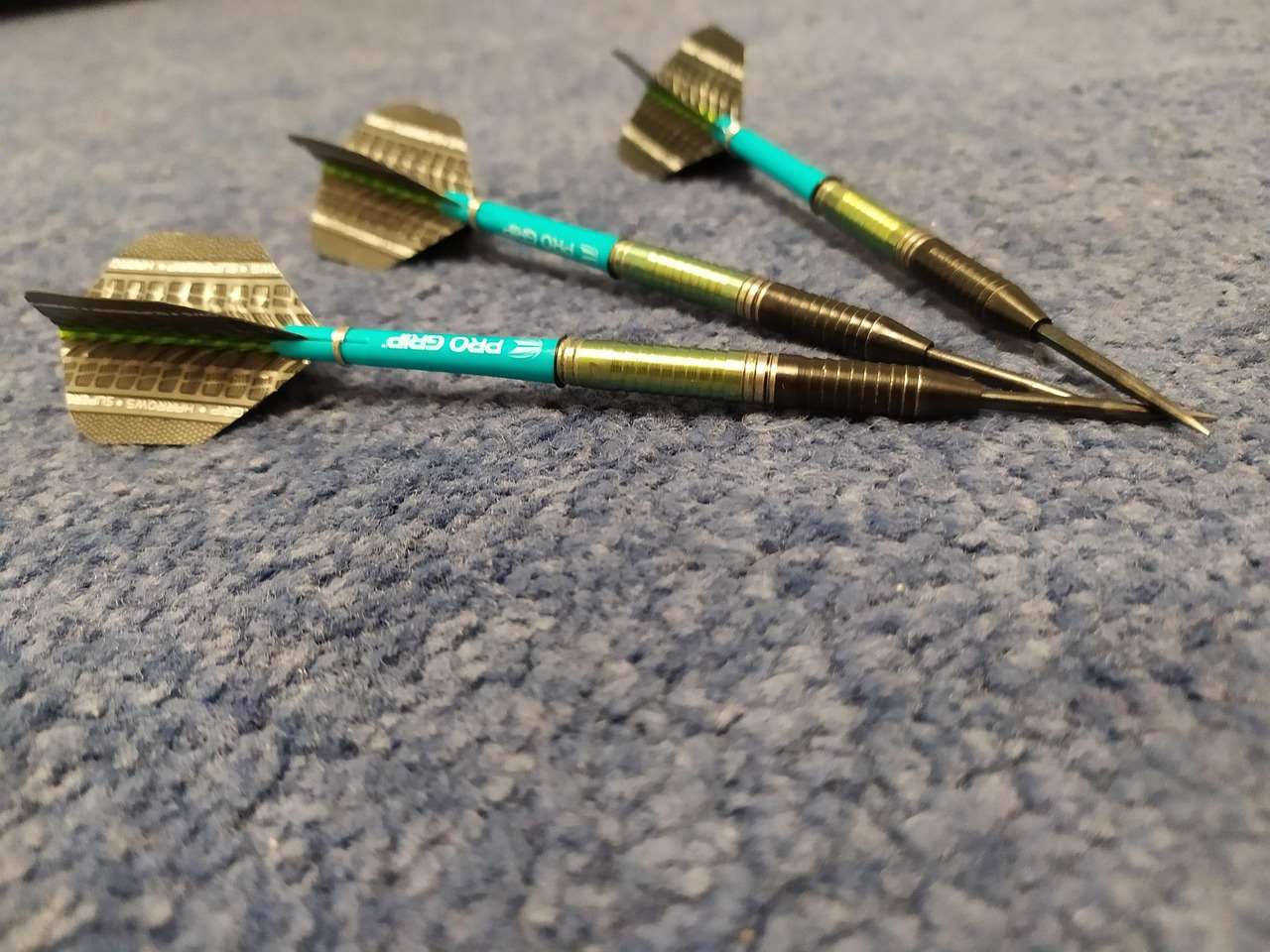
The barrel design of a dart also plays a significant role in how it feels and performs. A dart’s barrel is the main gripping point and can influence the dart’s balance and trajectory. Barrels come in various shapes, including straight, torpedo, and bomb, and each shape can affect how the weight is distributed.
- Straight Barrels: Straight barrels tend to have a more even weight distribution, making them suitable for players who prefer a consistent feel throughout the dart.
- Torpedo Barrels: Torpedo barrels are typically heavier at the front, which can help to pull the dart towards the target. They are often favored by players who want a more aggressive throw.
- Bomb Barrels: Bomb barrels are thicker in the middle and taper towards the ends. They are often preferred by players who grip the dart further back.
Experimenting with different barrel designs can help you fine-tune your dart weight preference and find a dart that feels perfectly balanced in your hand. Consider the **grip texture** as well; a knurled grip, for example, can provide more control, especially with heavier darts.
Dart Setup and Fine-Tuning
Once you’ve settled on a general **dart weight**, you can further fine-tune your setup by experimenting with different shafts and flights. The length and material of your shafts can affect the dart’s trajectory and stability, while the shape and size of your flights can influence its drag and lift.
- Shafts: Longer shafts generally make the dart more stable but can also increase its wobble. Shorter shafts are less stable but can be more aerodynamic.
- Flights: Larger flights provide more drag and lift, making the dart more stable but also slower. Smaller flights are less stable but can be faster.
By experimenting with different combinations of shafts and flights, you can optimize your dart’s performance and create a setup that perfectly complements your throwing style and weight preference.
Steel Tip vs. Soft Tip Darts: Weight Considerations
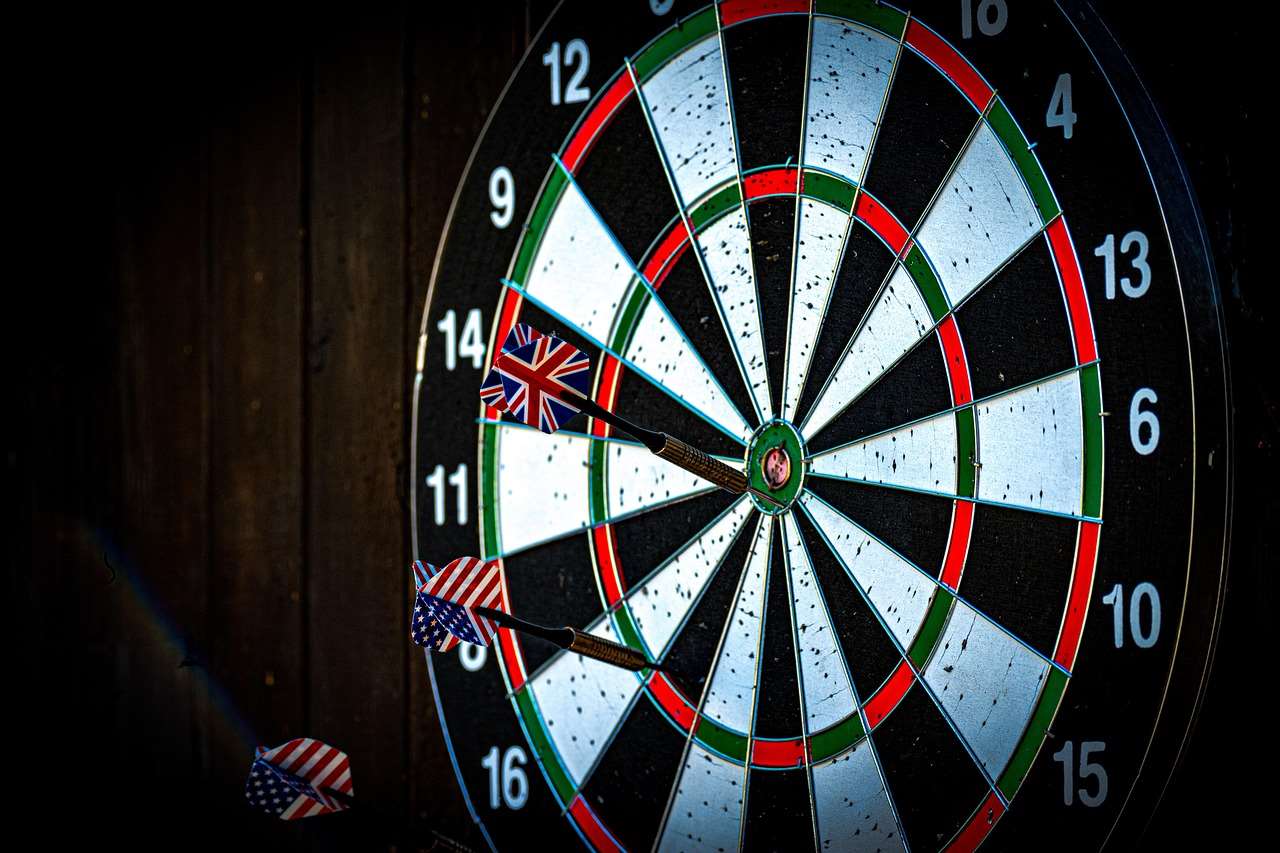
The type of dart you use, whether steel tip or soft tip, can also influence your **dart weight** choices. Steel tip darts, used on traditional bristle dartboards, generally have a wider weight range and are often heavier than soft tip darts. Soft tip darts, used on electronic dartboards, typically have a weight limit of 18 grams, although some boards may allow slightly heavier darts.
If you’re primarily playing steel tip darts, you’ll have more options when it comes to weight selection. However, if you’re playing soft tip darts, you’ll need to stay within the weight limits of the board. Keep in mind that the weight limits for soft tip darts are there for a reason – to protect the integrity of the electronic dartboard.
Converting Between Steel Tip and Soft Tip Weights
It’s important to understand that the weight of a dart isn’t the only factor that affects its feel. The balance point and the barrel shape also play a significant role. If you’re switching between steel tip and soft tip darts, you may need to adjust your weight and setup to compensate for the differences.
Practicing with Your Chosen Dart Weight
Once you’ve selected a **dart weight** that feels comfortable and consistent, the most important thing is to practice. Consistent practice is key to developing muscle memory and improving your accuracy. Set aside time each day or week to practice your throwing technique and focus on consistency. Be patient, as it takes time and effort to master any skill.
During your practice sessions, pay attention to how your dart feels in your hand and how it flies through the air. Make adjustments to your grip, stance, and throwing motion as needed. Remember, the goal is to find a throwing style that feels natural and comfortable to you. You may find some of the information in the Optimal Dartboard Lighting Solutions Guide to be helpful while setting up your board.
Advanced Considerations: Weight Distribution and Balance
As you become more experienced, you may want to start experimenting with different weight distributions and balance points. Some players prefer darts that are heavily weighted towards the front, while others prefer darts that are more evenly balanced. The ideal weight distribution will depend on your throwing style and personal preference.
- Front-Weighted Darts: These darts tend to fly straighter and are less susceptible to wobble. They are often favored by players with a more forceful throw.
- Balanced Darts: These darts offer a good balance of stability and control. They are suitable for a wide range of throwing styles.
- Rear-Weighted Darts: These darts tend to have a more pronounced arc in their trajectory. They are often favored by players who prefer a more delicate touch.
Experimenting with different weight distributions can help you fine-tune your dart’s performance and find a dart that perfectly complements your throwing style. Using How To Light Your Dartboard can also improve your setup and visibility.
Dart Weight Buying Guide: Common Mistakes to Avoid
When choosing a **dart weight**, it’s easy to make mistakes. Here are some common pitfalls to avoid:
- Choosing a weight based on what someone else recommends: What works for one player may not work for you. Experiment and find what feels right for *you*.
- Sticking with the first weight you try: Don’t be afraid to experiment with different weights until you find the perfect fit.
- Overthinking it: At the end of the day, darts is a game. Don’t get too caught up in the technical details and forget to have fun.
Finding the right dart weight is a process of trial and error. Be patient, experiment, and most importantly, enjoy the journey.
Conclusion: Finding Your Perfect Dart Weight
Selecting the right **dart weight** is a crucial step in improving your darts game. By understanding the different weight ranges, considering your throwing style, and experimenting with various setups, you can find a dart that feels comfortable, consistent, and perfectly suited to your individual needs. Remember to focus on the feel of the dart, your throwing technique, and consistent practice. Don’t be afraid to experiment and try new things, and most importantly, have fun! The tips provided in this **Dart Weight Buying Guide** will point you in the right direction.
Ready to take your darts game to the next level? Head to your local dart shop or browse online retailers to explore different dart weights and setups. Experiment with different weights and find the perfect dart to help you achieve your goals. Good luck, and happy throwing!

Hi, I’m Dieter, and I created Dartcounter (Dartcounterapp.com). My motivation wasn’t being a darts expert – quite the opposite! When I first started playing, I loved the game but found keeping accurate scores and tracking stats difficult and distracting.
I figured I couldn’t be the only one struggling with this. So, I decided to build a solution: an easy-to-use application that everyone, no matter their experience level, could use to manage scoring effortlessly.
My goal for Dartcounter was simple: let the app handle the numbers – the scoring, the averages, the stats, even checkout suggestions – so players could focus purely on their throw and enjoying the game. It began as a way to solve my own beginner’s problem, and I’m thrilled it has grown into a helpful tool for the wider darts community.