Understanding the relationship between **dart weight and flight speed** is crucial for improving your dart game; a heavier dart typically requires more force and thus results in a slower flight, while a lighter dart can be thrown faster but might be more susceptible to air resistance. This article delves into the factors influencing **dart weight and flight speed**, helping you choose the right dart for your throwing style and achieve better accuracy. We’ll explore the impact of dart material, shaft length, and flight shape, along with practical tips to optimize your setup.
⚠️ Still Using Pen & Paper (or a Chalkboard)?! ⚠️
Step into the future! The Dart Counter App handles all the scoring, suggests checkouts, and tracks your stats automatically. It's easier than you think!
Try the Smart Dart Counter App FREE!Ready for an upgrade? Click above!
Understanding Dart Weight And Its Impact
The weight of your dart is one of the most fundamental aspects influencing its trajectory and overall performance. **Dart weights** are typically measured in grams (g), and the regulations for professional play generally allow darts ranging from 16g to 50g. However, the most common weights range from 20g to 26g.
A heavier dart offers several advantages. Firstly, it tends to be more stable in flight, resisting deviations caused by slight imperfections in your throw or air currents. This stability can translate to greater consistency, especially for beginners who are still refining their technique. Secondly, heavier darts tend to penetrate the dartboard with more force, reducing the likelihood of bounce-outs. Finally, many players find that heavier darts provide a more substantial and controlled feel in their hand.
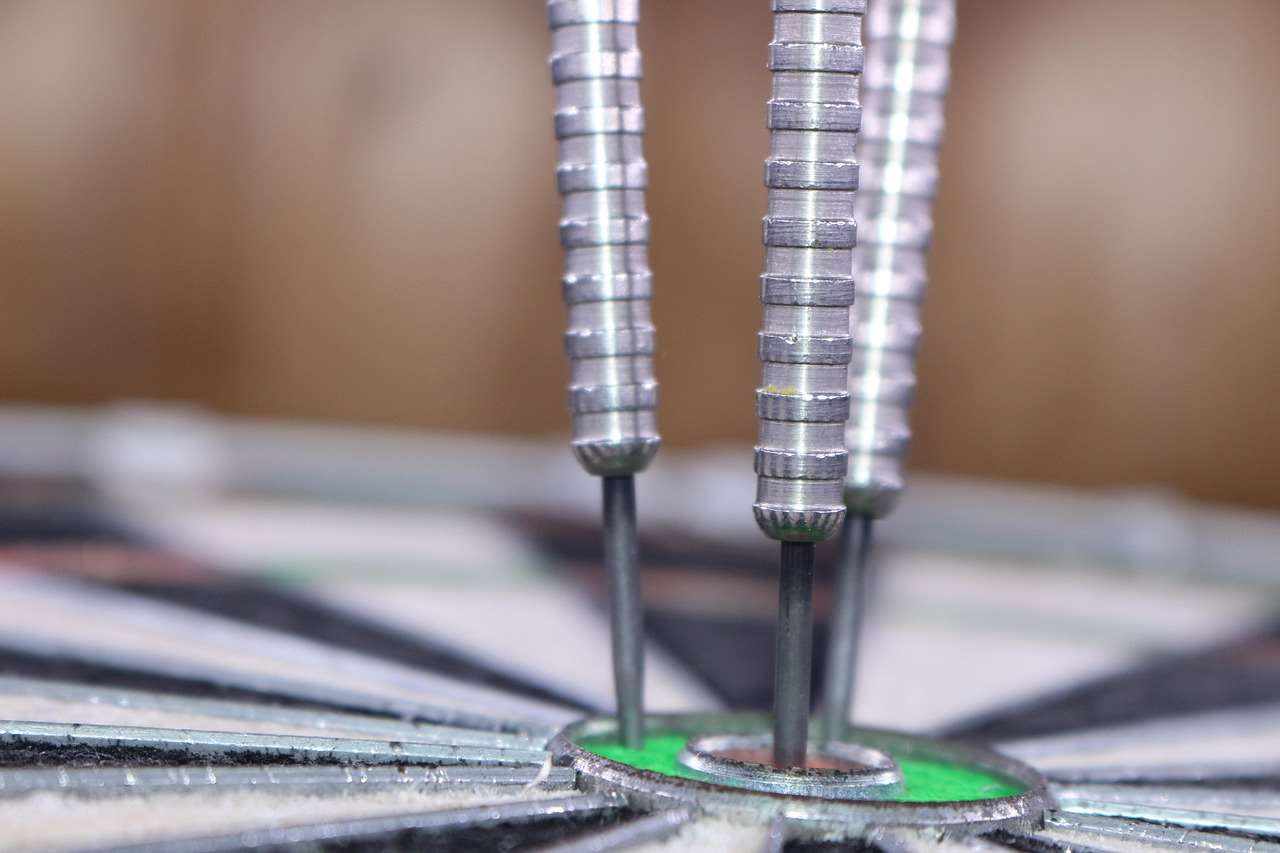
Conversely, a lighter dart can be thrown with greater speed and may feel easier to control for some players. This can be advantageous for players who rely on a faster, more wrist-driven throw. However, lighter darts are more susceptible to the effects of air resistance and can be more challenging to control consistently, particularly over longer distances. Choosing the right **dart weight** is a personal preference largely dictated by the throwing technique and the desired feel.
Factors Influencing Dart Weight Selection
- Throwing Style: Players with a strong, powerful throw may prefer heavier darts, while those with a more finesse-oriented approach might opt for lighter darts.
- Comfort and Feel: Ultimately, the best dart weight is the one that feels most comfortable and natural in your hand. Experiment with different weights to find what works best for you.
- Board Type: The density of your dartboard can also influence your choice. Softer boards may benefit from slightly heavier darts to ensure proper penetration.
The Role Of Flight Speed In Dart Trajectory
**Flight speed** is the velocity at which the dart travels from your hand to the dartboard. While **dart weight** significantly influences this speed, other factors such as throwing power, technique, and dart aerodynamics also play critical roles. A well-balanced combination of weight and speed is essential for achieving accuracy and consistency.
Generally, a slower **flight speed** allows for more control and precision. This is because the dart has more time to stabilize in the air, minimizing the impact of minor imperfections in your throw. However, a very slow flight can also make the dart more vulnerable to external factors like air currents. On the other hand, a faster **flight speed** can help the dart maintain its trajectory and resist external disturbances, but it requires a more consistent and accurate throw to ensure it lands where you intend.
Finding the optimal **flight speed** involves striking a balance between control and resistance to external factors. This balance is highly individual and depends on your throwing style, dart setup, and the conditions in your playing environment.

Optimizing Your Throw for Ideal Flight Speed
Improving your throwing technique can have a significant impact on your **dart’s flight speed** and overall accuracy. Here are some tips to help you optimize your throw:
- Consistent Stance: Maintain a stable and consistent stance to ensure a solid foundation for your throw.
- Smooth Release: Aim for a smooth, fluid release, avoiding jerky movements or unnecessary wrist action.
- Follow Through: Follow through completely with your arm after releasing the dart, ensuring consistent power and direction.
- Grip Consistency: Maintain a consistent grip on the dart to ensure a repeatable release.
Dart Aerodynamics and Its Relationship to Dart Weight And Flight Speed
The aerodynamics of a dart, determined by its shape and the design of its flights and shaft, plays a crucial role in how it behaves in flight. The shape and size of the **flights**, in particular, affect drag, which in turn impacts **flight speed** and stability. Larger flights create more drag, slowing the dart down but increasing stability. Smaller flights reduce drag, allowing for faster **flight speed** but potentially sacrificing some stability.
The **shaft length** also contributes to aerodynamics. Longer shafts shift the center of gravity further back, increasing stability and potentially slowing the dart. Shorter shafts shift the center of gravity forward, making the dart more responsive and potentially increasing its **flight speed**. The material used in the dart’s construction, such as tungsten or brass, affects its density and therefore its weight, which, as we’ve established, is directly linked to **dart weight and flight speed**.
Understanding these aerodynamic principles can help you fine-tune your dart setup to achieve the desired **flight speed** and stability for your throwing style. It’s worth experimenting with different flight shapes and shaft lengths to discover what works best for you. Remember, the goal is to find a configuration that allows you to consistently throw the dart with the desired speed and accuracy.
Selecting the Right Flights and Shafts
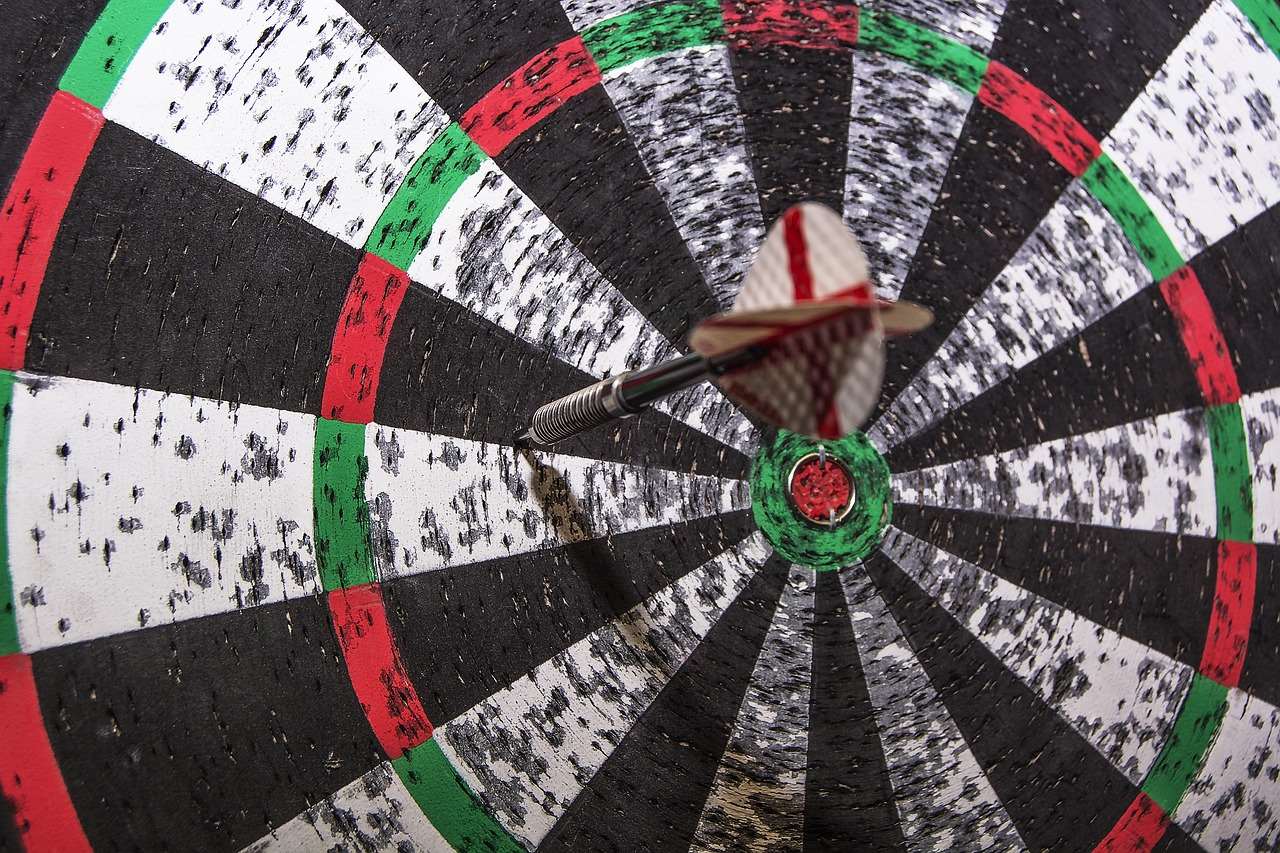
- Flight Shape: Standard flights offer maximum stability, while slim flights provide greater speed and maneuverability.
- Flight Material: Thicker flights are more durable but can create more drag, while thinner flights offer less drag but are more prone to damage.
- Shaft Length: Longer shafts increase stability, while shorter shafts offer greater responsiveness.
- Shaft Material: Aluminum shafts are durable and lightweight, while nylon shafts are more flexible and offer a softer feel. Consider Choose Best Dart Equipment for specific product reviews.
Practical Tips for Finding Your Ideal Dart Setup
Experimentation is key to finding the perfect dart setup. Here are some practical tips to guide your exploration and help you discover the ideal combination of **dart weight**, **flight speed**, and aerodynamic properties:
- Start with a Baseline: Begin with a common dart weight (e.g., 23g) and standard flights and shafts. This will provide a baseline for comparison as you experiment.
- Adjust One Variable at a Time: Change only one element of your dart setup at a time (e.g., weight, flight shape, shaft length) to isolate the impact of each change.
- Track Your Results: Keep a record of your scores and observations as you experiment with different setups. This will help you identify which configurations are most effective.
- Seek Feedback: Ask experienced dart players for their opinions and insights. They may be able to offer valuable suggestions based on your throwing style.
- Be Patient: Finding the perfect dart setup takes time and effort. Don’t get discouraged if you don’t see immediate results. Keep experimenting and refining your setup until you find what works best for you. Consider how to How To Light Your Dartboard to improve visibility.

How Different Dart Materials Affect Dart Weight And Flight Speed
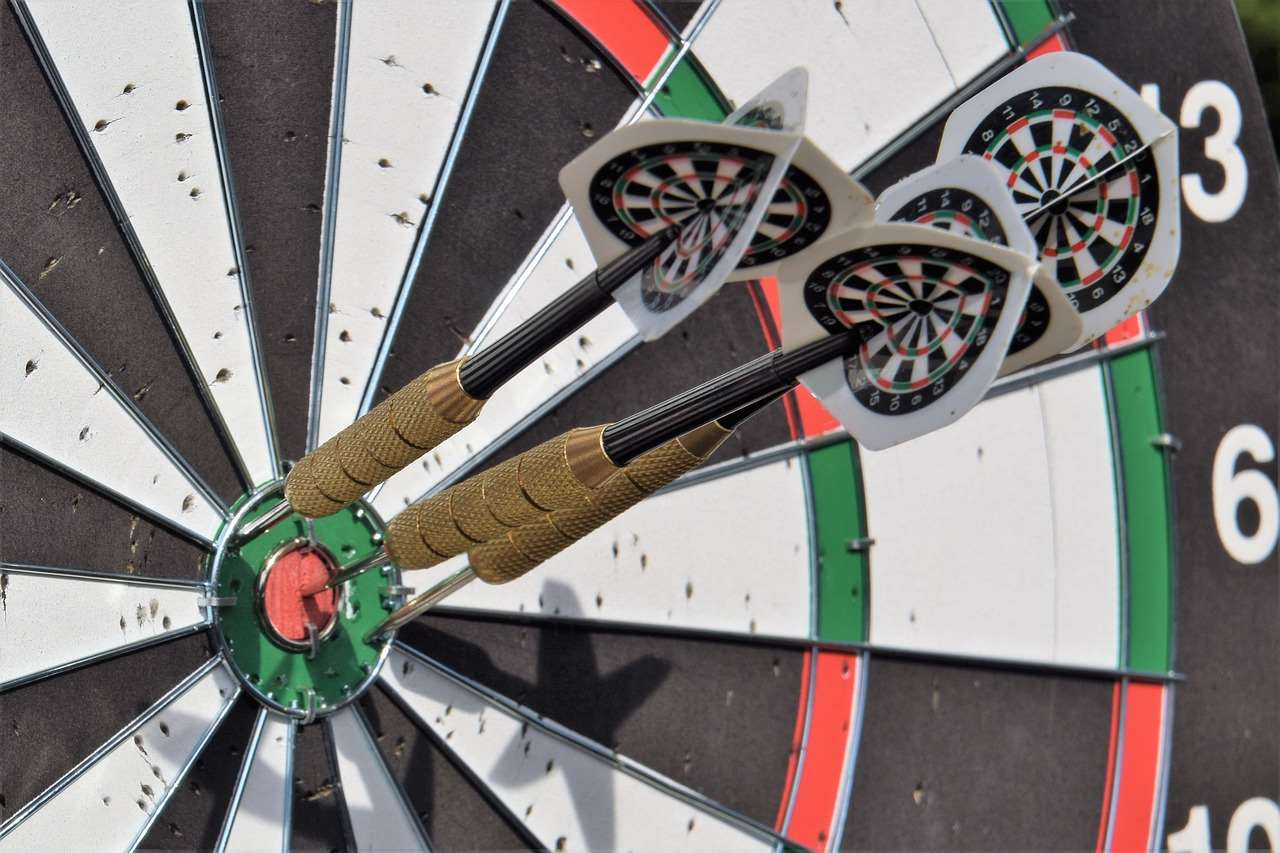
The material a dart is made from significantly impacts its weight and, consequently, its **flight speed**. Brass darts are typically bulkier and heavier for their size compared to tungsten darts. This means a brass dart of the same weight as a tungsten dart will be larger in diameter, leading to increased air resistance and potentially a slower **flight speed**. Tungsten, being denser, allows for slimmer darts that maintain the same weight, reducing air resistance and potentially leading to a faster and more stable **flight speed**.
Polymer or plastic darts, often used for soft-tip dartboards, are significantly lighter. This lightness enables very high **flight speed** with relatively little effort but can also make them extremely susceptible to variations in air currents and throwing inconsistencies.
Choosing the right material depends on your preference and play style. Brass is a more affordable option, while tungsten offers superior aerodynamics and durability. Polymer darts are specific to soft-tip boards and prioritize speed over pinpoint accuracy due to their light weight.
Tungsten vs. Brass Darts: A Closer Look
- Tungsten: Denser, allowing for slimmer darts with better aerodynamics. More expensive but more durable.
- Brass: Less dense, resulting in bulkier darts with more air resistance. More affordable.
- Polymer: Very lightweight, suitable for soft-tip dartboards and prioritizing speed.
Conclusion: Mastering Dart Weight And Flight Speed for Optimal Performance
Understanding the interplay between **dart weight and flight speed** is paramount to enhancing your dart game. By carefully considering your throwing style, experimenting with different dart setups, and paying attention to the aerodynamic properties of your equipment, you can fine-tune your setup to achieve optimal performance. Remember that there is no one-size-fits-all solution. The perfect dart setup is highly individual and depends on your unique preferences and playing conditions. Take the time to explore different options, track your results, and seek feedback from experienced players. With dedication and experimentation, you can unlock your full potential and enjoy the game of darts to the fullest. Remember to explore Types Optimal Dartboard Lighting to ensure optimal visibility of your target.
Now that you have a deeper understanding of **dart weight and flight speed**, take action! Visit your local dart shop or browse online retailers to experiment with different dart weights, flights, and shafts. Start tracking your progress and see how these adjustments impact your game. Good luck, and happy darting!

Hi, I’m Dieter, and I created Dartcounter (Dartcounterapp.com). My motivation wasn’t being a darts expert – quite the opposite! When I first started playing, I loved the game but found keeping accurate scores and tracking stats difficult and distracting.
I figured I couldn’t be the only one struggling with this. So, I decided to build a solution: an easy-to-use application that everyone, no matter their experience level, could use to manage scoring effortlessly.
My goal for Dartcounter was simple: let the app handle the numbers – the scoring, the averages, the stats, even checkout suggestions – so players could focus purely on their throw and enjoying the game. It began as a way to solve my own beginner’s problem, and I’m thrilled it has grown into a helpful tool for the wider darts community.