Understanding the relationship between dart weight and board damage is crucial for preserving your dartboard and improving your game; lighter darts are generally kinder to your board. This article explores how dart weight impacts your dartboard, discusses different types of boards and their durability, and offers practical tips to minimize wear and tear.
⚠️ Still Using Pen & Paper (or a Chalkboard)?! ⚠️
Step into the future! The Dart Counter App handles all the scoring, suggests checkouts, and tracks your stats automatically. It's easier than you think!
Try the Smart Dart Counter App FREE!Ready for an upgrade? Click above!
Understanding Dart Weight And Board Damage
The weight of your darts plays a significant role in the longevity of your dartboard. While heavier darts might seem more impactful, potentially leading to faster scoring, they also exert more force upon impact. This increased force compresses the sisal fibers of the dartboard more aggressively, leading to faster wear and tear. Conversely, lighter darts, while requiring a slightly different throwing technique, can significantly reduce the strain on the board.
Choosing the right dart weight is a balancing act. You need a dart that feels comfortable and allows for consistent throws, but you also want to minimize the damage to your dartboard. Many players find that darts in the 22-24 gram range offer a good compromise between performance and board preservation. However, experimenting with different weights is essential to find what works best for you and your board.
Types of Dartboards and Their Durability
Not all dartboards are created equal. The type of material used in construction significantly impacts its durability and resistance to damage from dart impacts. Here’s a rundown of common dartboard types:
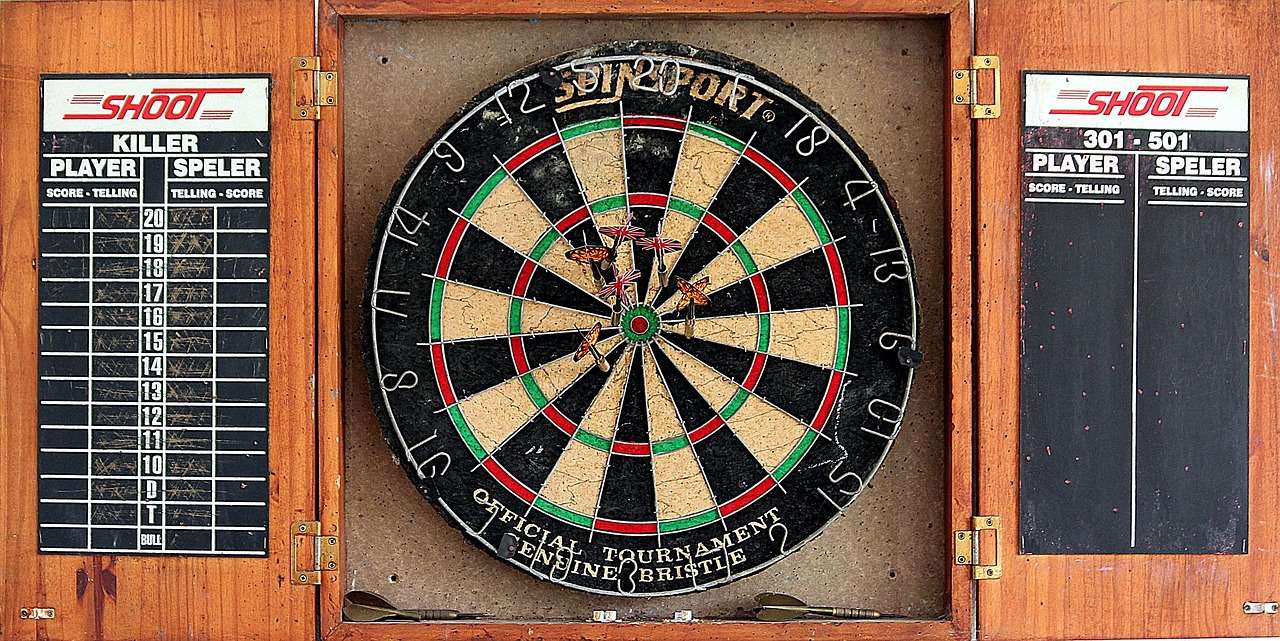
- Sisal Dartboards: These are the most popular type, made from tightly packed sisal fibers. Sisal boards are self-healing, meaning the fibers expand and contract to fill in the holes created by dart impacts. The quality of the sisal and the density of the packing directly influence the board’s lifespan. Higher-quality sisal boards can withstand more use and heavier dart weights with less noticeable damage.
- Bristle Dartboards: Often used interchangeably with “sisal,” bristle boards are generally made of sisal. However, some cheaper bristle boards might use lower-grade materials that wear out faster.
- Electronic Dartboards: These boards feature plastic segments with small holes that register the darts. While they offer automatic scoring and various game modes, they are not as durable as sisal boards. Heavier darts can damage the plastic segments more easily. Consider reading about Choose Best Dart Equipment if you are looking to buy a new dartboard.
- Paper Dartboards: These are the cheapest option and are best suited for casual play or beginners. They are not very durable and will show signs of wear quickly, especially with repeated use and heavier dart weights.
How Dart Weight Affects Different Parts of the Board
The impact of dart weight isn’t uniformly distributed across the dartboard. Certain areas are more susceptible to damage than others:
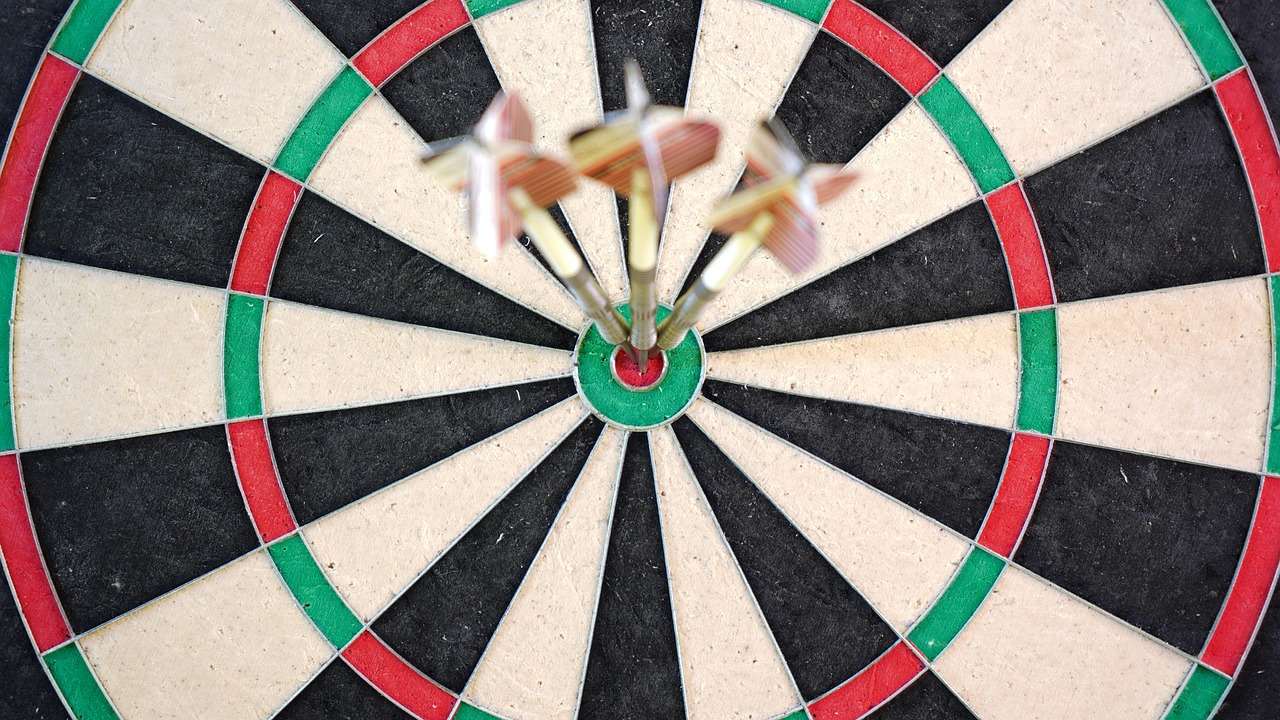
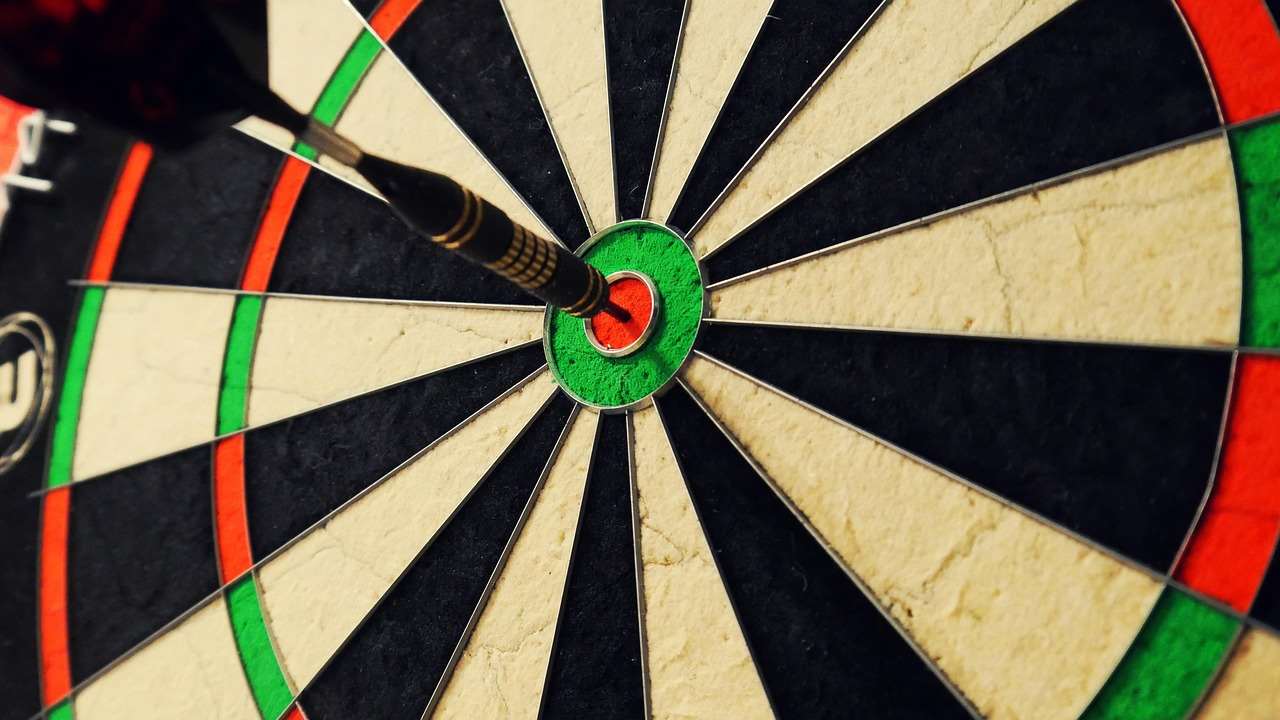
- The Bullseye: This is the most frequently targeted area, and therefore, the area most prone to wear and tear. The constant impacts from darts of any weight, but especially heavier ones, compress the fibers in the bullseye, eventually leading to bald spots.
- The Treble 20: Another high-scoring area, the treble 20, also experiences significant wear and tear. Consistent accuracy can quickly degrade this section of the board, particularly if you’re using heavier darts.
- The Wiring: While not directly affected by the weight of the darts, the wiring can be damaged if darts frequently hit it. This can lead to bounce-outs, which can damage both the darts and the board.
Choosing the Right Dart Weight to Minimize Damage
Selecting an appropriate dart weight can significantly prolong the life of your dartboard. Here are some factors to consider:
- Your Throwing Style: If you have a powerful throw, you might be able to get away with slightly lighter darts without sacrificing accuracy. Conversely, if you have a softer throw, you might need slightly heavier darts to achieve the desired trajectory.
- Dartboard Material: A high-quality sisal board can withstand heavier darts better than a cheaper board.
- Personal Preference: Ultimately, the best dart weight is the one that feels most comfortable and allows you to throw consistently. Experiment with different weights to find what works best for you.
Related Keywords and Their Impact
Several factors beyond dart weight can influence board damage. Understanding these related keywords can help you optimize your setup and throwing technique:
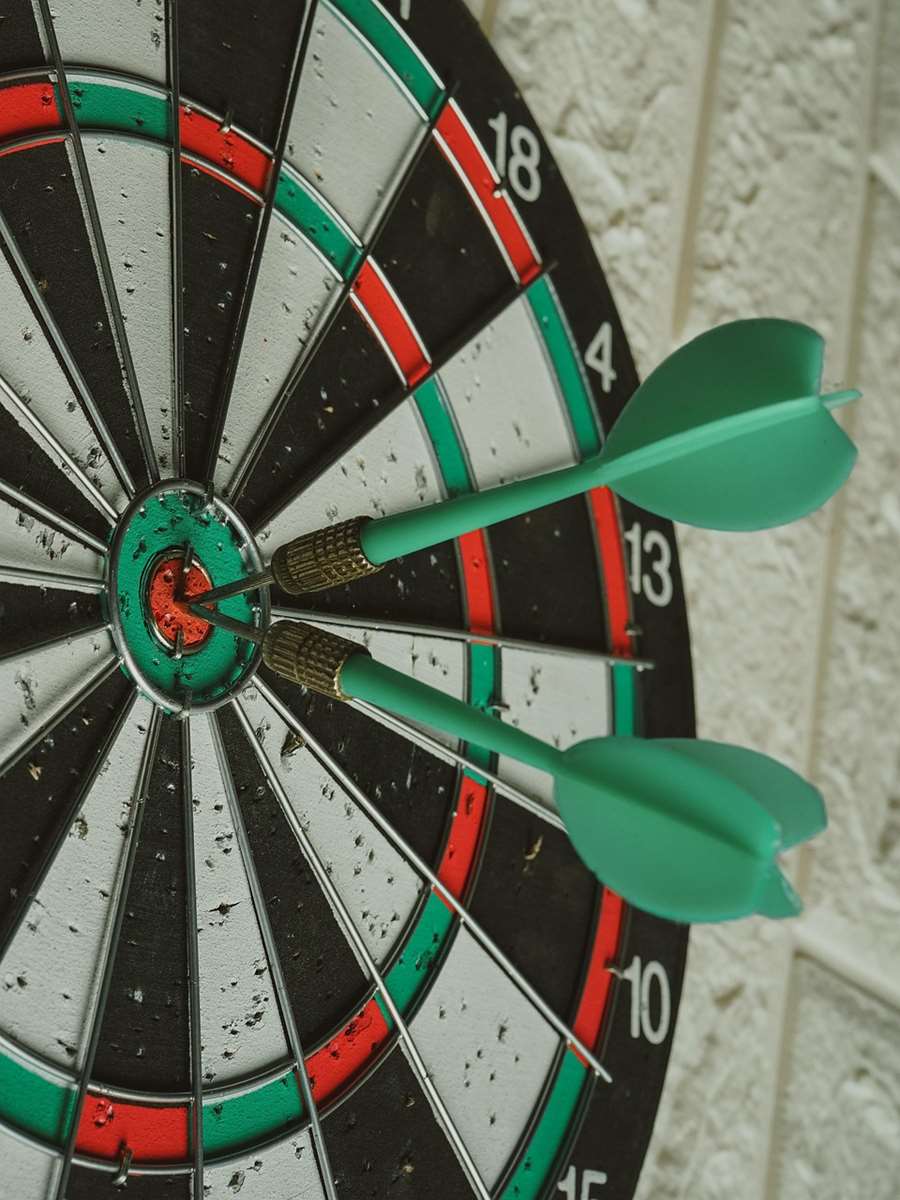
- Dart Points: Sharp, well-maintained dart points are crucial. Dull points can tear the sisal fibers, causing more damage than dart weight alone. Regularly sharpen your dart points to ensure they enter the board smoothly.
- Throwing Technique: A smooth, consistent throwing motion is less likely to cause glancing blows that damage the board. Practice your technique to minimize wobble and maximize accuracy.
- Dartboard Rotation: Regularly rotating your dartboard distributes wear more evenly across the surface, extending its lifespan. Rotate the board weekly or bi-weekly to prevent excessive wear in high-scoring areas.
- Dartboard Lighting: Proper lighting can improve your accuracy, reducing the number of errant throws that damage the board. Consider the Best Dartboard Lighting Systems to help improve your game.
- Dartboard Surround: A dartboard surround protects your wall from stray darts. While it doesn’t directly impact board damage, it prevents damage to your surroundings.
- Dart Maintenance: Maintaining your darts, including tightening shafts and flights, ensures they fly straight and true, minimizing glancing blows that can damage the board.
Tips to Prolong Dartboard Life, Regardless of Dart Weight
Even with careful consideration of dart weight and board damage, some wear and tear is inevitable. However, you can take several steps to extend the life of your dartboard:
- Rotate Your Dartboard Regularly: As mentioned earlier, rotation is key to even wear. Rotate the board weekly or bi-weekly.
- Maintain Your Darts: Keep your dart points sharp and ensure all parts are securely fastened.
- Use a Dartboard Surround: Protect your walls from stray darts.
- Avoid Excessive Force: Throw with a smooth, controlled motion. There’s no need to throw with maximum force.
- Consider Cork Pads: Placing cork pads behind the dartboard can absorb some of the impact, reducing stress on the board.
- Replace Worn Segments: If you have an electronic dartboard, replace worn or damaged segments promptly.
The Myth of Heavier Darts Always Causing More Damage
While it’s generally true that heavier darts exert more force, the relationship between dart weight and board damage isn’t always straightforward. Other factors, such as dart point sharpness and throwing technique, can play a more significant role.
A dull dart point, regardless of the dart weight, will tear the sisal fibers, causing more damage than a sharp point of the same weight. Similarly, a sloppy throwing technique that results in glancing blows will damage the board more than a clean, direct hit, even with a heavier dart.

Finding the Sweet Spot: Dart Weight and Throwing Style
The ideal dart weight is a personal preference that depends on your throwing style and the type of dartboard you’re using. There’s no one-size-fits-all answer.
- Experimentation is Key: Try out different dart weights to see what feels most comfortable and allows you to throw consistently.
- Consider Your Board: If you have a high-quality sisal board, you might be able to use slightly heavier darts without causing excessive damage.
- Listen to Your Body: Pay attention to how your arm and shoulder feel after throwing. If you’re experiencing fatigue or pain, you might be using darts that are too heavy.
Ultimately, the goal is to find a balance between dart weight, throwing technique, and board maintenance to maximize your performance and extend the life of your dartboard. For optimal lighting, consider the Optimal Dartboard Lighting Solutions Guide.
Advanced Tips: Optimizing Your Setup for Minimal Board Damage
Beyond choosing the right dart weight and maintaining your equipment, several advanced techniques can further minimize board damage:
- Vary Your Targeting: Consciously aim for different areas of the board during practice sessions to distribute wear more evenly.
- Use a Dartboard Conditioner: Dartboard conditioners help to moisturize the sisal fibers, preventing them from drying out and becoming brittle. This can extend the life of your board and reduce bounce-outs.
- Invest in Quality Darts: High-quality darts are typically better balanced and more aerodynamic, resulting in more consistent throws and less damage to the board.
- Consider Moving Your Board: If you play in the same location frequently, consider moving your board slightly every few months to change the angles of impact.
Long-Term Strategy: Rotating and Replacing Your Dartboard
Even with the best care, your dartboard will eventually wear out. A long-term strategy involves rotating the board as discussed before and planning for its eventual replacement.
- Track Wear Patterns: Pay attention to which areas of the board are wearing out the fastest. This can help you adjust your rotation schedule or modify your throwing technique.
- Set a Replacement Schedule: Depending on how frequently you play, you might need to replace your dartboard every year or two. Factor this into your budget.
- Recycle Your Old Board: Consider repurposing your old dartboard as a backing for a new board or using it for other creative projects.
Addressing Common Misconceptions About Dart Weight And Board Damage
There are several common misconceptions about the link between dart weight and board damage that can lead to incorrect assumptions. Let’s debunk some of them:
- Misconception: Lighter darts never damage the board. Reality: Even very light darts can cause damage over time, especially if the points are dull or the throwing technique is poor.
- Misconception: Heavier darts are always the worst for the board. Reality: A well-thrown, sharp-pointed heavier dart can be less damaging than a poorly thrown, dull-pointed lighter dart.
- Misconception: All sisal boards are equally durable. Reality: The quality of the sisal and the density of the packing vary significantly between different brands and models.
Understanding these nuances will help you make more informed decisions about your equipment and playing style.
Conclusion
While dart weight and board damage are undeniably linked, the relationship is complex and influenced by various factors. Choosing the right dart weight for your throwing style and dartboard type is crucial, but equally important are maintaining your darts, rotating your board, and practicing proper throwing technique. By understanding these factors and implementing the tips outlined in this article, you can significantly extend the life of your dartboard and enjoy countless hours of darting fun. Remember the importance of Types Optimal Dartboard Lighting to improve your accuracy and reduce dart board damage. Now that you understand the impact of dart weight on board damage, take action! Experiment with different weights, refine your technique, and maintain your equipment to optimize your performance and preserve your dartboard. Consider your options and Choose Best Dart Equipment.

Hi, I’m Dieter, and I created Dartcounter (Dartcounterapp.com). My motivation wasn’t being a darts expert – quite the opposite! When I first started playing, I loved the game but found keeping accurate scores and tracking stats difficult and distracting.
I figured I couldn’t be the only one struggling with this. So, I decided to build a solution: an easy-to-use application that everyone, no matter their experience level, could use to manage scoring effortlessly.
My goal for Dartcounter was simple: let the app handle the numbers – the scoring, the averages, the stats, even checkout suggestions – so players could focus purely on their throw and enjoying the game. It began as a way to solve my own beginner’s problem, and I’m thrilled it has grown into a helpful tool for the wider darts community.