Choosing between dart shafts aluminium vs plastic comes down to personal preference and playing style; aluminium offers durability and consistent length, while plastic provides flexibility and affordability. This article will delve into the pros and cons of each material, helping you determine which type of dart shaft best suits your needs, and explore factors like weight, grip, and thread compatibility.
⚠️ Still Using Pen & Paper (or a Chalkboard)?! ⚠️
Step into the future! The Dart Counter App handles all the scoring, suggests checkouts, and tracks your stats automatically. It's easier than you think!
Try the Smart Dart Counter App FREE!Ready for an upgrade? Click above!
Understanding Dart Shaft Materials: Aluminium vs. Plastic
When customizing your darts setup, the shaft is a crucial component. Two primary materials dominate the market: aluminium and plastic. Each offers distinct advantages and disadvantages that can significantly impact your game. Understanding these differences is key to making an informed decision. We’ll also explore factors like how to start to darts if you are new to the game.

Aluminium Dart Shafts: Durability and Precision
Aluminium dart shafts are known for their robust construction and consistent length. This consistency is crucial for maintaining a stable flight path. Here’s a closer look at their key characteristics:
- Durability: Aluminium is significantly more resistant to bending and breaking than plastic, making these shafts a long-lasting investment.
- Consistent Length: Aluminium shafts are manufactured with tight tolerances, ensuring each shaft in a set is virtually identical in length.
- Weight: Generally heavier than plastic shafts, aluminium can help shift the dart’s center of gravity forward, potentially improving accuracy for some players.
- Thread Strength: Aluminium shafts typically have stronger threads, less prone to stripping when attaching to the dart barrel.
- Grip Considerations: Some aluminium shafts have knurled or textured surfaces to enhance grip, which can be beneficial for players who prefer a more tactile feel.
However, aluminium shafts also have some drawbacks. They are typically more expensive than plastic shafts and can bend or break under extreme stress, although this is less common. Also, because they are stronger they can also cause greater damage to dartboards.
Plastic Dart Shafts: Affordability and Flexibility
Plastic dart shafts, often made from nylon or polycarbonate, are a popular choice for recreational players and beginners due to their affordability and flexibility. Let’s examine their features:
- Affordability: Plastic shafts are significantly less expensive than aluminium shafts, making them a budget-friendly option.
- Flexibility: Plastic shafts have some give to them, potentially reducing bounce-outs and allowing for a more forgiving flight.
- Lightweight: Typically lighter than aluminium shafts, plastic can help create a more balanced dart setup, particularly when used with heavier barrels.
- Variety: Plastic shafts come in a wider array of colors and styles, allowing for greater customization.
- Replaceability: Due to their lower cost, plastic shafts can be easily replaced when damaged.
The primary disadvantage of plastic shafts is their lower durability. They are more prone to bending, breaking, and thread stripping compared to aluminium. Their lighter weight might also not suit players who prefer a front-weighted dart.
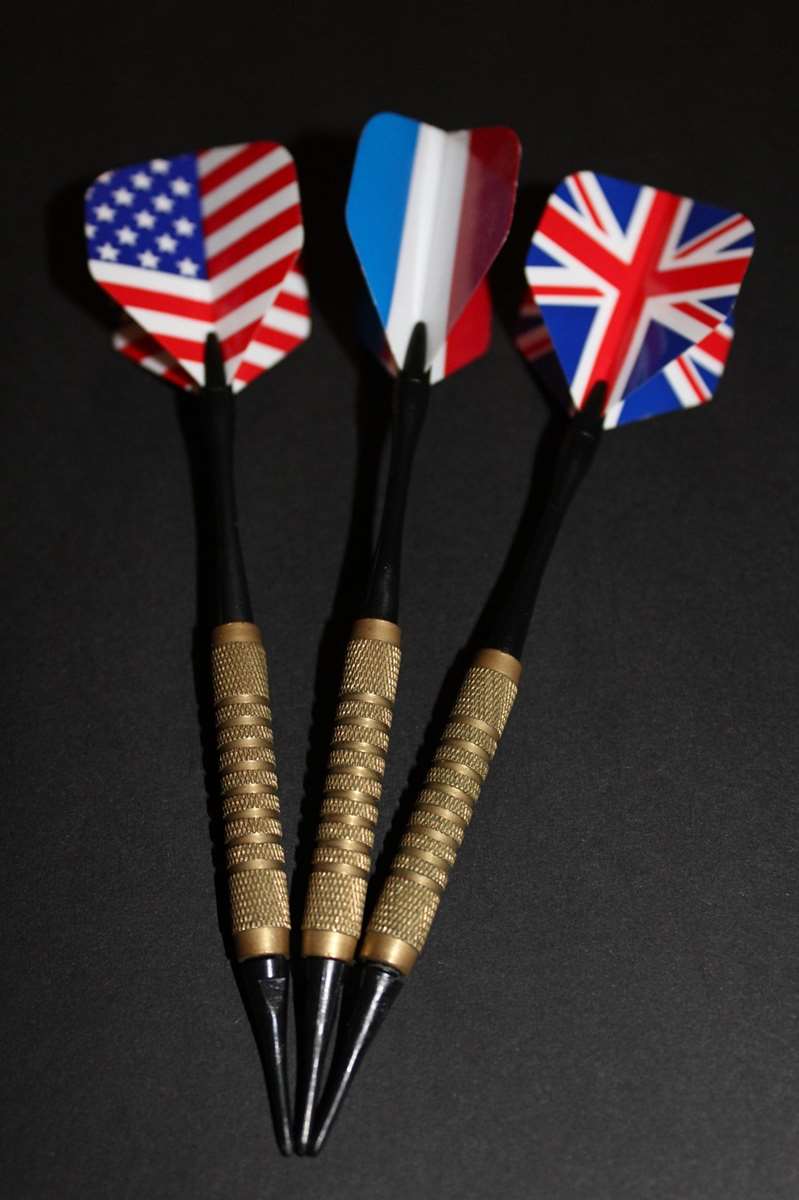
Factors Influencing Your Dart Shaft Choice
Beyond the material, several other factors should influence your decision when choosing between dart shafts aluminium vs plastic. These include:
- Dart Weight: The overall weight of your dart, including the barrel, shaft, and flight, is crucial. Experiment with different shaft weights to find what feels most comfortable and accurate.
- Dart Length: Shaft length affects the dart’s balance and flight path. Shorter shafts tend to fly straighter, while longer shafts offer more stability. You can review available darts shaft sizes to pick the ideal fit for you.
- Flight Shape: The shape of your flights also influences dart stability. Smaller flights require shorter shafts, while larger flights benefit from longer shafts.
- Grip Style: Your grip on the dart can affect the amount of force transferred during the throw. Players with a firmer grip might prefer more durable aluminium shafts.
- Personal Preference: Ultimately, the best dart shaft is the one that feels most comfortable and performs best for you. Experiment with different materials and lengths to find your optimal setup.
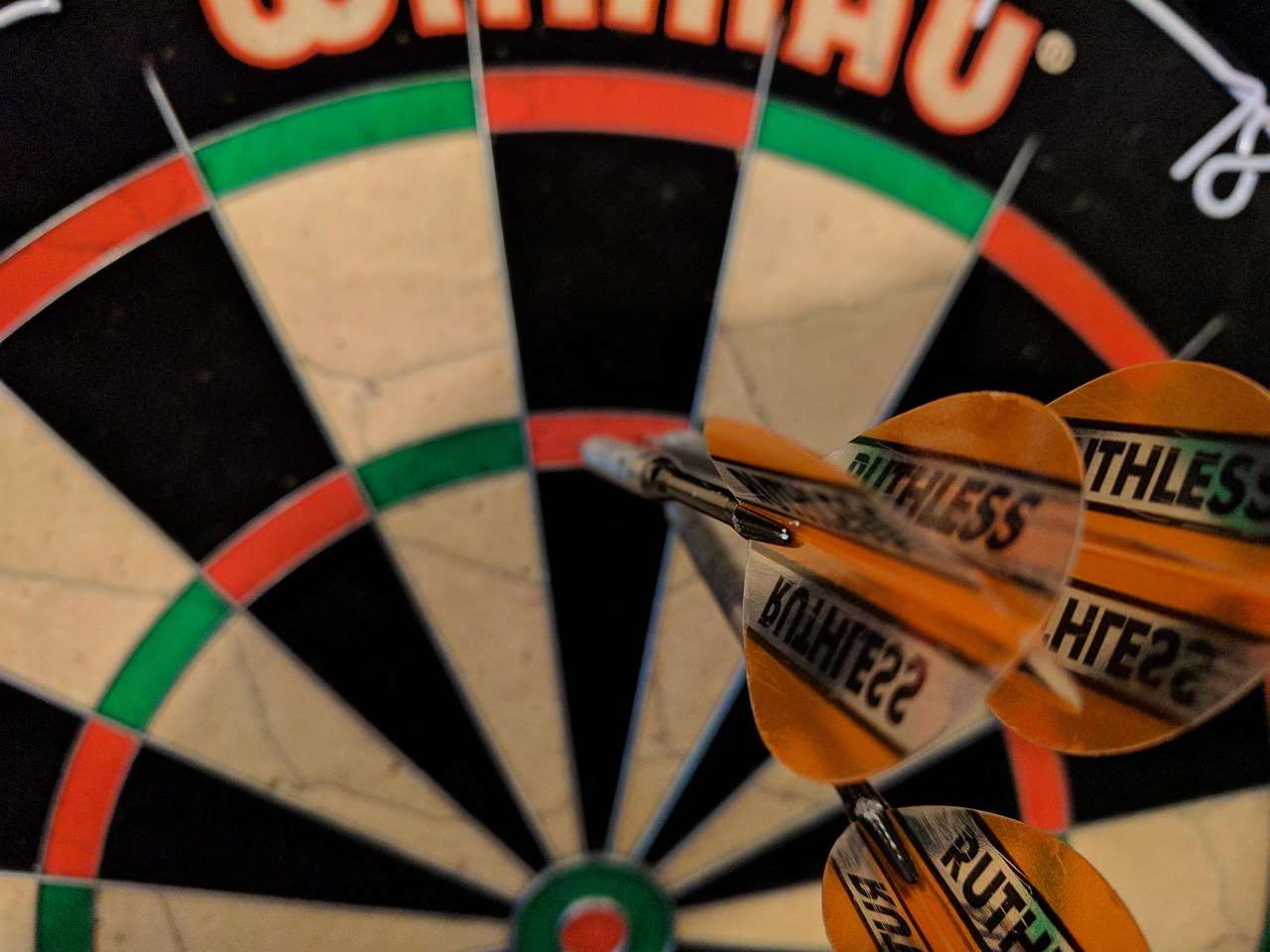
Choosing the Right Length: Short, Medium, or Long?
Regardless of whether you choose aluminium or plastic, dart shaft length is another important consideration. Each length offers different flight characteristics:
- Short Shafts: Promote straighter flights, reduce wobble, and are generally preferred by players with a consistent throwing motion.
- Medium Shafts: Offer a balance between stability and maneuverability, suitable for a wide range of players and throwing styles.
- Long Shafts: Provide more stability, reduce bounce-outs, and are often preferred by players with a less consistent throwing motion.
Experiment with different shaft lengths to see which one produces the most consistent and accurate results for you. Consider your current setup and what you’re trying to achieve. Are you looking for more stability, a straighter flight, or reduced bounce-outs? Adjusting your shaft length can help fine-tune your dart’s performance. You might find more value and enjoyment with Automatic dart scoring app (https://dartcounterapp.com/).
Thread Compatibility and Maintenance
Ensuring thread compatibility between your dart barrel and shaft is essential. Most darts use a standard 2BA thread, but it’s always a good idea to double-check before purchasing. Regular maintenance can also extend the lifespan of your dart shafts:
- Check Threads: Inspect the threads on both your barrels and shafts regularly for damage. Replace any parts with stripped or damaged threads.
- Tighten Connections: Ensure your shafts are securely tightened to the barrels before each game. Loose connections can cause wobble and inconsistent flights.
- Use Shaft Rings: Shaft rings, also known as O-rings, can help prevent shafts from loosening during play.
- Clean Regularly: Wipe down your shafts with a damp cloth to remove dirt and debris. This can help maintain grip and prevent corrosion.
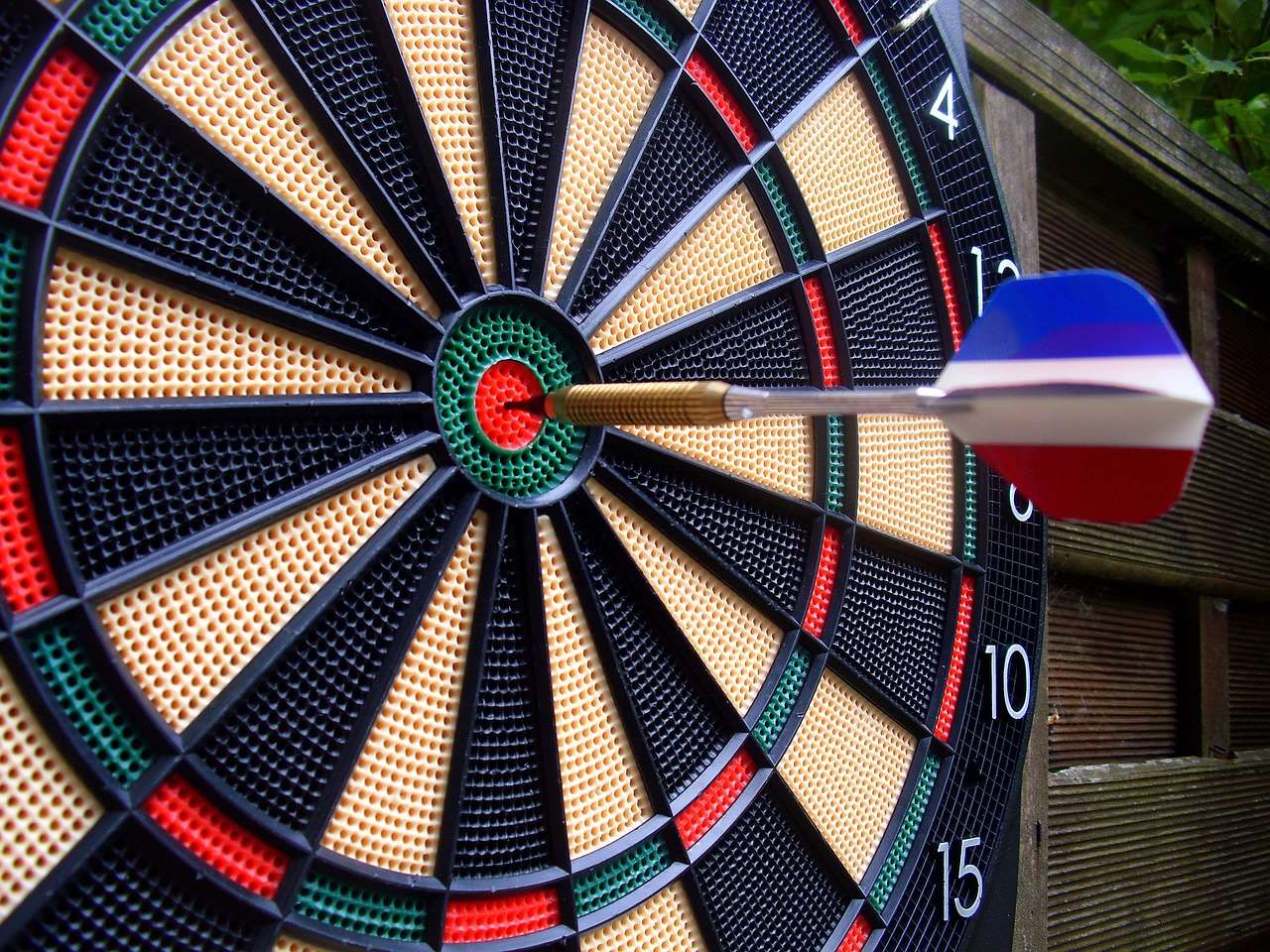
Advanced Considerations: Weight Distribution and Grip Enhancements
For serious players, even subtle differences in weight distribution and grip can impact performance. Here’s a more in-depth look:
- Weight Distribution: As mentioned earlier, aluminium shafts tend to be heavier, shifting the dart’s center of gravity forward. This can benefit players who prefer a more controlled, forceful throw. Lighter plastic shafts can create a more balanced feel, which can be advantageous for players with a smoother, more fluid throwing motion.
- Grip Enhancements: Some aluminium shafts feature knurled or textured surfaces to enhance grip. This can be particularly useful for players who struggle with slippage or who prefer a more tactile feel. Consider your natural grip and whether you need additional texture to maintain control.
- Material Combinations: It’s also possible to experiment with hybrid setups, such as using aluminium shafts with plastic tops or vice versa. This allows you to fine-tune the weight distribution and flight characteristics to your exact preferences.
Ultimately, the best way to determine the ideal setup is through experimentation. Try different combinations of shaft materials, lengths, and weights to see what works best for your individual throwing style.
Pros and Cons: A Quick Recap
To summarize the key differences between dart shafts aluminium vs plastic, here’s a quick recap of the pros and cons:
Aluminium Shafts:
Pros:
- Durable and long-lasting
- Consistent length
- Stronger threads
- Potential for enhanced grip
Cons:
- More expensive
- Can bend or break under extreme stress
- Heavier weight may not suit all players
Plastic Shafts:
Pros:
- Affordable
- Flexible, potentially reducing bounce-outs
- Lighter weight can create a more balanced feel
- Wide variety of colors and styles
Cons:
- Less durable
- More prone to bending and breaking
- Weaker threads
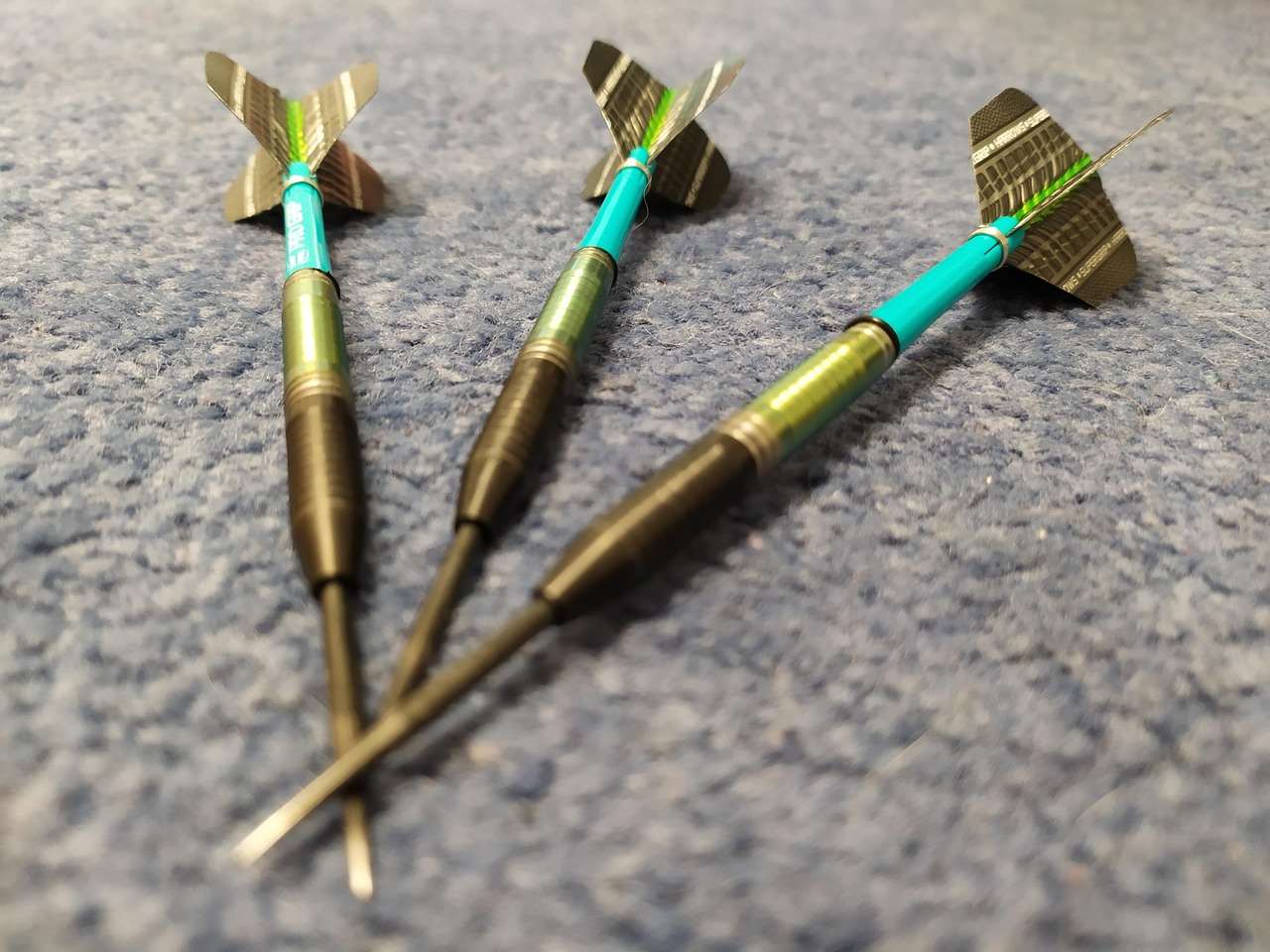
Conclusion: Making the Right Choice for Your Game
The decision of dart shafts aluminium vs plastic hinges on your individual playing style, budget, and preferences. Aluminium shafts offer superior durability and consistency, making them a worthwhile investment for serious players. Plastic shafts provide affordability and flexibility, making them a great option for recreational players and beginners. Experiment with both materials to find what feels most comfortable and improves your accuracy. Consider factors like weight, length, and grip to fine-tune your setup and elevate your game. Find the right dart set soft tip to begin your practice. Now that you have a better understanding of the differences between aluminium and plastic dart shafts, go out there and start experimenting to find the perfect fit for your game. Visit your local dart shop or browse online retailers to explore the wide variety of options available and take your darts game to the next level!

Hi, I’m Dieter, and I created Dartcounter (Dartcounterapp.com). My motivation wasn’t being a darts expert – quite the opposite! When I first started playing, I loved the game but found keeping accurate scores and tracking stats difficult and distracting.
I figured I couldn’t be the only one struggling with this. So, I decided to build a solution: an easy-to-use application that everyone, no matter their experience level, could use to manage scoring effortlessly.
My goal for Dartcounter was simple: let the app handle the numbers – the scoring, the averages, the stats, even checkout suggestions – so players could focus purely on their throw and enjoying the game. It began as a way to solve my own beginner’s problem, and I’m thrilled it has grown into a helpful tool for the wider darts community.