The weight of your dart shafts significantly impacts its trajectory and stability, and finding the optimal weight can dramatically improve your scoring potential. This article delves into how dart shaft weight impact performance, exploring the nuances of different weights and offering guidance for selecting the best shaft for your throwing style.
⚠️ Still Using Pen & Paper (or a Chalkboard)?! ⚠️
Step into the future! The Dart Counter App handles all the scoring, suggests checkouts, and tracks your stats automatically. It's easier than you think!
Try the Smart Dart Counter App FREE!Ready for an upgrade? Click above!
Understanding Dart Shaft Weight Impact Performance
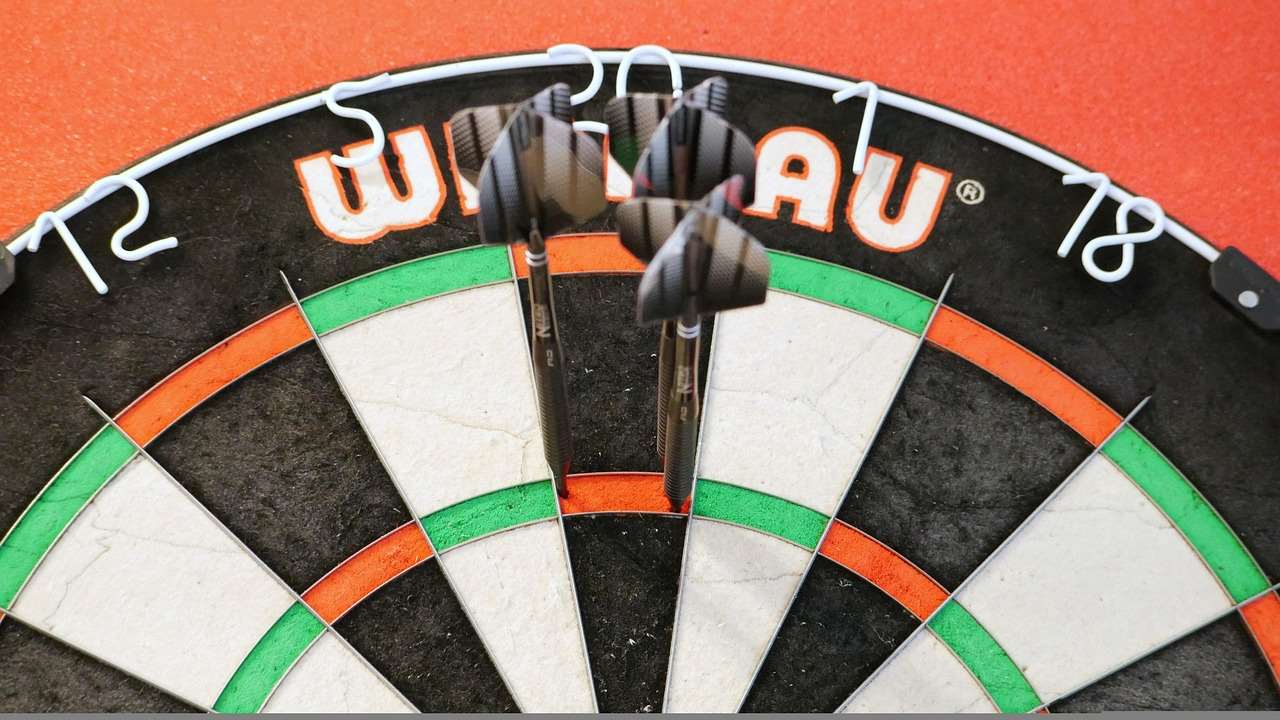
When considering dart shaft weight impact performance, it’s crucial to understand the role the shaft plays in the overall dart assembly. The shaft, in conjunction with the barrel and flight, dictates the dart’s center of gravity and aerodynamic properties. A heavier shaft shifts the balance point towards the rear of the dart, while a lighter shaft does the opposite. This shift can drastically alter how the dart flies and how consistently you can group your throws.
The Basics of Dart Shaft Weight
Dart shafts are available in a range of weights, typically measured in grams. Common weights range from ultra-light (around 0.5 grams) to heavy (around 3 grams). The specific weight you choose should be based on your personal preference and throwing style. Here are some general guidelines:
- Light Shafts: Offer increased speed and a more direct trajectory. They can be beneficial for players who tend to throw with a lot of force.
- Medium Shafts: Provide a balance between speed and stability, suitable for a wide range of throwing styles.
- Heavy Shafts: Offer increased stability and can help correct wobble during flight. They are often preferred by players with a smoother, more deliberate throw.
It’s important to experiment with different weights to find what feels most comfortable and produces the best results for you. Factors such as the weight of your dart barrel and your grip style should also be considered.
How Shaft Weight Affects Dart Trajectory and Stability
The relationship between dart shaft weight and trajectory is fundamental. A heavier shaft tends to create a higher, more arcing trajectory, while a lighter shaft results in a flatter, faster trajectory. This is because a heavier shaft shifts the dart’s center of gravity, affecting its resistance to air and its rotation during flight.

Stability is another key consideration. A dart that wobbles or deviates from its intended path is less likely to land accurately. Heavier shafts can help stabilize the dart in flight, reducing wobble and increasing accuracy, especially for players who struggle with consistency. Conversely, if your dart is already stable, a lighter shaft might offer a more direct and efficient flight path. To help ensure your darts land where you want, it’s worth considering the importance of Optimal Dartboard Lighting Solutions Guide.
Factors Influencing Your Shaft Weight Choice
Several factors should influence your choice of dart shaft weight:
- Barrel Weight: If you use heavy barrels, you might find that lighter shafts provide a better balance. Conversely, lighter barrels might benefit from heavier shafts.
- Throwing Style: Players with a fast, powerful throw might prefer lighter shafts, while those with a slower, more controlled throw might benefit from heavier shafts.
- Grip Style: The way you grip the dart can also affect your shaft weight choice. Players who grip the dart tightly might prefer heavier shafts for added stability.
- Flight Shape and Size: Larger flights create more drag, which can be balanced by using a heavier shaft.
Experimenting with Different Shaft Weights to Optimize Performance
The best way to determine the ideal shaft weight for you is to experiment. Start with a range of different weights and carefully observe how each one affects your throws. Pay attention to the following:
- Trajectory: Is the dart flying too high or too low?
- Stability: Is the dart wobbling or flying straight?
- Grouping: Are your darts landing close together consistently?
- Feel: How does the dart feel in your hand and during your throw?
Keep a record of your results for each weight, noting any patterns or tendencies you observe. This will help you narrow down your options and identify the shaft weight that works best for you.
The Role of Shaft Material in Dart Performance
While weight is a primary factor, the material of your dart shaft also plays a role in its overall performance. Common materials include:
- Nylon/Plastic: Lightweight, inexpensive, and relatively durable. A good starting point for beginners.
- Aluminum: More durable than nylon, offering increased stability. However, they can bend or break more easily than other materials.
- Carbon Fiber: Extremely durable and lightweight, providing excellent stability and resistance to bending. Often a premium option.
- Rotating Shafts: These specialized shafts are designed to rotate upon impact with the dartboard or another dart, reducing deflections and bounce-outs. This can improve your scoring consistency.
The material you choose will affect the shaft’s weight, durability, and vibration dampening properties. Aluminum and carbon fiber shafts tend to offer better vibration dampening, reducing the “sting” that can sometimes occur when a dart hits the board. A good setup requires you to Choose Best Dart Equipment.
Advanced Tips for Fine-Tuning Your Dart Setup
Once you’ve found a shaft weight that feels comfortable, you can further fine-tune your setup by adjusting other variables. Consider the following:
- Shaft Length: Shorter shafts tend to increase speed and reduce wobble, while longer shafts offer more stability.
- Flight Shape and Size: Different flight shapes and sizes affect the dart’s aerodynamics and stability. Experiment with different combinations to find what works best with your chosen shaft weight.
- Barrel Grip: The type of grip on your barrel can also influence your shaft weight choice. A more aggressive grip might require a heavier shaft for added control.
Remember that there is no one-size-fits-all solution. The ideal dart setup is highly personal and depends on your individual throwing style and preferences. Don’t be afraid to experiment and make adjustments until you find the combination that maximizes your performance. Ensuring you are making the correct adjustments is important to How To Light Your Dartboard.
Analyzing Your Throw and Adjusting Accordingly
One of the most effective ways to optimize your dart setup is to analyze your throw. Record yourself throwing darts and carefully observe your technique. Pay attention to the following:
- Release Point: Are you releasing the dart consistently at the same point in your throw?
- Follow-Through: Are you following through smoothly and consistently?
- Grip Pressure: Are you gripping the dart too tightly or too loosely?
- Body Posture: Is your body stable and balanced during your throw?
Identifying any inconsistencies or flaws in your technique can help you make targeted adjustments to your dart setup. For example, if you notice that you’re releasing the dart inconsistently, you might benefit from a heavier shaft for added stability. Understanding the importance of Best Dartboard Lighting Systems is critical for analysing your technique.
Dart Shaft Weight Impact Performance: Case Studies
Let’s examine a couple of hypothetical case studies to illustrate the dart shaft weight impact performance in real-world scenarios:
Case Study 1: The Aggressive Thrower
Sarah is a relatively new dart player with an aggressive, fast throwing style. She was initially using medium-weight shafts (1.5 grams), but her darts were consistently flying too high and landing above the target. After experimenting with lighter shafts (0.75 grams), she found that her darts flew much straighter and her accuracy improved significantly. The lighter shafts allowed her to harness her natural speed and power, resulting in a more controlled and consistent throw.
Case Study 2: The Deliberate Player
Mark is an experienced dart player with a deliberate, controlled throwing style. He was previously using lightweight shafts (1 gram), but his darts were wobbling during flight and his grouping was inconsistent. After switching to heavier shafts (2.5 grams), he noticed a significant improvement in stability and accuracy. The heavier shafts helped to smooth out his throw and reduce wobble, resulting in tighter groupings and higher scores.
These case studies demonstrate that the optimal shaft weight is highly dependent on individual throwing style and preferences. There is no single “best” weight, and experimentation is key to finding what works best for you.
Conclusion: Finding Your Optimal Dart Shaft Weight for Enhanced Performance
Ultimately, understanding dart shaft weight impact performance is a crucial aspect of optimizing your dart game. By experimenting with different weights, materials, and lengths, and by analyzing your own throwing style, you can fine-tune your setup and unlock your full potential. Remember to consider the barrel weight, flight characteristics, and your grip style when making your decision. The key takeaway is that experimentation and personal preference are paramount. Invest the time to test various options and you’ll undoubtedly discover the perfect dart shaft weight that elevates your game. Now, take the knowledge you’ve gained and experiment with different dart shaft weights to improve your accuracy and consistency on the dartboard!

Hi, I’m Dieter, and I created Dartcounter (Dartcounterapp.com). My motivation wasn’t being a darts expert – quite the opposite! When I first started playing, I loved the game but found keeping accurate scores and tracking stats difficult and distracting.
I figured I couldn’t be the only one struggling with this. So, I decided to build a solution: an easy-to-use application that everyone, no matter their experience level, could use to manage scoring effortlessly.
My goal for Dartcounter was simple: let the app handle the numbers – the scoring, the averages, the stats, even checkout suggestions – so players could focus purely on their throw and enjoying the game. It began as a way to solve my own beginner’s problem, and I’m thrilled it has grown into a helpful tool for the wider darts community.