Tired of your darts bouncing out of the board? The key to Dart Points For Less Bounce Outs lies in selecting the right point type, maintaining them properly, and understanding how they interact with your dartboard. In this article, we’ll explore everything you need to know to significantly reduce those frustrating bounce outs.
⚠️ Still Using Pen & Paper (or a Chalkboard)?! ⚠️
Step into the future! The Dart Counter App handles all the scoring, suggests checkouts, and tracks your stats automatically. It's easier than you think!
Try the Smart Dart Counter App FREE!Ready for an upgrade? Click above!
Understanding Dart Points and Bounce Outs
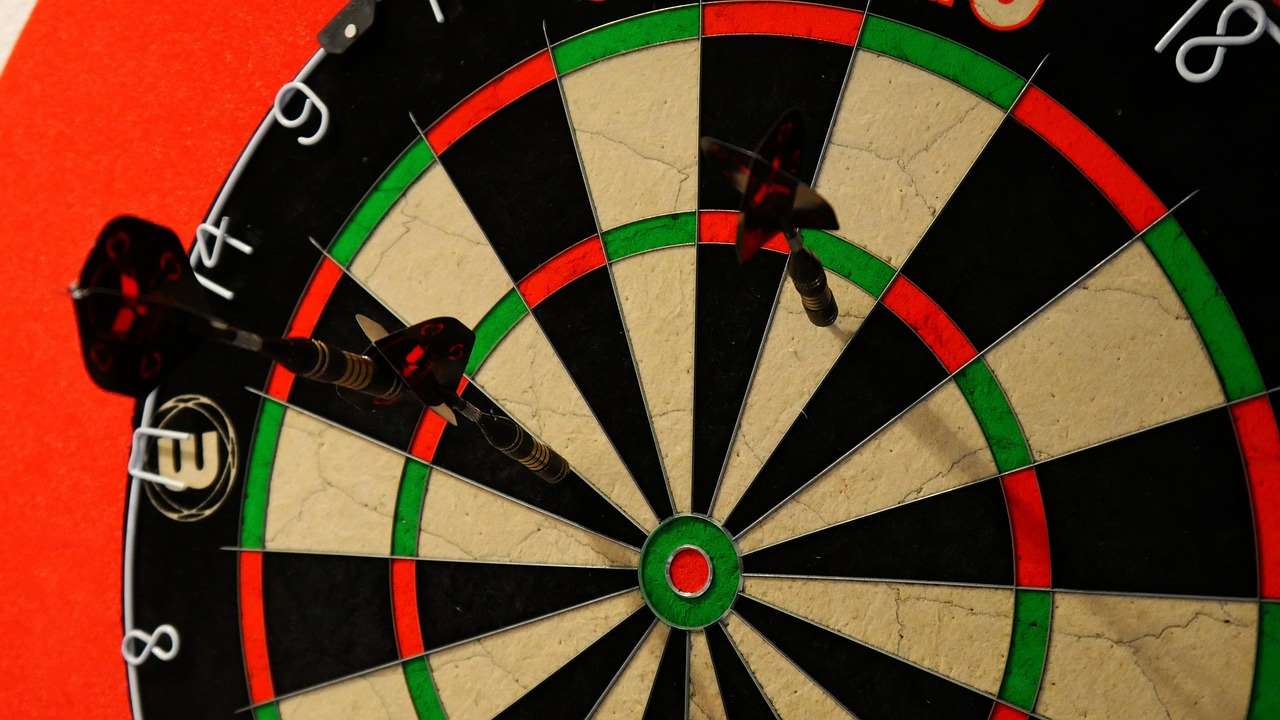
Bounce outs are a common frustration for dart players of all skill levels. While perfect throws are ideal, even the best players experience occasional wayward darts. The interaction between your dart points and the dartboard plays a crucial role in determining whether a dart sticks or bounces. Understanding the different types of dart points and their impact on bounce outs is the first step to improving your game. You can Choose Best Dart Equipment that will minimize this issue.
The Role of Grip and Surface Finish
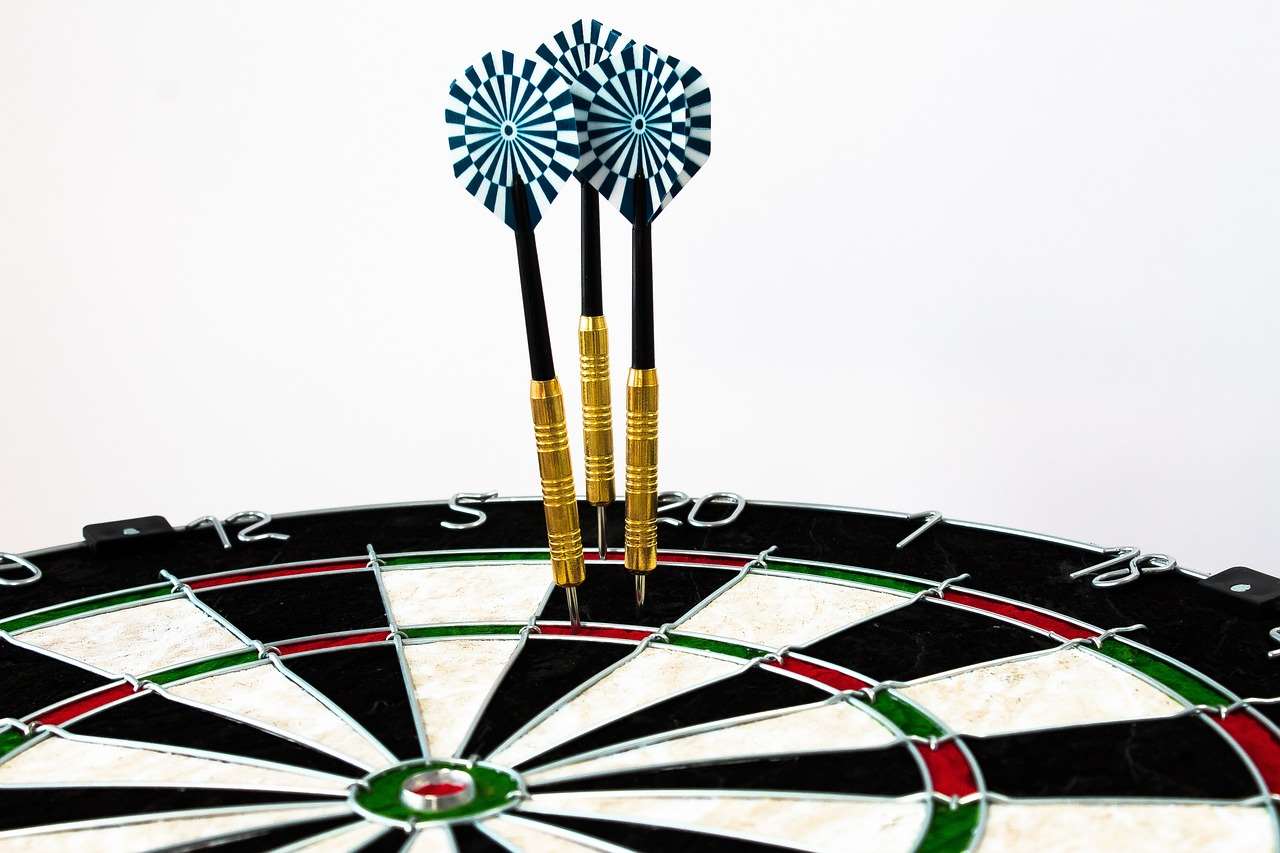
The grip and surface finish of your dart points directly affect how well they penetrate the dartboard’s sisal fibers. A point with a good grip will catch the fibers more effectively, reducing the likelihood of the dart being deflected. Conversely, a smooth or worn-down point will be more prone to sliding off the surface, leading to those dreaded bounce outs. Consider the material and finish of your dart points when selecting the right type for your playing style and dartboard.
Types of Dart Points For Less Bounce Outs
Different types of dart points are designed with varying levels of grip and penetration in mind. Some are specifically engineered to reduce bounce outs. Here’s a breakdown of common point types and their advantages:
- Standard Points: These are the most common type, typically featuring a smooth or slightly textured surface. They are a good all-around option but may not be the best for minimizing bounce outs, especially if the board is heavily used.
- Grooved Points: Grooved points feature small grooves along their length, providing extra grip and increasing the chances of the point catching on the sisal fibers. These are a popular choice for players seeking Dart Points For Less Bounce Outs.
- Knurled Points: Knurled points have a rough, textured surface created by a series of small indentations. This texture offers excellent grip, making them very effective at reducing bounce outs.
- Sandblasted Points: Sandblasted points have a matte finish achieved through sandblasting, which creates a slightly abrasive surface. This finish provides a good balance of grip and durability.
- Conversion Points: These are typically used to convert soft-tip darts to steel-tip darts. They often have unique designs and may not be optimized for reducing bounce outs on traditional sisal dartboards.
When deciding between Budget vs Premium Darts Compared, remember that the quality of the points is an important factor.
Maintaining Your Dart Points to Reduce Bounce Outs
Even the best dart points will lose their effectiveness over time if not properly maintained. Regular maintenance can significantly extend the life of your points and help prevent bounce outs. Here are some essential maintenance tips:
Sharpening Your Dart Points
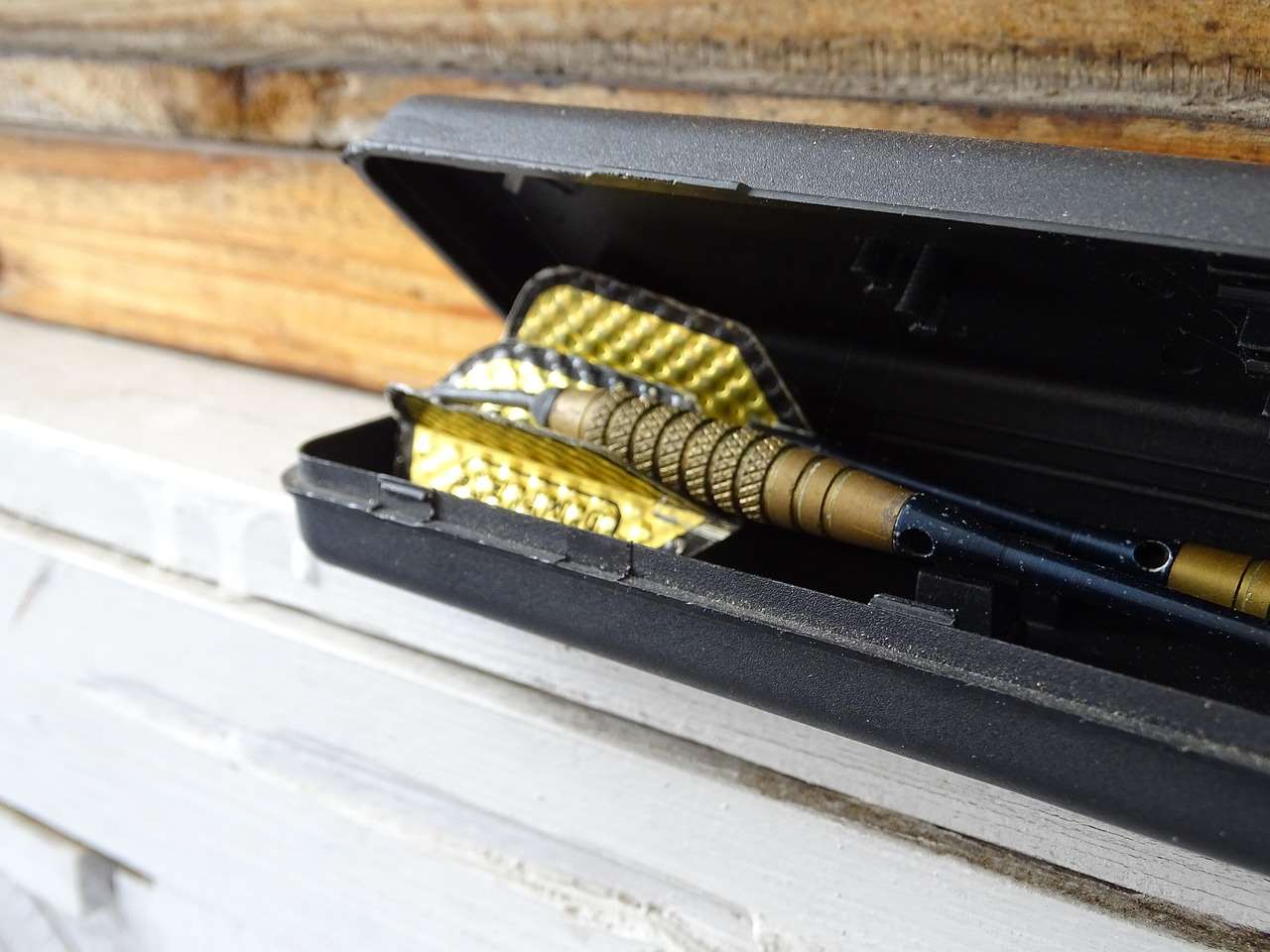
Over time, the tips of your dart points can become dull or burred. This can make it harder for them to penetrate the dartboard, increasing the risk of bounce outs. Sharpening your points regularly with a dart point sharpener will help maintain their sharpness and ensure optimal grip. Be careful not to over-sharpen, as excessively sharp points can damage the dartboard.
- Use a dedicated dart point sharpener.
- Sharpen points gently in a circular motion.
- Avoid over-sharpening.
- Check point sharpness regularly.
Cleaning Your Dart Points
Dirt, dust, and debris can accumulate on your dart points, reducing their grip and increasing the likelihood of bounce outs. Cleaning your points regularly with a soft cloth or brush will help remove these contaminants and keep them in good condition. For stubborn dirt, you can use a mild detergent and water, but be sure to dry the points thoroughly afterward.
Using a Dart Point Conditioner
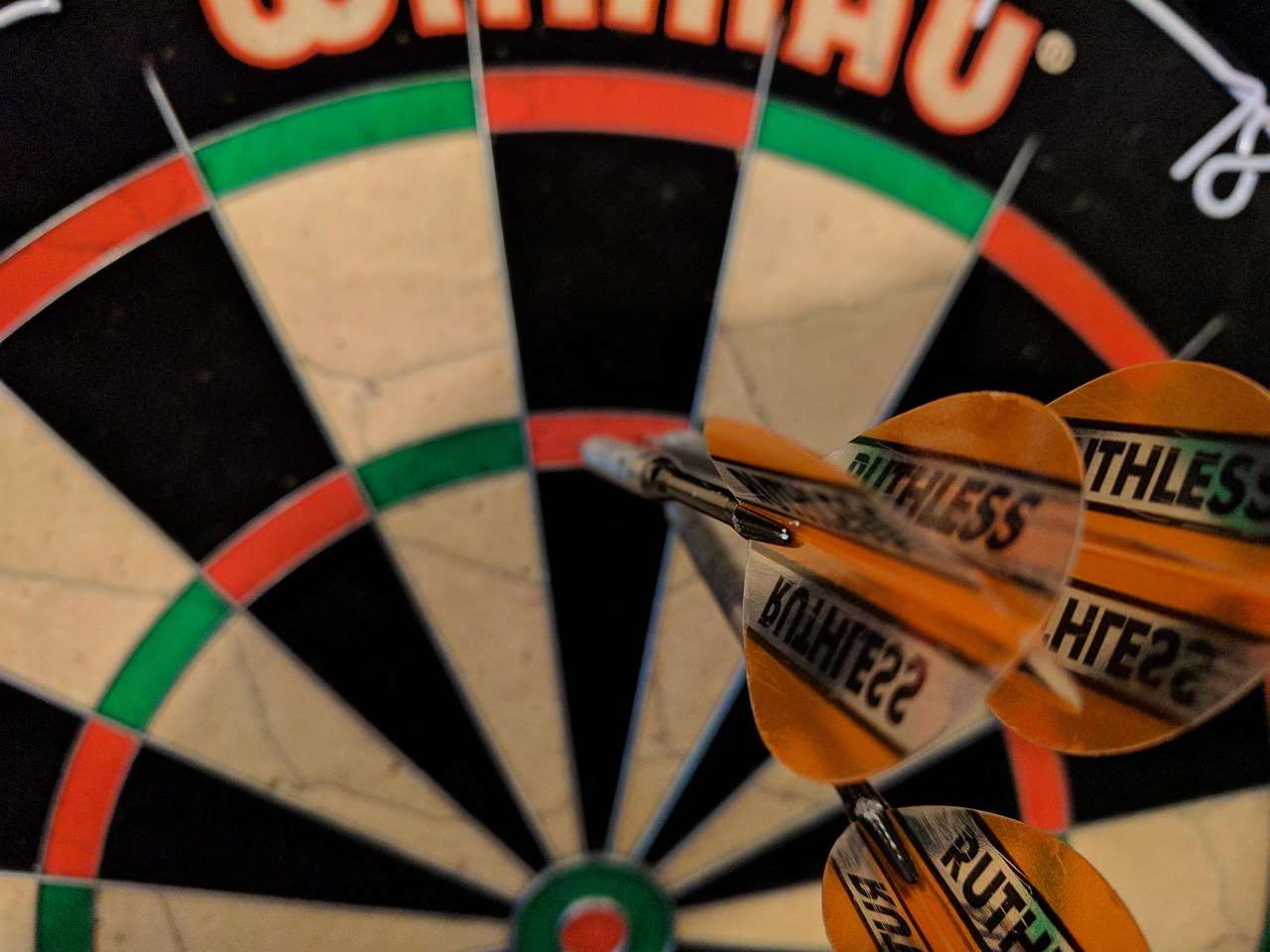
Dart point conditioners are specially formulated to clean, protect, and lubricate your dart points. These products can help maintain the sharpness of your points, reduce friction, and prevent rust. Applying a dart point conditioner regularly can help extend the life of your points and improve their performance.
Factors Beyond Dart Points Affecting Bounce Outs
While selecting and maintaining the right dart points is crucial, other factors can also contribute to bounce outs. Addressing these factors can further minimize the occurrence of bounce outs and improve your overall dart game. You may find some ideas about points in this article discussing Best Budget Darts For Beginners.
Dartboard Condition and Maintenance
The condition of your dartboard plays a significant role in determining whether darts stick or bounce. A heavily used or poorly maintained dartboard will have worn-out sisal fibers, making it harder for darts to penetrate and increasing the risk of bounce outs. Rotate your dartboard regularly to distribute wear evenly. Moisture is also a big enemy. A damp board will expand and will cause darts to bounce out. Consider replacing your dartboard when it becomes excessively worn.
Throwing Technique
Your throwing technique can also contribute to bounce outs. Throwing darts with too much force or at an incorrect angle can increase the likelihood of them being deflected off the dartboard. Focus on developing a smooth, controlled throwing motion and aiming for the center of the target. Experiment with different grip and stance variations to find what works best for you. If you’re wondering Are Premium Darts Worth It, keep in mind that technique is very important.
Dart Weight and Balance
The weight and balance of your darts can also affect their flight and impact on the dartboard. Darts that are too light or too heavy may be more prone to wobbling or deflecting upon impact. Experiment with different dart weights and balance points to find what suits your throwing style. Typically, a dart in the 22-24 gram range will be fine for most players.
Dart Shafts and Flights
The dart shaft and flights play a role in the aerodynamics of the dart. The wrong shaft and flight combination will cause erratic behavior. Make sure that the flights and shafts are a good match for your barrels, style, and weight. Test different setups to see what works best.
Advanced Strategies for Reducing Bounce Outs
Beyond the basics of point selection and maintenance, some advanced strategies can further help you minimize bounce outs and improve your dart game.
Using Dartboard Surrounds
Dartboard surrounds are padded rings that surround the dartboard, protecting the surrounding wall from stray darts. While their primary purpose is to protect your walls, they can also indirectly help reduce bounce outs by providing a softer surface for darts to ricochet off of, potentially preventing them from bouncing back onto the floor.
Adjusting Dartboard Height and Distance
Ensuring that your dartboard is hung at the correct height and that you are throwing from the correct distance is essential for accurate throwing. If the dartboard is too high or too low, or if you are throwing from too far away or too close, you may be more likely to throw darts at an incorrect angle, increasing the risk of bounce outs.
Experimenting with Different Dart Setups
Don’t be afraid to experiment with different dart setups, including different points, shafts, flights, and weights, to find what works best for you. Each player has a unique throwing style, and what works for one player may not work for another. By trying different setups, you can fine-tune your darts to optimize their performance and reduce bounce outs. Be prepared to also do some research on What Makes Darts Premium Quality.
Conclusion
Reducing bounce outs is crucial for improving your dart game and minimizing frustration. By selecting the right dart points, maintaining them properly, and addressing other factors that can contribute to bounce outs, you can significantly reduce the occurrence of these frustrating events. Remember to consider the type of dart points you use, keep them sharp and clean, and ensure your dartboard is in good condition. Practice your technique and experiment with different dart setups to find what works best for you. With the right approach, you can minimize bounce outs and enjoy a more rewarding dart-playing experience. Check out our other articles to Choose Best Dart Equipment for your game!

Hi, I’m Dieter, and I created Dartcounter (Dartcounterapp.com). My motivation wasn’t being a darts expert – quite the opposite! When I first started playing, I loved the game but found keeping accurate scores and tracking stats difficult and distracting.
I figured I couldn’t be the only one struggling with this. So, I decided to build a solution: an easy-to-use application that everyone, no matter their experience level, could use to manage scoring effortlessly.
My goal for Dartcounter was simple: let the app handle the numbers – the scoring, the averages, the stats, even checkout suggestions – so players could focus purely on their throw and enjoying the game. It began as a way to solve my own beginner’s problem, and I’m thrilled it has grown into a helpful tool for the wider darts community.