Choosing the right **dart point weight** can significantly impact your game, affecting everything from dart trajectory to board penetration. This **Dart Point Weight Guide** breaks down the different weight options, helping you understand how they influence your performance. We’ll cover the factors to consider, common weight ranges, and tips for finding the perfect point weight for your throwing style.
⚠️ Still Using Pen & Paper (or a Chalkboard)?! ⚠️
Step into the future! The Dart Counter App handles all the scoring, suggests checkouts, and tracks your stats automatically. It's easier than you think!
Try the Smart Dart Counter App FREE!Ready for an upgrade? Click above!
Understanding Dart Point Weight and Its Impact
The weight of your dart point, though often overlooked, is a crucial element in the overall balance and feel of your dart. It affects how the dart flies through the air, how it sticks in the board, and ultimately, your accuracy. A point that’s too light might cause the dart to wobble or bounce out, while a point that’s too heavy can make the dart drop too quickly. Finding the sweet spot is key to consistent and accurate throws.
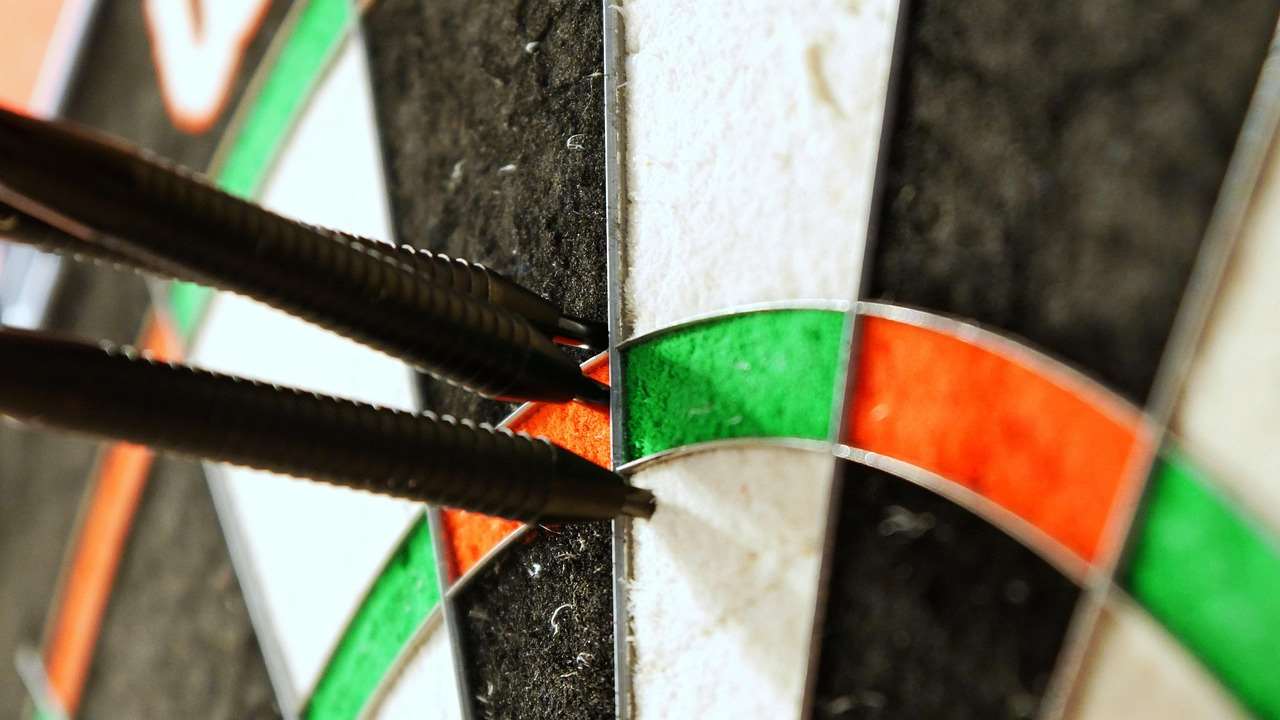
Furthermore, the point weight interacts with the weight of the dart barrel and the shaft and flights. It’s all about creating a balanced system that feels comfortable and allows you to repeat your throwing motion consistently. Experimentation is crucial; what works for one player may not work for another. Don’t be afraid to try different point weights to see what improves your game.
The Role of Balance in Dart Performance
Balance is everything in darts. A well-balanced dart will fly straighter and more predictably. The point weight contributes significantly to this balance. A heavier point shifts the center of gravity forward, which can lead to a more stable flight. Conversely, a lighter point shifts the balance towards the rear, which might suit players with a different throwing style. It is important to Choose Best Dart Equipment and to experiment with different setups.
Exploring Common Dart Point Weight Ranges
Dart points typically come in a range of weights, usually measured in grams. The most common weights are:
- Standard Points (20-25 grams): These are the most widely used and are a good starting point for beginners.
- Heavy Points (26-30 grams): These points shift the balance forward, potentially improving stability.
- Light Points (18-20 grams): These points can be useful for players who prefer a lighter feel or a rear-weighted dart.
Within these broad categories, there can be subtle variations. Some manufacturers offer points in increments of 0.1 or 0.5 grams, allowing for fine-tuning. These smaller adjustments can make a surprisingly noticeable difference in how the dart feels and flies.
When considering the **dart point weight**, remember to factor in the total weight of your dart. Most darts are sold with the total weight clearly marked (e.g., 22 grams, 24 grams, etc.). The point weight contributes to this total, so if you change the point, you’re effectively changing the overall weight of the dart.

Factors to Consider When Choosing Your Dart Point Weight
Several factors can influence your ideal dart point weight. Here are some key considerations:
- Your Throwing Style: Are you a smooth, deliberate thrower, or do you have a more forceful, wrist-flicking style? A heavier point might suit a smoother throw, while a lighter point could work better for a flicking motion.
- Your Dart Barrel Weight: The barrel weight and point weight should complement each other. If you have a heavy barrel, a lighter point might help balance it out. Conversely, a light barrel might benefit from a heavier point.
- Your Board Type: Softer boards may require slightly heavier points for good penetration, while harder boards might be fine with lighter points.
- Your Personal Preference: Ultimately, the best point weight is the one that feels most comfortable and allows you to throw consistently. Don’t be afraid to experiment and trust your instincts.
Consider the weight of the entire dart when changing points. For instance, consider whether you are trying to find the Best Budget Darts For Beginners or if you already have quality equipment.
Experimentation is Key to Finding the Right Weight
There’s no substitute for experimentation. Try different point weights and see how they affect your throw, your accuracy, and your overall comfort level. Keep a record of your results so you can track what works best for you.
Many dart shops or online retailers sell point sets with a range of weights, allowing you to try out different options without having to buy multiple sets of points. This is a great way to find your ideal weight without breaking the bank.
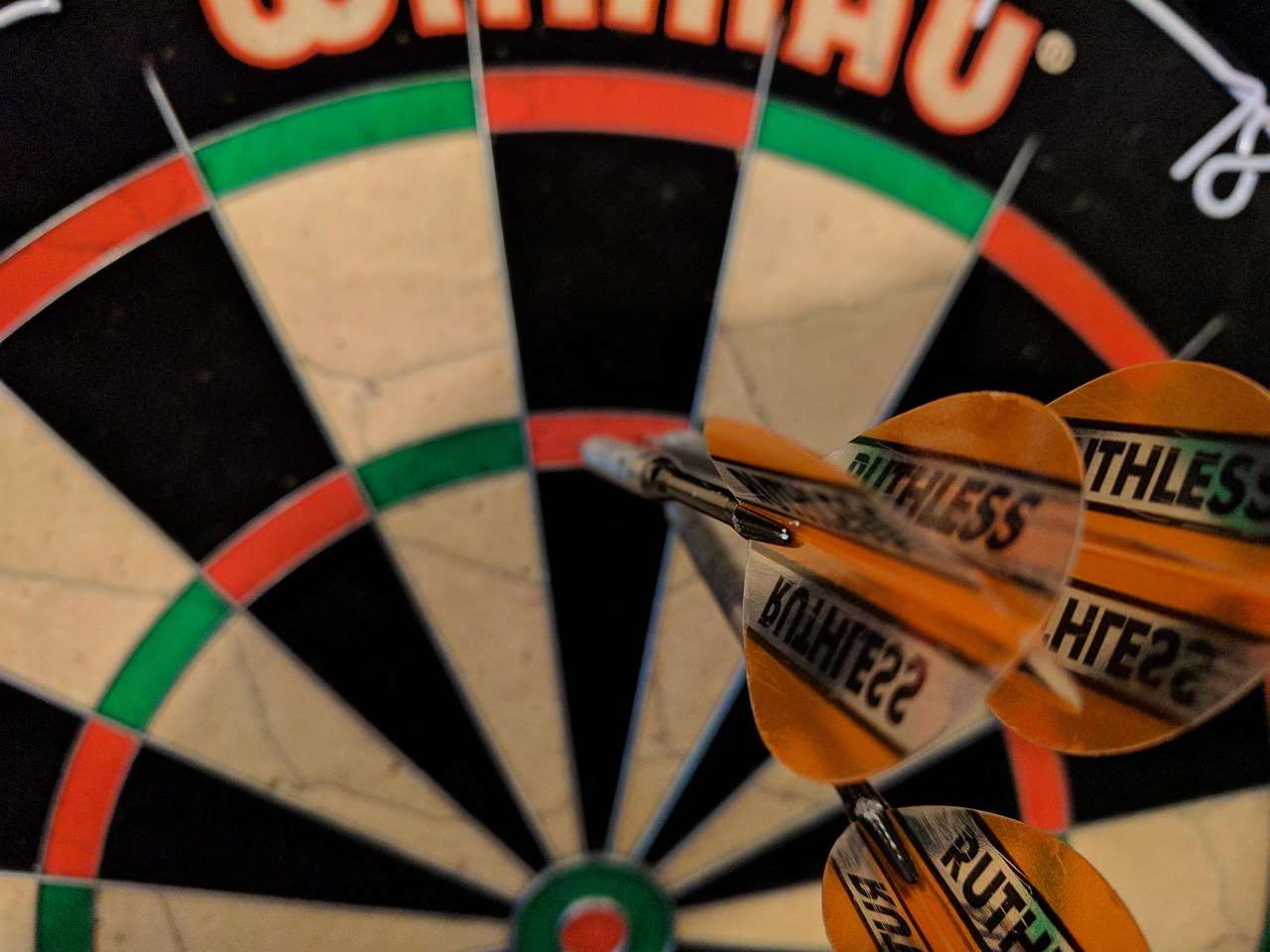
Tips for Fine-Tuning Your Dart Setup
Once you’ve found a point weight that feels promising, you can start fine-tuning your setup to optimize your performance. Here are some tips:
- Experiment with Shaft Length: The length of your shaft can also affect the balance and flight of your dart. Shorter shafts can make the dart fly faster and straighter, while longer shafts can provide more stability.
- Try Different Flight Shapes: Flights come in various shapes and sizes, each affecting the dart’s aerodynamics. Larger flights provide more lift and stability, while smaller flights offer less resistance.
- Adjust Your Grip: Even a subtle change in your grip can influence the way the dart flies. Experiment with different grip positions and pressures to see what works best for you.
- Practice Regularly: The more you practice, the better you’ll become at throwing consistently, regardless of your dart setup.
Remember that small adjustments can make a big difference. Don’t be afraid to tweak your setup until you find the perfect combination that works for you. Furthermore, you may be curious about understanding the Difference Budget Premium Darts can make, and why players invest in them.
Replacing Your Dart Points
Dart points can wear down over time, becoming dull or bent. This can affect their ability to stick in the board and can lead to bounce-outs. Replacing your points is a relatively simple process that can significantly improve your game.
You’ll need a dart point removal tool to safely remove the old points without damaging the dart barrel. There are several types of removal tools available, including specialized pullers and vise-grip style tools.
Once the old points are removed, you can install the new points. Some points are designed to be pressed in by hand, while others require a point press. Follow the manufacturer’s instructions carefully to avoid damaging the points or the barrel.
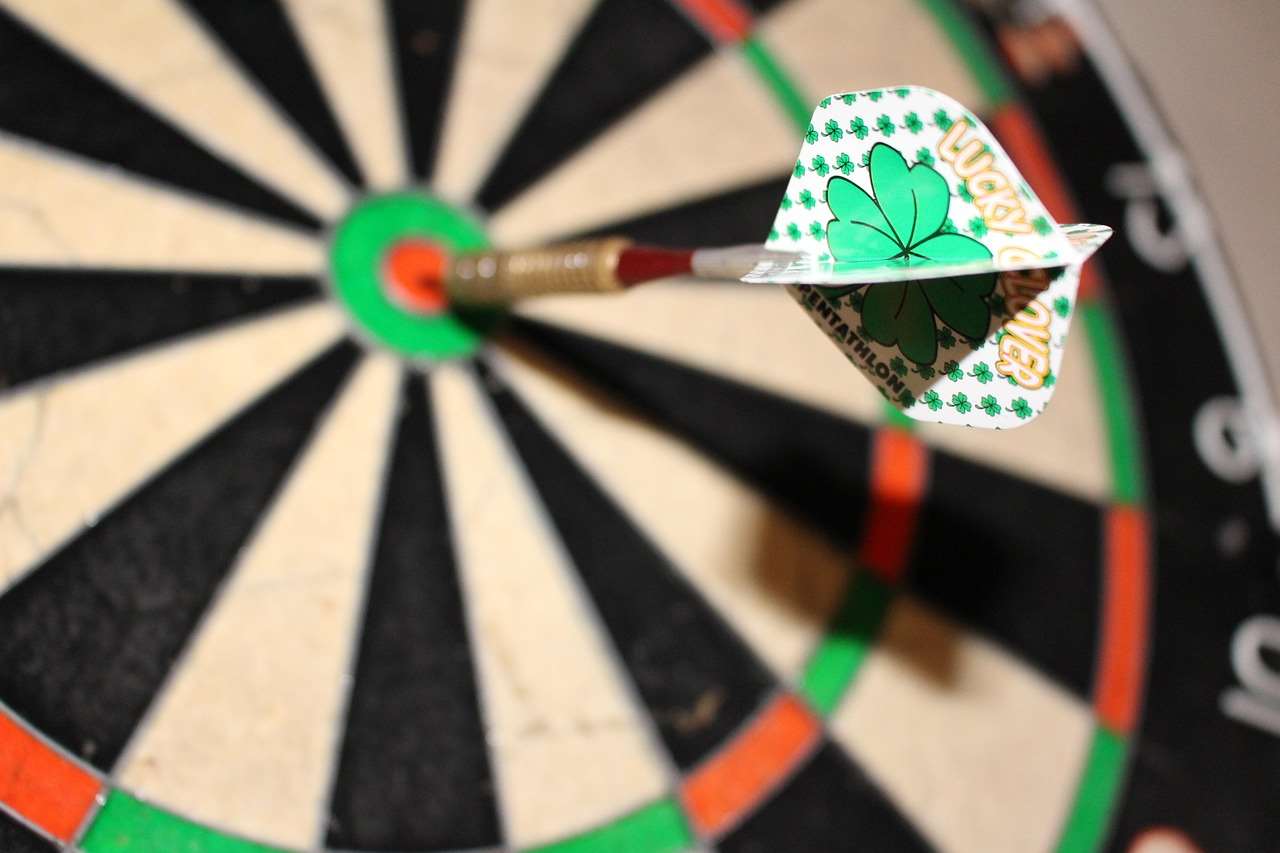
Regularly inspect your points for wear and tear and replace them as needed. A fresh set of points can make a world of difference in your consistency and accuracy.
Beyond Weight: Point Material and Grip Considerations
While weight is a primary factor, the material and grip of your dart points also contribute to performance. Points come in steel, coated steel, and even titanium, each offering slightly different levels of grip and durability. Knurled or grooved points provide enhanced grip, reducing slippage during release.
A grippier point can be advantageous for players who prefer a more controlled release, while a smoother point might suit those who prefer a cleaner release. The material also impacts durability; titanium points are renowned for their longevity, though they come at a higher price point.
Choosing the Right Length of Dart Point
Dart point length, like weight, is a critical, yet often overlooked aspect of dart customization. Point length is generally measured from the tip of the point to the base where it meets the dart barrel. Typical lengths range from around 25mm to 41mm.
Shorter points (around 25-30mm) offer a more direct transfer of force and can be helpful for players who want a more responsive feel. They also reduce the chance of obstruction from neighboring darts already in the board. Longer points (35-41mm), on the other hand, increase the target area and provide more purchase in the dartboard, which can reduce bounce-outs, especially on older, harder boards. Also, if you’re wondering Are Premium Darts Worth It, this is yet another detail to consider.
Conclusion: Finding Your Perfect Dart Point Weight
Finding the ideal **dart point weight** is a journey of experimentation and personal preference. By understanding the factors that influence your throw and the impact of different weight ranges, you can make informed decisions and fine-tune your setup for optimal performance. Don’t be afraid to try different options and trust your instincts. Regular practice and a willingness to experiment will ultimately lead you to the perfect point weight for your game. Now, take this **Dart Point Weight Guide** and experiment with different set-ups, you will find the right fit for you!

Hi, I’m Dieter, and I created Dartcounter (Dartcounterapp.com). My motivation wasn’t being a darts expert – quite the opposite! When I first started playing, I loved the game but found keeping accurate scores and tracking stats difficult and distracting.
I figured I couldn’t be the only one struggling with this. So, I decided to build a solution: an easy-to-use application that everyone, no matter their experience level, could use to manage scoring effortlessly.
My goal for Dartcounter was simple: let the app handle the numbers – the scoring, the averages, the stats, even checkout suggestions – so players could focus purely on their throw and enjoying the game. It began as a way to solve my own beginner’s problem, and I’m thrilled it has grown into a helpful tool for the wider darts community.