Recognizing dart point wear signs to look for is crucial for maintaining accuracy and preventing damage to your dartboard; dull or damaged points lead to bounce-outs and excessive board wear. This article will guide you through identifying these signs, understanding the causes, and implementing strategies to keep your dart points in top condition, extending both their lifespan and the life of your dartboard. We’ll also discuss dart point maintenance tips and the best dart point sharpening tools.
⚠️ Still Using Pen & Paper (or a Chalkboard)?! ⚠️
Step into the future! The Dart Counter App handles all the scoring, suggests checkouts, and tracks your stats automatically. It's easier than you think!
Try the Smart Dart Counter App FREE!Ready for an upgrade? Click above!
Understanding Dart Point Wear Signs To Look For
The condition of your dart points significantly impacts your game. A sharp, well-maintained point penetrates the dartboard cleanly, minimizing bounce-outs and maximizing your scoring potential. Conversely, worn or damaged dart points can lead to frustration and damage your dartboard. Here’s what to look for:
- Dull Points: The most obvious sign. A sharp point will easily grip a fingernail when lightly dragged across it. A dull point will slide.
- Burrs and Hooks: Microscopic imperfections that catch on the dartboard fibers, causing damage and leading to weaker throws.
- Bent Points: Obvious visual deformation. Bent points cause inconsistent flight and greatly increase bounce-outs.
- Rough Surfaces: A point that feels gritty or uneven can damage the dartboard’s sisal fibers.
- Rust or Corrosion: Affects grip and penetration. Often overlooked, but can significantly affect performance.
Ignoring these dart point wear signs to look for can lead to: increased bounce-outs, damage to your dartboard, and inconsistent dart flights. Regular inspection is key to preserving your equipment and improving your game.
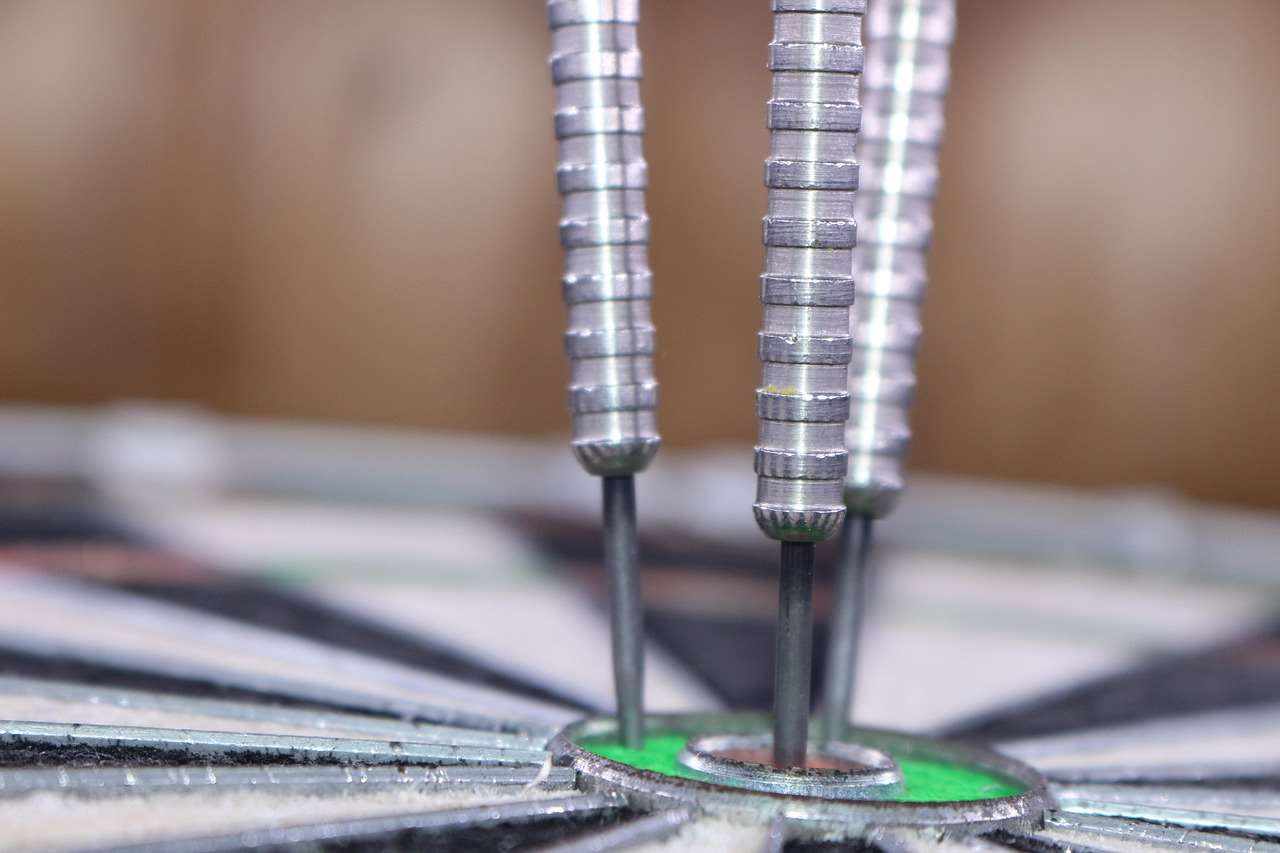
Causes of Dart Point Wear and Damage
Several factors contribute to the degradation of dart points. Understanding these causes can help you minimize wear and extend the life of your points:
- Repeated Impact: Constant contact with the dartboard naturally wears down the point over time.
- Hard Surfaces: Throwing at hard surfaces like walls or floors when a dart misses the board can cause significant damage.
- Dartboard Material: Lower-quality or overly dense dartboards can accelerate point wear.
- Incorrect Sharpening: Using the wrong tools or techniques can damage the point instead of sharpening it.
- Storage Conditions: Humidity and temperature fluctuations can lead to rust or corrosion.
Proper dart care and a good playing environment are essential for preventing premature dart point wear. Consider using a dartboard surround to protect your walls and flooring from stray darts.
The Impact of Point Condition on Gameplay
The condition of your dart points has a profound effect on your performance and the longevity of your dartboard. Here’s a breakdown of the impact:
- Bounce-outs: Dull or damaged points are more likely to glance off the board, resulting in missed scores and frustration.
- Dartboard Damage: Burrs and rough points tear the sisal fibers, reducing the board’s lifespan and creating unsightly holes. You may need to find a Choose Best Dart Equipment .
- Inconsistent Flights: Bent points disrupt the dart’s trajectory, leading to erratic throws and decreased accuracy.
- Reduced Scoring Potential: All of the above factors contribute to lower scores and a less enjoyable playing experience.
Investing in regular dart point maintenance is an investment in your game. Sharpening, cleaning, and storing your darts properly will pay off in improved performance and extended equipment life. You might even consider using Optimal Dartboard Lighting Solutions Guide to ensure you can clearly see the target and prevent accidental damage.
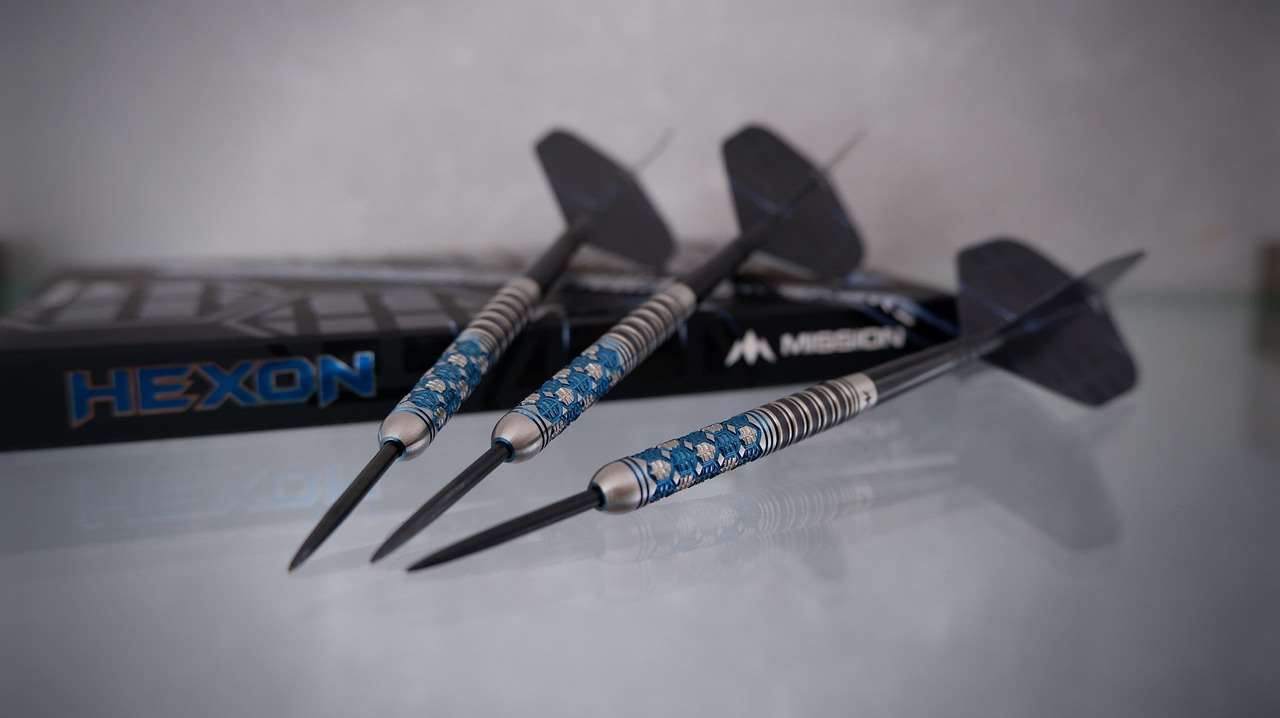
How to Sharpen Dart Points Correctly
Sharpening dart points is a crucial maintenance task. However, it’s important to do it correctly to avoid damaging the points or making them too sharp. Here’s a step-by-step guide:
- Choose the Right Tool: A dedicated dart sharpener is recommended. Avoid using files or grinders designed for other purposes, as they can be too aggressive.
- Secure the Dart: Hold the dart firmly, preferably using a dart holder or soft cloth to protect your fingers.
- Sharpen in One Direction: Gently rotate the dart against the sharpening stone, using consistent pressure. Avoid back-and-forth motions.
- Maintain the Point Shape: The goal is to restore the point to its original shape, not to create a needle-sharp tip. A slightly rounded, conical shape is ideal.
- Check for Burrs: After sharpening, use a fine-grit stone or emery cloth to remove any burrs or rough edges.
- Clean the Point: Wipe the point with a clean cloth to remove any metal filings or debris.
Remember that the goal isn’t to create a razor-sharp point, but to restore a clean, consistent surface that will grip the dartboard effectively. The best way to **avoid dart point wear signs to look for** is maintaining your darts regularly.
Dart Point Maintenance and Care Tips
Beyond sharpening, there are several other steps you can take to extend the life of your dart points and keep them in optimal condition:
- Regular Cleaning: Wipe your darts with a clean, dry cloth after each use to remove dirt and oils.
- Storage: Store your darts in a case or holder to protect them from damage and environmental factors.
- Point Protectors: Use point protectors when your darts are not in use to prevent accidental damage.
- Avoid Dropping: Be careful not to drop your darts on hard surfaces, as this can bend or damage the points.
- Consider Repointing: When points become excessively worn or damaged, consider repointing your darts with new points.
Proactive maintenance minimizes the chances of encountering dart point wear signs to look for and ensures your darts perform consistently. Consider using a dartboard cabinet to protect your dartboard and darts simultaneously.
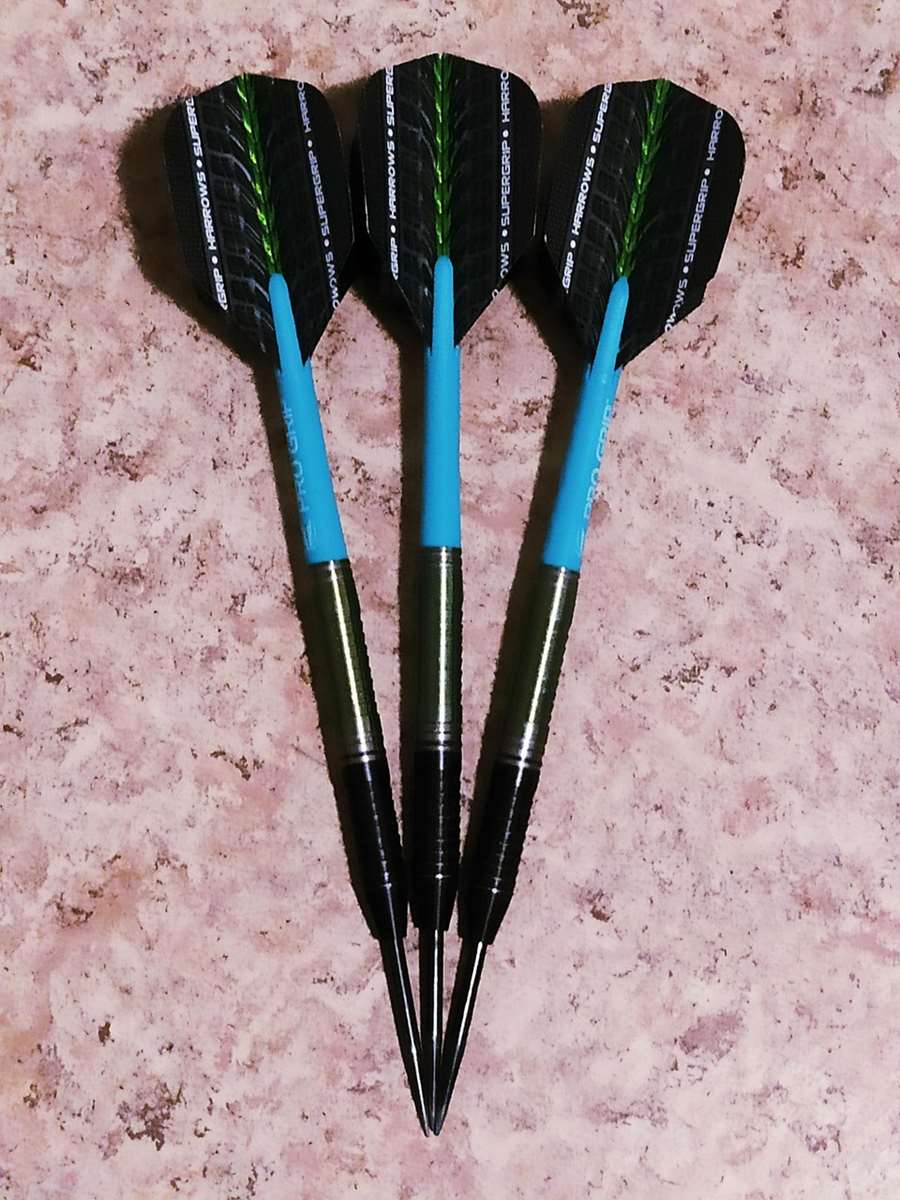
Choosing the Right Dart Point Sharpening Tools
The market offers a variety of dart point sharpening tools, each with its own pros and cons. Here’s a quick overview to help you choose the right one:
- Sharpening Stones: A traditional option, offering good control and precision. Requires some skill and practice.
- Diamond Sharpeners: More aggressive than sharpening stones, ideal for removing significant damage or burrs. Use with caution.
- Multi-Tool Sharpeners: Offer a variety of sharpening surfaces and features, such as burr removal tools. A versatile option for beginners.
- Electric Sharpeners: Provide fast and consistent sharpening, but can be more expensive and less precise.
Consider your budget, skill level, and the type of dart points you use when choosing a sharpening tool. Researching reviews and comparing different models can help you make an informed decision. Regular dart point maintenance helps you Reduce Dartboard Shadows Effectively and concentrate on the game.
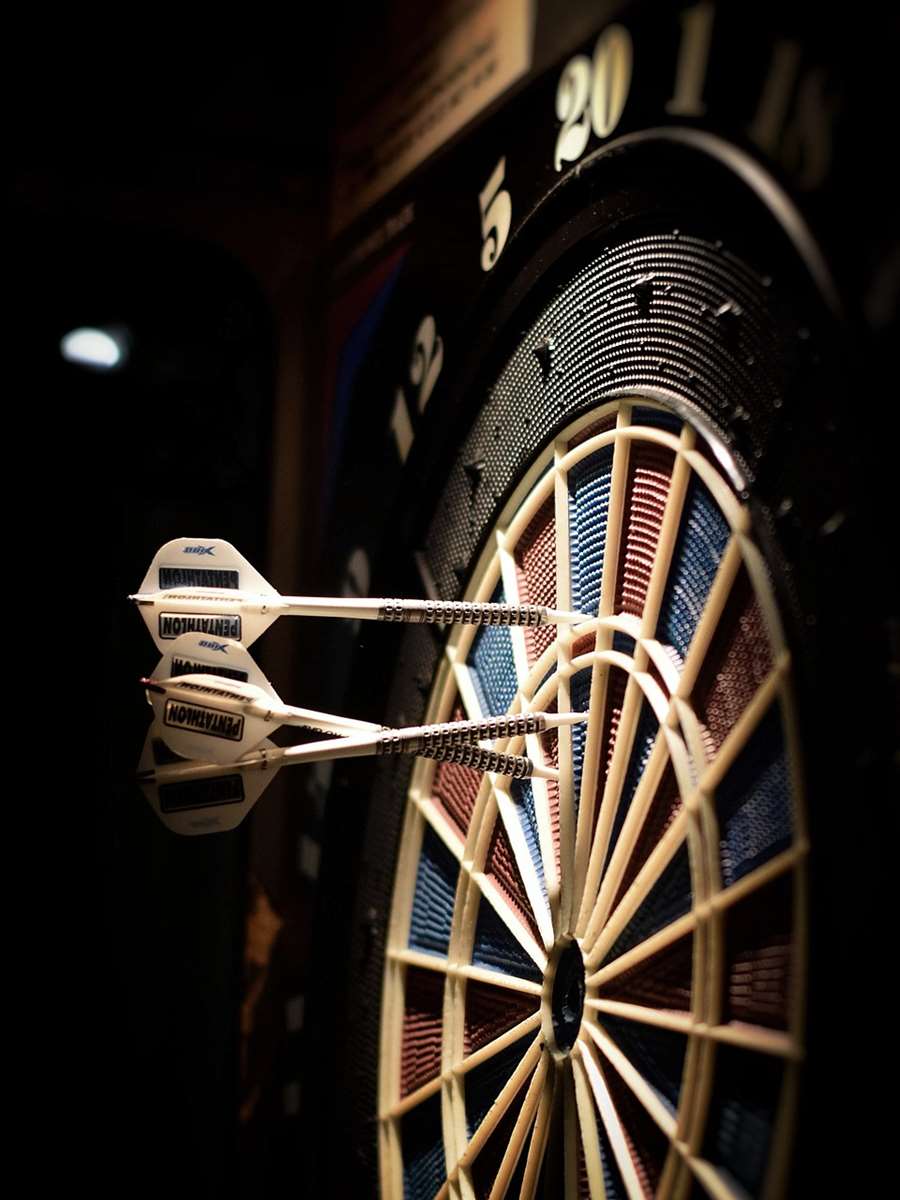
Recognizing When It’s Time to Replace Dart Points
Even with proper maintenance, dart points eventually wear out and need to be replaced. Here are some signs that it’s time for new points:
- Excessive Wear: The points are significantly shorter or thinner than they used to be.
- Irreversible Damage: The points are bent, cracked, or severely corroded.
- Frequent Bounce-outs: Even after sharpening, you’re experiencing an unusually high number of bounce-outs.
- Difficulty Penetrating the Board: The points struggle to grip the sisal fibers, even with a good throw.
Replacing your dart points is a relatively inexpensive way to improve your game and extend the life of your dartboard. Consider having a spare set of points on hand so you can replace them when needed. Noticing these dart point wear signs to look for and taking action will keep your darts and dartboard in good shape.
Advanced Techniques for Dart Point Maintenance
For serious dart players, there are some advanced techniques that can further enhance dart point maintenance:
- Polishing: After sharpening, use a polishing compound and a soft cloth to create a smooth, consistent surface.
- Coating: Apply a thin layer of protective coating, such as Teflon or ceramic, to reduce friction and prevent corrosion.
- Custom Point Shaping: Experiment with different point shapes to find what works best for your throwing style and dartboard.
These techniques require more skill and experience, but can provide a competitive edge. Always research and practice carefully before attempting any advanced dart point maintenance procedures. You may also find that LED Dartboard Lights Benefits improve your game and help you notice wear more quickly.
Conclusion
By understanding the dart point wear signs to look for, the causes of point damage, and implementing a consistent maintenance routine, you can significantly improve your game, extend the life of your darts, and protect your dartboard. From regular sharpening and cleaning to proper storage and timely replacement, every step contributes to a more enjoyable and competitive darting experience. Don’t underestimate the importance of a well-maintained dart point! Now that you know what to look for, take action and ensure your darts are always in top condition. Consider exploring different dart point types to find what suits you best and remember the importance of consistent dart maintenance for optimal performance. Sharpen those points, check for damage, and get back to the oche! Invest in the right dart point sharpening tools and follow our tips to ensure your darts are always ready for a winning game.

Hi, I’m Dieter, and I created Dartcounter (Dartcounterapp.com). My motivation wasn’t being a darts expert – quite the opposite! When I first started playing, I loved the game but found keeping accurate scores and tracking stats difficult and distracting.
I figured I couldn’t be the only one struggling with this. So, I decided to build a solution: an easy-to-use application that everyone, no matter their experience level, could use to manage scoring effortlessly.
My goal for Dartcounter was simple: let the app handle the numbers – the scoring, the averages, the stats, even checkout suggestions – so players could focus purely on their throw and enjoying the game. It began as a way to solve my own beginner’s problem, and I’m thrilled it has grown into a helpful tool for the wider darts community.