Choosing the right dart point thickness is crucial for a great game, as it directly impacts how well your darts stick in the board. This Dart Point Thickness Guide will help you understand the different sizes available and select the optimal thickness for your setup, covering everything from steel tip materials to board compatibility.
⚠️ Still Using Pen & Paper (or a Chalkboard)?! ⚠️
Step into the future! The Dart Counter App handles all the scoring, suggests checkouts, and tracks your stats automatically. It's easier than you think!
Try the Smart Dart Counter App FREE!Ready for an upgrade? Click above!
Understanding Dart Point Thickness
The thickness of your dart points plays a significant role in your scoring potential. Too thin, and your darts might bounce out frequently. Too thick, and you could damage your dartboard or have difficulty inserting the darts. Finding the right balance is key. Generally, the standard diameter for steel tip darts is around 2.35mm but can vary slightly. It’s important to note that the **material of the dart point** also affects its durability and grip.
Factors Affecting Dart Point Choice
Several factors influence your choice of dart point thickness:
- Dartboard Material: Bristle dartboards are the most common and work well with standard point thicknesses. Electronic dartboards, on the other hand, use plastic tips and are not covered by this Dart Point Thickness Guide.
- Throwing Style: If you throw with considerable force, a slightly thicker point might be beneficial to ensure the dart stays embedded.
- Personal Preference: Ultimately, comfort and confidence play a big role. Experimenting with different point thicknesses can help you discover what feels best.
Steel Tip Dart Point Thickness Guide: Sizes and Recommendations
While there isn’t an exhaustive list of standardized “sizes,” understanding the nuances within the general 2.35mm range is crucial. Some manufacturers might offer points that are marginally thicker or thinner. This Dart Point Thickness Guide focuses on the impact of those slight variations.
Consider the following scenarios:
- New Dartboard: A new bristle dartboard is usually very dense. A standard or slightly thinner point will often work best to minimize wear and tear and prevent bounce-outs.
- Worn Dartboard: As a dartboard ages, the fibers loosen. A slightly thicker point can provide a better grip in these circumstances. Consider points with extra grip features such as knurling or micro-grooves.
- Frequent Bounce-Outs: If you’re consistently experiencing bounce-outs with standard points, it might indicate that your points are worn, your dartboard is too dense, or that a slight increase in point thickness could be beneficial.
Remember to regularly check your dart points for burrs or damage, as these can also cause bounce-outs and damage your board. Maintaining your equipment is part of Choose Best Dart Equipment.
Materials and Their Impact on Thickness
The material of your dart points can indirectly affect the perceived thickness and performance. Here’s how:
- Steel: Standard steel points offer a good balance of durability and affordability.
- Conversion Points: These points convert soft tip darts to steel tip darts. The quality varies, so research is essential.
- Specialized Materials: Some points are coated or made from different alloys for enhanced grip or durability. These coatings may subtly alter the effective thickness of the point.
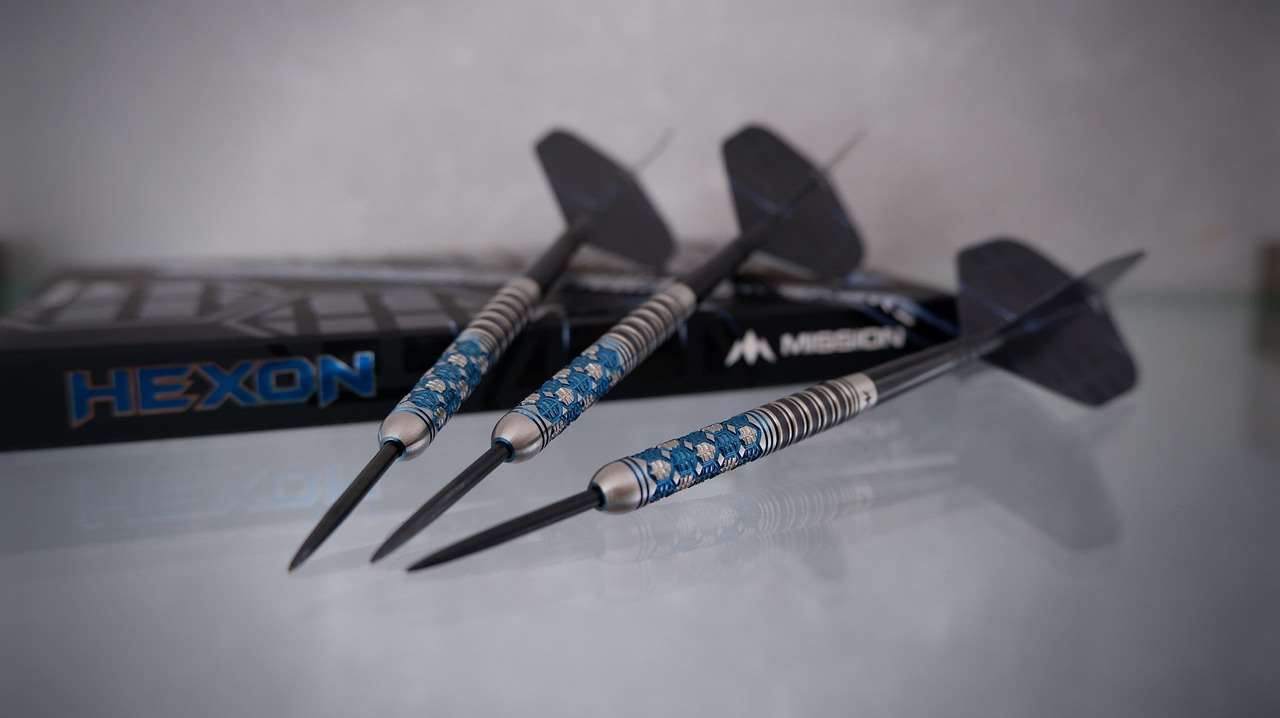
When selecting materials, consider the long-term impact on your dartboard. Harder materials might last longer, but they could also accelerate the wear and tear on your board. Also, if you are considering whether investing more money is justified, then read Are Premium Darts Worth It.
Point Grip and Surface Texture
Beyond just thickness, the surface texture of your dart points significantly affects their grip on the dartboard’s bristles. Points with micro-grooves, knurling, or other textured surfaces provide increased friction, helping them stay embedded in the board. These features can be particularly helpful if you are using points on the thinner side of the spectrum or if you have a board that has seen better days.
Here are a few common point grip enhancements:
- Knurling: A series of small, diamond-shaped patterns cut into the point. Provides excellent grip.
- Micro-Grooves: Fine, parallel lines that increase surface area and friction.
- Ringed Points: Features small rings along the point, providing incremental grip.
Experiment to find the texture that best suits your throwing style and dartboard type.
Practical Tips for Choosing the Right Thickness
Choosing the right dart point thickness can be a process of trial and error, but here are some practical tips to guide you:
- Start with Standard: Begin with a standard point thickness (around 2.35mm) and assess your results.
- Observe Bounce-Outs: If you’re experiencing frequent bounce-outs, try a slightly thicker point or one with enhanced grip.
- Monitor Dartboard Condition: Pay attention to how your darts are impacting the board. If the points seem to be excessively damaging the bristles, consider a thinner point.
- Test Different Points: If possible, try out different point thicknesses and textures to see what works best for you.
Regularly inspect your dart points. Damaged points, regardless of thickness, will cause bounce-outs and damage your board. Understanding What Makes Darts Premium Quality can also guide your choice.
Installing and Maintaining Dart Points
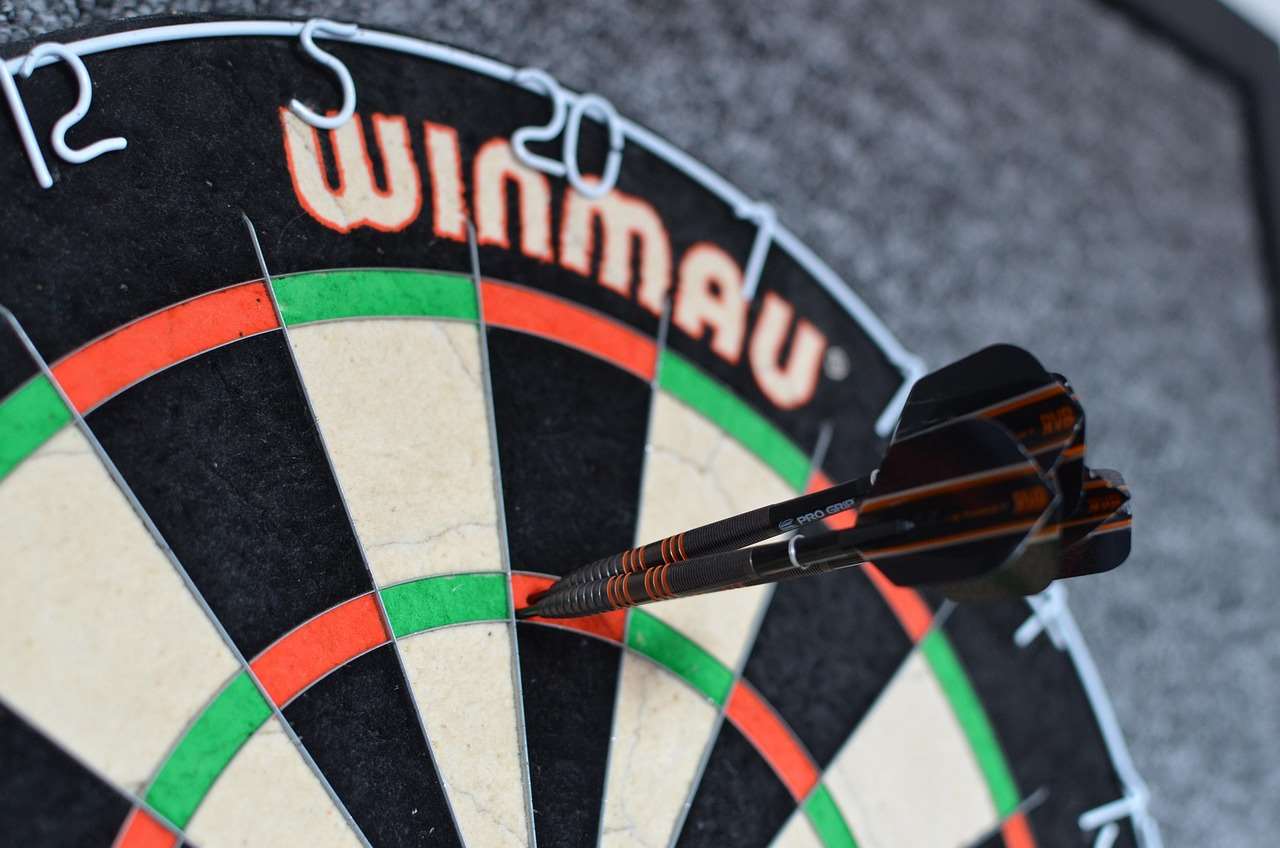
Proper installation and maintenance are crucial for maximizing the performance and longevity of your dart points. Improper installation can damage both the points and your darts. Here’s a quick rundown:
- Use a Dart Point Repointing Tool: This tool allows you to safely and easily remove and replace dart points.
- Secure the Point: Ensure the point is firmly seated in the dart barrel. A loose point will affect accuracy.
- Sharpen Regularly: Use a dart point sharpener to keep your points sharp and prevent bounce-outs. Be careful not to over-sharpen, as this can damage the points.
Neglecting maintenance can lead to bent or broken points, affecting your game and potentially damaging your dartboard. Replacement points are relatively inexpensive, so it’s always a good idea to have a spare set on hand.
Troubleshooting Common Issues
Even with the right dart point thickness, you might encounter issues. Here are some common problems and how to address them:
- Bounce-Outs: This could be due to worn points, a dense dartboard, or incorrect throwing technique. Experiment with different points or adjust your technique.
- Dartboard Damage: If your points are excessively damaging the board, switch to a thinner point or one with a smoother surface.
- Points Breaking: This could indicate a material defect or excessive force during throwing. Consider switching to a more durable point.
If you’re consistently experiencing problems, consider seeking advice from experienced dart players or professionals. They can offer valuable insights and help you fine-tune your setup. Also, check Budget vs Premium Darts Compared before deciding on new equipment.
Conclusion: Finding Your Ideal Dart Point Thickness
Choosing the right dart point thickness is an iterative process. The best approach is to start with a standard size and experiment based on your specific needs and experiences. Consider your dartboard’s condition, your throwing style, and any recurring issues you encounter. By understanding the factors outlined in this Dart Point Thickness Guide, you’ll be well-equipped to make informed decisions and optimize your dart game. Remember to maintain your equipment, and don’t be afraid to try different options until you find the perfect fit. Remember, practice makes perfect! Now, head to your local dart shop or browse online retailers to find the perfect dart points for your game. Good luck, and happy throwing!

Hi, I’m Dieter, and I created Dartcounter (Dartcounterapp.com). My motivation wasn’t being a darts expert – quite the opposite! When I first started playing, I loved the game but found keeping accurate scores and tracking stats difficult and distracting.
I figured I couldn’t be the only one struggling with this. So, I decided to build a solution: an easy-to-use application that everyone, no matter their experience level, could use to manage scoring effortlessly.
My goal for Dartcounter was simple: let the app handle the numbers – the scoring, the averages, the stats, even checkout suggestions – so players could focus purely on their throw and enjoying the game. It began as a way to solve my own beginner’s problem, and I’m thrilled it has grown into a helpful tool for the wider darts community.