Understanding the nuances between **dart point rules steel vs soft tip** is crucial for both beginners and seasoned players, as the equipment and gameplay differ significantly; steel tip darts require a bristle board, while soft tip darts use an electronic board with small holes. This article will delve into the specific rules, scoring systems, equipment differences, and playing techniques associated with each type of dart to help you make an informed choice.
⚠️ Still Using Pen & Paper (or a Chalkboard)?! ⚠️
Step into the future! The Dart Counter App handles all the scoring, suggests checkouts, and tracks your stats automatically. It's easier than you think!
Try the Smart Dart Counter App FREE!Ready for an upgrade? Click above!
The Core Differences: Dart Point Rules Steel vs Soft Tip
The fundamental distinction between **dart point rules steel vs soft tip** lies in the equipment used and the scoring methods employed. Steel tip darts, as the name suggests, have sharp, pointed tips designed to stick into a bristle dartboard made of sisal fibers. Soft tip darts, on the other hand, have plastic tips and are used with electronic dartboards featuring small holes that the tips fit into. This difference in equipment also affects the weight, grip, and overall feel of the dart, which in turn influences playing technique.

Another crucial distinction is that **electronic dartboards** often include automatic scoring and various game options, whereas steel tip dart games typically require manual scoring and adhere to more traditional rule sets. This can significantly impact the pace and complexity of the game.
Steel Tip Dart Rules and Gameplay
Steel tip darts are generally associated with traditional dart games like 501, 301, and Cricket. The basic premise is to reduce your score from a starting point (usually 501) to zero by scoring points with each throw. Here are some key rules:
- Starting Score: Typically 501 or 301.
- Objective: To be the first player to reduce the score to exactly zero.
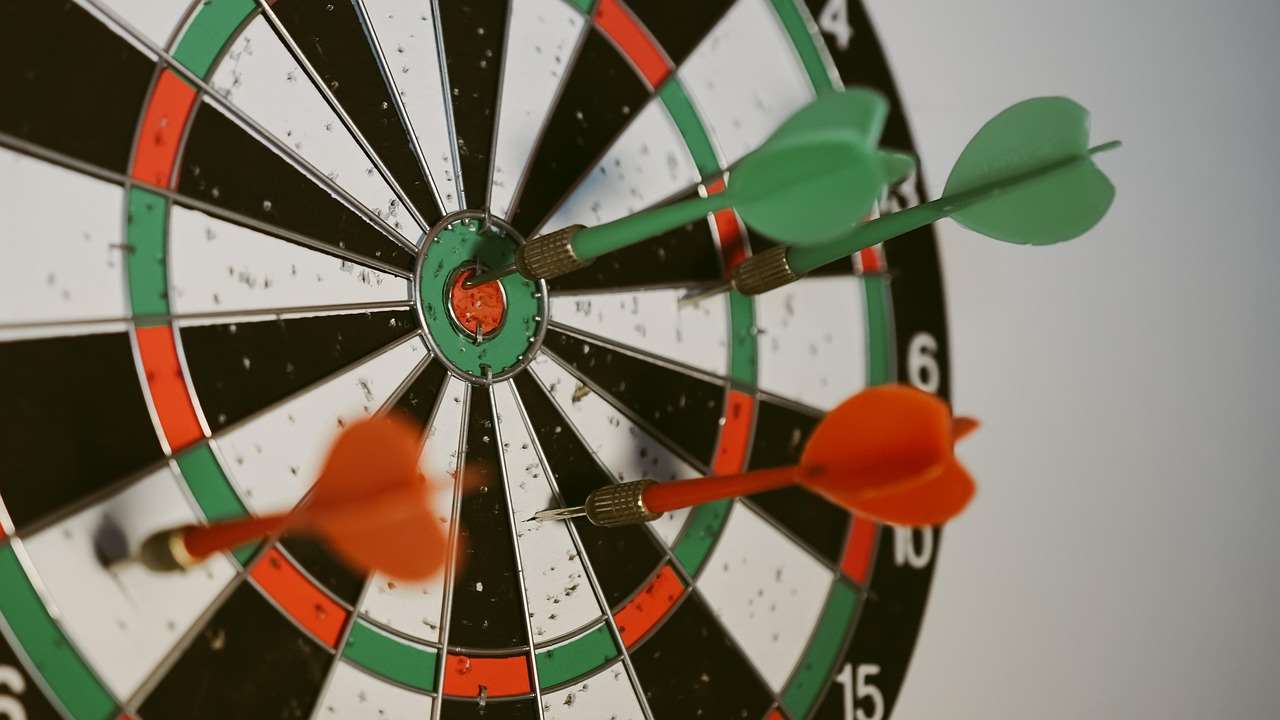
- Scoring: Points are awarded based on where the dart lands on the board. The board is divided into sections representing numbers 1 through 20. Darts landing in the double ring count for double the number, and darts landing in the triple ring count for triple the number. The bullseye is worth 50 points, and the single bull (outer ring) is worth 25 points.
- Busting: If a player scores more points than needed to reach zero, their score reverts to the score they had at the start of that turn.
- Double Out: In many variations, the final dart thrown to reach zero must land in a double or the bullseye. This adds an extra layer of skill and strategy to the game. If you are new to darts, you may consider adapting darts rules for beginners.
Understanding these rules is fundamental to playing steel tip darts effectively. Mastering the art of aiming for specific segments, particularly doubles and triples, is essential for success. The traditional nature of steel tip darts often emphasizes precision and strategic play.
Soft Tip Dart Rules and Gameplay
Soft tip darts are often played using electronic dartboards which offer a wider range of game options and automated scoring. While games like 501 and Cricket are also available, electronic boards often feature variations and custom games. Here are some key differences in the rules:
- Automated Scoring: Electronic boards automatically calculate and display scores, eliminating the need for manual scorekeeping.
- Varied Game Options: Besides the classic games, electronic boards often include games like Round the Clock, Shanghai, and various point-based games.
- No Bust Rule Options: Some soft tip games may not enforce a “bust” rule, or may have variations of it. This makes the game less punishing for beginners.
- Soft Tip Specific Games: Games designed specifically for soft tip boards often incorporate unique scoring mechanics and target layouts.
- Handicap Systems: Electronic boards often incorporate handicap systems to level the playing field between players of different skill levels. These systems adjust the starting score based on player averages. You can also learn how to make darts fairer with handicap rules.
The presence of automated scoring and diverse game options make soft tip darts a popular choice for casual players and social gatherings. The forgiving nature of some rules, like the option to disable the “bust” rule, makes it easier for beginners to get started. It can also lead to fun dart game variations with modified rules.
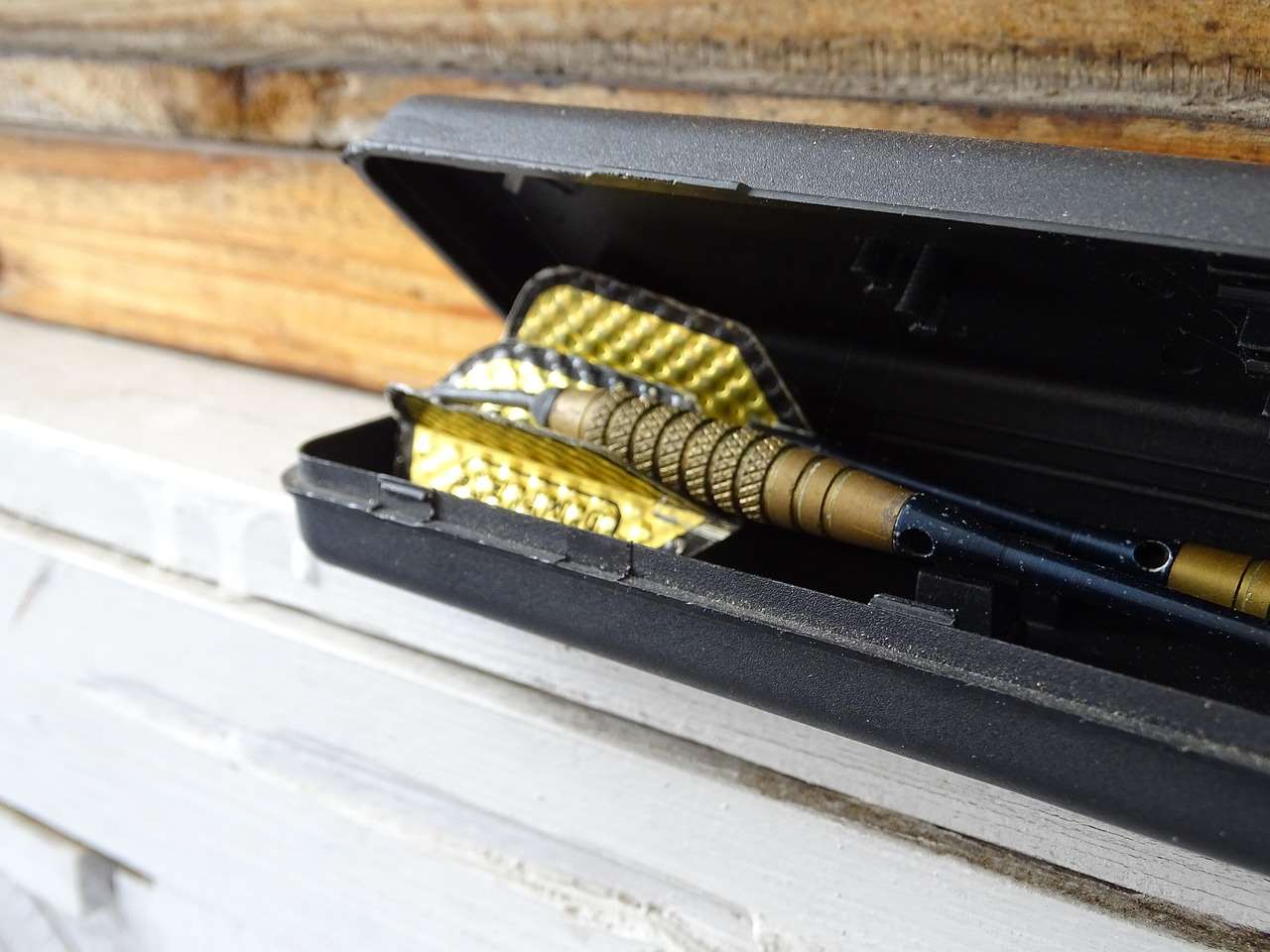
Equipment Considerations: Steel Tip vs Soft Tip Darts
Beyond the rules, the equipment itself plays a significant role in the overall darting experience. Steel tip darts and soft tip darts differ in several key aspects:
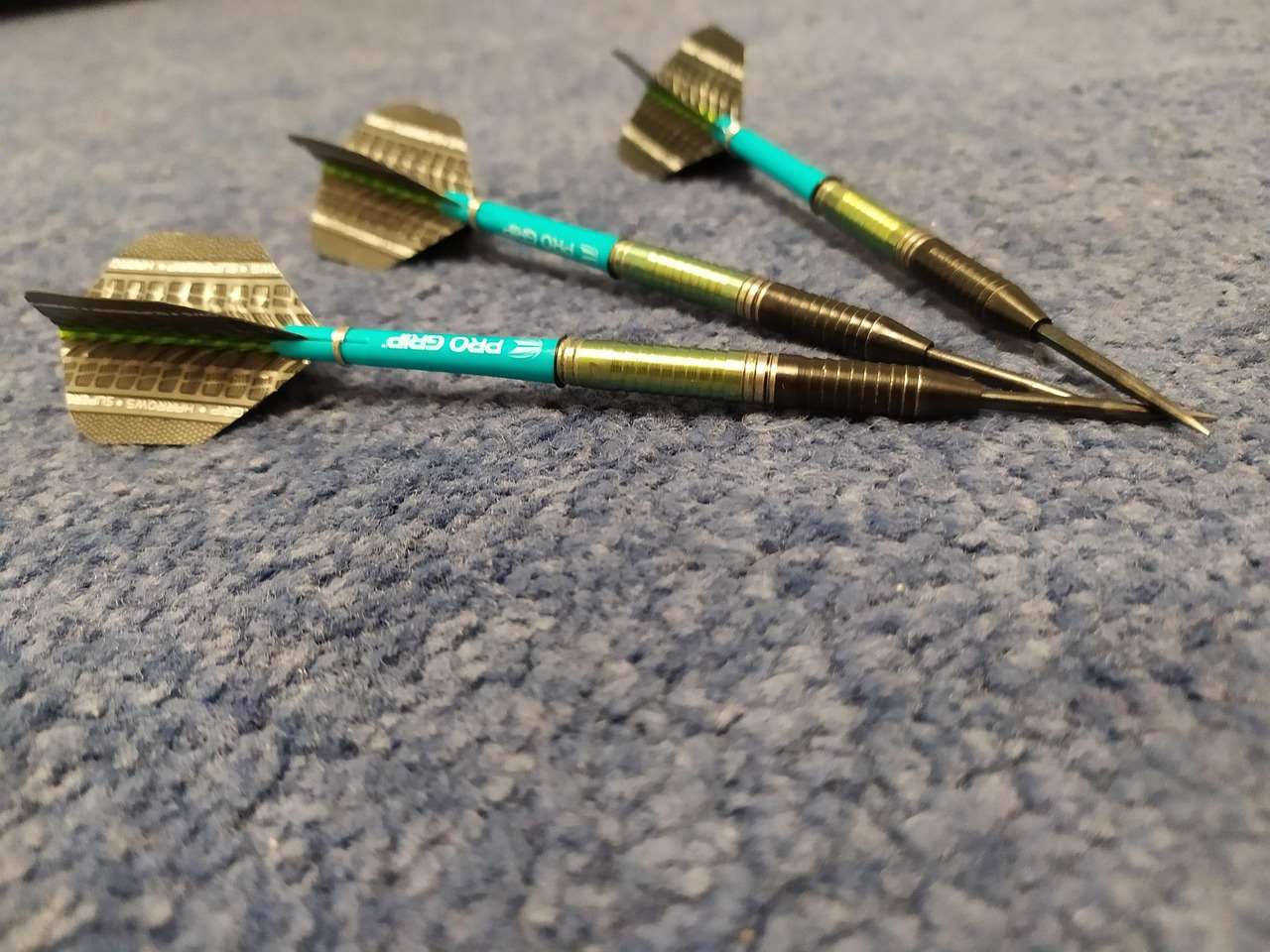
- Dart Weight: Steel tip darts generally weigh between 20 and 26 grams, while soft tip darts typically weigh 16 to 20 grams (including the point). This difference in weight affects the dart’s trajectory and feel.
- Dart Material: Both steel tip and soft tip darts can be made from materials like tungsten or brass. Tungsten darts are denser, allowing for slimmer barrels and tighter groupings.
- Point Material: Steel tip darts have sharp, metal points, while soft tip darts have replaceable plastic tips. The plastic tips are designed to break upon impact with the electronic board, preventing damage.
- Dartboard Material: Steel tip darts require a bristle dartboard made of sisal fibers, which can heal themselves after being pierced. Soft tip darts require an electronic dartboard with small holes to accommodate the plastic tips.
- Maintenance: Steel tip dartboards require minimal maintenance, while soft tip dartboards may require occasional replacement of segments or the entire board. The points on steel tip darts may also need sharpening occasionally. Learning the basic darts fundamentals for beginners can help extend the life of your equipment.
Choosing the right equipment depends on your personal preferences, playing style, and the type of dartboard you intend to use. Investing in high-quality darts and a good dartboard can significantly enhance your darting experience.
Understanding Dart Point Differences
The **dart point rules steel vs soft tip** directly impact the gameplay. The steel tip’s sharpness allows it to penetrate the tightly packed sisal fibers, whereas the soft tip relies on fitting snugly into the electronic board’s holes. This point difference also affects how the dart flies, as the weight distribution is different.
Weight and Balance: Finding Your Ideal Dart
The weight and balance of a dart are crucial factors in achieving consistent throws. Experiment with different weights and barrel shapes to find a dart that feels comfortable and natural in your hand. A well-balanced dart will fly straighter and require less effort to control.
Technique and Strategy: Adapting Your Throw
While the fundamental principles of throwing a dart remain the same regardless of the type of dart, some adjustments may be necessary to optimize your technique for steel tip or soft tip darts. The simplified 501 game rules for novice players require good technique to master the double out rule.
- Grip: Experiment with different grip styles to find one that provides a secure and comfortable hold. The grip should be firm enough to maintain control but not so tight that it causes tension.
- Stance: Maintain a consistent stance that is comfortable and balanced. Most players prefer to stand with one foot forward and the other foot slightly back, angled towards the dartboard.
- Throwing Motion: Use a smooth and controlled throwing motion, keeping your elbow stable and your wrist firm. Avoid jerky movements or excessive force.
- Follow Through: Follow through with your arm after releasing the dart, pointing towards the target. This helps to ensure accuracy and consistency.
Practice is essential for developing and refining your dart throwing technique. Pay attention to your body mechanics and make adjustments as needed to improve your accuracy and consistency. Remember that consistency is key to success in darts.
Adjusting for Steel Tip Darts
Steel tip darts often require a slightly more forceful throw due to their heavier weight. Focus on maintaining a smooth and controlled motion while generating enough power to drive the dart into the bristle board. Also, ensure your dart points are sharp to minimize bounce-outs. Sometimes alternative darts rules for home play may be desired when playing casually.
Adjusting for Soft Tip Darts
Soft tip darts, being lighter, may require a slightly different throwing motion. Some players find that a smoother, more fluid throw works best. It’s also important to ensure that your soft tips are in good condition to minimize bounce-outs and ensure accurate scoring.
Choosing the Right Dart Game for You
The decision between steel tip and soft tip darts often comes down to personal preference, playing environment, and the type of game you enjoy. Consider the following factors when making your choice:
- Playing Environment: If you prefer playing in a pub or league setting, steel tip darts are often the more common choice. If you prefer playing at home with friends and family, soft tip darts may be a more convenient and user-friendly option.
- Game Preference: If you enjoy traditional dart games like 501 and Cricket, steel tip darts may be a better fit. If you prefer a wider variety of game options and automated scoring, soft tip darts may be more appealing.
- Skill Level: Soft tip darts can be more forgiving for beginners due to the automated scoring and the option to disable the “bust” rule. Steel tip darts may require more practice and skill to master.
- Budget: The initial cost of a steel tip dartboard and darts can be lower than the cost of an electronic dartboard and darts. However, soft tip darts require ongoing expense of replacing the plastic tips.
Ultimately, the best way to determine which type of dart is right for you is to try both and see which one you enjoy more. Visit a local dart shop or pub and experiment with different darts and dartboards to get a feel for each type. It is important to consider these factors when modifying rules for mixed-level dart players to ensure an enjoyable experience.
Beyond the Basics: Exploring Advanced Dart Techniques
Once you’ve mastered the fundamentals of dart throwing, you can start exploring more advanced techniques such as grouping, aiming points, and mental strategies. Practice consistently and challenge yourself to improve your accuracy and consistency. Joining a local dart league or tournament can also provide valuable experience and opportunities to learn from other players.

Conclusion: Making an Informed Decision
In the end, understanding the **dart point rules steel vs soft tip** comes down to recognizing the key differences in equipment, rules, and playing styles. Steel tip darts offer a traditional and precise experience, while soft tip darts provide automated scoring and varied gameplay. Both types of darts can be enjoyable and challenging, depending on your personal preferences and playing environment.
By considering the factors discussed in this article, you can make an informed decision and choose the type of dart that is right for you. Remember to prioritize practice, consistency, and having fun! Now that you know more about the nuances of steel tip and soft tip darts, grab some friends, pick your preferred type, and hit the board! Why not start by exploring creative dart rules for parties and social gatherings?

Hi, I’m Dieter, and I created Dartcounter (Dartcounterapp.com). My motivation wasn’t being a darts expert – quite the opposite! When I first started playing, I loved the game but found keeping accurate scores and tracking stats difficult and distracting.
I figured I couldn’t be the only one struggling with this. So, I decided to build a solution: an easy-to-use application that everyone, no matter their experience level, could use to manage scoring effortlessly.
My goal for Dartcounter was simple: let the app handle the numbers – the scoring, the averages, the stats, even checkout suggestions – so players could focus purely on their throw and enjoying the game. It began as a way to solve my own beginner’s problem, and I’m thrilled it has grown into a helpful tool for the wider darts community.