Removing a broken dart point doesn’t have to be a headache; this Dart Point Removal Guide provides a step-by-step approach to safely extract damaged points, whether they’re snapped off or bent beyond repair. We’ll cover essential tools, techniques for different types of breaks, and tips for preventing future point failures, ensuring you can quickly get back to your game.
⚠️ Still Using Pen & Paper (or a Chalkboard)?! ⚠️
Step into the future! The Dart Counter App handles all the scoring, suggests checkouts, and tracks your stats automatically. It's easier than you think!
Try the Smart Dart Counter App FREE!Ready for an upgrade? Click above!
The Essential Dart Point Removal Guide: Tools and Preparation
Before attempting any dart point extraction, gathering the correct tools is paramount. Attempting removal without the right equipment can lead to further damage to your darts or, worse, personal injury. Here’s a list of essential tools you should have:
- Dart Point Removal Tool (Extractor): This specialized tool is designed to grip and pull broken points with minimal damage. Various types exist, including screw-type extractors and lever-action tools.
- Pliers (Needle-nose and Regular): Pliers provide additional gripping power and can be helpful for manipulating small fragments. Needle-nose pliers are particularly useful for reaching into tight spaces.
- Vice Grips: These are excellent for firmly holding the dart barrel while you apply force to remove the point. Protect the barrel with padding (cloth or rubber).
- Hammer (Small): A small hammer can be used gently to tap the extractor or pliers, aiding in loosening a stubborn point.
- Drill (Optional): In cases of extremely stubborn points, a drill with a small drill bit can be used to create a pilot hole for the extractor. Use extreme caution.
- Safety Glasses: Protect your eyes from flying debris.
- Cloth or Padding: Use this to protect the dart barrel from scratches or damage from tools.
- Lubricant (WD-40 or Similar): A small amount of lubricant can help loosen a corroded or stuck point.
Once you’ve assembled your tools, prepare your workspace. Ensure you have adequate lighting and a stable surface to work on. Securing the dart barrel in a vice (with padding) is highly recommended for stability. This allows you to focus your force on removing the point without worrying about damaging the barrel. Before you begin, carefully inspect the broken point to determine the best approach. Is it a clean break, or is the point mangled or corroded? This will influence the technique you use.
Safety First!
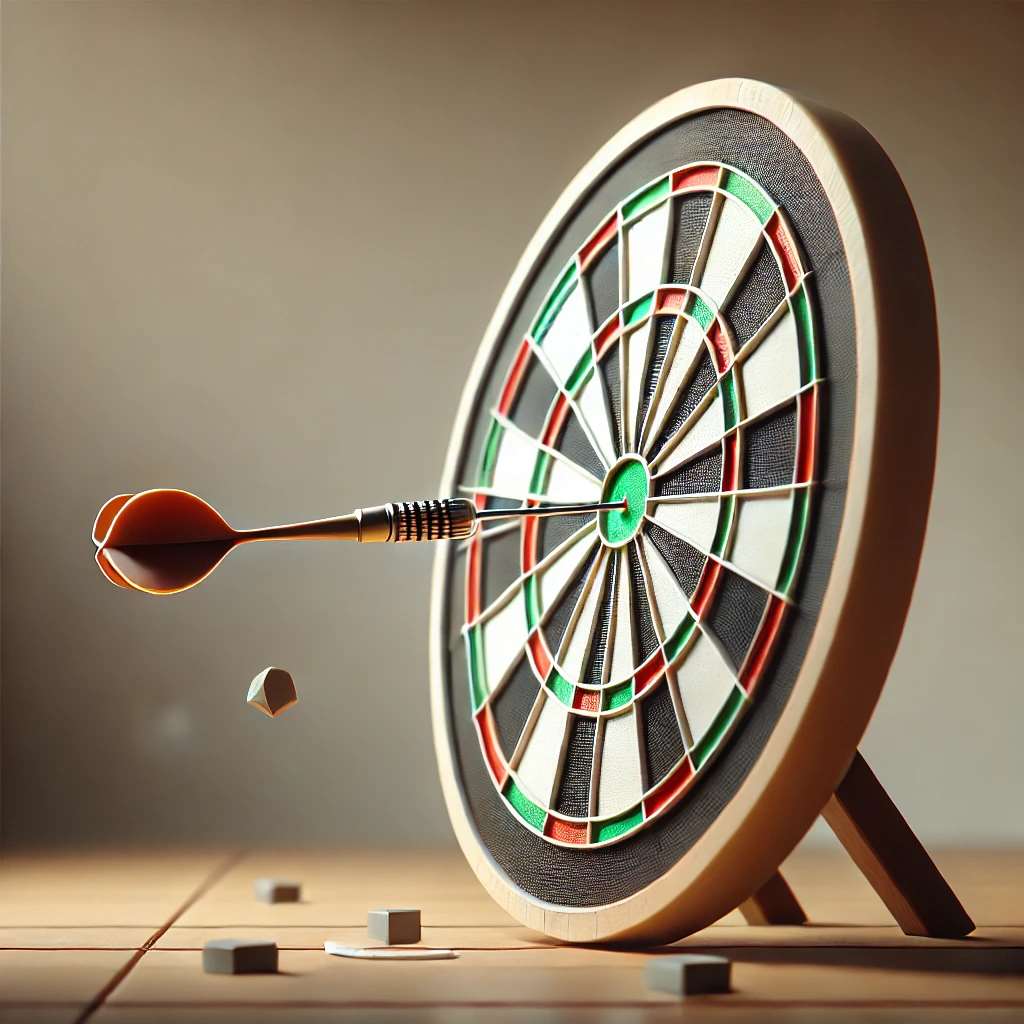
Always wear safety glasses during the point removal process. Broken dart points can be sharp and potentially dangerous if they become projectiles. Handle all tools with care and avoid applying excessive force that could cause the point to shatter or the tool to slip. If you’re using a drill, proceed with extreme caution and use a low speed to prevent overheating and potential damage to the dart barrel. When dealing with any broken or damaged equipment, it’s important to consider Choose Best Dart Equipment for replacements.
Different Dart Point Removal Techniques for Different Breaks
The best technique for removing a broken dart point depends on the nature of the break. Here are some common scenarios and the recommended approaches:
- Clean Break (Point Snapped Off Flush): This is often the most challenging scenario. A screw-type dart point extractor is usually the best option. Apply lubricant to the broken point, then carefully insert the extractor into the broken point and twist. Once the extractor is firmly seated, use pliers or vice grips to pull the extractor and the broken point out together. If the extractor slips, try a slightly larger extractor or gently tap the extractor with a hammer to help it grip.
- Point Broken with Some Protrusion: If a portion of the point is protruding from the dart barrel, needle-nose pliers can be used. Grip the exposed point as close to the barrel as possible and gently twist and pull. Avoid bending the point further, as this can make it more difficult to remove. Applying lubricant can also help loosen the point.
- Bent or Mangled Point: In this case, pliers or vice grips are your best bet. Straighten the point as much as possible (without breaking it further) before attempting to pull it out. If the point is severely mangled, you may need to use a combination of cutting and pulling techniques. A small metal file can also be used to smooth out any jagged edges before attempting removal.
- Corroded or Stuck Point: Corrosion can make point removal incredibly difficult. Apply a generous amount of lubricant and let it soak for several hours (or even overnight). This will help loosen the corrosion and make the point easier to remove. You may also need to use a combination of heat (from a heat gun or hairdryer – be careful not to overheat the dart barrel) and vibration (from a hammer) to break the corrosion bond.
Using a Drill for Stubborn Points (Proceed with Caution)
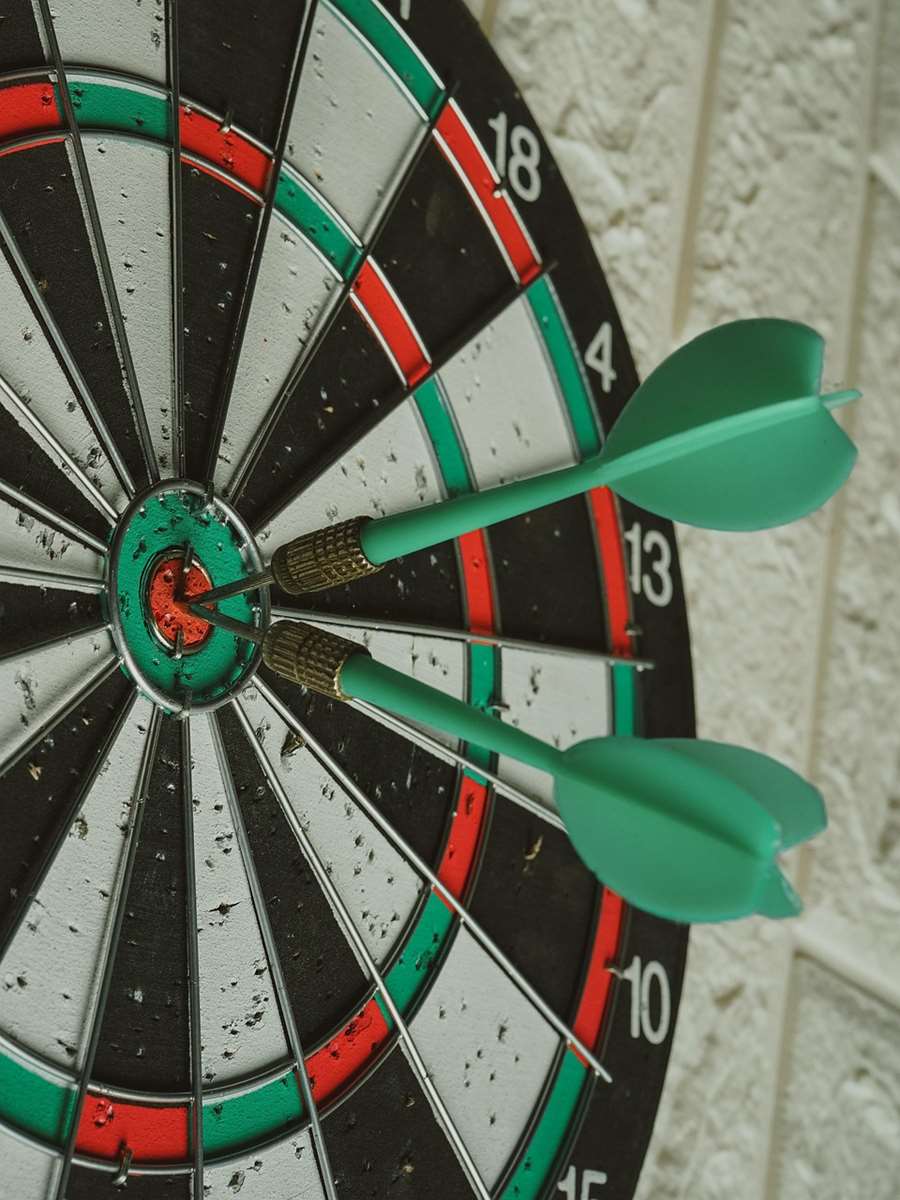
If all other methods fail, you can try using a drill to create a pilot hole for the extractor. This should be considered a last resort, as it carries the risk of damaging the dart barrel. Use a drill bit that is slightly smaller than the diameter of the extractor. Drill a shallow pilot hole into the center of the broken point. Be careful not to drill too deep, as this could damage the threads inside the dart barrel. Once the pilot hole is drilled, insert the extractor and attempt to remove the point as described above. Remember, patience is key. Avoid applying excessive force, as this could strip the extractor or damage the dart barrel further. Properly maintaining your dartboard is crucial, and understanding Best Dartboard Lighting Systems can enhance your playing experience by ensuring consistent visibility and reducing eye strain.
Preventing Future Dart Point Breakage
Prevention is always better than cure. While dart point breakage is sometimes unavoidable, there are several steps you can take to minimize the risk:
- Use High-Quality Dart Points: Invest in durable dart points made from high-quality materials. Avoid cheap, brittle points that are more prone to breaking.
- Regularly Sharpen Your Dart Points: Dull dart points require more force to penetrate the dartboard, increasing the risk of breakage. Use a dart sharpener to keep your points sharp and properly angled.
- Avoid Hitting the Metal Spider: Consistently hitting the metal spider on the dartboard can weaken the dart points over time. Practice your aim to minimize contact with the spider.
- Use a Dartboard Surround: A dartboard surround protects your wall from stray darts and also helps cushion the impact, reducing the stress on your dart points.
- Check Your Dartboard Regularly: Ensure your dartboard is in good condition and that the sisal fibers are properly compacted. A worn-out dartboard can increase the risk of dart bounce-outs and point breakage. Consider whether Optimal Dartboard Lighting Solutions Guide solutions can also help prevent damage.
- Proper Storage: When not in use, store your darts in a case or container to protect them from damage.
Choosing the Right Dart Points
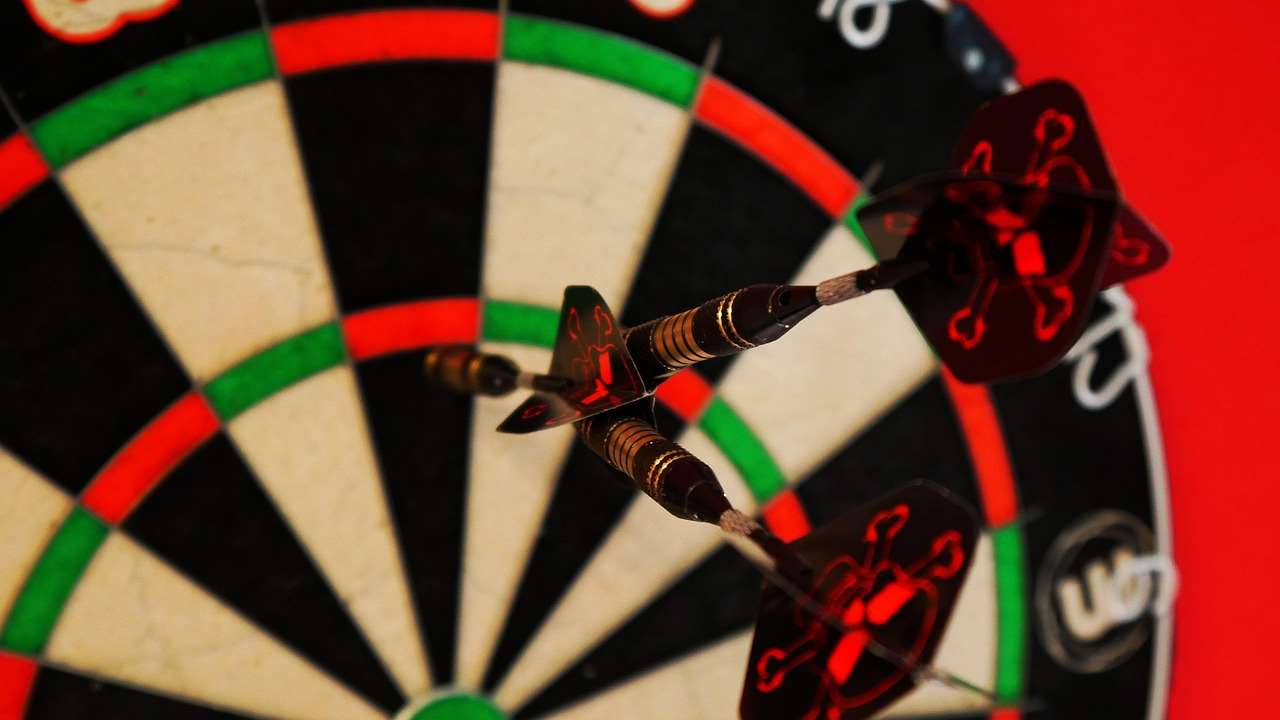
The type of dart points you use can significantly impact their durability. Steel tip darts typically use either smooth or grooved points. Grooved points offer better grip on the dartboard but may also be more prone to bending or breaking if they catch on the sisal fibers. Smooth points are less likely to bend but may also result in more bounce-outs. Experiment with different types of points to find what works best for your throwing style and dartboard.
Advanced Dart Point Removal Guide Techniques
Sometimes, simple techniques aren’t enough. These advanced methods may be required for particularly stubborn or complex situations:
- Heat Application: Applying heat to the dart barrel (near the broken point) can help expand the metal and loosen the point. Use a heat gun or hairdryer and be extremely careful not to overheat the barrel, which could damage the finish or affect the dart’s balance.
- Ultrasonic Cleaning: Immersing the dart barrel in an ultrasonic cleaner can help remove corrosion and debris that may be binding the point. This method is particularly effective for older darts that have been exposed to moisture or humidity.
- Professional Assistance: If you’re uncomfortable performing any of these techniques yourself, or if you’ve tried everything and the point still won’t budge, consider taking your darts to a professional dart shop. They may have specialized tools and expertise to remove the point without damaging your darts.
When to Replace the Entire Dart
In some cases, the damage to the dart barrel may be so severe that it’s simply not worth trying to remove the broken point. If the barrel is cracked, warped, or excessively corroded, it’s often more cost-effective to replace the entire dart. Weigh the cost of a new dart against the potential risk of further damage and the time and effort required to remove the broken point. Proper lighting with LED Dartboard Lights Benefits can also prevent accidental damage to darts by improving visibility.
Final Checks and Maintenance After Dart Point Removal
Once you’ve successfully removed the broken point, it’s essential to thoroughly inspect the dart barrel for any damage. Check for cracks, dents, or stripped threads. Clean the inside of the barrel with a small brush or cotton swab to remove any debris. If the threads are damaged, you may need to re-tap them with a thread tap. After the removal, it’s often a good idea to consider cleaning and re-pointing your darts to ensure optimal performance. Apply a small amount of lubricant to the new dart point before inserting it into the barrel. This will help prevent future corrosion and make it easier to remove the point if necessary. Remember to test your darts after re-pointing to ensure they fly straight and true. Make sure you check out How To Light Your Dartboard, ensuring clear visibility for accurate dart throwing.
Regularly maintaining your darts will help prolong their lifespan and ensure consistent performance. Clean your darts after each use with a soft cloth to remove dirt and grime. Periodically check the tightness of the flights and stems and replace them if they become loose or damaged. Storing your darts properly will also help prevent damage. Use a dart case or container to protect them from being bent or broken.
Conclusion: Mastering Dart Point Removal
Removing a broken dart point can be frustrating, but with the right tools and techniques, it’s a manageable task. Remember to prioritize safety, use the appropriate method for the type of break, and take your time. By following this Dart Point Removal Guide and taking preventative measures, you can minimize the risk of future point breakages and keep your darts in top condition. Now that you’re armed with this knowledge, grab your darts and get back to perfecting your game! For further assistance or to purchase dart point removal tools, Choose Best Dart Equipment here!

Hi, I’m Dieter, and I created Dartcounter (Dartcounterapp.com). My motivation wasn’t being a darts expert – quite the opposite! When I first started playing, I loved the game but found keeping accurate scores and tracking stats difficult and distracting.
I figured I couldn’t be the only one struggling with this. So, I decided to build a solution: an easy-to-use application that everyone, no matter their experience level, could use to manage scoring effortlessly.
My goal for Dartcounter was simple: let the app handle the numbers – the scoring, the averages, the stats, even checkout suggestions – so players could focus purely on their throw and enjoying the game. It began as a way to solve my own beginner’s problem, and I’m thrilled it has grown into a helpful tool for the wider darts community.