The **dart point material durability** directly impacts your game; stronger points resist bending and breaking, ensuring consistent throws and preventing damage to your board. This article explores the various materials used in dart points, their strengths and weaknesses, and how to choose the most durable option for your playing style. We’ll delve into steel, conversion points, grip types, and maintenance tips to maximize the lifespan of your dart points.
⚠️ Still Using Pen & Paper (or a Chalkboard)?! ⚠️
Step into the future! The Dart Counter App handles all the scoring, suggests checkouts, and tracks your stats automatically. It's easier than you think!
Try the Smart Dart Counter App FREE!Ready for an upgrade? Click above!
Understanding Dart Point Material Durability
The **durability** of your dart points is crucial for consistent performance and longevity. A bent or broken dart point can significantly affect your accuracy and damage your dartboard. Several factors contribute to **dart point material durability**, including the type of material used, the manufacturing process, and how you care for your darts.
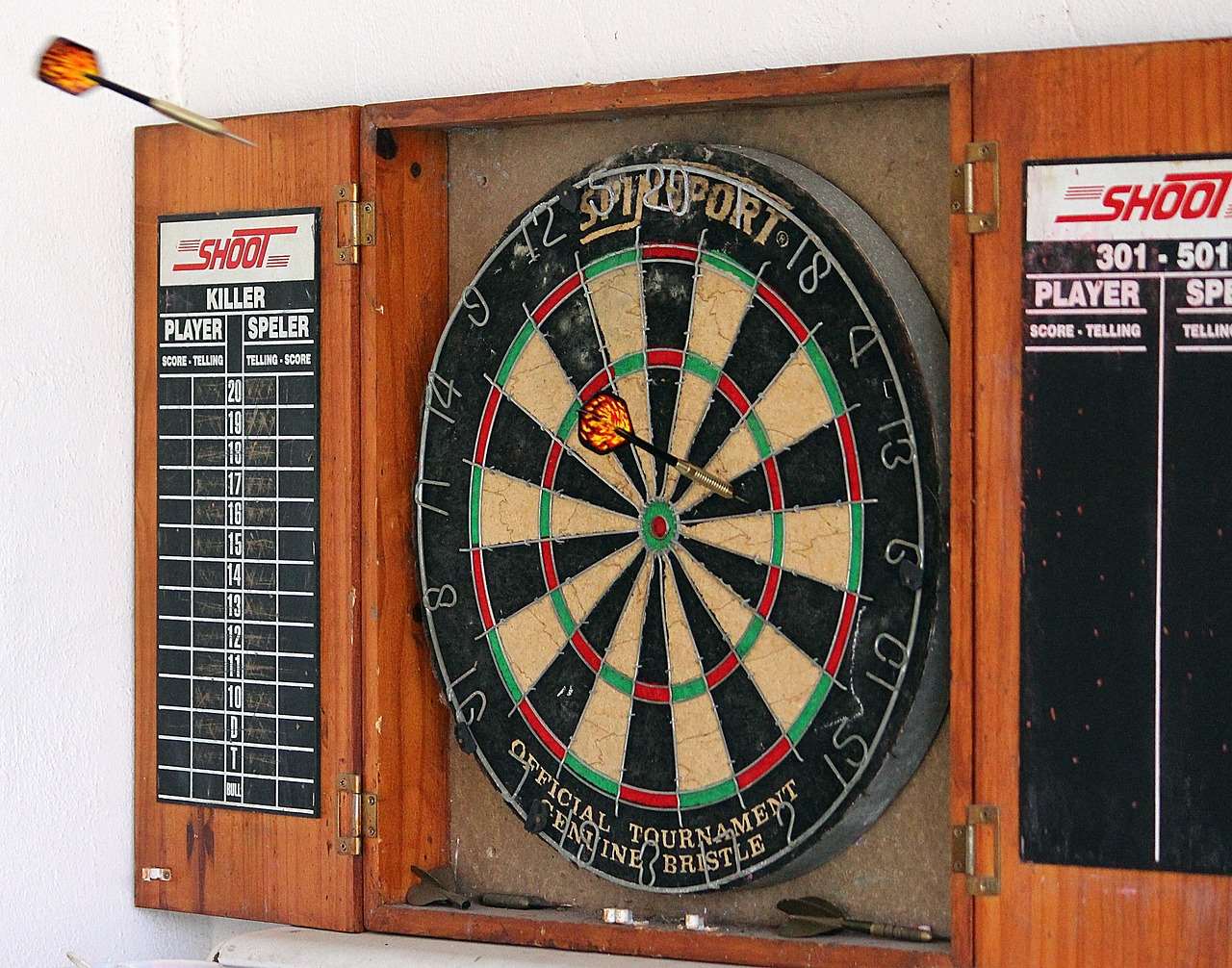
Choosing the right material is the first step in ensuring that your dart points can withstand the rigors of regular play. Let’s explore some of the most common materials used and their properties.
Steel Dart Points: The Standard for a Reason
Steel dart points are the most common and generally the most durable option for steel-tip darts. They are typically made from high-carbon steel, which offers a good balance of hardness and resistance to bending. However, not all steel is created equal. The quality of the steel, the heat treatment process, and the overall design of the point all play a role in its **durability**.
- Pros: High **durability**, readily available, relatively inexpensive.
- Cons: Can bend or break under extreme stress, susceptible to rust if not properly maintained.
Conversion Points: Adapting Soft-Tip Darts
Conversion points are designed to convert soft-tip darts into steel-tip darts. These points are typically made from steel but may also incorporate other materials like titanium or plastic for specific performance characteristics. The **durability** of conversion points can vary depending on the quality of the materials used and the design of the point.
When choosing conversion points, look for those made from high-quality steel and designed to withstand the impact of hitting a steel-tip dartboard. Properly installing and maintaining your conversion points will also help to prolong their lifespan. Before you invest, it is beneficial to check the Buying Guide Budget Premium Dart Sets.
Factors Affecting Dart Point Lifespan
Beyond the material itself, several external factors can impact the lifespan of your dart points. Understanding these factors and taking steps to mitigate their effects can significantly improve the **dart point material durability** and save you money in the long run.
Dartboard Material and Density
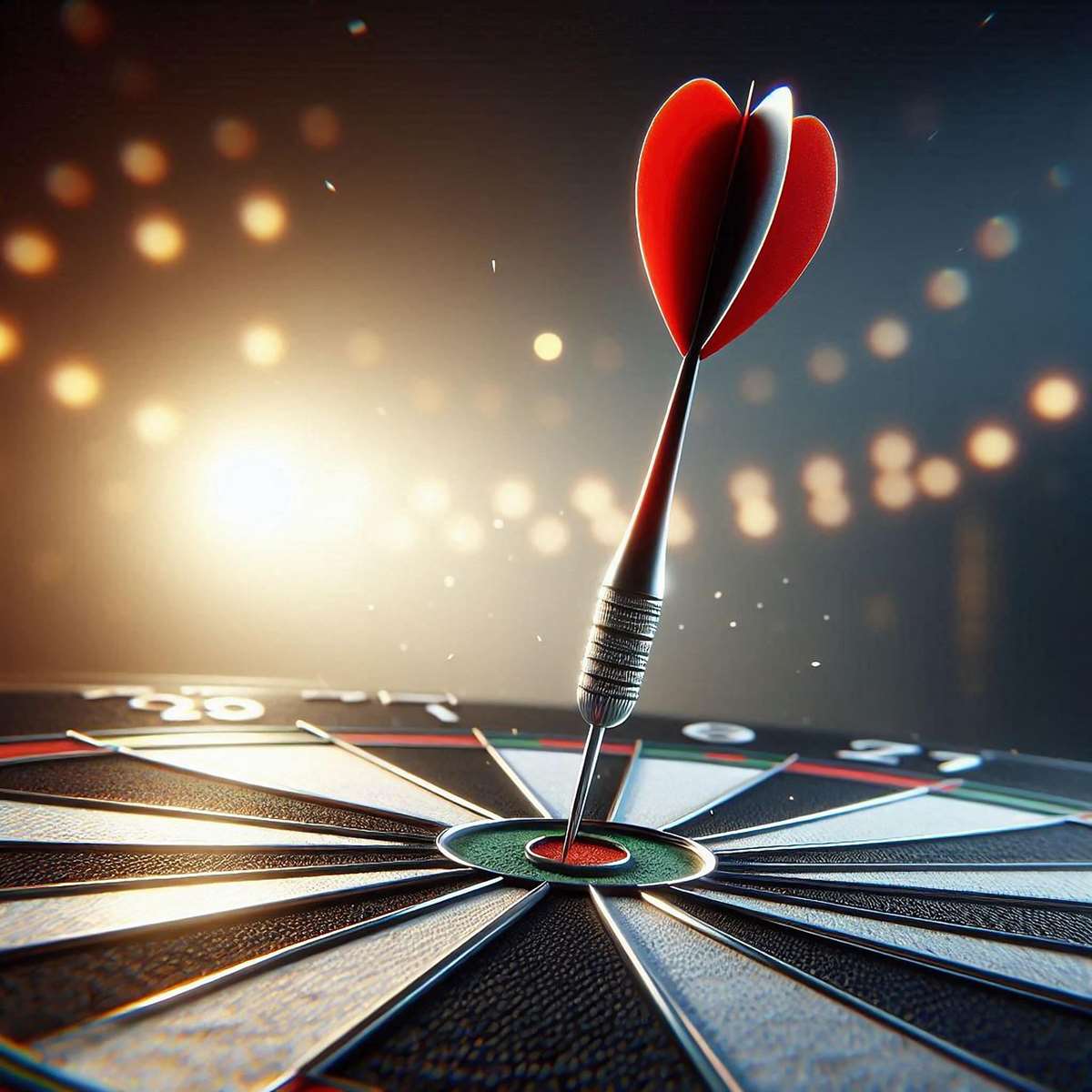
The type and density of your dartboard play a significant role in the wear and tear on your dart points. Sisal dartboards, which are the most common type for steel-tip darts, can be quite abrasive. Denser sisal boards will generally put more stress on your dart points, increasing the risk of bending or breaking. Regularly rotating your dartboard can help to distribute the wear and tear more evenly.
Throwing Style and Force
Your throwing style and the force with which you throw your darts can also affect the **durability** of your points. If you tend to throw your darts with a lot of force or at an extreme angle, you are more likely to experience bending or breakage. Experimenting with different throwing techniques and adjusting your grip can help to reduce the stress on your dart points.
Proper Maintenance and Sharpening
Regular maintenance is essential for maximizing the lifespan of your dart points. This includes cleaning your points to remove dirt and debris, as well as sharpening them to ensure they penetrate the dartboard properly. A dull dart point requires more force to penetrate the board, increasing the risk of bending or bouncing out. Consider if you should Choose Best Dart Equipment for sharpening your points.
- Cleaning: Wipe your dart points with a clean, dry cloth after each use to remove dirt and debris.
- Sharpening: Use a dart sharpener to maintain a sharp point. Be careful not to over-sharpen, as this can weaken the point and make it more prone to breaking.
- Storage: Store your darts in a case or holder to protect them from damage when not in use.
Choosing the Right Dart Point for Your Needs
Selecting the right dart point depends on your playing style, the type of dartboard you use, and your budget. Here are some factors to consider when making your decision.
Grip Type: Smooth vs. Grooved
Dart points come in various grip types, including smooth, grooved, and textured. The grip type affects how well the dart sticks in the board. Grooved dart points generally provide a better grip, but they can also be more prone to catching on the board and bending. Smooth points offer less grip but may be more durable in the long run.

Experiment with different grip types to see which one works best for you. If you find that your darts are frequently bouncing out of the board, a grooved point may be a good option. However, if you are primarily concerned with **durability**, a smooth point may be a better choice.
Point Length and Shape
The length and shape of the dart point can also affect its **durability** and performance. Longer points generally provide a more secure grip in the board, but they can also be more prone to bending. Shorter points may be less prone to bending but may also be more likely to bounce out.
The shape of the point can also impact its performance. Tapered points are designed to penetrate the board more easily, while rounded points may be more forgiving of off-center throws.
Budget Considerations
Dart points range in price from a few dollars to upwards of $20 or more per set. While it may be tempting to opt for the cheapest option, it is generally worth investing in higher-quality points that are made from more durable materials. High end items may influence Are Premium Darts Worth It for you.
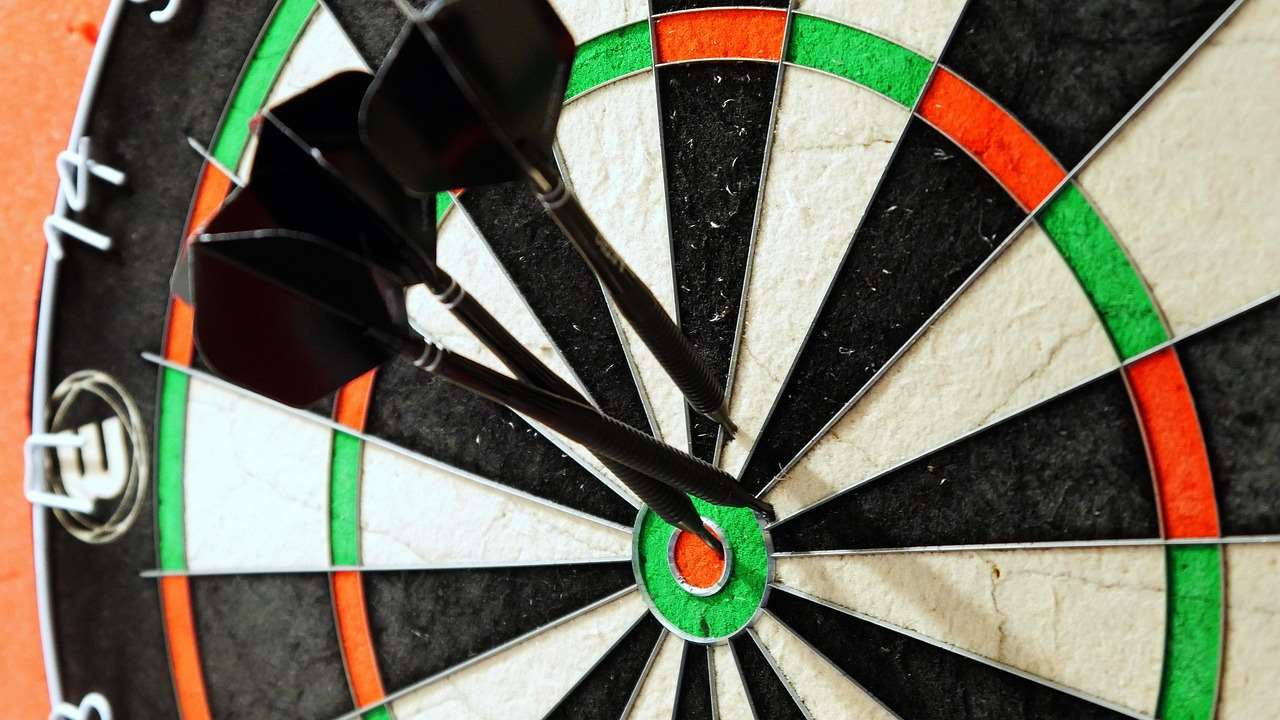
Keep in mind that the cost of replacing broken or bent dart points can quickly add up over time. Investing in more durable points upfront can save you money in the long run.
Tips for Extending Dart Point Material Durability
Here are some additional tips for extending the lifespan of your dart points:
- Avoid throwing at hard surfaces: Never throw your darts at walls, furniture, or other hard surfaces. This can quickly damage your dart points.
- Use a dart mat: A dart mat can help to protect your dart points if they bounce out of the board.
- Replace worn or damaged points: Don’t wait until your dart points are completely broken before replacing them. Worn or damaged points can damage your dartboard and affect your accuracy.
- Consider specialized point protectors: These can help to prevent bending and damage during storage and transport.
Alternatives to Steel: Other Materials and Coatings
While steel is the most common material for dart points, other materials and coatings are also used to enhance **dart point material durability** and performance.
Titanium Dart Points
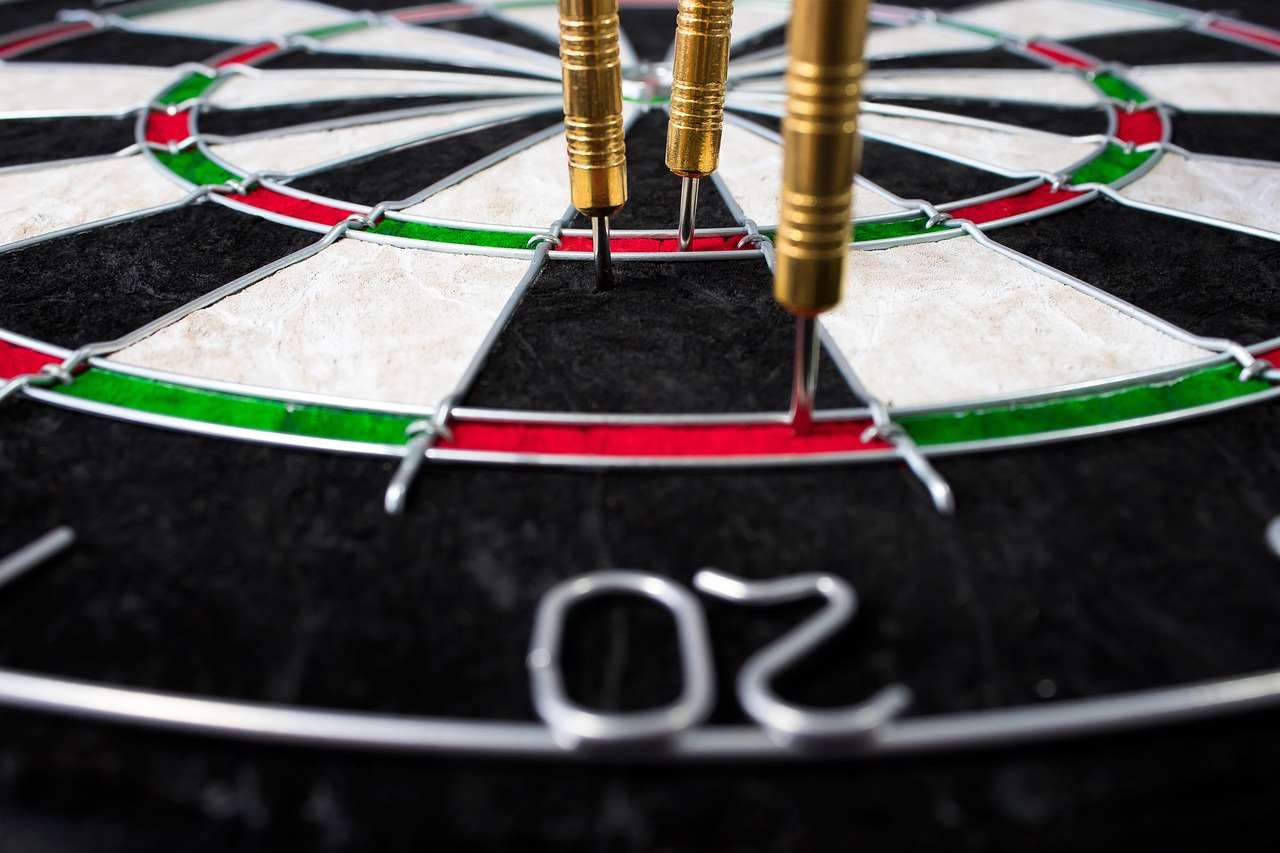
Titanium dart points are known for their exceptional strength and lightweight properties. Titanium is more resistant to bending and breaking than steel, making it a good choice for players who throw with a lot of force or who are looking for a more durable option. However, titanium dart points are typically more expensive than steel points.
Coatings and Treatments
Various coatings and treatments can be applied to dart points to improve their **durability** and performance. For example, some dart points are coated with titanium nitride, which increases their hardness and resistance to wear. Other treatments can help to prevent rust and corrosion.
Conclusion: Prioritizing Dart Point Material Durability
Choosing the right dart points and maintaining them properly are essential for consistent performance and longevity. By understanding the factors that affect **dart point material durability**, you can make informed decisions about which points to buy and how to care for them. Ultimately, prioritizing dart point material durability will save you money and improve your overall dart-playing experience. Be sure to select the best dart that you can. Browse our selection of Best Budget Darts For Beginners and get throwing!

Hi, I’m Dieter, and I created Dartcounter (Dartcounterapp.com). My motivation wasn’t being a darts expert – quite the opposite! When I first started playing, I loved the game but found keeping accurate scores and tracking stats difficult and distracting.
I figured I couldn’t be the only one struggling with this. So, I decided to build a solution: an easy-to-use application that everyone, no matter their experience level, could use to manage scoring effortlessly.
My goal for Dartcounter was simple: let the app handle the numbers – the scoring, the averages, the stats, even checkout suggestions – so players could focus purely on their throw and enjoying the game. It began as a way to solve my own beginner’s problem, and I’m thrilled it has grown into a helpful tool for the wider darts community.