Maintaining your darts in optimal condition significantly impacts your game, and understanding the ideal Dart Point Maintenance Frequency is key: aim to clean and sharpen your dart points every 2-4 weeks depending on how often you play and the type of board you use. This article will delve into the various factors influencing maintenance frequency, different cleaning and sharpening techniques, and how to extend the lifespan of your dart points.
⚠️ Still Using Pen & Paper (or a Chalkboard)?! ⚠️
Step into the future! The Dart Counter App handles all the scoring, suggests checkouts, and tracks your stats automatically. It's easier than you think!
Try the Smart Dart Counter App FREE!Ready for an upgrade? Click above!
Understanding Factors Influencing Dart Point Maintenance Frequency
The Dart Point Maintenance Frequency isn’t a one-size-fits-all rule. Several factors contribute to how often you need to maintain your darts, primarily your dart points. Consider the following:
- Frequency of Play: Obviously, the more you play, the faster your dart points will dull and accumulate debris. A casual player might get away with monthly maintenance, while a serious player might need to sharpen their points weekly.
- Type of Dartboard: Sisal fiber dartboards, the most common type for steel-tip darts, can be abrasive. Electronic dartboards, while gentler, can still cause wear and tear over time.
- Dart Point Material: Different materials wear differently. Some steel alloys are harder and more resistant to dulling than others.
- Playing Environment: A dusty or smoky environment can accelerate the accumulation of debris on your dart points.
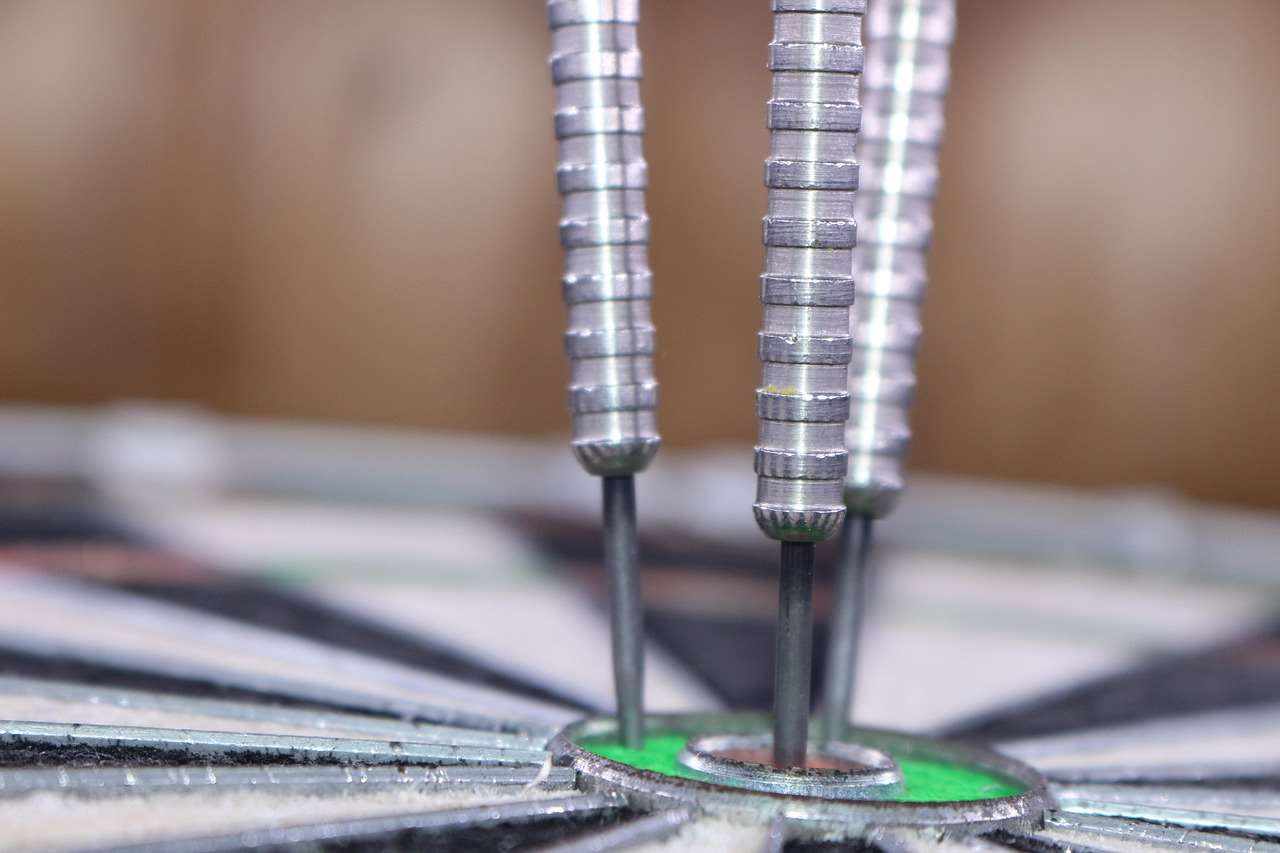
Regular inspection is key. Check your dart points before each game for burrs, bends, or excessive dullness. Addressing these issues promptly prevents further damage and maintains optimal grip on the dartboard.
Identifying When Dart Point Maintenance Is Needed
Knowing *when* to maintain your dart points is just as important as knowing *how*. Here are some telltale signs that it’s time for some TLC:
- Increased Bounce-Outs: If your darts are bouncing out of the board more frequently than usual, dull or damaged points are likely the culprit.
- Difficulty Sticking: If you find yourself having to push your darts into the board harder than normal, your points are likely dull.
- Visible Burrs or Damage: Inspect your dart points closely for any visible burrs, bends, or flattened tips.
- Inconsistent Flight: Damaged dart points can affect the aerodynamics of your dart, leading to inconsistent flight patterns.
Ignoring these signs can lead to frustration and even damage to your dartboard. Regular maintenance not only improves your game but also protects your equipment. Let’s Choose Best Dart Equipment and extend the life of your darts.
Cleaning Your Dart Points: A Simple Guide
Cleaning your dart points is a straightforward process that can significantly improve their performance. Here’s a simple guide:
- Gather Your Supplies: You’ll need a soft cloth, warm water, and mild soap (optional). You can also use rubbing alcohol for a deeper clean.
- Wipe Down the Points: Use the damp cloth to thoroughly wipe down each dart point, removing any visible dirt, dust, or debris.
- Stubborn Residue: For stubborn residue, use a small amount of mild soap or rubbing alcohol on the cloth. Be sure to rinse the points with clean water afterward if using soap.
- Dry Thoroughly: Use a clean, dry cloth to dry the dart points completely. Moisture can lead to rust and corrosion over time.
For a truly deep clean, consider using a specialized dart cleaning tool. These tools often have small brushes or abrasive pads that can reach into hard-to-clean areas.
Sharpening Your Dart Points: Maintaining the Edge
Sharpening your dart points is essential for ensuring they grip the dartboard properly. Here’s a breakdown of the process:
Choosing the Right Sharpener
Several types of dart sharpeners are available, ranging from simple handheld stones to more sophisticated electric sharpeners. Choose a sharpener that is appropriate for the type of dart points you have and your level of experience.
- Dart Sharpening Stones: These are the most common and affordable option. They require a bit of practice to use effectively but offer good control.
- Electric Dart Sharpeners: These are faster and easier to use than sharpening stones, but they can be more expensive.
The Sharpening Process
Regardless of the type of sharpener you use, the sharpening process is generally the same:
- Secure the Dart: Hold the dart securely in one hand, ensuring a firm grip.
- Apply Gentle Pressure: Gently apply the dart point to the sharpening surface, using a consistent angle.
- Rotate the Dart: Rotate the dart as you sharpen, ensuring that all sides of the point are evenly sharpened.
- Test the Sharpness: After sharpening, test the sharpness of the point by gently pressing it against your fingernail. It should grip slightly without digging in too deeply.
Avoid over-sharpening your dart points. An overly sharp point can damage the dartboard and increase the risk of bounce-outs. The goal is to create a slightly roughened surface that provides good grip without being overly aggressive.
Preventative Measures: Extending the Life of Your Dart Points
While regular cleaning and sharpening are essential, taking preventative measures can significantly extend the life of your dart points. Consider these tips:
- Use a Dartboard Surround: A dartboard surround protects the wall around your dartboard from stray darts, reducing the risk of damaging your dart points.
- Avoid Throwing Damaged Darts: If you notice any damage to your dart points, repair or replace them immediately. Throwing damaged darts can further damage your dartboard and exacerbate the problem.
- Store Your Darts Properly: When not in use, store your darts in a case or holder to protect them from damage and dust.
- Regularly Rotate Your Dartboard: Rotating your dartboard helps to distribute wear evenly, preventing certain areas from becoming overly worn and abrasive.
By implementing these preventative measures, you can minimize wear and tear on your dart points and reduce the Dart Point Maintenance Frequency needed.
Troubleshooting Common Dart Point Problems
Even with regular maintenance, you may encounter some common dart point problems. Here’s how to troubleshoot them:
Bent Dart Points
Bent dart points can significantly affect the flight of your dart and increase the risk of bounce-outs. To straighten a bent dart point, use a pair of pliers to gently bend it back into shape. Be careful not to apply too much pressure, as this can weaken the metal.
Broken Dart Points
Broken dart points need to be replaced. Replacing a broken point typically requires a specialized dart point removal tool and a new set of replacement points. If you’re not comfortable performing this repair yourself, consider taking your darts to a professional dart technician.
Dull Dart Points
Dull dart points are the most common problem and are easily remedied with a sharpening stone or electric sharpener. Remember to sharpen your points regularly to maintain optimal grip.
Advanced Dart Point Maintenance Techniques
For serious dart players, there are some advanced maintenance techniques that can further optimize dart performance.
Profiling Dart Points
Profiling involves shaping the dart point to achieve a specific grip characteristic. Different players prefer different profiles, depending on their throwing style and the type of dartboard they use. Experiment with different profiles to find what works best for you.
Using Specialized Dart Point Treatments
Some dart players use specialized treatments, such as polishing compounds or coatings, to further enhance the grip or durability of their dart points. These treatments can be effective but require careful application and experimentation.
Choosing the Right Dart Points for Your Game
The best Dart Point Maintenance Frequency starts with choosing the right points. Selecting the appropriate dart points for your playing style and dartboard is crucial for optimal performance and longevity. Consider the following factors:
- Point Length: Longer points tend to provide a more secure grip on the dartboard, while shorter points can reduce bounce-outs.
- Point Texture: Some points have a knurled or textured surface that provides extra grip.
- Point Material: Different materials, such as steel, titanium, and carbon fiber, offer different levels of durability and grip.
Experiment with different types of dart points to find what works best for you. Don’t be afraid to try new things and adjust your setup as needed.
Balancing Performance and Longevity
The goal of Dart Point Maintenance Frequency is to strike a balance between maximizing performance and extending the lifespan of your dart points. Over-sharpening can damage your dartboard and shorten the life of your points, while neglecting maintenance can lead to bounce-outs and inconsistent performance. Find a maintenance routine that works for you and stick to it. Regular maintenance not only enhances your game but also saves you money in the long run by extending the life of your dart equipment. Don’t underestimate the value of investing In Premium Dart Equipment.
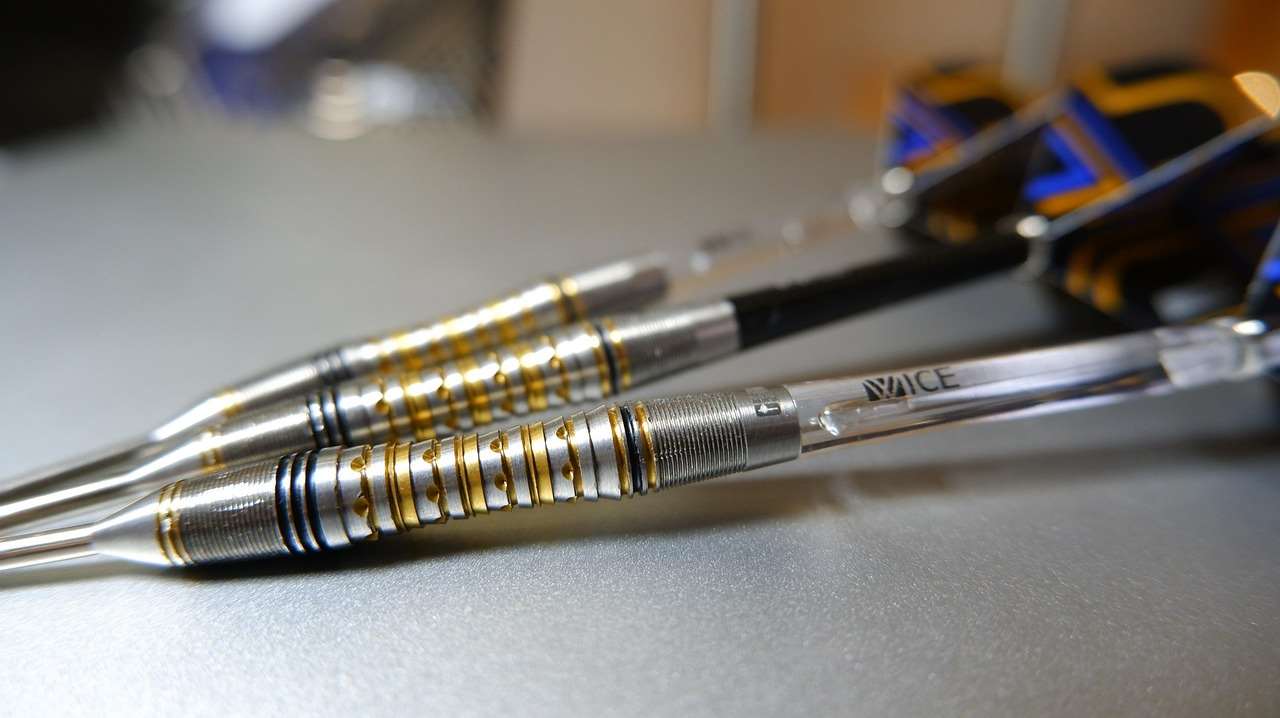
When considering Budget vs Premium Darts Compared, remember that the quality of the dart points contributes significantly to the overall performance and longevity of the dart. Choosing higher-quality points, even if they come with a slightly higher price tag, can often result in a better value in the long run due to their increased durability and resistance to wear. Consider the Quality Comparison Budget Premium Darts and the Finding Value Budget Dart Sets when making your purchase.
Conclusion: Mastering Dart Point Maintenance for Peak Performance
Proper Dart Point Maintenance Frequency is an essential aspect of any serious dart player’s game. By understanding the factors influencing maintenance frequency, implementing a regular cleaning and sharpening routine, and taking preventative measures, you can significantly improve your performance, extend the lifespan of your dart points, and save money in the long run. Remember to regularly inspect your darts, address any issues promptly, and experiment with different techniques to find what works best for you. Now that you understand the importance of dart maintenance, take the time to examine your current setup. Does your equipment need some TLC? Take action now to elevate your game.

Hi, I’m Dieter, and I created Dartcounter (Dartcounterapp.com). My motivation wasn’t being a darts expert – quite the opposite! When I first started playing, I loved the game but found keeping accurate scores and tracking stats difficult and distracting.
I figured I couldn’t be the only one struggling with this. So, I decided to build a solution: an easy-to-use application that everyone, no matter their experience level, could use to manage scoring effortlessly.
My goal for Dartcounter was simple: let the app handle the numbers – the scoring, the averages, the stats, even checkout suggestions – so players could focus purely on their throw and enjoying the game. It began as a way to solve my own beginner’s problem, and I’m thrilled it has grown into a helpful tool for the wider darts community.