Achieving the perfect **Dart Point Feel On Board** is crucial for consistent accuracy and a satisfying darting experience. This article will guide you through understanding how point selection, board condition, and even your throwing technique impact that all-important feel.
⚠️ Still Using Pen & Paper (or a Chalkboard)?! ⚠️
Step into the future! The Dart Counter App handles all the scoring, suggests checkouts, and tracks your stats automatically. It's easier than you think!
Try the Smart Dart Counter App FREE!Ready for an upgrade? Click above!
Understanding How Your Dart Point Affects the Feel On Board
The **dart point** is the primary point of contact between your dart and the board, so it heavily influences the **Dart Point Feel On Board**. Different point types, lengths, and textures can significantly alter how the dart enters the board and how securely it holds. A point that’s too blunt might cause bounce-outs, while one that’s too sharp could damage the board more quickly. Consider these factors when selecting your dart points:
- Point Length: Longer points tend to penetrate deeper, potentially offering a more secure hold. Shorter points may be preferred by players who want quicker release and less wobble.
- Point Type (Smooth vs. Gripped): Smooth points are generally easier to remove from the board but might offer less grip. Gripped points, on the other hand, provide more secure holding power but can sometimes be more difficult to extract.
- Point Material: Steel points are the standard for sisal dartboards. Conversion points (often made of plastic) are used to play on electronic dartboards.
Experiment with different types of points to determine what feels best for you and your throwing style. Your ideal **Dart Point Feel On Board** will be a balance between secure grip and smooth release.

The Impact of Board Condition on Dart Point Feel
The condition of your dartboard plays a vital role in how your darts feel upon impact. A well-maintained, sisal dartboard with tightly packed fibers will offer a firm, consistent surface for your dart points to grip. However, over time, dartboards can develop soft spots, especially in high-scoring areas. These soft spots will noticeably alter the **Dart Point Feel On Board**, leading to inconsistent dart placement and increased bounce-outs. If you’re thinking about updating your equipment, remember to Choose Best Dart Equipment.
Signs of a Worn Dartboard:
- Visible Soft Spots: Look for areas where the fibers appear loose or compressed.
- Increased Bounce-Outs: Darts frequently bouncing out of specific areas.
- Difficulty Removing Darts: Darts are either too easy or too difficult to pull out.
Regularly rotating your dartboard can help distribute wear and tear more evenly, extending its lifespan and maintaining a more consistent **Dart Point Feel On Board**.
Factors Contributing to Consistent Dart Point Feel
Beyond the point and the board, your own technique and equipment choices impact the feeling you experience when your dart hits the board. Consistent grip pressure, a smooth release, and proper stance can all contribute to a more predictable and satisfying **Dart Point Feel On Board**.
Here are some factors to consider:
- Grip Pressure: A consistent grip is crucial. Holding the dart too tightly can cause tension and affect your throw, while holding it too loosely might lead to instability.
- Release Technique: Strive for a smooth, controlled release. A jerky or forced release can disrupt the dart’s trajectory and affect the impact feel.
- Stance and Balance: Maintain a stable and balanced stance throughout your throw. This will help you deliver the dart with more consistency.
Remember, even subtle changes in your technique can affect the **Dart Point Feel On Board**, so pay attention to the details and make adjustments as needed.
The Role of Dart Weight and Balance
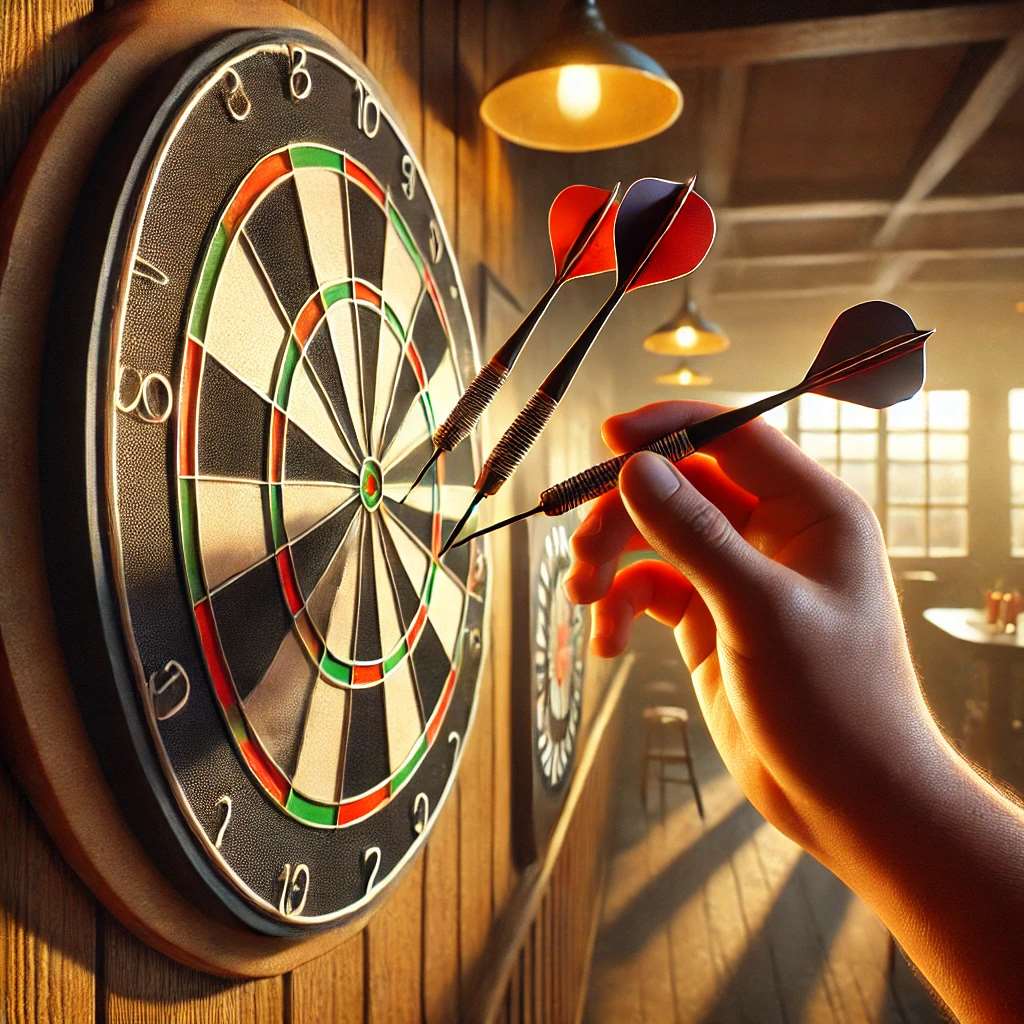
The weight and balance of your darts also have a surprising influence on the **Dart Point Feel On Board**. Heavier darts tend to penetrate the board more deeply and securely, while lighter darts may require more precision to stick. The balance point of the dart (the point at which it balances perfectly) affects how the dart flies and rotates in the air. Darts that are too front-weighted or too back-weighted can feel awkward or unstable, impacting your throwing accuracy and the final **Dart Point Feel On Board**.
Experiment with different dart weights and balance points to find what feels most comfortable and natural for you. Understanding how these factors influence your throw can help you fine-tune your equipment and improve your overall darting performance.
Optimizing Your Setup for the Best Dart Point Feel
Achieving the ideal **Dart Point Feel On Board** is a process of experimentation and refinement. By carefully considering the point type, board condition, throwing technique, and dart characteristics, you can create a setup that maximizes your consistency and enjoyment. Consider a Quality Comparison Budget Premium Darts when looking at all of these considerations.
Here are some tips for optimizing your setup:
- Try Different Points: Don’t be afraid to experiment with different point lengths, textures, and materials to find what works best for you.
- Maintain Your Dartboard: Regularly rotate your board to distribute wear and tear. Clean it periodically with a soft brush to remove loose fibers.
- Refine Your Technique: Practice consistently and focus on developing a smooth, controlled throw.
- Experiment with Dart Weight and Balance: Try different dart weights and balance points to find what feels most comfortable and natural.
- Consider Dart Shafts and Flights: Shorter shafts generally create a steeper flight trajectory, while longer shafts create a flatter trajectory. Flight shape also influences the darts path.
Troubleshooting Common Dart Point Feel Problems
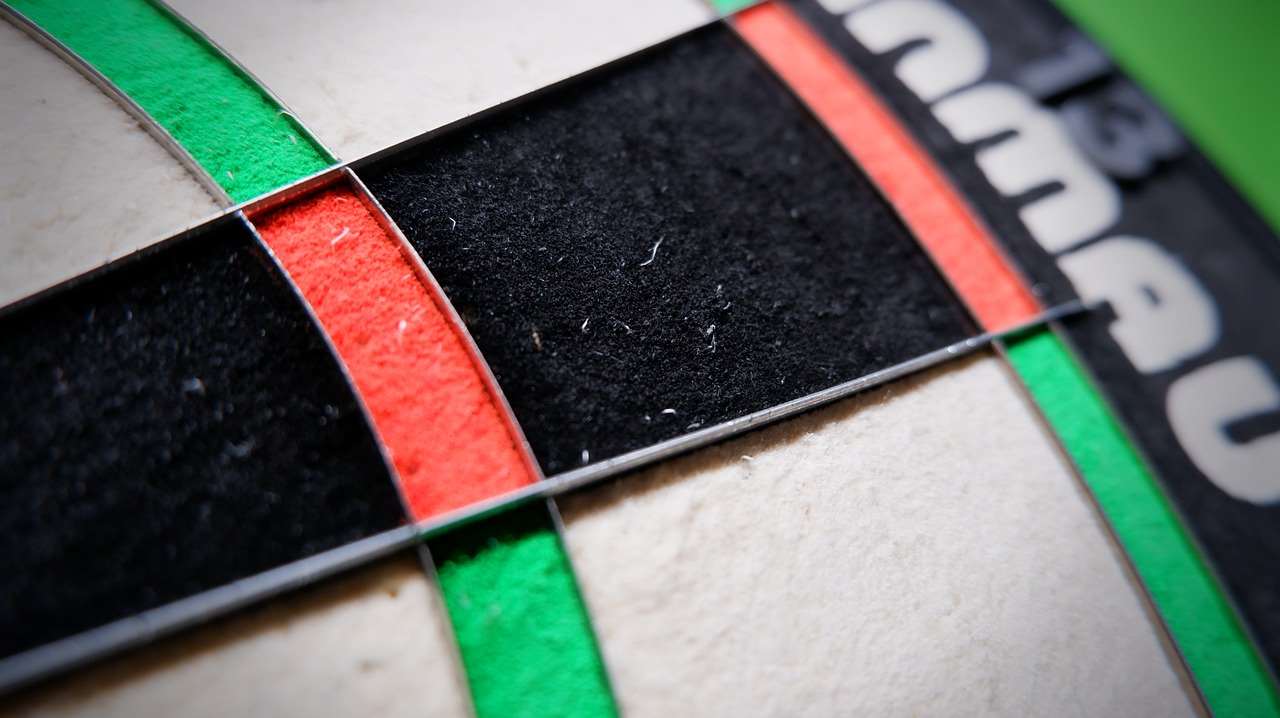
Even with the best equipment and technique, you may occasionally encounter problems with your **Dart Point Feel On Board**. Here are some common issues and potential solutions:
Bounce-Outs:
- Problem: Darts frequently bouncing out of the board.
- Possible Causes: Blunt points, soft spots on the board, incorrect throwing angle.
- Solutions: Sharpen or replace your points, rotate your dartboard, adjust your throwing angle.
Difficulty Removing Darts:
- Problem: Darts are difficult to remove from the board.
- Possible Causes: Gripped points, overly dense board fibers, excessive force when throwing.
- Solutions: Switch to smooth points, rotate or replace your dartboard, reduce your throwing force.
Wobbly Darts:
- Problem: Darts wobble or fishtail in the air.
- Possible Causes: Incorrect grip, unbalanced darts, inconsistent release.
- Solutions: Adjust your grip, check the balance of your darts, focus on a smooth, controlled release.
Advanced Techniques for Optimizing Dart Point Feel On Board
For experienced dart players looking to further refine their **Dart Point Feel On Board**, there are several advanced techniques to consider:
- Point Sharpening: Regularly sharpening your dart points can improve their grip and reduce bounce-outs. However, be careful not to over-sharpen, as this can damage the board.
- Board Conditioning: Some players use specialized board conditioning products to help maintain the moisture content and density of the sisal fibers.
- Custom Dart Setups: Experimenting with custom dart setups, such as different shaft lengths and flight shapes, can help you fine-tune your dart’s trajectory and feel.
Remember, these advanced techniques are best suited for players who already have a solid foundation in the fundamentals of dart throwing.
Conclusion: Achieving Your Perfect Dart Point Feel
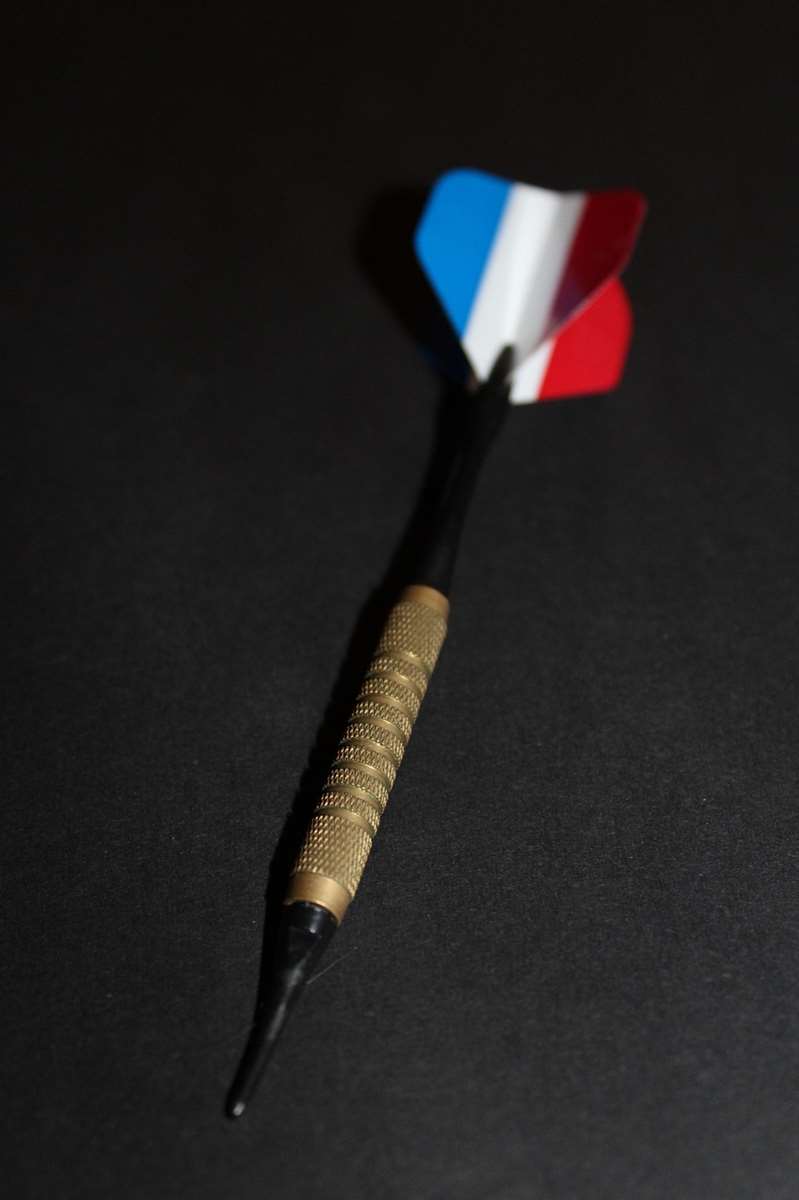
Finding your ideal **Dart Point Feel On Board** is a journey of discovery, combining equipment adjustments with technique refinement. By understanding the factors that influence this crucial feel – from dart points and board conditions to your own throwing style – you can create a setup that optimizes your consistency and maximizes your enjoyment of the game. Don’t be afraid to experiment, make small adjustments, and pay close attention to how each change affects your performance. With dedication and attention to detail, you’ll be well on your way to achieving a perfect **Dart Point Feel On Board** and taking your dart game to the next level. If you have questions about how budgets compare, review the Budget vs Premium Darts Compared, and take your knowledge to the next level.

Hi, I’m Dieter, and I created Dartcounter (Dartcounterapp.com). My motivation wasn’t being a darts expert – quite the opposite! When I first started playing, I loved the game but found keeping accurate scores and tracking stats difficult and distracting.
I figured I couldn’t be the only one struggling with this. So, I decided to build a solution: an easy-to-use application that everyone, no matter their experience level, could use to manage scoring effortlessly.
My goal for Dartcounter was simple: let the app handle the numbers – the scoring, the averages, the stats, even checkout suggestions – so players could focus purely on their throw and enjoying the game. It began as a way to solve my own beginner’s problem, and I’m thrilled it has grown into a helpful tool for the wider darts community.