Dart point coatings significantly impact a dart’s grip, release, and overall performance; different coatings offer varying levels of texture and adhesion, influencing how the dart sticks to the board and feels in your hand. This comprehensive guide dives into Dart Point Coatings Explained, exploring the various types, their pros and cons, and how to choose the right coating for your throwing style.
⚠️ Still Using Pen & Paper (or a Chalkboard)?! ⚠️
Step into the future! The Dart Counter App handles all the scoring, suggests checkouts, and tracks your stats automatically. It's easier than you think!
Try the Smart Dart Counter App FREE!Ready for an upgrade? Click above!
Dart Point Coatings Explained: An In-Depth Look
Choosing the right dart point is crucial for improving your game. A seemingly small detail like the coating can make a significant difference in your accuracy and consistency. Let’s delve into the world of dart point coatings explained to help you make an informed decision. Understanding the different types of coatings, and their individual properties, can really help you Choose Best Dart Equipment.
Types of Dart Point Coatings
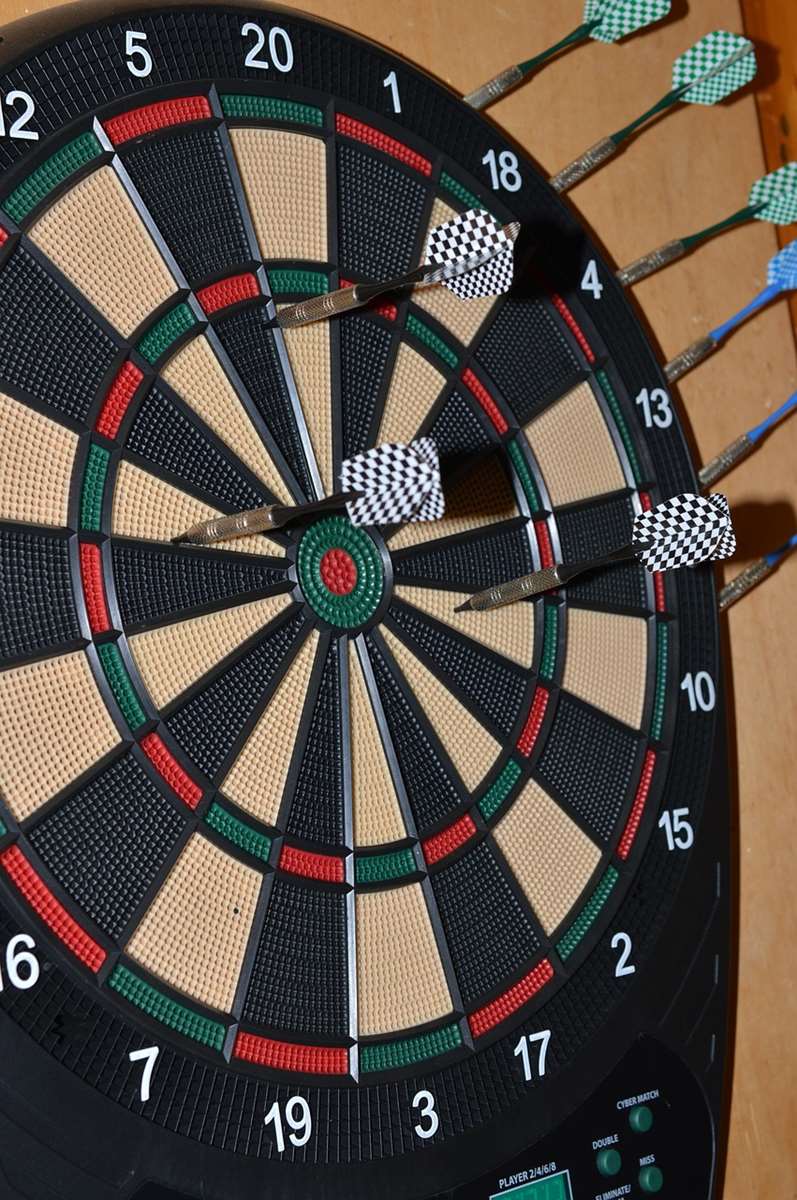
Several types of coatings are available, each designed with specific characteristics and benefits. Here are some of the most common:
- Plain Steel: The most basic and affordable option, offering a smooth, consistent surface. Requires regular maintenance to avoid rust and ensure optimal grip.
- Sandblasted: Provides a slightly textured surface for enhanced grip. A popular choice for players who prefer a more tactile feel.
- Black Coated: Offers a sleek aesthetic and a slightly increased grip compared to plain steel. The coating can wear off over time, affecting performance.
- Diamond Coated: Features a very aggressive grip due to the embedded diamond particles. Ideal for players who want maximum board adhesion. However, can cause more damage to the dartboard.
- Titanium Nitride (TiN) Coated: Known for its durability and scratch resistance. Offers a smooth yet grippy surface that maintains its integrity over extended use.
- Gold Coated: Primarily aesthetic, offering minimal functional benefits beyond corrosion resistance.
- Plasma Coated: Extremely durable and provides a unique textured surface for exceptional grip and control. Often found on higher-end darts.
The Importance of Grip in Dart Point Coatings
Grip is a critical factor in darting. It dictates how securely you hold the dart and how smoothly it releases from your fingers. The right dart point coatings explained can significantly enhance your grip, leading to improved accuracy and consistency. Consider your throwing style when choosing a coating. Do you prefer a smooth release or a more tactile grip?
The surface finish of your darts makes a big difference, even if you are looking at Best Budget Darts For Beginners. The material composition, the knurling, and the coating all work together to influence the grip.
Pros and Cons of Different Dart Point Coatings
Each type of coating has its advantages and disadvantages. Understanding these pros and cons is crucial for making an informed decision.
Plain Steel
- Pros: Affordable, readily available, consistent surface.
- Cons: Prone to rust, requires frequent sharpening, may lack sufficient grip for some players.
Sandblasted
- Pros: Enhanced grip, durable, relatively inexpensive.
- Cons: Can wear down over time, may require occasional cleaning to maintain grip.
Black Coated
- Pros: Stylish, provides a decent grip, affordable.
- Cons: Coating can chip or wear off easily, affecting performance and appearance.
Diamond Coated
- Pros: Maximum grip, excellent board adhesion.
- Cons: Can damage the dartboard, may be too aggressive for some players, can be difficult to release smoothly.
Titanium Nitride (TiN) Coated
- Pros: Durable, scratch-resistant, smooth yet grippy, maintains performance over time.
- Cons: More expensive than other coatings.
Plasma Coated
- Pros: Highly durable, exceptional grip, unique textured surface.
- Cons: Most expensive option.
When evaluating Budget vs Premium Darts Compared, consider that higher-priced options often feature more advanced coatings like TiN or plasma, which can justify the investment.
Choosing the Right Dart Point Coating for Your Throwing Style
The ideal coating depends heavily on your individual throwing style and preferences. Consider these factors:
- Grip Preference: Do you prefer a smooth, gentle release or a firm, controlled grip? If you prefer a smoother release, opt for plain steel or TiN. If you need more grip, consider sandblasted or diamond-coated points.
- Board Type: Some coatings work better with specific dartboard types. For example, diamond-coated points may be too aggressive for sisal boards, causing excessive wear.
- Maintenance: Are you willing to regularly maintain your dart points? Plain steel requires frequent sharpening and rust prevention, while other coatings are more maintenance-free.
- Budget: Coatings range in price, from affordable plain steel to expensive plasma-coated options. Determine your budget and choose a coating that fits your needs.
Experiment with different coatings to find what works best for you. Visit a local dart shop or try out different darts from friends to get a feel for the various options. Don’t be afraid to Investing In Premium Dart Equipment to elevate your game.
Maintaining Your Dart Point Coatings
Proper maintenance is crucial for extending the lifespan and performance of your dart point coatings. Here are some tips:
- Regular Cleaning: Clean your dart points regularly with a soft cloth to remove dirt, dust, and oils.
- Sharpening: Sharpen plain steel points regularly to maintain a good grip on the board. Use a dart point sharpener specifically designed for this purpose.
- Rust Prevention: Apply a light coat of oil to plain steel points to prevent rust.
- Avoid Abrasive Cleaners: Do not use abrasive cleaners or solvents, as they can damage the coating.
- Storage: Store your darts in a case or holder to protect them from damage and corrosion.
Proper care ensures your darts perform optimally and last longer, saving you money in the long run.
The Future of Dart Point Coatings
The technology behind dart point coatings is constantly evolving. Manufacturers are exploring new materials and techniques to create even more durable, grippy, and performance-enhancing coatings. Expect to see advancements in plasma coatings, composite materials, and nanotechnology that further improve dart performance.
Conclusion
Understanding Dart Point Coatings Explained is essential for optimizing your dart game. By considering the different types of coatings, their pros and cons, and your individual throwing style, you can choose the perfect point to enhance your accuracy and consistency. Remember to maintain your dart points properly to prolong their lifespan and performance. Ready to take your dart game to the next level? Explore the world of dart point coatings and discover the difference they can make! Consider different grip styles and What Makes Darts Premium Quality when choosing your darts. Upgrade your darts now and experience the difference!

Hi, I’m Dieter, and I created Dartcounter (Dartcounterapp.com). My motivation wasn’t being a darts expert – quite the opposite! When I first started playing, I loved the game but found keeping accurate scores and tracking stats difficult and distracting.
I figured I couldn’t be the only one struggling with this. So, I decided to build a solution: an easy-to-use application that everyone, no matter their experience level, could use to manage scoring effortlessly.
My goal for Dartcounter was simple: let the app handle the numbers – the scoring, the averages, the stats, even checkout suggestions – so players could focus purely on their throw and enjoying the game. It began as a way to solve my own beginner’s problem, and I’m thrilled it has grown into a helpful tool for the wider darts community.