The core advancement in dart material technology centers around the pursuit of denser, more durable materials that allow for slimmer barrel designs and enhanced grip, ultimately improving accuracy and scoring potential. This article explores these Dart Material Technology Advancements, delving into the specifics of materials used, their benefits, and future trends in the sport. You’ll learn about tungsten alloys, polymers, coatings, and how these influence the performance and lifespan of your darts.
⚠️ Still Using Pen & Paper (or a Chalkboard)?! ⚠️
Step into the future! The Dart Counter App handles all the scoring, suggests checkouts, and tracks your stats automatically. It's easier than you think!
Try the Smart Dart Counter App FREE!Ready for an upgrade? Click above!
Understanding the Evolution of Dart Materials
The history of dart materials is a story of continuous improvement, driven by the desire for enhanced performance. Early darts were often made from simple materials like wood, brass, or even lead. However, these materials lacked the density and durability required for consistent accuracy and longevity. The introduction of tungsten alloys marked a significant turning point, paving the way for the sophisticated dart designs we see today. Understanding this evolution helps appreciate the impact of Dart Material Technology Advancements.
Before focusing on specific materials, it’s crucial to understand the key properties that make a material suitable for dart construction:
- Density: Higher density allows for a slimmer barrel design, which improves grouping and reduces deflection.
- Durability: A durable material resists wear and tear from repeated impacts, ensuring a longer lifespan.
- Grip: The surface texture and material properties influence the grip, which is essential for consistent release.
- Machinability: The material must be easily machined into precise shapes and designs.
Key Materials Used in Modern Darts
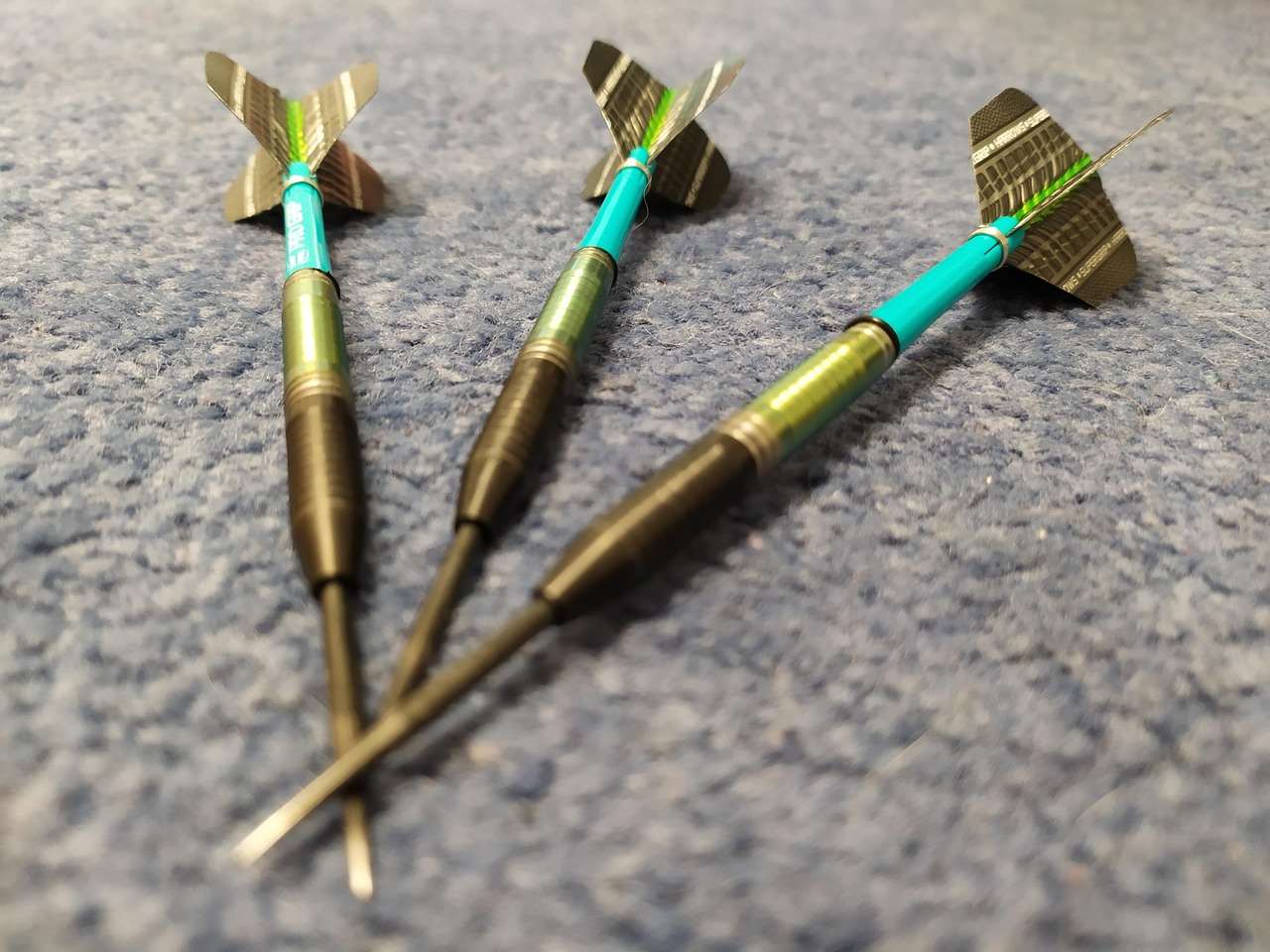
Several materials are currently used in dart manufacturing, each offering a unique combination of properties. These materials, and the blends/coatings applied, form the bedrock of Dart Material Technology Advancements.
Tungsten Alloys: The Gold Standard
Tungsten alloys are the most popular choice for professional-grade darts due to their exceptional density. Tungsten is a very dense metal (approximately twice as dense as brass), allowing manufacturers to create slimmer barrels without sacrificing weight. This slimmer profile enables tighter groupings on the dartboard and reduces the chance of deflections. Learn more at: Tungsten Darts Pros Cons Explained.
The tungsten percentage in an alloy is a key indicator of its density and quality. Higher tungsten percentages result in slimmer, denser barrels. Common tungsten percentages range from 80% to 97%, with 90% being a popular choice among professional players. The remaining percentage typically consists of nickel, copper, or other metals that improve machinability. Understanding the tungsten percentage is central to Dart Material Technology Advancements.
Brass: An Economical Option
Brass darts are a more affordable option, often preferred by beginners or casual players. While brass is less dense than tungsten, it’s still a relatively durable material. Brass darts are typically bulkier than tungsten darts, which can affect grouping and increase the likelihood of deflections. For more information see: Brass vs Tungsten Darts Comparison.
Nickel Silver: A Middle Ground
Nickel silver darts offer a compromise between brass and tungsten in terms of both price and performance. Nickel silver is more durable than brass but less dense than tungsten. This material can be a good option for players who are looking for an upgrade from brass without investing in high-end tungsten darts. Explore options with our Nickel Silver Darts Full Info guide.
Coatings and Finishes
Beyond the core material, coatings and finishes play a significant role in enhancing the grip, durability, and aesthetics of darts. Dart Material Technology Advancements also extend to these surface treatments.
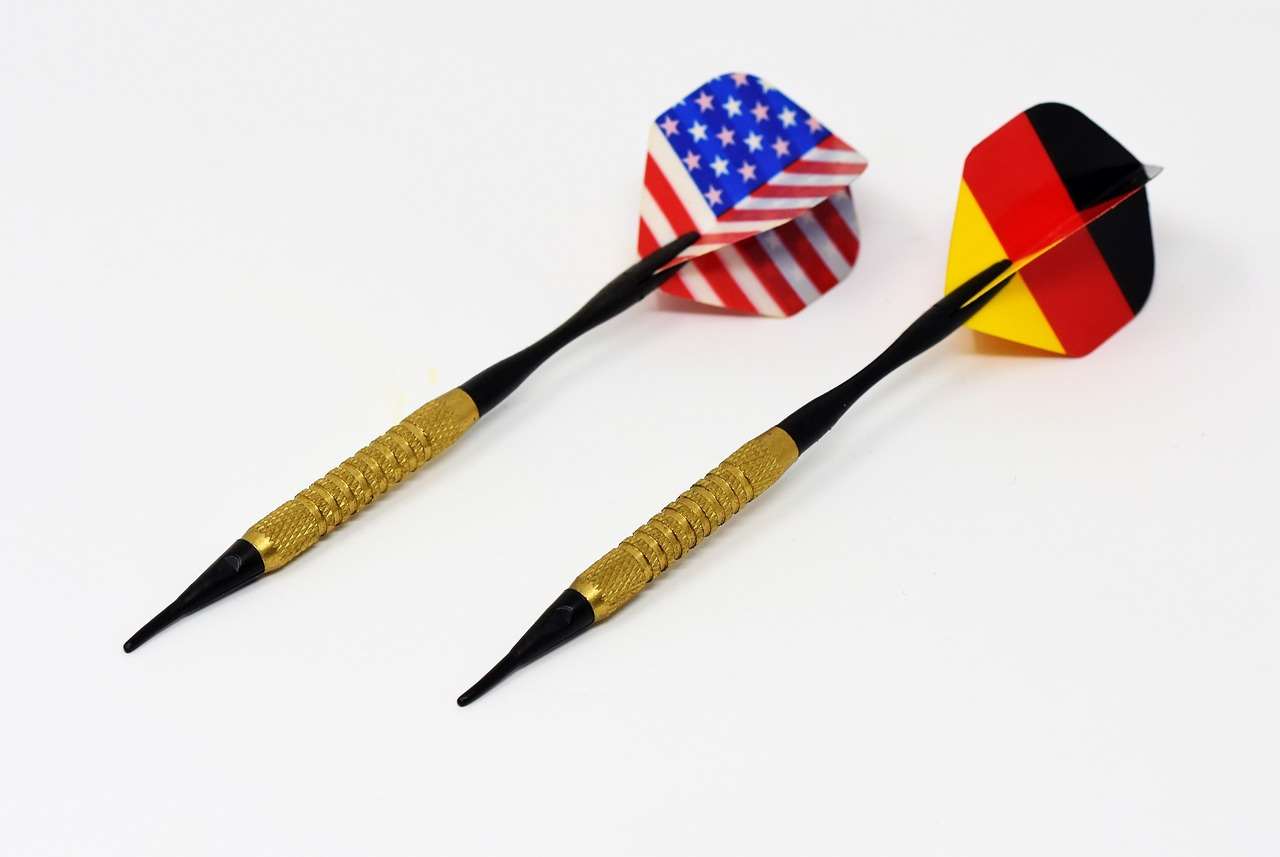
- Titanium Nitride (TiN): This coating provides exceptional hardness and wear resistance, protecting the barrel from scratches and dings. It can also add a gold-colored finish.
- Black Coating (Oxide or Nitride): This provides good grip and a sleek look. It can wear over time, revealing the underlying metal.
- Powder Coating: Offers a wide range of colors and textures, adding grip and protecting the barrel.
- Anodizing: Primarily used on aluminum shafts and flights, anodizing provides a durable and colorful finish.
Impact of Material on Dart Performance
The material composition of a dart directly influences its performance characteristics. This makes Dart Material Technology Advancements critical for improving player outcomes. Consider these points:
- Grouping: Slimmer tungsten darts allow for tighter groupings, increasing scoring potential.
- Deflections: Denser materials reduce the likelihood of deflections, ensuring that darts fly true.
- Grip: The material and finish affect the grip, which is essential for consistent release and accuracy.
- Balance: The distribution of weight within the dart barrel influences its flight trajectory and stability.
Choosing the best dart equipment involves understanding how these properties impact your throwing style. For more informed decisions, check out Choose Best Dart Equipment.
Future Trends in Dart Material Technology Advancements
The field of Dart Material Technology Advancements is constantly evolving, with ongoing research focused on developing even better materials and coatings. Some potential future trends include:
- Advanced Alloys: Exploring new tungsten alloys with even higher densities and improved machinability.
- Composite Materials: Investigating the use of composite materials, such as carbon fiber reinforced polymers, to create lightweight and durable darts.
- Smart Darts: Integrating sensors and electronics into darts to provide real-time feedback on throwing technique and accuracy.
- Bio-Based Materials: Exploring sustainable and eco-friendly materials for dart construction.
These advancements promise to further enhance dart performance and provide players with even greater control and accuracy. It’s worth noting the Why Choose High Tungsten Darts for a glimpse into the direction this is headed.
Caring for Your Darts to Maximize Lifespan
Regardless of the material, proper care and maintenance are essential for maximizing the lifespan of your darts. Here are some tips:
- Regular Cleaning: Clean your darts regularly with a soft cloth to remove dirt and grime.
- Storage: Store your darts in a case or container to protect them from damage.
- Sharpening: Sharpen your dart points regularly to ensure they stick properly in the dartboard.
- Replacing Flights and Shafts: Replace worn or damaged flights and shafts to maintain optimal performance.
Choosing the Right Dart Material for Your Skill Level
The best material for darts barrels depends on your skill level, budget, and playing style. Beginners may find brass darts to be a suitable and affordable starting point, while more experienced players often prefer the performance and feel of tungsten darts. Consider the Beginner Dart Barrel Materials Guide when making your choice.
Ultimately, the best way to determine the right dart material for you is to experiment with different options and find what feels most comfortable and performs best for your throwing style. Don’t be afraid to try different materials and coatings until you find the perfect fit. Remember that Dart Material Technology Advancements are constantly reshaping what’s possible!
When budget is a concern, understand the Cheap Dart Materials Buying Guide, but don’t let cost compromise performance if you’re serious about improving.
Conclusion
Dart Material Technology Advancements have significantly impacted the performance and design of modern darts. From the introduction of tungsten alloys to the development of advanced coatings, these innovations have enabled players to achieve greater accuracy, consistency, and control. By understanding the properties of different materials and how they affect dart performance, players can make informed decisions when choosing their equipment and maximize their potential on the oche. As technology continues to evolve, we can expect to see even more exciting advancements in dart materials, further enhancing the sport for players of all skill levels.
Ready to upgrade your darts and improve your game? Explore the latest dart materials and technologies at your local sporting goods store or online retailer. Research the options, read reviews, and find the darts that best suit your needs and playing style. Don’t just throw darts – throw the *right* darts!

Hi, I’m Dieter, and I created Dartcounter (Dartcounterapp.com). My motivation wasn’t being a darts expert – quite the opposite! When I first started playing, I loved the game but found keeping accurate scores and tracking stats difficult and distracting.
I figured I couldn’t be the only one struggling with this. So, I decided to build a solution: an easy-to-use application that everyone, no matter their experience level, could use to manage scoring effortlessly.
My goal for Dartcounter was simple: let the app handle the numbers – the scoring, the averages, the stats, even checkout suggestions – so players could focus purely on their throw and enjoying the game. It began as a way to solve my own beginner’s problem, and I’m thrilled it has grown into a helpful tool for the wider darts community.