The future of darts is being shaped by innovative materials, promising enhanced performance, durability, and player customization. This article delves into the exciting Dart Material Innovation Trends, exploring cutting-edge materials and technologies revolutionizing dart design and construction, and ultimately improving gameplay. We’ll cover everything from advanced alloys and composites to grip enhancements and coating technologies.
⚠️ Still Using Pen & Paper (or a Chalkboard)?! ⚠️
Step into the future! The Dart Counter App handles all the scoring, suggests checkouts, and tracks your stats automatically. It's easier than you think!
Try the Smart Dart Counter App FREE!Ready for an upgrade? Click above!
Exploring Current Dart Material Innovation Trends
The world of darts is constantly evolving, and a key driver of this evolution is the ongoing innovation in materials used to craft these precision instruments. Beyond the traditional materials like brass and tungsten, manufacturers are experimenting with new alloys, composites, and coatings to enhance performance, durability, and aesthetics. Understanding these trends is crucial for players looking to gain a competitive edge and for manufacturers aiming to stay ahead of the curve.
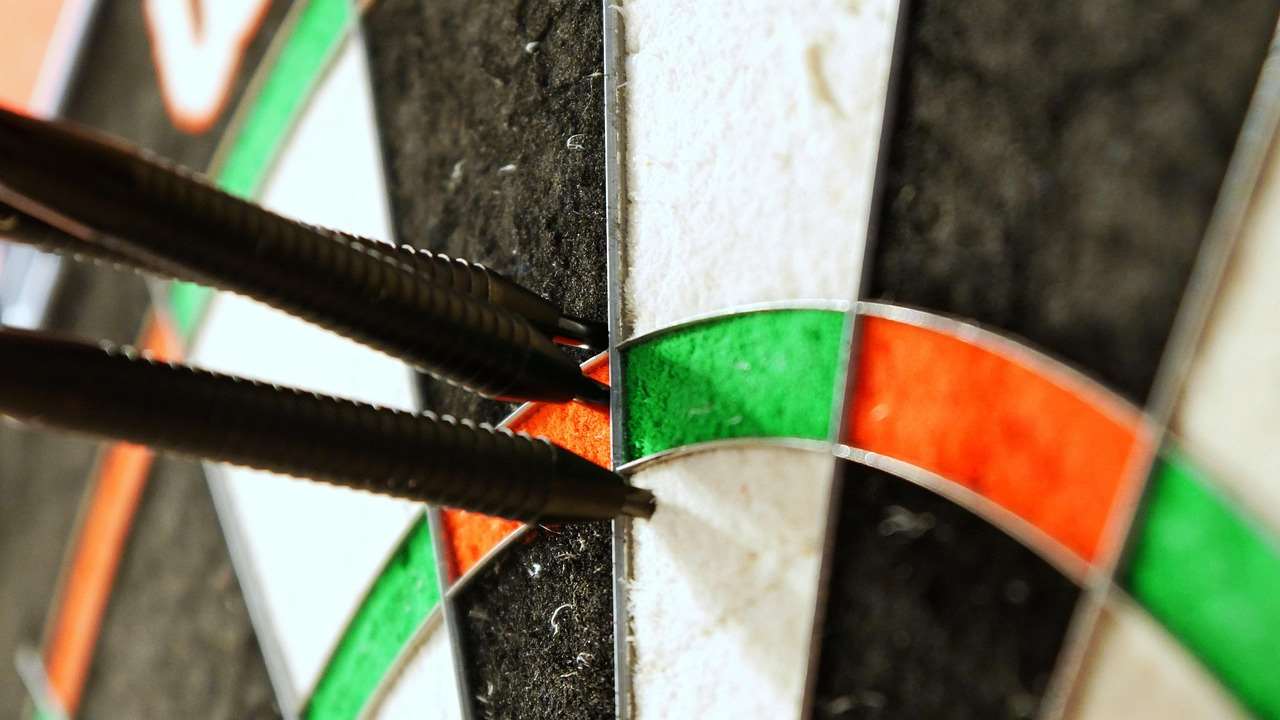
One of the most significant trends is the increased use of tungsten alloys with higher densities. Higher tungsten content allows for slimmer barrel profiles, concentrating the weight and improving aerodynamics. This, in turn, leads to tighter groupings and higher scores. We will explore this more deeply in the next sections.
High-Density Tungsten Alloys
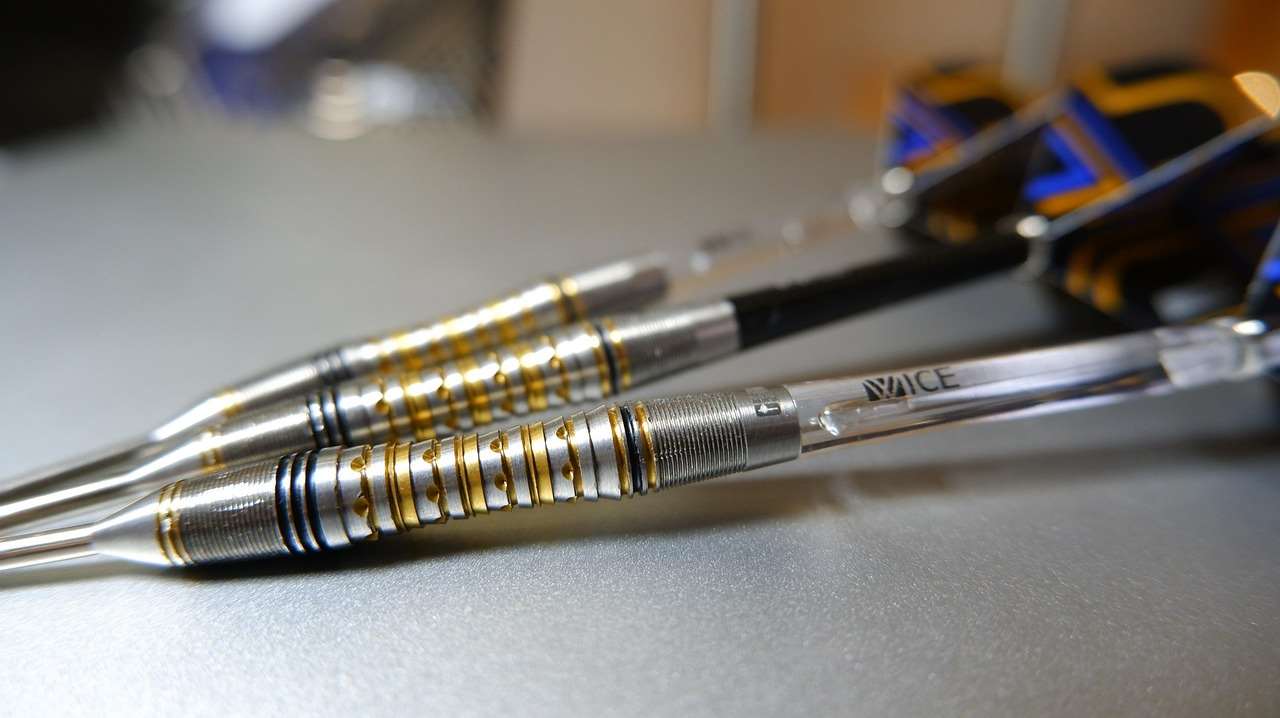
Tungsten has long been the material of choice for serious dart players, but recent advancements in metallurgy have led to the development of even denser tungsten alloys. A higher density allows manufacturers to create darts with a smaller diameter for the same weight. This slim profile reduces air resistance and allows for tighter groupings on the dartboard. Players can benefit from Why Choose High Tungsten Darts if they want more consistent accuracy.
- Benefits:
- Improved aerodynamics
- Tighter groupings
- Increased scoring potential
- Considerations:
- Higher cost
- May require adjustment period for players used to wider barrels
Composite Materials
While less common than tungsten alloys, composite materials are starting to make inroads in the dart world. These materials, such as carbon fiber and reinforced polymers, offer a unique combination of strength, lightweight, and vibration dampening properties. This can lead to a more comfortable and controlled throwing experience.
These are usually found in the stems and flights, but are starting to appear in the barrel construction as well as a dampening material.
Grip Enhancements and Advanced Coatings
Beyond the core materials used for the barrel, significant innovation is happening in grip enhancements and coatings. These advancements aim to improve player comfort, control, and the longevity of the darts. These aspects are often overlooked, but are extremely important to improve the playability of darts.
Grip Technology Advancements
The grip is the crucial connection between the player and the dart. Recent innovations in grip technology focus on providing enhanced texture and tactile feedback. This can include:
- Micro-grip patterns: Tiny, precisely engineered patterns that provide a secure grip without being overly aggressive.
- Variable grip zones: Strategically placed grip zones with different textures to accommodate various throwing styles and finger placements.
- Ergonomic designs: Barrel shapes and contours designed to fit comfortably in the hand and promote a consistent grip.
Choosing the Choose Best Dart Equipment is essential to improving your overall experience.
Protective and Performance Coatings
Coatings play a vital role in protecting the dart from wear and tear, enhancing grip, and improving aesthetics. Some key trends in coatings include:
- Titanium Nitride (TiN): A durable, scratch-resistant coating that adds a touch of style.
- Diamond-Like Carbon (DLC): An extremely hard and wear-resistant coating that extends the lifespan of the dart.
- PVD (Physical Vapor Deposition) Coatings: A versatile coating process that allows for a wide range of colors and finishes.
The Impact of Dart Material Innovation Trends on Performance
Ultimately, the purpose of material innovation is to enhance performance on the dartboard. The advancements discussed above have a direct impact on several key aspects of the game.
Improved Accuracy and Consistency
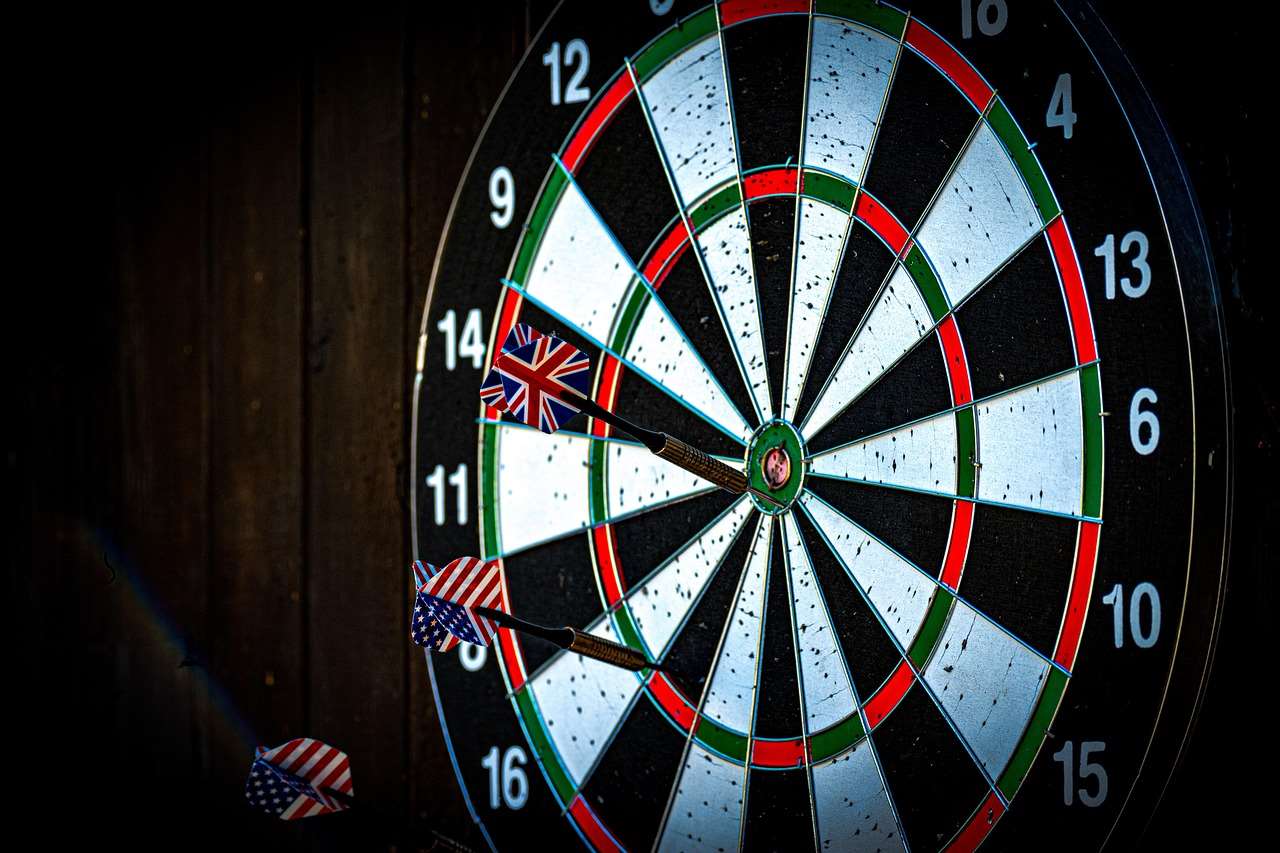
Higher density tungsten alloys and optimized barrel profiles contribute to improved accuracy and consistency. The slimmer barrels reduce air resistance, allowing the dart to fly straighter and more predictably. This is especially beneficial for players who rely on a consistent release point.
Players should research Choose Right Dart Material Guide when looking for the best materials for them.
Enhanced Control and Feel
Grip enhancements and ergonomic designs provide players with greater control and feel over the dart. The enhanced texture and tactile feedback allow for a more secure and confident grip, while the ergonomic shapes promote a natural and comfortable hand position. This all contributes to a smoother and more controlled throwing motion.
Increased Durability and Longevity
Protective coatings, such as TiN and DLC, significantly increase the durability and longevity of the darts. These coatings protect the barrel from scratches, dings, and other wear and tear, ensuring that the darts maintain their performance and appearance for longer. While Brass vs Tungsten Darts Comparison will clearly show that tungsten is superior when durability is required.
The Future of Dart Materials: What’s Next?
The field of dart materials is constantly evolving, and several exciting developments are on the horizon. As technology continues to advance, we can expect to see even more innovative materials and designs that further enhance performance and player experience.
Emerging Materials and Technologies
Some potential future trends in dart materials include:
- Shape Memory Alloys: Alloys that can be deformed and then return to their original shape, potentially allowing for darts that can self-correct after impact.
- 3D Printing: Custom darts can be manufactured to exact specifications, allowing players to fine-tune their equipment.
- Bio-Based Materials: Sustainable and environmentally friendly materials that offer comparable performance to traditional materials.
Customization and Personalization
The future of darts is also likely to involve greater customization and personalization. Players will be able to choose from a wider range of materials, grip patterns, and coatings to create darts that are perfectly tailored to their individual needs and preferences. 3D printing is a technology that is becoming cheaper to use for manufacturing, so this trend seems even more likely.
Conclusion: Embracing Dart Material Innovation Trends
Dart Material Innovation Trends are reshaping the game, offering players unprecedented opportunities to enhance their performance and personalize their equipment. From high-density tungsten alloys to advanced grip enhancements and protective coatings, these advancements are driving improvements in accuracy, control, durability, and aesthetics. By staying informed about these trends and embracing the latest technologies, players can gain a competitive edge and elevate their dart game to the next level.
Ready to upgrade your darts and experience the benefits of material innovation? Explore the latest offerings from leading dart manufacturers and find the perfect set to match your style and skill level. Don’t hesitate to experiment with different materials, grip patterns, and coatings to discover what works best for you. By embracing the future of dart technology, you can unlock your full potential and enjoy the game to its fullest.

Hi, I’m Dieter, and I created Dartcounter (Dartcounterapp.com). My motivation wasn’t being a darts expert – quite the opposite! When I first started playing, I loved the game but found keeping accurate scores and tracking stats difficult and distracting.
I figured I couldn’t be the only one struggling with this. So, I decided to build a solution: an easy-to-use application that everyone, no matter their experience level, could use to manage scoring effortlessly.
My goal for Dartcounter was simple: let the app handle the numbers – the scoring, the averages, the stats, even checkout suggestions – so players could focus purely on their throw and enjoying the game. It began as a way to solve my own beginner’s problem, and I’m thrilled it has grown into a helpful tool for the wider darts community.