Choosing the right dart material significantly impacts your game; a well-suited dart can enhance accuracy and control, leading to improved scores. This Dart Material Buying Guide breaks down the pros and cons of different dart materials, helping you select the best option for your playing style and budget. We’ll explore tungsten, brass, nickel silver, and other materials, considering factors like density, durability, and grip.
⚠️ Still Using Pen & Paper (or a Chalkboard)?! ⚠️
Step into the future! The Dart Counter App handles all the scoring, suggests checkouts, and tracks your stats automatically. It's easier than you think!
Try the Smart Dart Counter App FREE!Ready for an upgrade? Click above!
Understanding the Importance of Dart Material in Your Game
The material used to construct your darts profoundly affects their weight, balance, and ultimately, your throwing accuracy. Different materials offer varying levels of density, which impacts the dart’s profile and how it flies through the air. A denser material allows for a slimmer dart, reducing drag and increasing the likelihood of tighter groupings on the dartboard. Considering the Choose Best Dart Equipment for your personal play style is key to improving your performance.
Beyond density, the chosen material influences the dart’s durability and resistance to wear and tear. Some materials are more susceptible to damage from repeated impacts, while others can withstand considerable abuse. The grip offered by the dart barrel is also crucial. Materials like brass can be easily knurled to provide a secure hold, while others may require coatings or specialized designs to enhance grip.
A Comprehensive Dart Material Buying Guide: Exploring the Options
This section provides a detailed overview of the most common dart materials, outlining their strengths, weaknesses, and suitability for different players.
Tungsten Darts: The Professional’s Choice
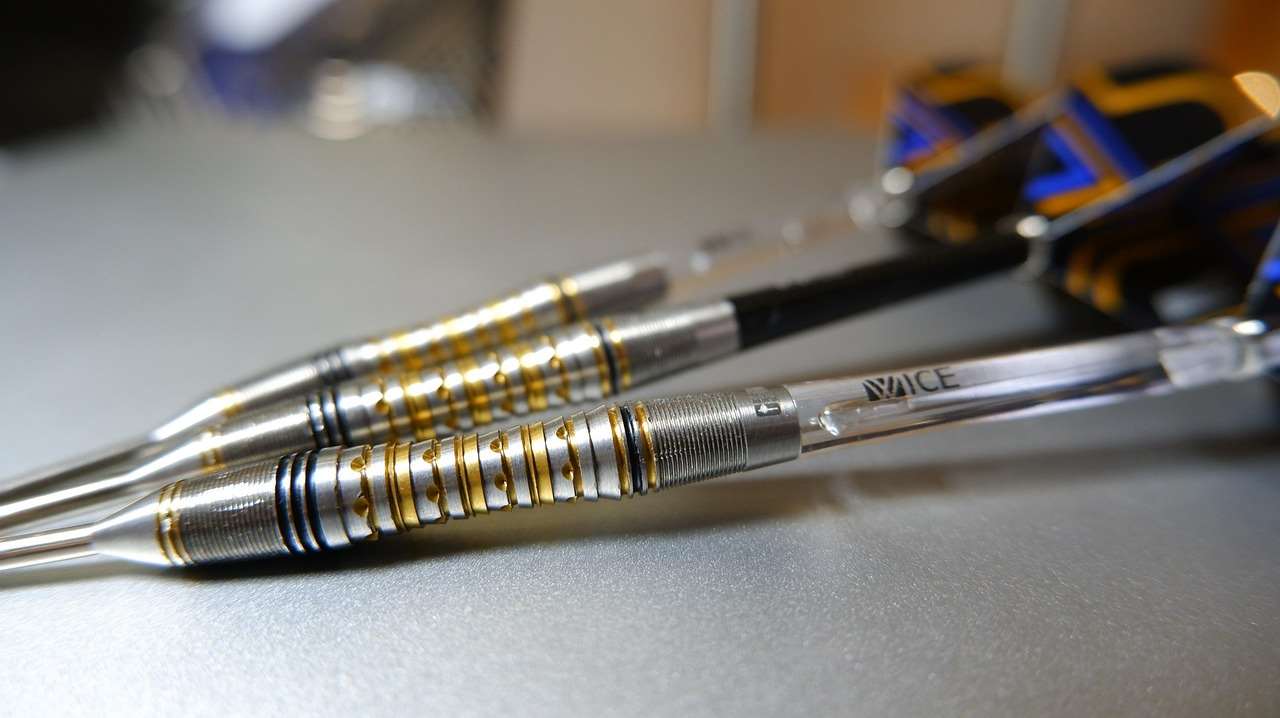
Tungsten darts are widely regarded as the gold standard in the darting world. Tungsten’s exceptional density allows manufacturers to create darts that are both slim and heavy. This combination is highly desirable as it minimizes obstruction on the board, enabling tighter groupings and higher scores. Experienced players often prefer the feel and performance of tungsten.
- Pros: High density, slim profile, excellent durability, consistent performance.
- Cons: Higher cost compared to other materials.
- Ideal For: Serious players, professionals, and those seeking the highest level of performance.
For a deeper dive, explore Why Choose Tungsten Darts.
Brass Darts: The Budget-Friendly Option
Brass darts are a popular choice for beginners and casual players due to their affordability. Brass is a relatively soft metal, making it easy to machine and knurl for enhanced grip. However, its lower density means that brass darts are typically thicker and bulkier than their tungsten counterparts.
- Pros: Low cost, readily available, easy to grip.
- Cons: Lower density, thicker profile, less durable than tungsten.
- Ideal For: Beginners, casual players, and those on a tight budget.
Nickel Silver Darts: A Mid-Range Alternative
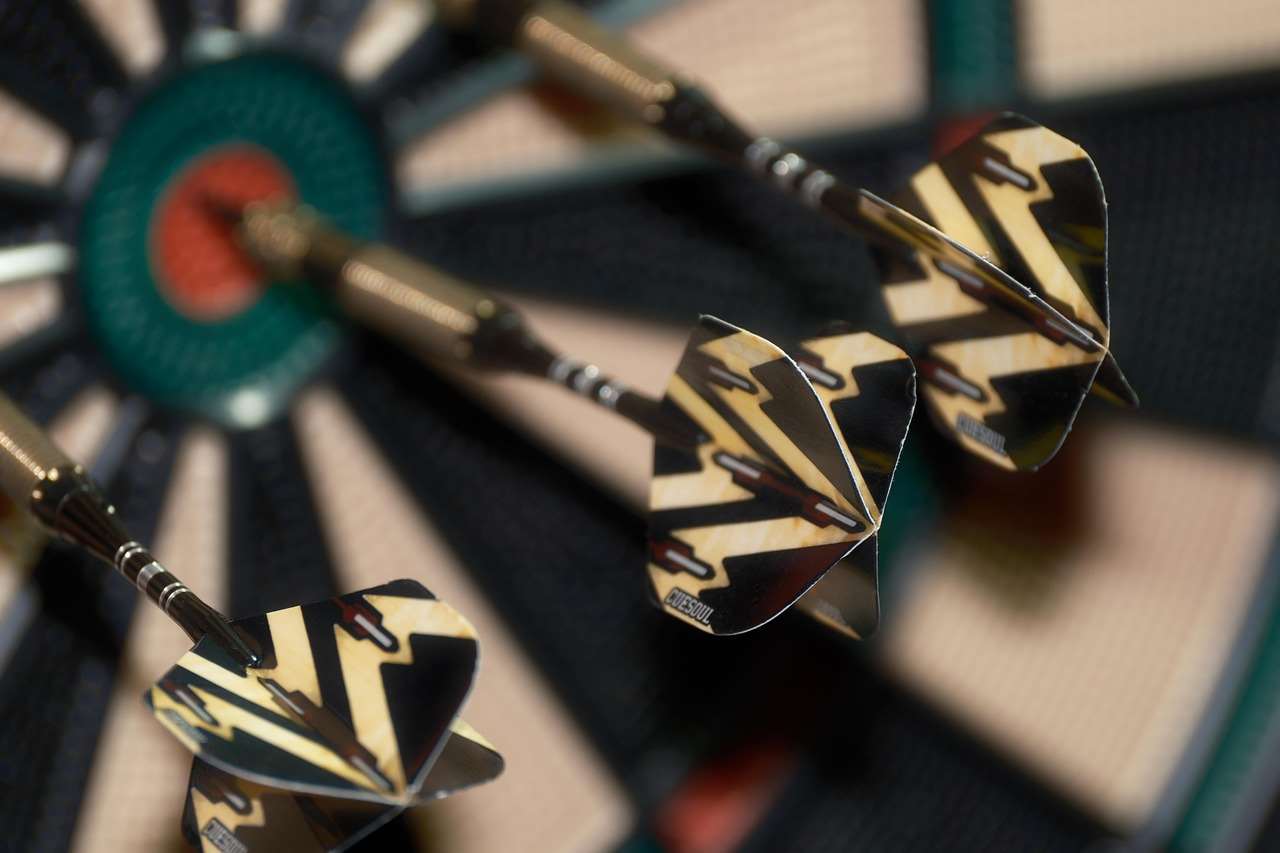
Nickel silver darts offer a compromise between the affordability of brass and the performance of tungsten. Nickel silver is denser than brass but less dense than tungsten, resulting in a dart that is slimmer than brass but not as slim as tungsten. Nickel silver darts can offer a decent grip, though not as naturally as with brass.
- Pros: Moderate density, decent durability, mid-range price.
- Cons: Not as slim as tungsten, can be slippery without proper knurling.
- Ideal For: Intermediate players, those seeking a balance between price and performance.
Other Dart Materials
While tungsten, brass, and nickel silver are the most common dart materials, other options are available, though often less prevalent. These include darts made from various alloys, such as copper-tungsten blends, or darts with specialized coatings to enhance grip or durability. Understanding the specific properties of these materials requires further research.
Key Factors to Consider When Choosing Dart Material
Selecting the right dart material involves carefully considering several factors, including your skill level, budget, throwing style, and personal preferences. A thoughtful approach will lead to a more enjoyable and successful darting experience.
Budget: How Much Are You Willing to Spend?
Dart prices vary significantly depending on the material. Brass darts are typically the most affordable, while tungsten darts command a higher price tag. Set a budget before you start shopping to narrow down your options. Remember that investing in quality darts can pay off in the long run through improved performance and durability. You can research Cheap Dart Materials Guide for more information on budget-friendly options.
Skill Level: Beginner, Intermediate, or Advanced?
Your skill level plays a crucial role in determining the appropriate dart material. Beginners may find brass darts perfectly adequate for learning the game and developing their throwing technique. As you progress, you may want to upgrade to nickel silver or tungsten darts to enhance your accuracy and control. Remember to check out Beginner Dart Barrel Materials for specific guidance.
Throwing Style: How Do You Hold and Release the Dart?
Your throwing style can influence your choice of dart material and grip. Players with a strong, controlled throw may prefer the slim profile and consistent release of tungsten darts. Those with a looser grip may benefit from the enhanced grip offered by brass darts. Experiment with different materials and grip styles to find what works best for you.
Consider your grip as well. Do you prefer a smooth barrel or one with aggressive knurling? Different materials lend themselves to different grip styles. Some materials, like brass, are easier to knurl, while others may require specialized coatings or designs to enhance grip.
Dart Weight: Finding Your Ideal Balance
Dart weight is another important consideration. Heavier darts tend to be more stable in flight, while lighter darts offer greater control. The ideal weight depends on your throwing style and personal preference. Experiment with different weights to find what feels most comfortable and accurate. The dart material contributes significantly to the overall weight and distribution of weight throughout the dart.
Dart Balance: Front, Center, or Rear Weighted?
The balance point of the dart also affects its flight characteristics. Front-weighted darts tend to fly straighter, while rear-weighted darts may be easier to control. Center-weighted darts offer a balance between stability and control. Experiment with different balance points to find what suits your throwing style. Dart material and barrel design contribute to the overall balance of the dart.
Maintaining Your Darts: Extending Their Lifespan
Proper maintenance is essential to prolong the lifespan of your darts, regardless of the material. Regular cleaning and care can help prevent damage and ensure consistent performance.
Cleaning Your Darts Regularly
Dirt, oils, and debris can accumulate on your darts over time, affecting their grip and balance. Clean your darts regularly with a soft cloth and mild detergent. Avoid using harsh chemicals or abrasive cleaners, as these can damage the finish. After cleaning, dry your darts thoroughly to prevent corrosion.
Protecting Your Darts from Damage
Store your darts in a protective case when not in use. This will prevent them from being scratched, bent, or otherwise damaged. Avoid dropping your darts on hard surfaces, as this can cause the points to bend or break. If you notice any damage, such as bent points or loose flights, repair them promptly to prevent further problems.
Replacing your dart points regularly can also help maintain their performance. Over time, points can become dull or burred, affecting their ability to stick in the board. Replacing worn points with new ones can improve your accuracy and reduce bounce-outs. You can check Brass vs Tungsten Darts for more information on these factors.
Conclusion: Choosing the Right Dart Material for Your Game
Selecting the right dart material is a personal decision that depends on your individual needs and preferences. Consider your budget, skill level, throwing style, and desired performance characteristics when making your choice. Tungsten darts offer the highest level of performance, while brass darts provide an affordable option for beginners. Nickel silver darts offer a balance between price and performance. Regardless of the material you choose, remember to maintain your darts properly to extend their lifespan and ensure consistent performance.
Ultimately, the best way to find the perfect dart material is to experiment with different options and see what works best for you. Visit your local dart shop and try out different darts before making a purchase. With careful consideration and experimentation, you can find the ideal darts to elevate your game and enjoy countless hours of darting fun. When you Choose Right Dart Material, you equip yourself for greater success.
Ready to take your dart game to the next level? Explore our selection of high-quality darts and accessories today! We are confident you will find the right equipment to improve your performance and achieve your darting goals!

Hi, I’m Dieter, and I created Dartcounter (Dartcounterapp.com). My motivation wasn’t being a darts expert – quite the opposite! When I first started playing, I loved the game but found keeping accurate scores and tracking stats difficult and distracting.
I figured I couldn’t be the only one struggling with this. So, I decided to build a solution: an easy-to-use application that everyone, no matter their experience level, could use to manage scoring effortlessly.
My goal for Dartcounter was simple: let the app handle the numbers – the scoring, the averages, the stats, even checkout suggestions – so players could focus purely on their throw and enjoying the game. It began as a way to solve my own beginner’s problem, and I’m thrilled it has grown into a helpful tool for the wider darts community.