Before the advent of tungsten darts, players relied on heavier materials and simpler designs, significantly impacting gameplay and strategy. This article explores the fascinating world of dart games pre tungsten era, detailing the equipment, popular games, and lasting influence on the sport we know today.
⚠️ Still Using Pen & Paper (or a Chalkboard)?! ⚠️
Step into the future! The Dart Counter App handles all the scoring, suggests checkouts, and tracks your stats automatically. It's easier than you think!
Try the Smart Dart Counter App FREE!Ready for an upgrade? Click above!
The Materials of Dart Games Pre Tungsten Era
The story of dart games pre tungsten era is intrinsically linked to the materials used to craft the darts themselves. Before tungsten became the standard, other metals and materials reigned supreme. These choices influenced the size, weight, and overall performance of the darts, which in turn shaped the way the game was played.
Brass Darts
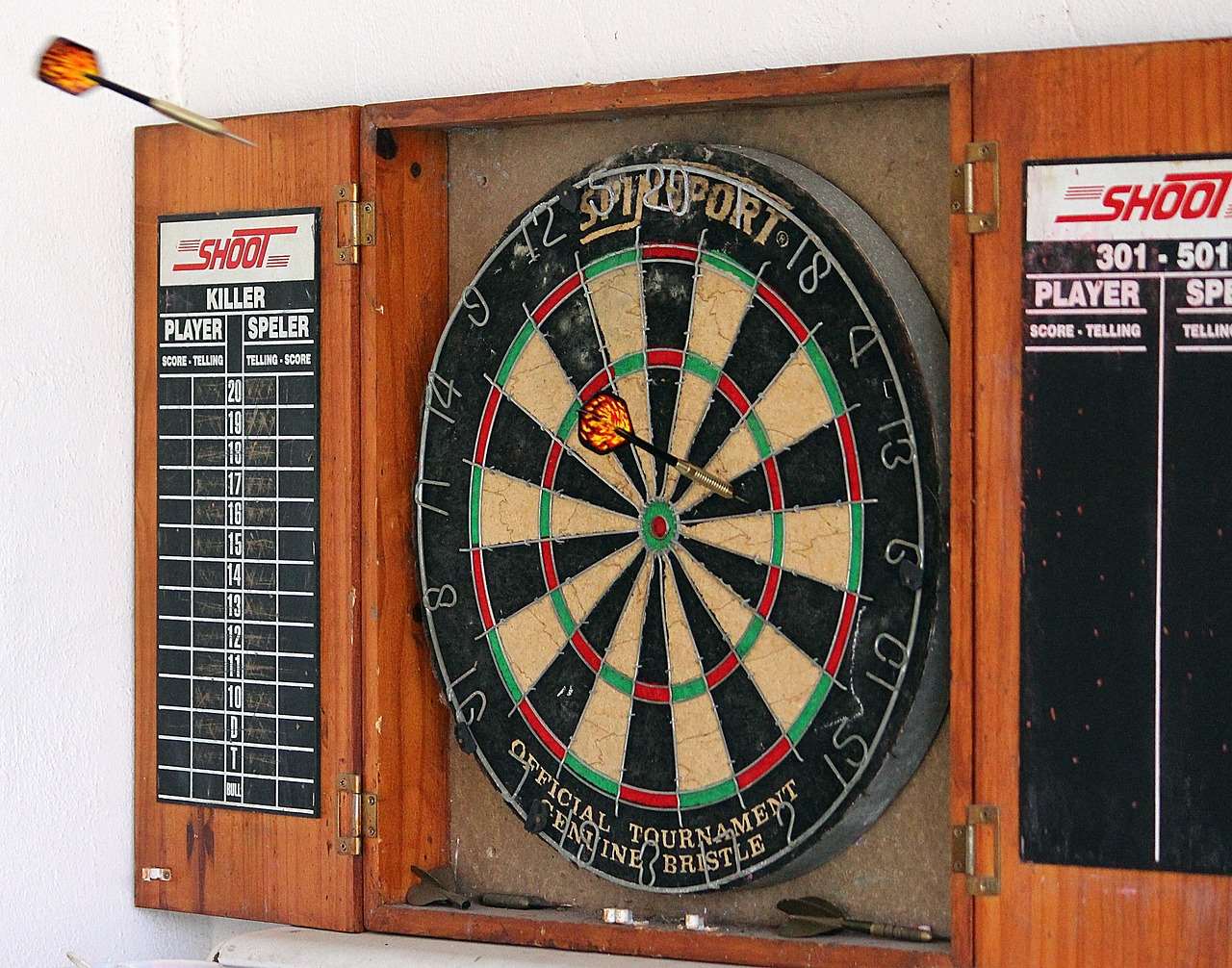
Brass was a popular choice for early darts. It was relatively inexpensive, easy to work with, and provided a decent weight. However, brass is also a soft metal, meaning that brass darts tended to be bulkier than their tungsten counterparts. This larger diameter could lead to more deflections, especially when grouping darts closely. Players often had to adjust their throwing style to accommodate the thicker barrels.
The weight of brass darts also presented a challenge. While heavier darts can be more stable in flight, the lack of density in brass meant that these darts needed to be quite large to achieve a suitable weight. This affected aerodynamics and could lead to inconsistencies in performance. Despite these limitations, brass darts were widely used for many years and were the entry point for many aspiring dart players.
Nickel-Silver Darts
Nickel-silver offered a slight upgrade over brass. This alloy provided a bit more durability and a slightly slimmer profile. While still not as dense as tungsten, nickel-silver darts allowed for a somewhat more streamlined design, improving aerodynamics and reducing deflections. These darts were generally considered a step up in quality and were often favored by more serious players.
The cost of nickel-silver was also higher than brass, making these darts less accessible to casual players. However, the improved performance and durability made them a worthwhile investment for those looking to improve their game. Nickel-silver darts represented an important step in the evolution of dart technology, bridging the gap between the basic brass darts and the later tungsten models.
Wood Darts
Believe it or not, some early darts were even made of wood! These were often homemade and varied greatly in quality. While not as common as brass or nickel-silver darts, wooden darts played a role in the early history of the sport. They were generally lighter and less durable than metal darts, but they were also very inexpensive and could be easily crafted at home. Playing with forgotten pub dart games often involved using simple wooden darts.
Popular Dart Games Before Tungsten
The available equipment during dart games pre tungsten era naturally shaped the games that were most frequently played. While some games like ‘501’ existed, there were other, less common variations that were more suited to the equipment of the time. The size and weight of the darts, combined with the construction of the dartboards, had a direct impact on the strategies employed and the overall playing experience.
Round the Clock (or Clockwise)
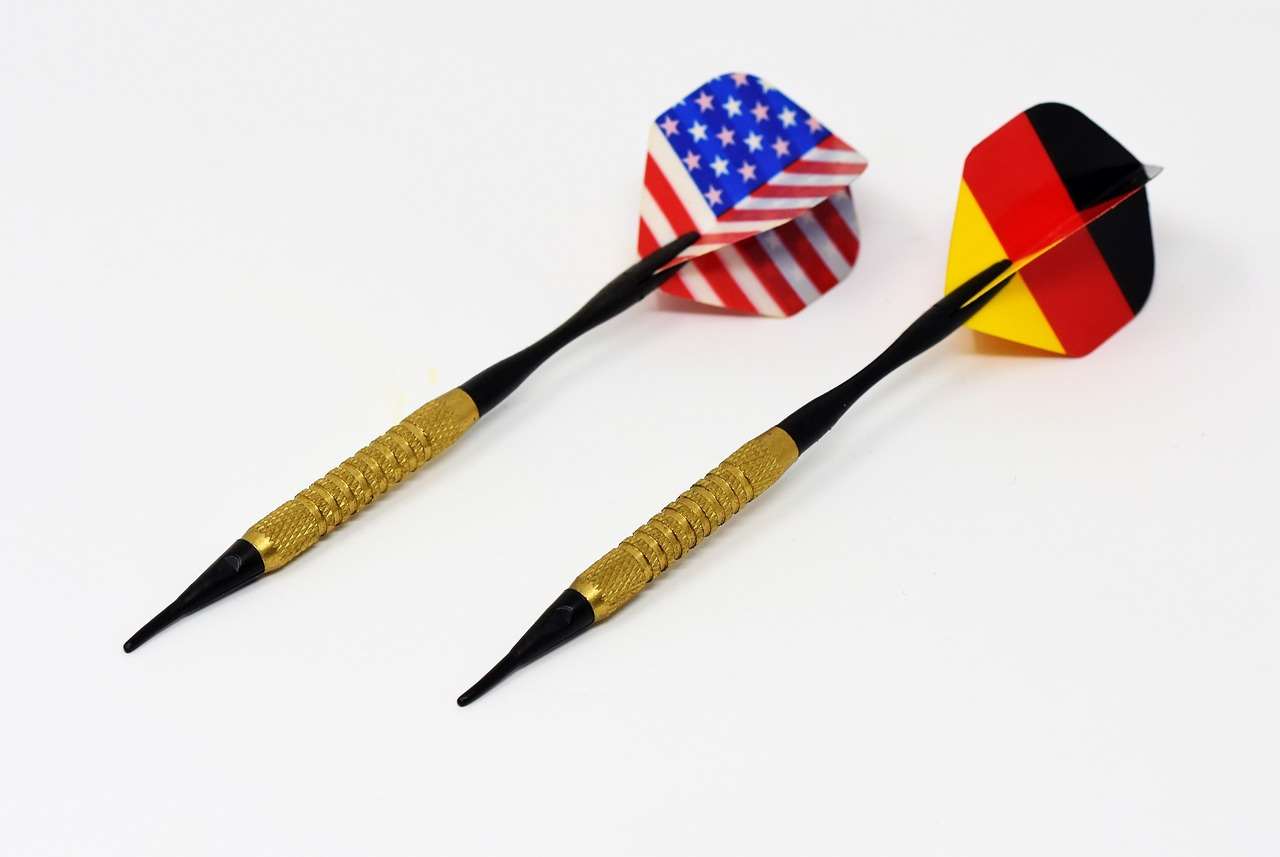
Round the Clock, also known as Clockwise, is a simple yet engaging game where players must hit each number on the dartboard in sequence, starting with 1 and ending with 20. This game was particularly well-suited to the darts and boards of the era, as it emphasized accuracy and consistency over high scores. The larger, less precise darts made hitting specific numbers a greater challenge, adding to the excitement of the game. Players experimenting with Darts Variants Fun Games can find this one engaging.
Variations of Round the Clock exist, some requiring players to hit each number with a single dart, while others allow multiple attempts. This game helped players develop their aim and control, skills that were essential when using the heavier, less forgiving darts of the time. The game’s simplicity also made it accessible to players of all skill levels.
Cricket
Cricket, a strategic and popular dart game, also existed pre tungsten era, but had slightly different nuances. Cricket involves “owning” numbers on the dartboard by hitting them three times. This version would often rely on heavier darts and broader boards, which made hitting triples and doubles slightly more difficult. The strategic element of opening and closing numbers, as well as targeting opponents’ numbers, remained a key aspect of the game. The heavier darts may have led to a more deliberate playing style, focusing on accuracy over rapid scoring.
Killer
Killer is a game where each player must establish a number, and then eliminate their opponents by hitting their numbers. This game was well suited for the dart equipment and boards of the time because hitting the bullseye was a good way to quickly score and reduce life counts of other players. As darts before Tungsten were often less accurate than more modern darts, hitting the bullseye would be an exciting feat in itself.
Other Lesser-Known Dart Games
Beyond the popular choices, numerous other dart games were enjoyed before tungsten became the norm. Many of these games have faded into obscurity, but they offer a fascinating glimpse into the history of the sport. Exploring obscure dartboard games list can reveal these forgotten gems.
- **Shanghai:** A game where players aim to score points in sequential order from 1 to 20, followed by a double and a treble of any number.
- **Baseball:** A game that is played like a baseball game, where a specific number is the scoring zone and you have nine innings.
- **Golf:** The game is played over nine or eighteen “holes”. Each hole is a number on the dartboard. The object of the game is to complete each “hole” with the fewest darts.
Many local pubs and communities also had their own variations of standard dart games, adding to the rich tapestry of darting traditions. Researching historical dart game variations can uncover these unique rules and customs.
The Impact on Skill and Strategy
The limitations of dart games pre tungsten era actually fostered a different kind of skill. Players had to develop a higher level of precision and control to compensate for the inconsistencies of the equipment. This led to a more deliberate and calculated throwing style.
Emphasis on Accuracy
Because the darts were less accurate, players had to rely more on fundamental skills, such as stance, grip, and release. Perfecting these basics was crucial for achieving consistent results. Players would spend countless hours practicing their technique, honing their muscle memory, and developing a feel for the dart. The pursuit of accuracy was paramount, as even small errors could have a significant impact on the outcome of the game. It also helped players when playing with old dart games rules.
Strategic Adjustments
The larger size and weight of pre-tungsten darts also required players to adjust their strategy. Grouping darts tightly was more challenging, so players often focused on hitting specific targets with greater precision. This might involve aiming for the edge of a number rather than the center, or using a different angle of approach to avoid deflections. Strategic thinking was essential for maximizing scoring opportunities and minimizing errors.
Mental Fortitude
Perhaps the most important skill developed during the dart games pre tungsten era was mental fortitude. Dealing with inconsistent equipment and unpredictable results required a high degree of patience, resilience, and focus. Players had to learn to accept setbacks and maintain a positive attitude, even when facing adversity. This mental toughness was a valuable asset, both on and off the dartboard.
The Transition to Tungsten and its Legacy
The introduction of tungsten darts revolutionized the sport. The higher density of tungsten allowed for much slimmer darts, which improved aerodynamics, reduced deflections, and made grouping darts easier. This led to higher scores and a more exciting game. However, the legacy of dart games pre tungsten era remains significant.
Enduring Appeal
Despite the advancements in dart technology, many players still appreciate the simplicity and challenge of playing with older equipment. Some collectors actively seek out vintage darts and dartboards, preserving a piece of darting history. Others simply enjoy the nostalgia of playing with the darts they grew up with. The enduring appeal of dart games pre tungsten era is a testament to the sport’s rich heritage.
Influence on Modern Technique
The skills and techniques developed during the dart games pre tungsten era continue to influence modern dart players. The emphasis on accuracy, control, and mental fortitude remains essential for success at the highest levels of the sport. While modern darts may be more forgiving, the fundamentals remain the same. Players who master these fundamentals are better equipped to adapt to different equipment and playing conditions. You can delve deeper into the history of darts games uk to learn more.
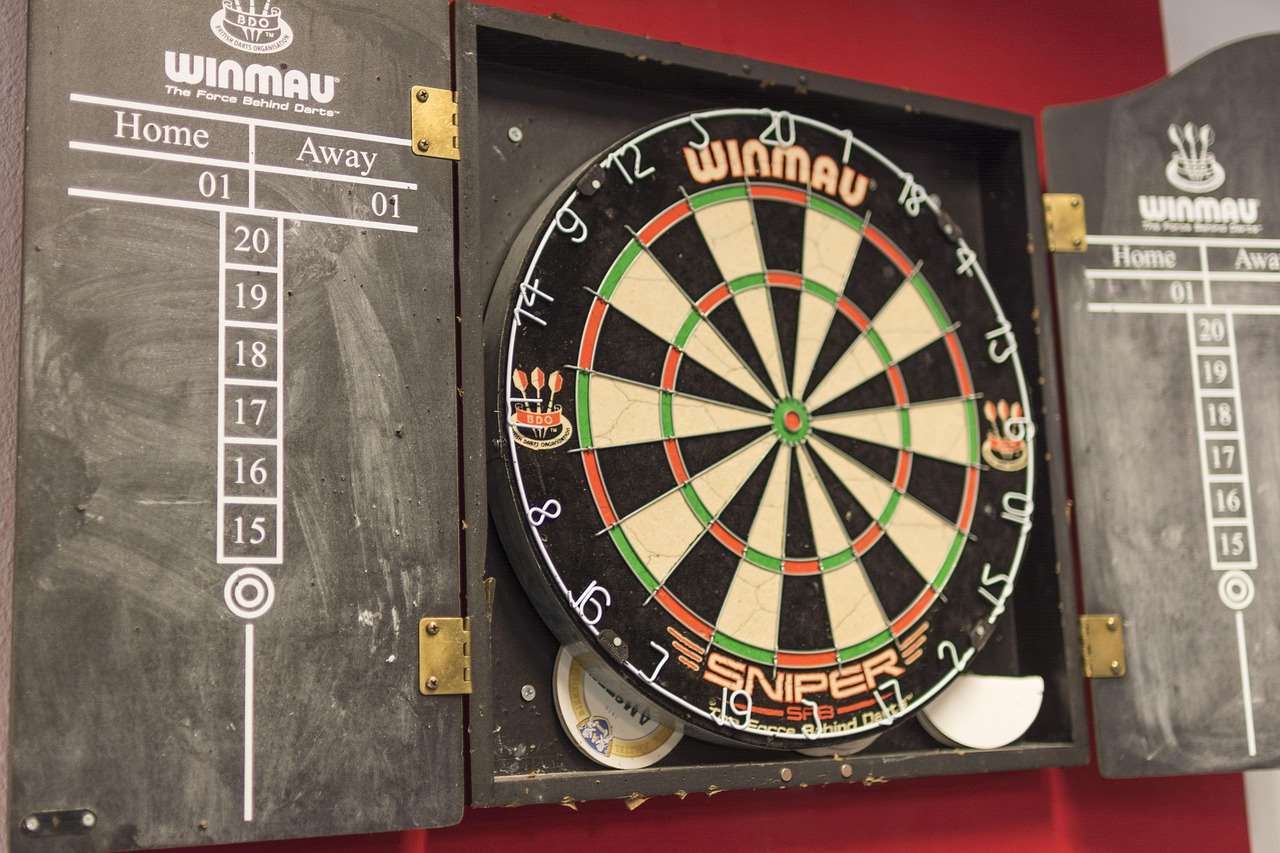
A Reminder of the Sport’s Roots
Looking back at dart games pre tungsten era provides a valuable perspective on the evolution of the sport. It reminds us that darts is not just about the equipment, but also about the skill, strategy, and mental toughness of the players. It also helps appreciate victorian era dart games. The story of dart games pre tungsten era is a story of innovation, adaptation, and enduring passion for the game.
Conclusion
Dart games pre tungsten era were characterized by heavier darts made from materials like brass and nickel-silver, simpler designs, and a greater emphasis on accuracy and mental fortitude. While tungsten darts revolutionized the sport, the legacy of the pre-tungsten era continues to influence modern players and preserve a vital part of darting history. Consider trying out some of these old dart games with friends to truly understand the evolution of the sport. What are your favorite pre-tungsten era dart games? Share your thoughts in the comments below!

Hi, I’m Dieter, and I created Dartcounter (Dartcounterapp.com). My motivation wasn’t being a darts expert – quite the opposite! When I first started playing, I loved the game but found keeping accurate scores and tracking stats difficult and distracting.
I figured I couldn’t be the only one struggling with this. So, I decided to build a solution: an easy-to-use application that everyone, no matter their experience level, could use to manage scoring effortlessly.
My goal for Dartcounter was simple: let the app handle the numbers – the scoring, the averages, the stats, even checkout suggestions – so players could focus purely on their throw and enjoying the game. It began as a way to solve my own beginner’s problem, and I’m thrilled it has grown into a helpful tool for the wider darts community.