Understanding dart board regulations is crucial for ensuring fair play and consistent practice, whether you’re a casual player or aiming for professional competition. This article will detail the official measurements, materials, and setup guidelines that govern the world of darts, helping you create a regulation-compliant dartboard setup and improve your game.
⚠️ Still Using Pen & Paper (or a Chalkboard)?! ⚠️
Step into the future! The Dart Counter App handles all the scoring, suggests checkouts, and tracks your stats automatically. It's easier than you think!
Try the Smart Dart Counter App FREE!Ready for an upgrade? Click above!
Understanding Official Dart Board Regulations
When it comes to playing darts, adhering to official dart board regulations is more than just a suggestion – it’s essential for fair competition and accurate practice. These regulations, set by governing bodies like the World Darts Federation (WDF) and the Professional Darts Corporation (PDC), dictate specific aspects of the dartboard itself, its placement, and the surrounding playing area.
Failure to comply with these rules can lead to disqualification in tournaments and inaccurate practice sessions. Therefore, understanding and implementing these guidelines is key to improving your game and ensuring a level playing field.
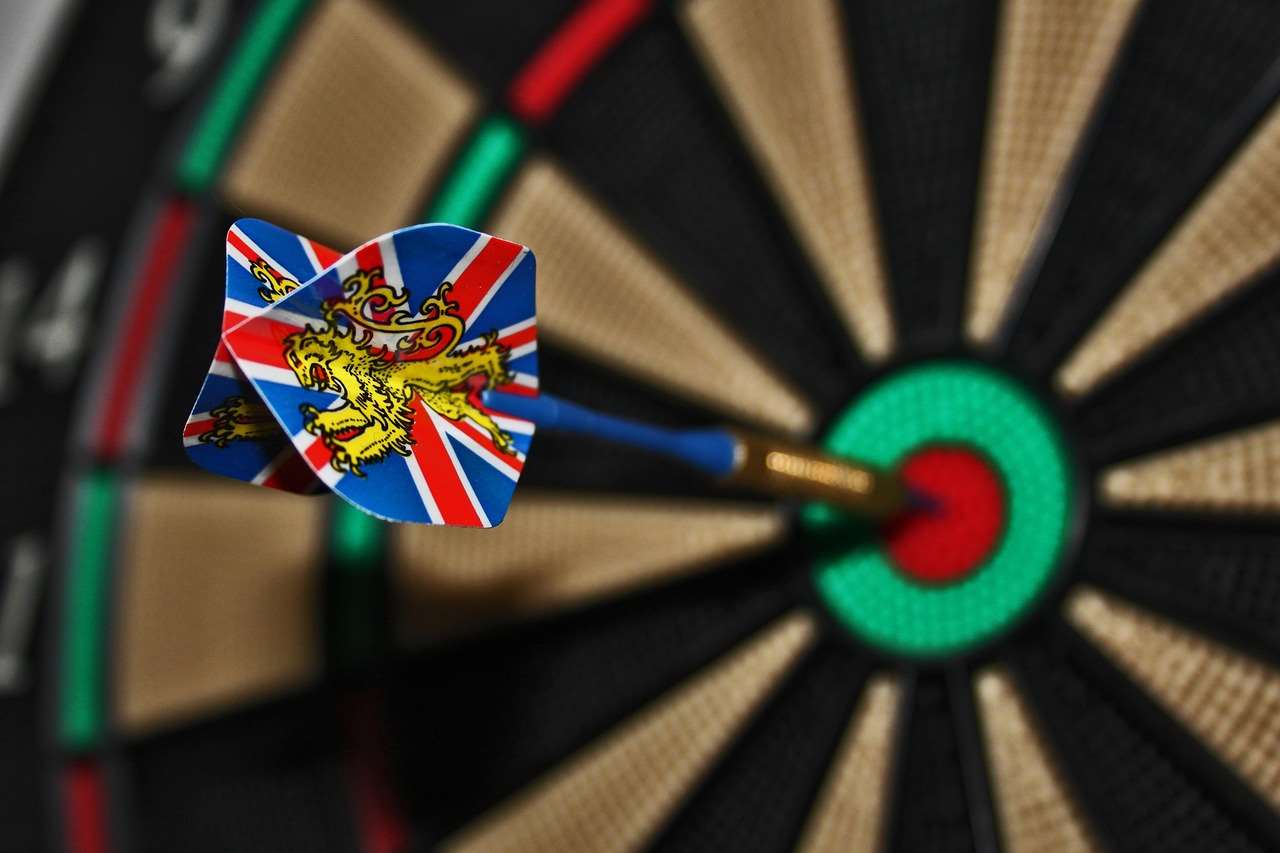
Key Aspects of Dart Board Regulations
The dart board regulations cover a range of details, including:
- Dartboard Material: The materials used to construct the dartboard itself.
- Dartboard Dimensions: Precise measurements of the board, including diameter and target zones.
- Dartboard Mounting Height: The height at which the dartboard must be hung.
- Oche Distance: The distance players must stand from the dartboard to throw their darts.
Let’s delve into each of these areas in more detail.
Dart Board Material and Construction
The type of material used to make a dartboard has a significant impact on its durability, playability, and overall lifespan. Official dart board regulations typically specify the use of high-quality sisal fibers.
Sisal Dartboards: The Preferred Choice
Sisal dartboards are constructed from tightly compressed sisal fibers, which are a natural fiber derived from the agave plant. These fibers offer several advantages:
- Self-Healing Properties: When a dart is removed, the sisal fibers tend to close back together, minimizing the visible hole and extending the board’s life.
- Durability: Sisal is a strong and resilient material, capable of withstanding repeated dart impacts.
- Reduced Bounce-Outs: The density and texture of sisal provide a good grip for darts, reducing the likelihood of bounce-outs.
While electronic dartboards are popular for casual play, sisal boards remain the standard for professional and competitive darts due to their superior performance and adherence to dart board regulations. If you are interested in the best dartboard, make sure to do your research.
Dart Board Dimensions: Size Matters
The size and dimensions of a dartboard are strictly regulated to ensure consistency across different boards and playing environments. The official measurements are as follows:
- Overall Diameter: The overall diameter of a regulation dartboard is 17 ¾ inches (451 mm).
- Playing Area Diameter: The playing area, excluding the outer bull ring and the number ring, is approximately 13 ½ inches (340 mm).
- Double and Treble Segments: The width of the double and treble rings is 8 mm.
- Bullseye: The outer bull ring has a diameter of 31.8 mm, while the inner bullseye (double bull) has a diameter of 12.7 mm.
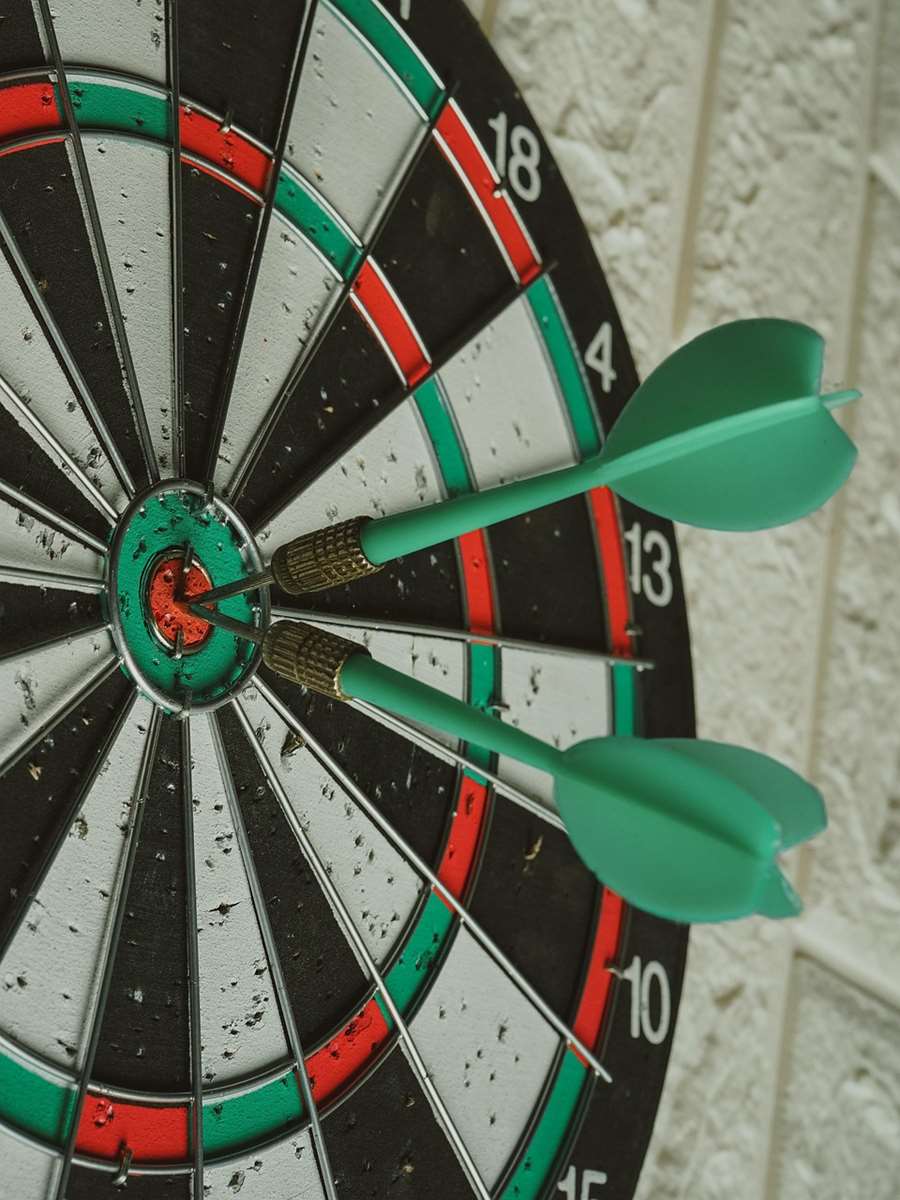
These precise measurements are critical for accurate scoring and fair competition. Deviations from these dimensions can significantly impact gameplay and undermine the integrity of the sport. Knowing how to score a darts leg average is also critical to your game.
It’s important to note that the dimensions of the spider (the wire that separates the segments) also matter but are less strictly defined. However, sharp, thin wires are generally preferred to minimize bounce-outs.
Dart Board Mounting Height: Setting it Up Correctly
The height at which a dartboard is mounted is a crucial aspect of dart board regulations. The official height is measured from the floor to the center of the bullseye and must be:
- 68 inches (173 cm)
This measurement is standard across all professional tournaments and should be adhered to for practice sessions as well. Using a tape measure or level to ensure accuracy is essential for consistent gameplay. Setting up a darts full set up requires precise measurements, to have an official game.
Tips for Accurate Mounting
Here are some tips for accurately mounting your dartboard at the correct height:
- Use a Level: Ensure the dartboard is perfectly level before securing it to the wall.
- Measure Twice: Double-check the measurement from the floor to the bullseye to avoid errors.
- Secure Mounting: Use appropriate wall anchors and screws to ensure the dartboard is securely mounted and won’t wobble during play.
Oche Distance: Stepping Up to the Line
The oche, also known as the throwing line or toe line, is the line behind which players must stand when throwing their darts. The distance from the face of the dartboard to the oche is another critical element of dart board regulations.
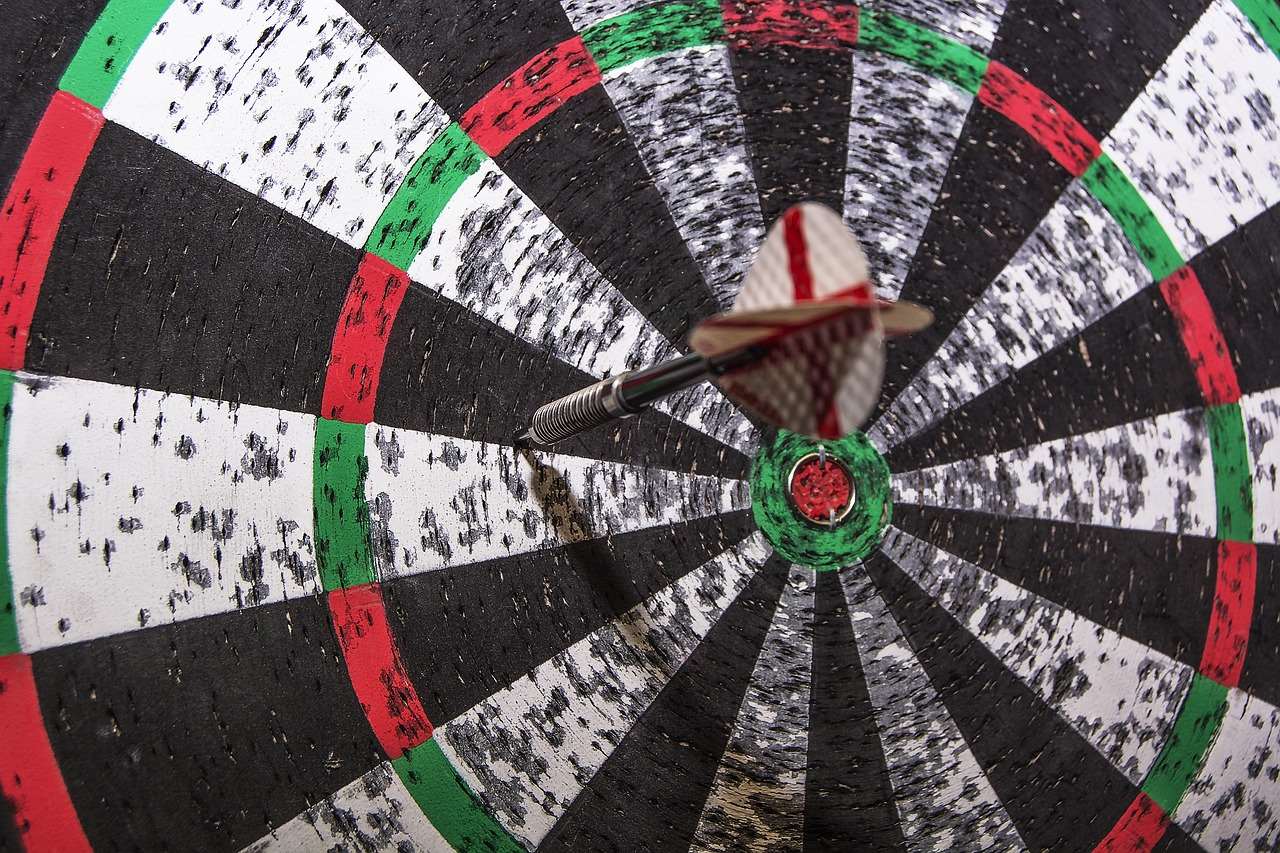
The official oche distance is:
- 7 feet 9 ¼ inches (2.37 meters)
This measurement should be taken from the face of the dartboard (not the wall) to the front edge of the oche.
Creating a Proper Oche
The oche itself can be a raised line, a painted line, or any other clearly defined marker. Some players prefer a slightly raised oche for better foot placement and stability. You can explore darts oche etymology to learn more about it’s origin.
Here are some tips for creating a proper oche:
- Use a Measuring Tape: Ensure the oche is accurately placed at the correct distance from the dartboard.
- Secure the Oche: If using a raised oche, make sure it’s securely attached to the floor to prevent movement during play.
- Consider Foot Placement: Experiment with different foot placements to find what works best for your throwing style, while still adhering to the rule of standing behind the oche.
Lighting and Surroundings: Creating the Optimal Playing Environment
While not strictly part of the dart board regulations concerning measurements, the lighting and surroundings play a vital role in creating an optimal playing environment. Proper lighting can significantly improve visibility and reduce eye strain, while a well-protected surround can prevent damage to the surrounding walls from stray darts.
Lighting Considerations
Adequate lighting is essential for clear visibility of the dartboard and target zones. The ideal lighting setup typically involves:
- Overhead Lighting: A bright overhead light fixture that illuminates the entire dartboard area.
- Dartboard Lighting: A dedicated dartboard lighting system that focuses light directly on the board, minimizing shadows and glare.
Surround Protection
A dartboard surround is a padded ring that surrounds the dartboard, protecting the wall from stray darts and reducing bounce-outs. Surrounds are typically made of materials like foam or rubber and are available in various colors and styles. Surrounding your board can protect it from damage and help you avoid Cricket darts scorer app misses from damaging the walls.
Maintaining Your Dart Board: Ensuring Longevity
Proper maintenance is crucial for extending the lifespan of your dartboard and ensuring consistent play. Regular rotation and occasional cleaning can help keep your board in top condition.
Dart Board Rotation
Rotating your dartboard regularly helps to distribute wear evenly across the playing surface. This prevents certain areas from becoming overly worn and extends the board’s overall lifespan. It’s recommended to rotate the board every few weeks or months, depending on the frequency of play.
Cleaning and Care
Occasional cleaning can help remove dust and debris from the sisal fibers, maintaining the board’s grip and appearance. Use a soft brush or vacuum cleaner with a brush attachment to gently clean the surface. Avoid using water or harsh chemicals, as these can damage the sisal fibers.
Consequences of Non-Compliance with Dart Board Regulations
Failing to adhere to dart board regulations can have several consequences, particularly in competitive settings. In official tournaments, non-compliance can lead to:
- Disqualification: Players using non-regulation dartboards or playing from incorrect distances may be disqualified.
- Score Discrepancies: Inaccurate measurements can lead to score discrepancies and disputes.
- Unfair Advantage: Deviations from the standard rules can create an unfair advantage for one player over another.
Even in casual play, using a non-regulation setup can hinder your progress and prevent you from developing accurate throwing techniques. You might see your darts league line up complain if your board does not meet regulation.
Adapting Dart Board Regulations for Different Spaces
While official dart board regulations are strict, adapting them to fit different spaces can be necessary, especially for home setups. Prioritize following the mounting height and oche distance guidelines, even if space is limited. For smaller rooms, consider using a shorter oche distance, but be aware that this will affect your throwing accuracy when playing in regulation-sized environments.
Compromises and Considerations
- Smaller Rooms: In very small rooms, you may need to adjust the oche distance slightly, but try to maintain the official distance as closely as possible.
- Uneven Floors: If the floor is uneven, use shims or leveling feet to ensure the dartboard is mounted at the correct height and is perfectly level.
Remember that consistent practice using a setup that closely resembles official dart board regulations is key to improving your game and performing well in competitive settings.
Conclusion
Adhering to dart board regulations is essential for fair play, accurate practice, and overall enjoyment of the sport. By understanding and implementing the official measurements, materials, and setup guidelines, you can create a regulation-compliant dartboard setup that will help you improve your game and compete at the highest level. From the precise dimensions of the board to the crucial mounting height and oche distance, every detail contributes to a consistent and equitable playing field.
Now that you’re equipped with this knowledge, take the time to properly set up your dartboard according to these regulations. Whether you’re a seasoned pro or just starting out, following these guidelines will enhance your dart-playing experience and ensure you’re playing the game the way it’s meant to be played. Happy darting!

Hi, I’m Dieter, and I created Dartcounter (Dartcounterapp.com). My motivation wasn’t being a darts expert – quite the opposite! When I first started playing, I loved the game but found keeping accurate scores and tracking stats difficult and distracting.
I figured I couldn’t be the only one struggling with this. So, I decided to build a solution: an easy-to-use application that everyone, no matter their experience level, could use to manage scoring effortlessly.
My goal for Dartcounter was simple: let the app handle the numbers – the scoring, the averages, the stats, even checkout suggestions – so players could focus purely on their throw and enjoying the game. It began as a way to solve my own beginner’s problem, and I’m thrilled it has grown into a helpful tool for the wider darts community.