The **dart balance point** dictates how the dart feels in your hand and how it flies through the air; finding the right balance point is crucial for consistent throws and improved accuracy. This article offers **Dart Balance Points Explained**, including how balance points affect dart flight, how to find the balance point of your darts, and how to choose darts with the right balance point for your throwing style.
⚠️ Still Using Pen & Paper (or a Chalkboard)?! ⚠️
Step into the future! The Dart Counter App handles all the scoring, suggests checkouts, and tracks your stats automatically. It's easier than you think!
Try the Smart Dart Counter App FREE!Ready for an upgrade? Click above!
Understanding Dart Balance Points Explained
Understanding **dart balance points** is essential for any dart player looking to improve their game. The balance point refers to the point along the barrel of the dart where it balances perfectly when held. This point influences the dart’s flight trajectory and how it feels in your hand, directly impacting your accuracy and consistency. Whether you prefer a front-loaded, center-balanced, or rear-weighted dart, knowing how balance affects performance is key to making informed decisions.

Why Balance Matters
The balance point of a dart influences several factors:
- Stability in Flight: A well-balanced dart is more stable during flight, reducing wobble and promoting a straighter trajectory.
- Feel in Hand: The balance point dictates how the dart feels when you grip it. A front-loaded dart feels heavier in the front, while a rear-weighted dart feels heavier in the back. This directly affects your release and follow-through.
- Throwing Style Compatibility: Different throwing styles benefit from different balance points. Players who throw with a smooth, controlled motion might prefer a center-balanced dart, while those who throw with a more forceful, wrist-driven motion might prefer a front-loaded dart.
How to Find the Balance Point of Your Darts
Identifying the balance point of your current darts is the first step to understanding what works best for you. Here’s how to find it:
- The Finger Test: The simplest method is to place the dart horizontally on your index finger.
- Adjust the Position: Gently move the dart until you find the exact point where it balances without tipping to either side. This is the approximate balance point.
- Mark the Spot: Use a small piece of tape or a marker to mark the balance point on the dart barrel for future reference.
Alternatively, you can use a dedicated dart balance tool. These tools provide a more precise measurement, but the finger test is usually sufficient for most players.
Different Types of Dart Balance Points
Darts can be categorized into three main types based on their balance point: front-weighted, center-balanced, and rear-weighted.
Front-Weighted Darts
Front-weighted darts have their balance point towards the front of the barrel. They are often preferred by players who have a more forceful throwing motion. These darts tend to fly straighter and are less prone to wobbling. Consider the best dart equipment when selecting front-weighted darts.
- Benefits: Straighter flight, reduced wobble, easier to control for powerful throws.
- Ideal for: Players with a strong, wrist-driven throwing style.
Center-Balanced Darts
Center-balanced darts have their balance point in the middle of the barrel. They are versatile and suitable for a wide range of throwing styles. These darts provide a good balance between control and stability. Center-balanced darts offer good stability.
- Benefits: Versatile, good balance between control and stability, suitable for various throwing styles.
- Ideal for: Players with a smooth, controlled throwing style or those who are unsure which balance point to choose.
Rear-Weighted Darts
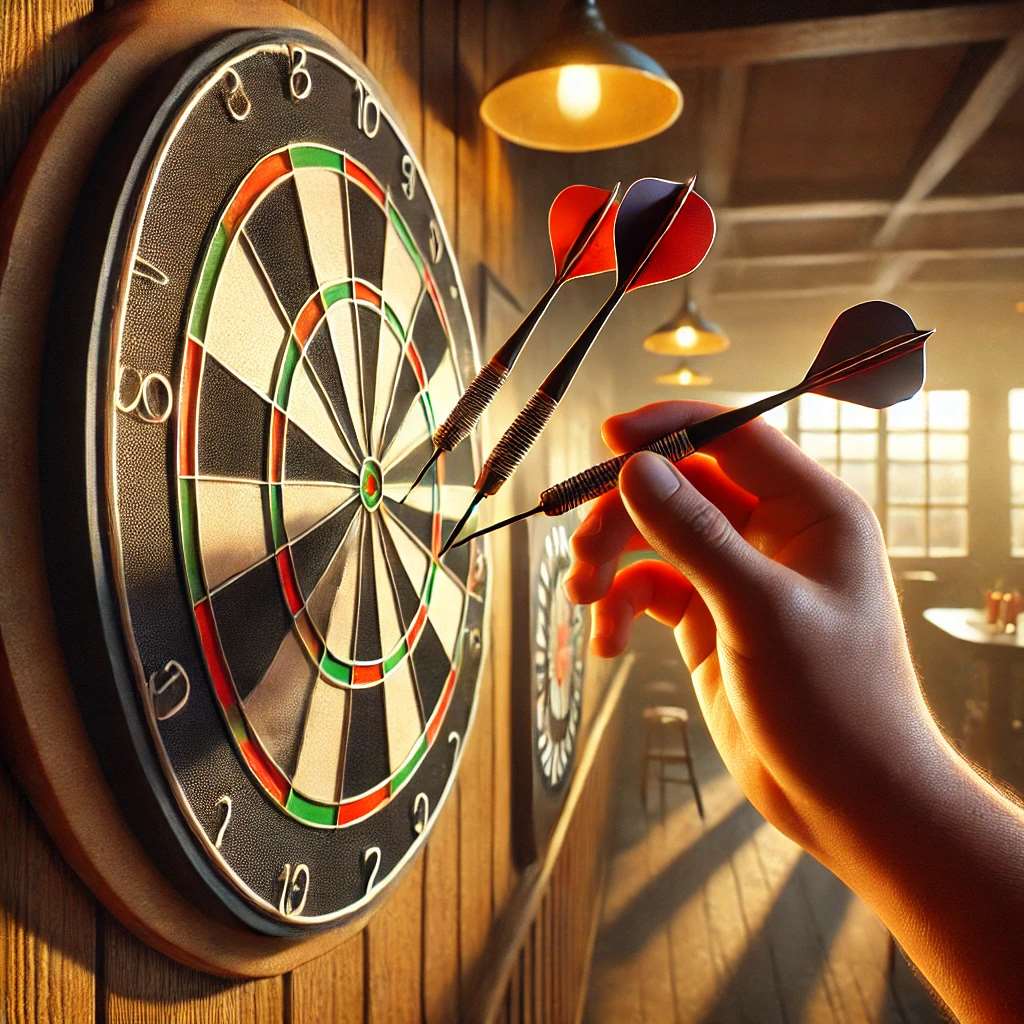
Rear-weighted darts have their balance point towards the back of the barrel. They are often preferred by players who grip the dart towards the back and release with a softer touch. These darts can offer more control, especially for finesse throws.
- Benefits: Increased control, suitable for finesse throws, good for players who grip the dart towards the back.
- Ideal for: Players with a softer, more controlled throwing style.
Choosing Darts Based on Your Throwing Style
Selecting the right dart balance point is a highly personal decision based on your individual throwing style. Experimentation is key to finding what works best for you. Understanding **dart balance points explained** gives you a head start.
Consider Your Grip
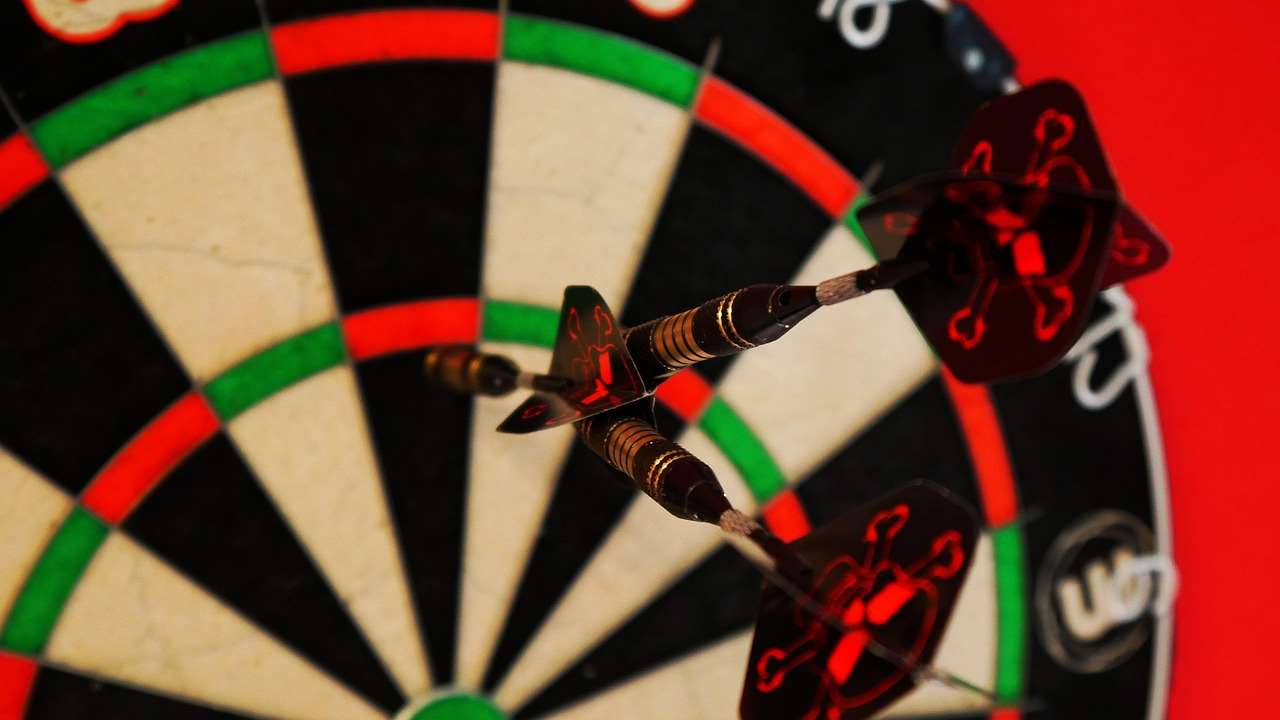
Your grip plays a significant role in determining the ideal balance point. If you grip the dart towards the front, a front-weighted dart might feel more natural. If you grip towards the back, a rear-weighted dart could be a better fit.
Analyze Your Throwing Motion
Observe your throwing motion carefully. Do you use a lot of wrist action, or is your throw more of a smooth, arm-driven motion? A wrist-driven throw might benefit from a front-weighted dart, while a smoother throw might be better suited to a center-balanced dart.
Experiment with Different Darts
The best way to find the right balance point is to try out different darts. Borrow darts from friends or visit a dart shop and test out different weights and balance points. Pay attention to how the dart feels in your hand and how it flies when you throw it.
Weight and Its Relation to Balance
While the balance point is crucial, the **weight of the dart** also plays a significant role. Heavier darts tend to be more stable in flight, while lighter darts can be easier to control. It’s important to find a balance between weight and balance point that suits your individual preferences.
Finding the Right Weight
Dart weights typically range from 18 to 30 grams. Most players find that a weight between 22 and 26 grams is a good starting point. Experiment to see what weight feels most comfortable and allows you to throw consistently. You might want to consider optimal dartboard lighting solutions guide to ensure you can see your darts properly.
Adjusting Weight and Balance
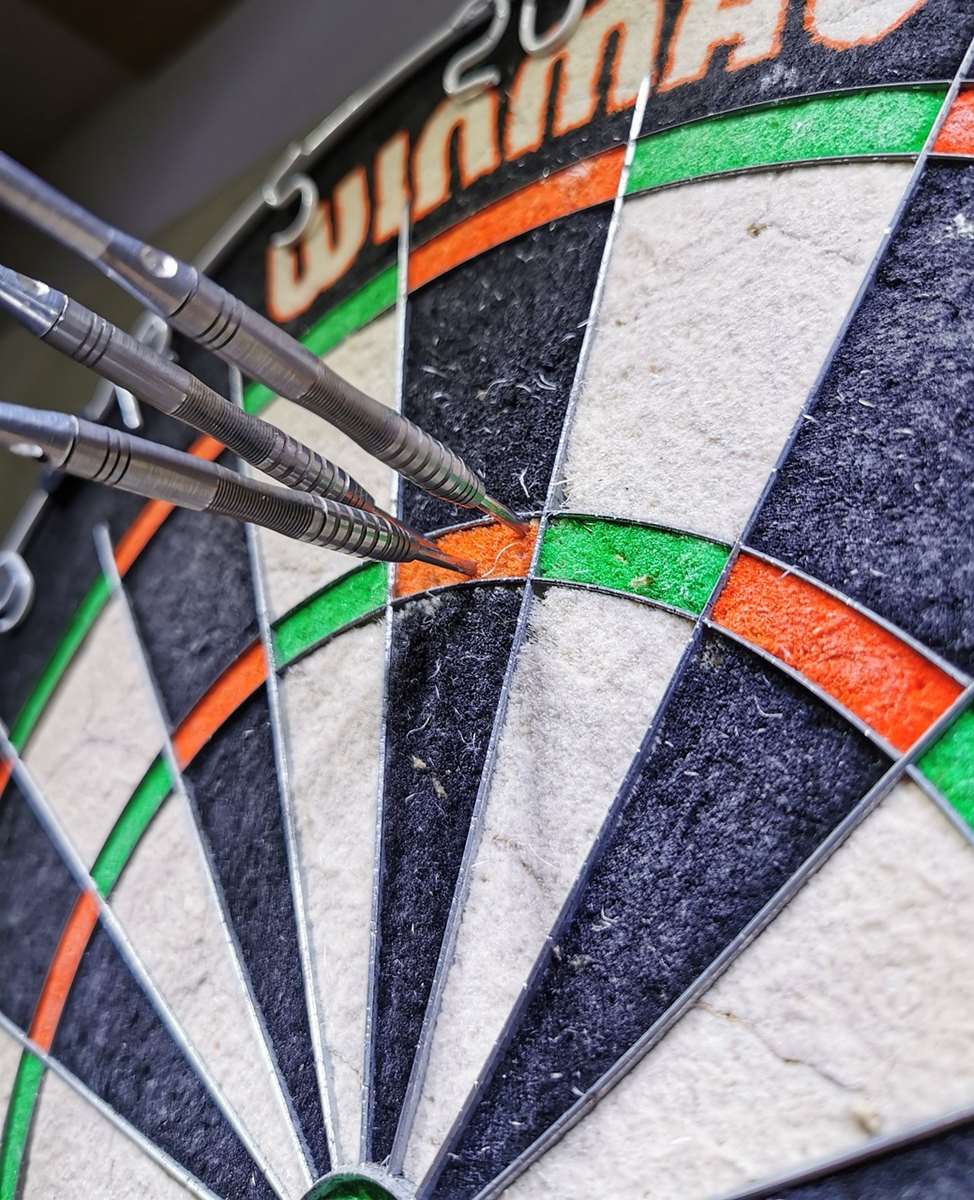
Some darts allow you to adjust the weight and balance by adding or removing weights from the barrel. This can be a useful feature for fine-tuning your darts to achieve the perfect feel and performance.
Impact of Dart Materials on Balance
The material of the dart barrel also influences the balance. Tungsten darts, for example, are denser than brass darts, allowing for a slimmer barrel with the same weight. This can affect the balance and feel of the dart.
Tungsten vs. Brass Darts
Tungsten darts are generally preferred by more experienced players due to their slim profile and consistent weight distribution. Brass darts are a more affordable option and are often a good choice for beginners. Understanding these nuances is part of **Dart Balance Points Explained**.
- Tungsten: Denser, slimmer barrel, more expensive.
- Brass: Less dense, thicker barrel, more affordable.
Fine-Tuning Your Darts for Optimal Performance
Once you’ve found a dart with a balance point and weight that feels comfortable, you can fine-tune its performance by adjusting the shafts and flights. Consider the how to light your dartboard properly for improved visibility during practice sessions.
Shaft Length and Material
Shorter shafts tend to make the dart fly straighter, while longer shafts can provide more stability. Experiment with different shaft lengths and materials (e.g., nylon, aluminum) to see what works best for you.
Flight Shape and Size
Different flight shapes and sizes affect the dart’s flight characteristics. Larger flights provide more stability but can also slow the dart down. Smaller flights offer less stability but allow the dart to fly faster. Standard flights are a good starting point for most players.
Conclusion
Understanding **Dart Balance Points Explained** is crucial for any dart player seeking to improve their accuracy and consistency. By identifying your throwing style, experimenting with different balance points and weights, and fine-tuning your darts with the right shafts and flights, you can find the perfect setup for your game. Don’t be afraid to try different combinations and make adjustments until you find what feels right. The key is to practice consistently and pay attention to how the dart feels and flies. Take the time to explore different options and ultimately select darts that complement your unique technique, and remember to choose Choose Best Dart Equipment when making any equipment purchase. Now that you understand dart balance points, go out there and throw some darts!

Hi, I’m Dieter, and I created Dartcounter (Dartcounterapp.com). My motivation wasn’t being a darts expert – quite the opposite! When I first started playing, I loved the game but found keeping accurate scores and tracking stats difficult and distracting.
I figured I couldn’t be the only one struggling with this. So, I decided to build a solution: an easy-to-use application that everyone, no matter their experience level, could use to manage scoring effortlessly.
My goal for Dartcounter was simple: let the app handle the numbers – the scoring, the averages, the stats, even checkout suggestions – so players could focus purely on their throw and enjoying the game. It began as a way to solve my own beginner’s problem, and I’m thrilled it has grown into a helpful tool for the wider darts community.