Using a damaged dartboard safety hazard can lead to serious injuries from flying darts or falling boards; this article outlines how to identify a damaged dartboard, the associated risks, and preventive measures you can take to ensure safe gameplay. We’ll cover common types of damage, proper maintenance, and safety protocols to protect yourself and others while enjoying darts.
⚠️ Still Using Pen & Paper (or a Chalkboard)?! ⚠️
Step into the future! The Dart Counter App handles all the scoring, suggests checkouts, and tracks your stats automatically. It's easier than you think!
Try the Smart Dart Counter App FREE!Ready for an upgrade? Click above!
Identifying a Damaged Dartboard Safety Hazard
Recognizing potential hazards starts with understanding what constitutes a compromised dartboard. Regular inspection is key to preventing accidents and ensuring a safe playing environment. Here’s what to look for:
- Loose or missing segments: Segments that are not securely attached can pop out during play, creating a significant safety risk.
- Warped or uneven surfaces: A warped board can cause darts to deflect unpredictably, increasing the chance of injury.
- Damaged wiring: Exposed or loose wiring poses a **hazard**, especially if it becomes sharp or protrudes from the board.
- Broken mounting hardware: If the mounting bracket or screws are failing, the board could fall, causing injury or damage.
- Excessive wear and tear: A heavily used board might have softened or degraded sisal fibers, leading to poor dart retention and bounce-outs.
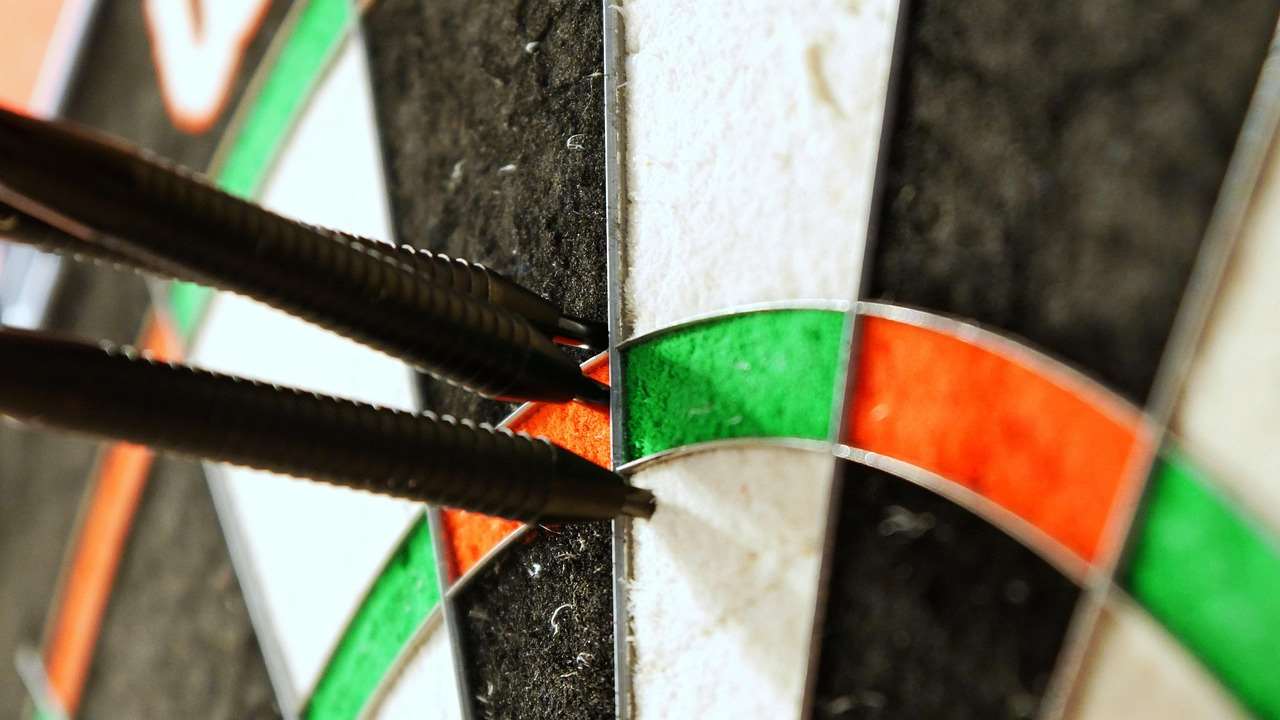
Pay close attention to these warning signs and address them promptly. Replacing a damaged dartboard is often the safest and most cost-effective solution in the long run.
The Potential Risks of Playing with a Damaged Dartboard
Ignoring the signs of a damaged dartboard can have serious consequences. Understanding these risks will emphasize the importance of maintaining your equipment properly.
- Dart bounce-outs: Damaged boards are more likely to cause darts to bounce back towards the thrower or bystanders, leading to eye injuries, cuts, or bruises.
- Board falling: A board with damaged mounting hardware could fall unexpectedly, causing injury or damage to the surrounding area.
- Flying debris: Loose segments or wiring can become projectiles when dislodged, posing a risk of injury.
- Inaccurate scoring: Warped or damaged surfaces can affect dart placement, leading to disputes and frustration.
Consider the liability aspects as well. If someone is injured due to a damaged dartboard on your property, you could be held responsible. Taking proactive measures to ensure safety is not only responsible but also protects you from potential legal repercussions.
Specific Types of Dartboard Damage and Their Risks
Let’s delve into specific types of damage and the associated risks in more detail.
- Spider web Damage: A damaged spider, the metal web separating the scoring zones, can cause wild deflections. Repairing or replacing the spider is crucial.
- Sisal Compression: Over time, the sisal fibers compress, reducing dart retention. This can increase bounce-outs. Rotating the board regularly can help distribute wear evenly. Speaking of rotating the board, let’s see how we can make darts fairer with handicap rules.
- Number Ring Issues: A loose or damaged number ring can be distracting and affect scoring accuracy. Ensure it is securely attached and properly aligned.
Preventive Measures to Avoid a Damaged Dartboard Safety Hazard
Preventing accidents starts with proactive maintenance and adherence to safety protocols. Here are some essential measures to take:
- Regular inspection: Inspect your dartboard before each use for any signs of damage or wear.
- Proper mounting: Ensure the board is securely mounted to a stable surface using appropriate hardware.
- Dartboard Surround: Using a surround protects the wall and reduces the risk of bounce-outs hitting people or objects.
- Adequate Lighting: Good lighting improves visibility and accuracy, reducing the chances of misthrows and potential accidents.
- Safe Throwing Distance: Ensure players maintain a safe throwing distance to prevent accidental collisions.
By implementing these preventive measures, you can significantly reduce the risk of accidents and create a safer playing environment. You might also consider checking out basic darts fundamentals for beginners, to better understand the best ways to throw safely.
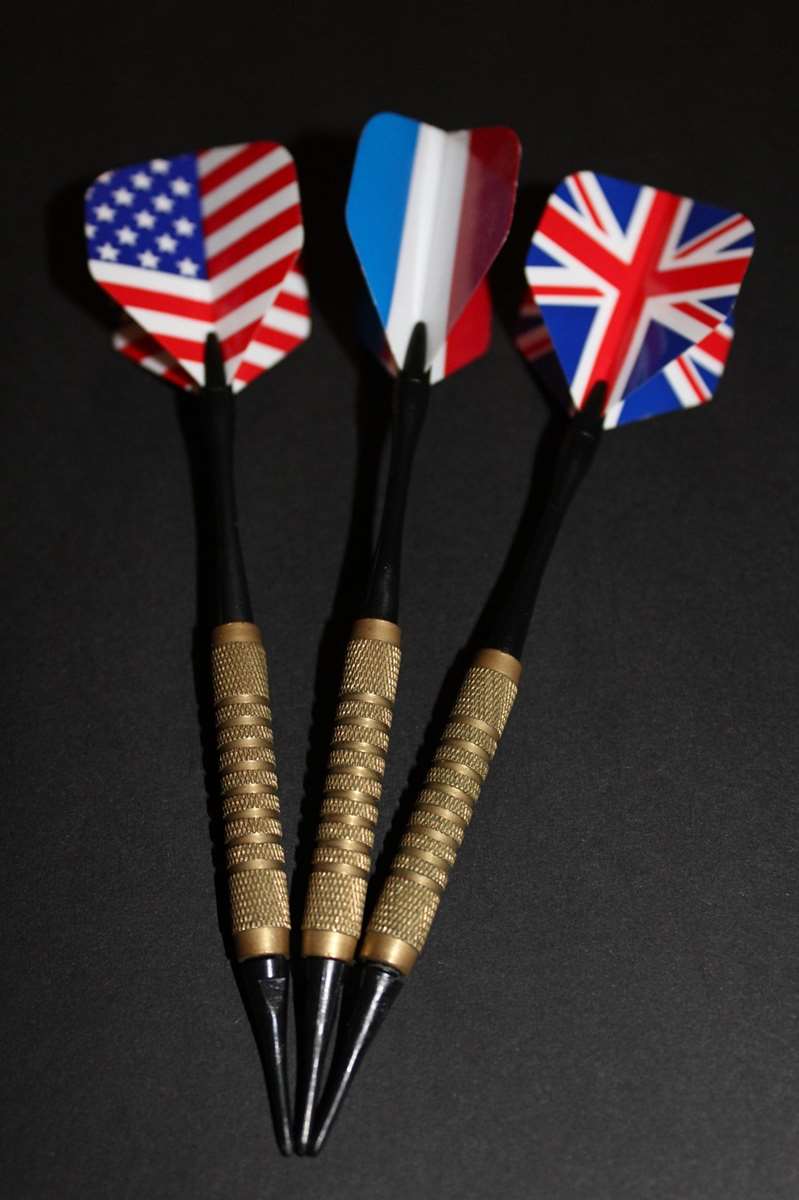
Safe Dartboard Setup and Maintenance Tips
Proper setup and ongoing maintenance are critical for preventing a damaged dartboard safety hazard. Following these tips will help prolong the life of your board and ensure safe gameplay:
- Choosing the Right Location: Select a location with ample space and minimal obstacles to prevent accidental collisions.
- Mounting Height: Hang the dartboard at the official height (bullseye at 5 feet 8 inches from the floor) for consistent and safe play.
- Rotating the Board: Rotate the dartboard regularly to distribute wear evenly and prolong its lifespan.
- Cleaning: Use a soft brush to remove dust and debris from the sisal fibers. Avoid using water or harsh chemicals, as they can damage the board.
- Dart Maintenance: Keep your darts in good condition. Sharpen the tips regularly to ensure they stick properly and reduce bounce-outs.
Remember, a well-maintained dartboard is a safer dartboard. Investing a little time and effort in upkeep can prevent accidents and prolong the life of your equipment.
Advanced Maintenance for Extending Dartboard Life
Go beyond basic maintenance to maximize the lifespan of your dartboard.
- Using a Dartboard Rotation Schedule: Create a schedule to rotate your board weekly or monthly.
- Repairing Minor Damage: Address minor damage, such as loose wires or segments, promptly to prevent them from worsening.
- Deep Cleaning Techniques: Periodically use a specialized dartboard cleaner to remove embedded dirt and grime.
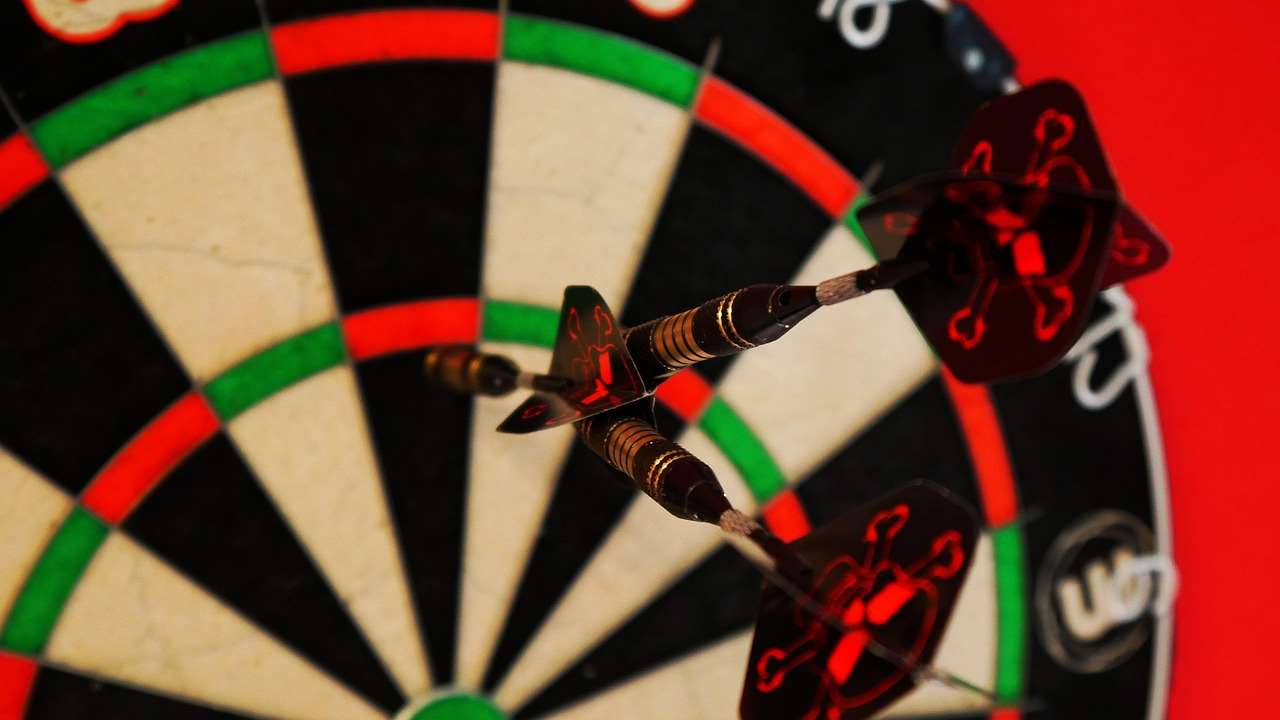
What to Do When You Discover a Damaged Dartboard Safety Hazard
Discovering a damaged dartboard safety hazard requires immediate action. Don’t risk playing with a compromised board. Here’s what to do:
- Stop Play Immediately: Discontinue use of the dartboard until the damage is repaired or the board is replaced.
- Assess the Damage: Carefully examine the board to determine the extent of the damage and whether it can be repaired.
- Repair or Replace: If the damage is minor, attempt to repair it yourself. If the damage is severe or beyond your capabilities, replace the board.
- Proper Disposal: Dispose of the damaged dartboard responsibly. Check with your local waste management guidelines for proper disposal procedures.
- Inform Others: Notify anyone who uses the dartboard about the damage to prevent them from using it unknowingly.
Choosing a Safe and Durable Dartboard
Selecting a high-quality dartboard is an investment in safety and longevity. Consider these factors when purchasing a new board:
- Material: Choose a dartboard made from high-quality sisal fibers for durability and dart retention.
- Construction: Look for a board with a thin, staple-free bullseye to minimize bounce-outs.
- Wiring: Opt for a board with thin, round wiring to reduce deflections.
- Brand Reputation: Research different brands and choose one known for producing durable and safe dartboards.
- Warranty: Check if the dartboard comes with a warranty to protect against manufacturing defects.
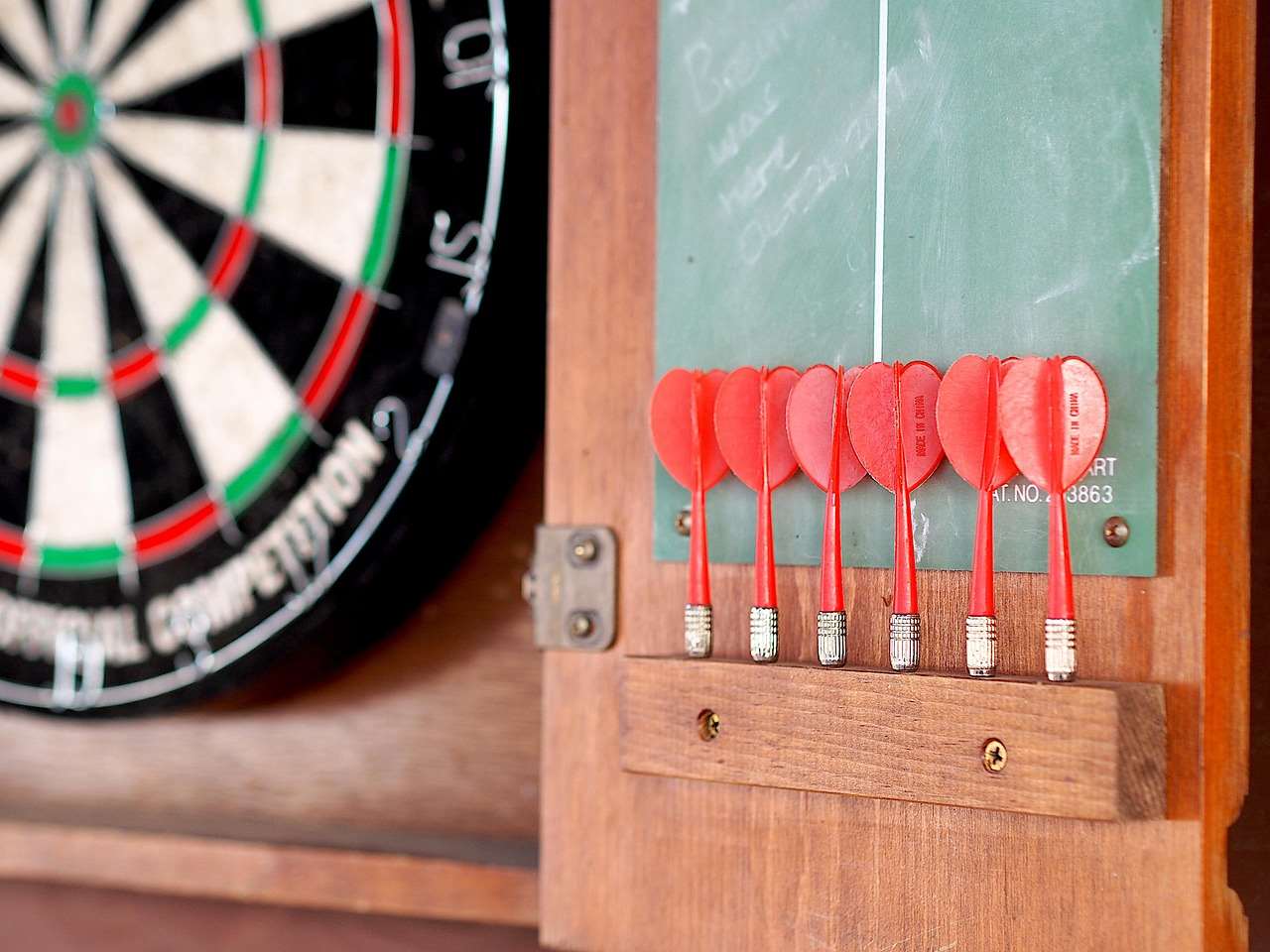
By investing in a quality dartboard, you can minimize the risk of damage and enjoy years of safe gameplay. Speaking of gameplay, maybe it’s worth checking out adapting darts rules for small spaces: tips and tricks. Even if you do have ample space, these ideas might prove useful!
Emergency Procedures for Dart-Related Injuries
Even with the best precautions, dart-related injuries can occur. Knowing how to respond in an emergency is crucial.
- Minor Cuts and Scratches: Clean the wound with soap and water and apply a bandage.
- Eye Injuries: Seek immediate medical attention if a dart strikes someone in the eye. Do not attempt to remove the dart yourself.
- Deep Wounds: Apply pressure to the wound to stop the bleeding and seek medical attention.
- Broken Bones: Stabilize the injured area and seek immediate medical attention.
It’s always a good idea to have a first-aid kit readily available in your dart-playing area. Knowing basic first-aid procedures can make a significant difference in an emergency. Furthermore, it can be useful to see fun dart game variations with modified rules for more ways to keep the game enjoyable.
Common Myths About Dartboard Safety
Let’s debunk some common misconceptions about dartboard safety:
- Myth: Only professional players need to worry about dartboard safety. Fact: Dartboard safety is important for players of all skill levels.
- Myth: Minor damage to a dartboard is not a safety concern. Fact: Even minor damage can pose a risk of injury.
- Myth: Using a dartboard surround is unnecessary. Fact: A surround provides added protection against bounce-outs.
- Myth: Dartboard maintenance is time-consuming and difficult. Fact: Basic dartboard maintenance is quick and easy.
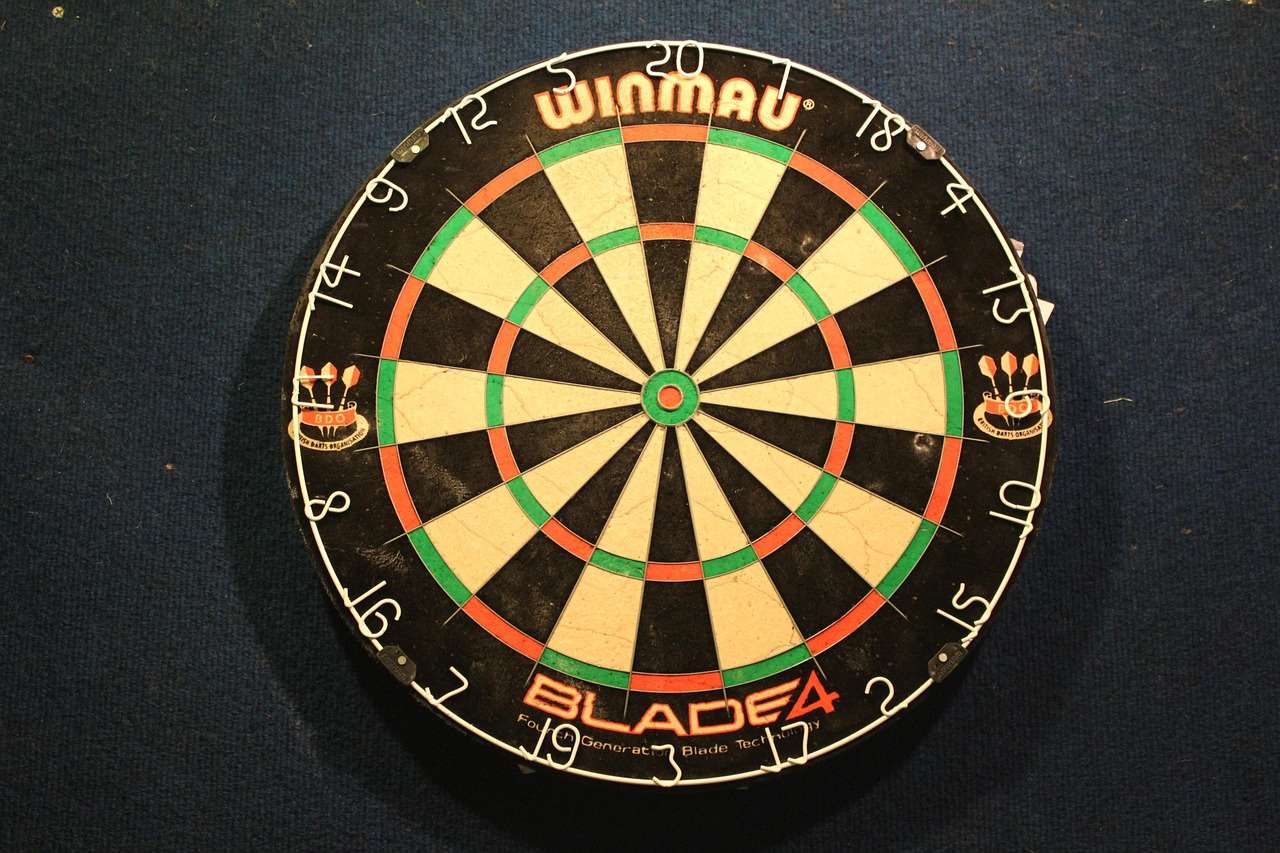
By understanding the facts about dartboard safety, you can make informed decisions and create a safer playing environment.
Conclusion
Prioritizing safety when playing darts is paramount, and recognizing a damaged dartboard safety hazard is the first step. Regular inspections, proper maintenance, and adherence to safety protocols are essential for preventing accidents and injuries. By following the guidelines outlined in this article, you can ensure a safe and enjoyable dart-playing experience for yourself and others. Don’t compromise on safety – take proactive measures to protect yourself and your fellow players. Now, go inspect your dartboard and make sure it’s ready for safe gameplay!

Hi, I’m Dieter, and I created Dartcounter (Dartcounterapp.com). My motivation wasn’t being a darts expert – quite the opposite! When I first started playing, I loved the game but found keeping accurate scores and tracking stats difficult and distracting.
I figured I couldn’t be the only one struggling with this. So, I decided to build a solution: an easy-to-use application that everyone, no matter their experience level, could use to manage scoring effortlessly.
My goal for Dartcounter was simple: let the app handle the numbers – the scoring, the averages, the stats, even checkout suggestions – so players could focus purely on their throw and enjoying the game. It began as a way to solve my own beginner’s problem, and I’m thrilled it has grown into a helpful tool for the wider darts community.