Customizing darts for pros is about more than just aesthetics; it’s about optimizing performance to achieve peak results. This article delves into the intricacies of tailoring darts to a professional player’s specific needs, covering everything from barrel selection and grip optimization to flight and shaft choices for ultimate control and accuracy.
⚠️ Still Using Pen & Paper (or a Chalkboard)?! ⚠️
Step into the future! The Dart Counter App handles all the scoring, suggests checkouts, and tracks your stats automatically. It's easier than you think!
Try the Smart Dart Counter App FREE!Ready for an upgrade? Click above!
The Importance of Customizing Darts For Pros
For amateur players, the standard darts available in stores are often perfectly adequate. However, when you reach a professional level, the smallest advantage can make all the difference. Customizing darts for pros allows players to fine-tune every aspect of their equipment to match their unique throwing style and preferences. This optimization leads to improved consistency, accuracy, and overall performance. Think of it as finding the perfect extension of your arm, creating a seamless connection between player and dart.
Imagine a golfer meticulously selecting their clubs, or a Formula 1 driver demanding precise car adjustments. Darts are no different. Subtle variations in weight, balance, and grip can significantly impact a pro’s game. Ignoring these details is leaving performance on the table. By selecting the Choose Best Dart Equipment that best suits their game, pros ensure they’re performing at their absolute best.
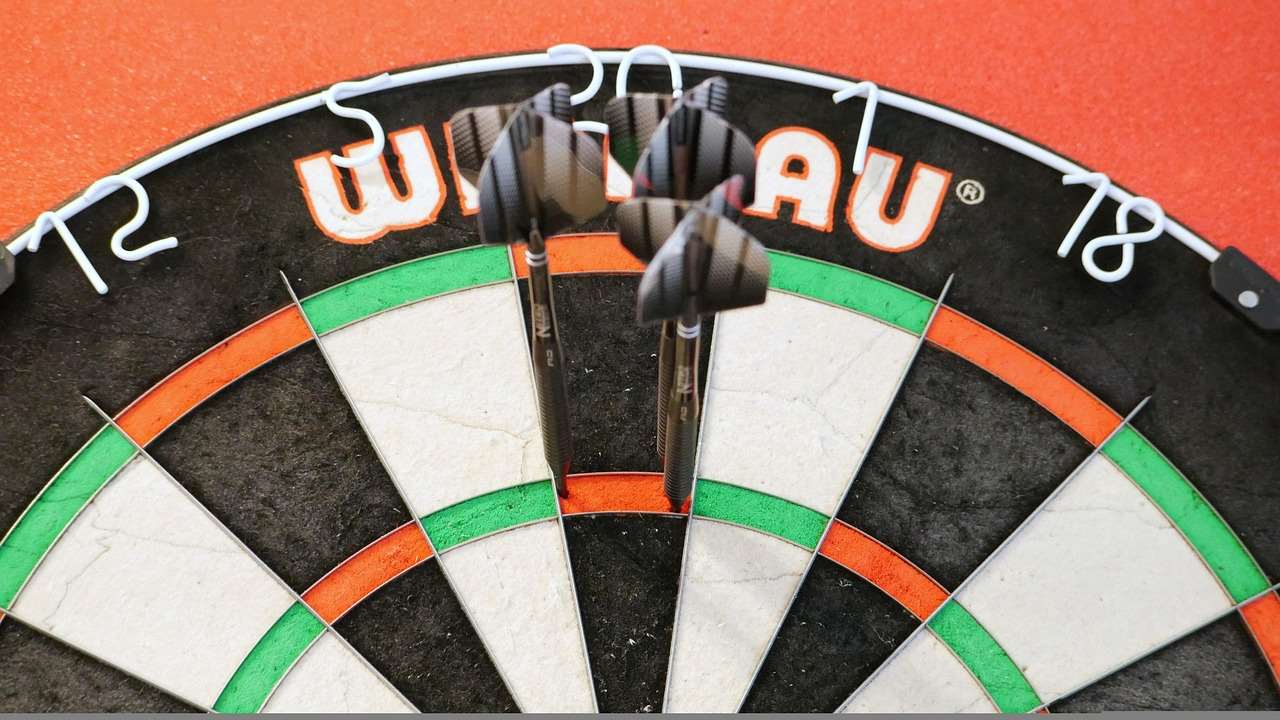
Key Elements of Dart Customization
There are several key components that can be customized to achieve the perfect dart setup for a professional player. Let’s break down each element:
Barrel Selection
The barrel is the heart of the dart. It’s where the player holds and controls the dart, and its weight, shape, and material all play crucial roles.
- Weight: Heavier barrels generally provide more stability, while lighter barrels offer greater maneuverability. Finding the right weight is a matter of personal preference, typically ranging from 20 to 26 grams for steel tip darts.
- Shape: Barrels come in various shapes, including straight, torpedo, and bomb. Straight barrels offer a consistent grip along the entire length, while torpedo and bomb shapes concentrate the weight towards the front, promoting a more aggressive throwing style.
- Material: Tungsten is the most popular material for dart barrels due to its high density, allowing for a slimmer barrel with the same weight as a brass dart. A slimmer barrel allows for tighter groupings on the dartboard.
- Grip: The grip texture on the barrel significantly impacts control. Knurled, ringed, and scalloped grips are common, each offering a different level of friction.
Shaft Selection
The shaft, also known as the stem, connects the barrel to the flight and influences the dart’s trajectory.
- Length: Shorter shafts generally result in a straighter trajectory, while longer shafts can create a more arcing flight path. Experimentation is key to finding the optimal length.
- Material: Nylon and aluminum are the most common shaft materials. Nylon shafts are lightweight and flexible, while aluminum shafts are more durable and rigid. Carbon fiber shafts are also available, offering a balance of weight and strength.
- Thread: Shafts are connected to the barrel via threading. Different threading types exist, and ensuring compatibility between the barrel and shaft is crucial.
Flight Selection
The flight stabilizes the dart in the air and affects its drag.
- Shape: Flights come in various shapes, including standard, kite, slim, and pear. Larger flights provide more stability but also create more drag, while smaller flights are faster but less forgiving.
- Material: Flights are typically made from polyester, nylon, or plastic. Thicker materials are more durable but can also affect the dart’s flight characteristics.
- Design: While primarily aesthetic, the design of the flight can also influence its aerodynamics.
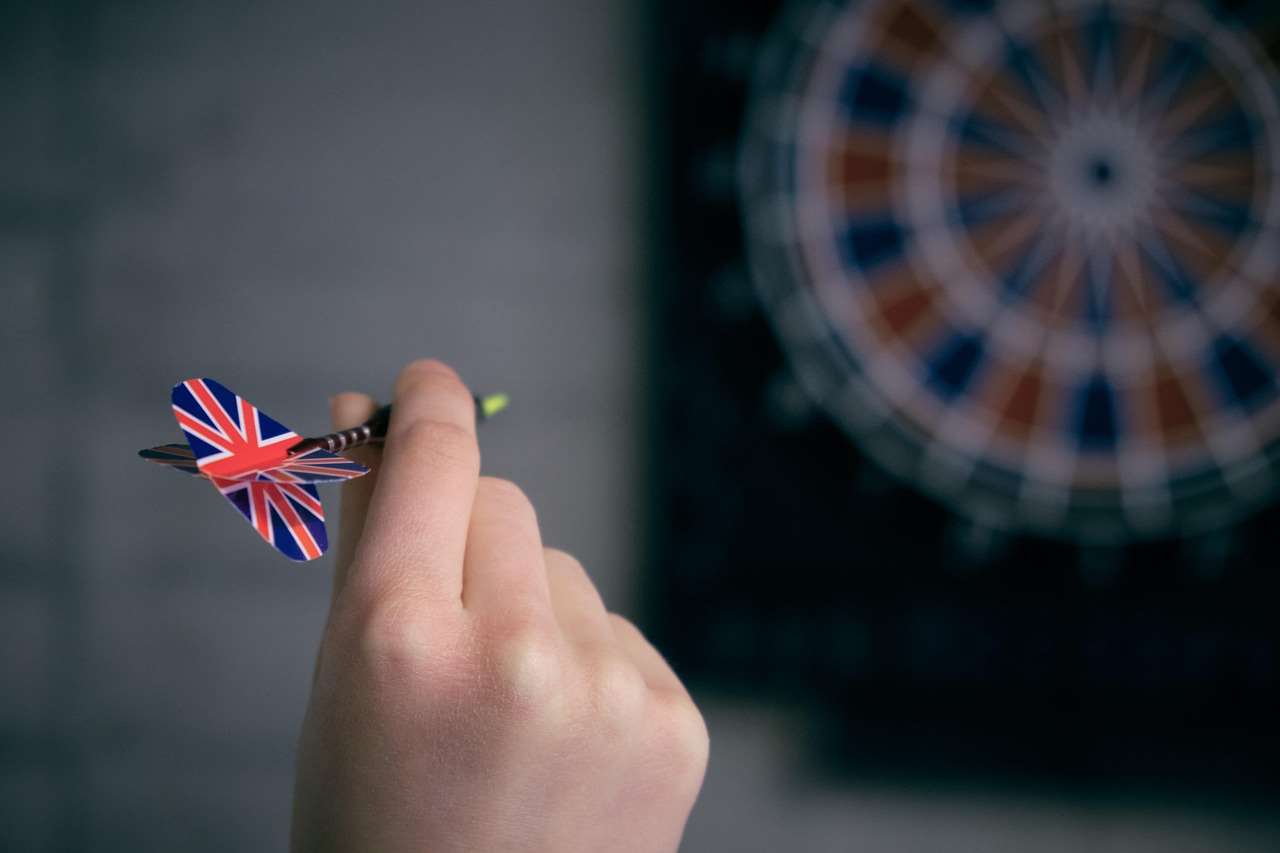
Optimizing Grip for Consistent Performance
A consistent grip is paramount for professional dart players. Grip optimization involves finding a grip that feels natural, comfortable, and allows for repeatable throws. It’s not just about holding the dart; it’s about creating a consistent anchor point and release mechanism.
Here are some tips for optimizing your grip:
- Experiment with different grip styles: Try a two-finger grip, a three-finger grip, or even a four-finger grip to see what feels most comfortable and provides the best control.
- Find your pressure point: Identify the point on the barrel where you apply the most pressure. This point should be consistent on every throw.
- Maintain a relaxed grip: Avoid gripping the dart too tightly, as this can lead to tension and inconsistent releases.
- Practice your grip regularly: Consistent practice helps to solidify your grip and make it second nature.
Fine-Tuning Dart Weight and Balance
The weight and balance of a dart significantly impact its flight and feel. Fine-tuning these aspects can dramatically improve a player’s accuracy and consistency. Pros often experiment with different weight distribution to find what works best for their throwing style. You can also consider the Budget vs Premium Darts Compared if you want to examine the quality and customization options available for each type of dart.
Here are some techniques for adjusting dart weight and balance:
- Adding weight: You can add weight to a dart by using specialized weight adders that screw into the back of the barrel or by using heavier points.
- Adjusting point weight: Dart points come in various weights, and swapping them out can subtly alter the dart’s balance.
- Using different shaft lengths: Longer shafts shift the center of gravity further back, while shorter shafts move it forward.
The Role of Point Selection in Customizing Darts For Pros
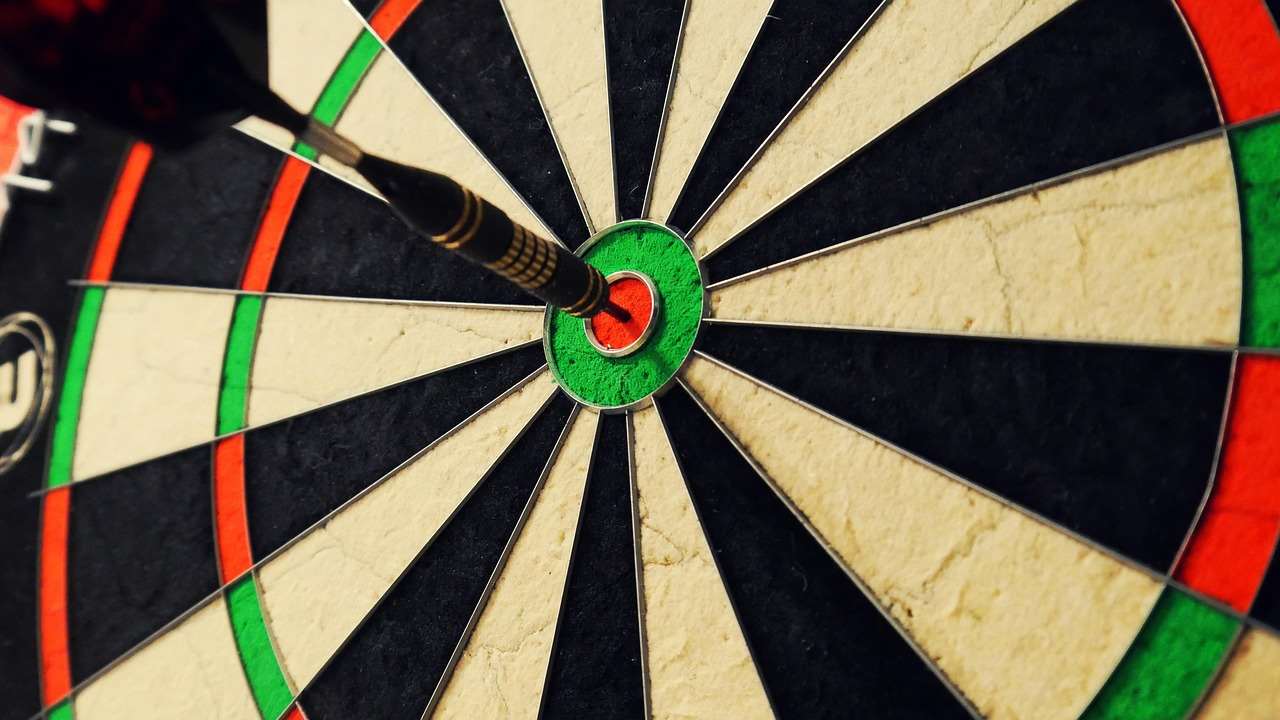
The dart point, often overlooked, plays a crucial role in both the dart’s performance and its ability to stay in the board. For steel tip darts, the point’s grip and length influence how well the dart sticks, while for soft tip darts, the point’s flexibility and durability are key. Choosing the right point is an essential part of customizing darts for pros.
Key considerations include:
- Point Length: Longer points can offer a better grip in the board, reducing bounce-outs.
- Point Grip: Grooved or textured points enhance grip, further minimizing bounce-outs.
- Point Material: Different materials offer varying levels of durability and grip.
- Conversion Points: These allow players to use steel tip darts on electronic dartboards.
Advanced Customization Techniques
Beyond the basic components, some advanced customization techniques can further refine a pro’s dart setup.
Recutting Barrels
Some professionals opt to have their barrels recut to alter the grip or shape. This is a highly specialized service that requires precision machining. Recutting can be used to create a more aggressive grip, modify the barrel’s profile, or even add custom engravings. This attention to detail shows What Makes Darts Premium Quality, and also demonstrates commitment to performance.
Using Custom Flights
While the shape and material of the flight are the primary factors affecting performance, some players opt for custom-designed flights with unique graphics or logos. This adds a personal touch to their equipment. Sublimated flights can also offer greater durability.
Finding the Right Customization Experts
When it comes to customizing darts for pros, working with experienced professionals is essential. Look for dart technicians or manufacturers who have a proven track record of helping players optimize their equipment. These experts can provide valuable insights and guidance, ensuring that your customization efforts are effective.
Consider these factors when choosing a customization expert:
- Experience: How long have they been in the business, and what is their experience working with professional players?
- Reputation: What do other players say about their services? Check online reviews and testimonials.
- Services Offered: Do they offer a full range of customization options, including barrel recutting, weight adjustment, and flight design?
- Consultation: Do they provide personalized consultations to understand your needs and preferences?
The Mental Edge of Custom Darts
While the physical benefits of customizing darts for pros are undeniable, the mental edge it provides should not be underestimated. Knowing that your equipment is perfectly tailored to your individual style can boost your confidence and focus. This mental advantage can be just as important as any technical improvement.
Conclusion
Customizing darts for pros is an investment in performance. By carefully considering each element of your dart setup and working with experienced professionals, you can create equipment that perfectly matches your throwing style and preferences. This leads to improved consistency, accuracy, and confidence on the oche. Ready to take your game to the next level? Start exploring your customization options today and discover the difference tailored equipment can make.

Hi, I’m Dieter, and I created Dartcounter (Dartcounterapp.com). My motivation wasn’t being a darts expert – quite the opposite! When I first started playing, I loved the game but found keeping accurate scores and tracking stats difficult and distracting.
I figured I couldn’t be the only one struggling with this. So, I decided to build a solution: an easy-to-use application that everyone, no matter their experience level, could use to manage scoring effortlessly.
My goal for Dartcounter was simple: let the app handle the numbers – the scoring, the averages, the stats, even checkout suggestions – so players could focus purely on their throw and enjoying the game. It began as a way to solve my own beginner’s problem, and I’m thrilled it has grown into a helpful tool for the wider darts community.