Crafting the perfect darts setup is about more than just buying a set; it’s about tailoring your equipment to your individual throwing style and preferences for optimal performance. This Customize Your Darts Setup Guide will walk you through every aspect of personalizing your darts, from selecting the right barrel and shaft to choosing the perfect flights, ensuring you achieve consistency and precision. You’ll also learn about dartboard setup, stance, and grip to further enhance your game.
⚠️ Still Using Pen & Paper (or a Chalkboard)?! ⚠️
Step into the future! The Dart Counter App handles all the scoring, suggests checkouts, and tracks your stats automatically. It's easier than you think!
Try the Smart Dart Counter App FREE!Ready for an upgrade? Click above!
Understanding the Core Components to Customize Your Darts Setup Guide
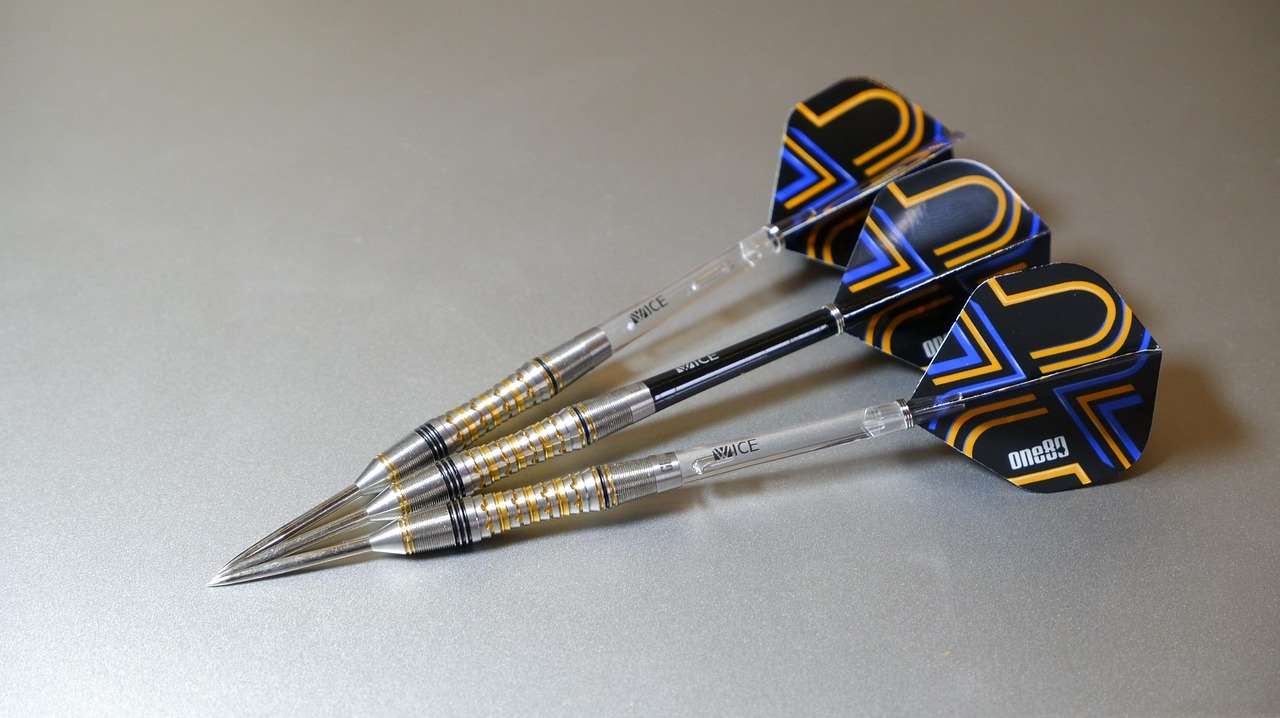
Before you dive into the specifics of customization, it’s crucial to understand the basic parts of a dart and how they influence its flight. These components include the barrel, shaft, and flight. Each plays a significant role in the dart’s overall balance, aerodynamics, and feel. Knowing how these parts interact is key to effectively customize your darts setup.
The Barrel: The Heart of Your Dart
The barrel is arguably the most critical part of your dart. It dictates the dart’s weight, balance, and grip. Barrels come in various materials, including brass, nickel-silver, and tungsten. Tungsten barrels are denser, allowing for a slimmer profile for the same weight, which can be advantageous for grouping your darts tightly. Consider these aspects when selecting your barrel:
- Weight: Experiment with different weights to find what feels most comfortable and allows for consistent throws.
- Grip: Choose a grip that provides adequate control without being too abrasive. Grooves, knurling, and rings are common grip features.
- Shape: The shape of the barrel impacts the dart’s balance and how it sits in your hand. Common shapes include straight, torpedo, and bomb.
Shafts: Fine-Tuning Your Dart’s Flight
Shafts connect the barrel to the flight and influence the dart’s stability in the air. They come in various lengths and materials, each affecting the dart’s trajectory. Longer shafts tend to stabilize the dart more, while shorter shafts can result in a faster, more direct flight. Materials include nylon, aluminum, and carbon fiber. Consider these points:
- Length: Experiment to find the length that best suits your throwing style and helps achieve consistent groupings.
- Material: Nylon shafts are durable and affordable, while aluminum and carbon fiber shafts offer increased strength and precision.
- Rotating vs. Non-Rotating: Rotating shafts allow the flight to spin upon impact, potentially reducing deflections from other darts.
Flights: Aerodynamics and Stability
Flights are responsible for the dart’s aerodynamic properties. They provide lift and stability, ensuring the dart flies straight and true. Flights come in various shapes, sizes, and materials, each influencing the dart’s flight path. Common shapes include standard, kite, slim, and pear. Key considerations include:
- Shape: Larger flights provide more stability, while smaller flights offer less drag and a faster flight.
- Material: Thicker flights are more durable but can also increase drag. Thinner flights offer better aerodynamics but may be more prone to damage.
- Design: The design of the flight is largely aesthetic, but it can also aid in aiming and visualization.
Dialing In Your Stance and Grip
While equipment plays a vital role, your stance and grip are equally important for consistent dart throws. Finding a stance and grip that feels natural and comfortable is essential for maximizing your accuracy. Think of stance and grip as an essential part of how you customize your darts setup.
Finding the Right Stance
Your stance provides the foundation for your throw. A stable and balanced stance allows for a smooth and controlled motion. Experiment with different stances to find what works best for you:
- Front-Facing: This stance involves facing the dartboard directly, with your feet shoulder-width apart.
- Angled: An angled stance involves positioning your body at an angle to the dartboard, with one foot slightly ahead of the other.
- Sideways: A sideways stance involves facing the dartboard with your body perpendicular to it.
Regardless of the stance you choose, ensure your weight is evenly distributed and your body is relaxed.
Developing a Consistent Grip
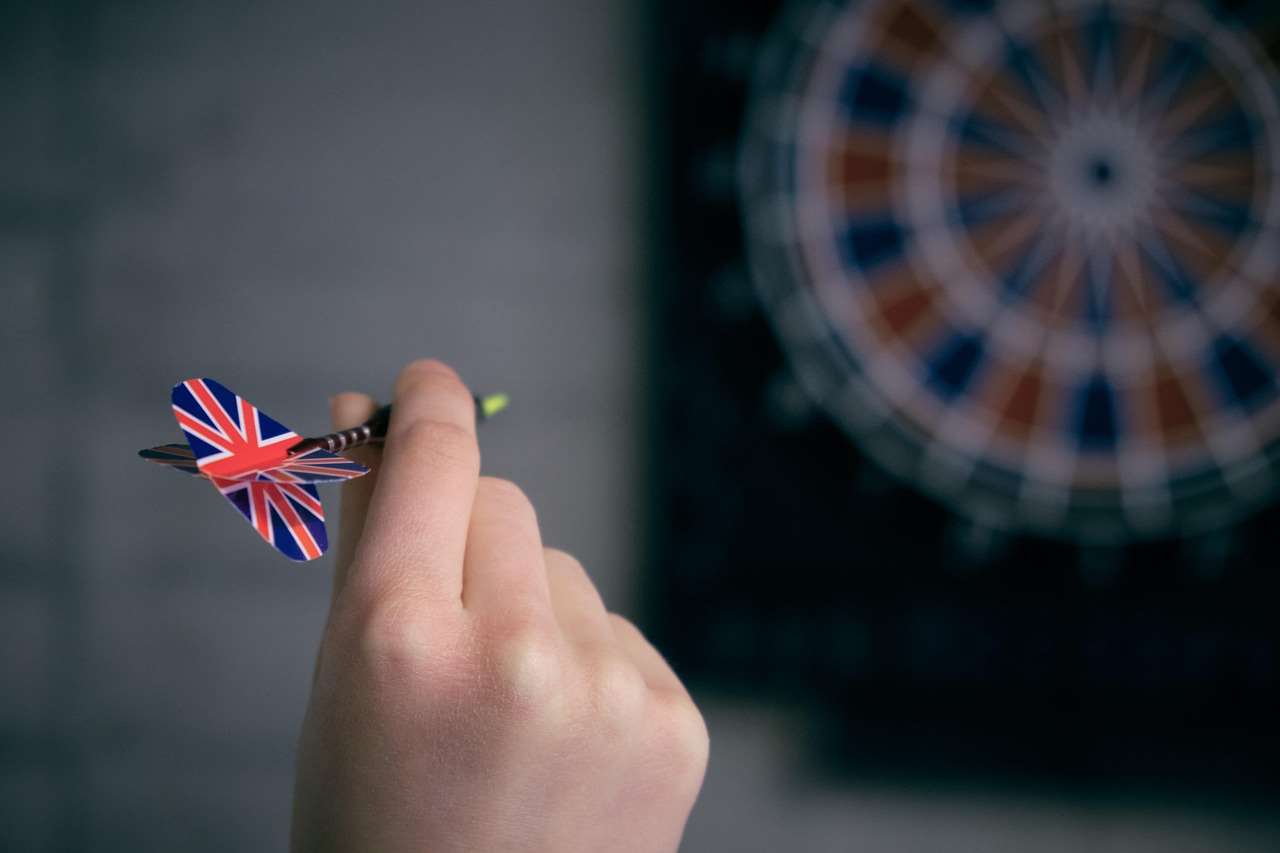
Your grip is the point of contact between you and the dart. A consistent grip ensures that you release the dart in the same way every time. Experiment with different grips to find one that feels comfortable and provides adequate control:
- Pencil Grip: Holding the dart like a pencil, with your thumb and forefinger providing the primary control.
- Pinch Grip: Pinching the dart between your thumb and two or three fingers.
- Full Grip: Gripping the dart with all five fingers.
Avoid gripping the dart too tightly, as this can lead to tension and inconsistent throws. A relaxed grip allows for a smoother release.
If you’re exploring ways to improve your dart game on a budget, you might consider reading “Best Budget Darts For Beginners” for tips on affordable options.
Dartboard Setup and Configuration
Setting up your dartboard correctly is crucial for fair play and accurate scoring. The official height and distance measurements are standardized to ensure consistency. Here’s how to ensure your dartboard is properly configured:
- Height: The center of the bullseye should be 5 feet 8 inches (1.73 meters) from the floor.
- Throwing Distance: The oche (throwing line) should be 7 feet 9 1/4 inches (2.37 meters) from the face of the dartboard.
- Lighting: Ensure adequate lighting to illuminate the dartboard evenly. Shadows can make it difficult to aim accurately.
Experimentation is Key to Refining Your Darts Setup
The best way to customize your darts setup is through experimentation. Don’t be afraid to try different combinations of barrels, shafts, and flights until you find what works best for you. It’s also beneficial to record your results and analyze your performance to identify patterns and make informed decisions.
Tracking Your Progress
Keep a detailed log of your dart setup and your performance. Note the barrel weight and shape, shaft length and material, and flight shape and size. Also, record your scores and analyze your groupings to identify areas for improvement. This data will help you fine-tune your setup over time. Learning what makes What Makes Darts Premium Quality can also help you make informed decisions when upgrading equipment.

Making Small Adjustments
Once you have a baseline setup, make small adjustments one at a time. Changing too many variables simultaneously can make it difficult to determine which adjustments are actually improving your performance. For example, try switching to a slightly longer shaft or a different flight shape and see how it affects your throws.
The Importance of Consistency in Darting
Consistency is the holy grail of darts. It’s not just about having the right equipment; it’s about developing a repeatable throwing motion and maintaining focus under pressure. Consistent practice and a well-tuned setup are key to achieving consistent results. Also consider if you want to Investing In Premium Dart Equipment as this can help greatly.
Practice Drills for Consistency
Incorporate practice drills into your routine to improve your consistency. Focus on hitting specific targets, such as the treble 20 or the bullseye. Repeat the same throwing motion over and over again until it becomes second nature. Visualizing your target and maintaining a positive mental attitude can also help improve your consistency.
Beyond the Basics: Advanced Customization Techniques
Once you’ve mastered the basics of dart customization, you can explore more advanced techniques to further refine your setup. These techniques include adjusting the weight distribution of your darts, experimenting with different grip enhancements, and even modifying your dartboard setup.
Weight Distribution Adjustments
Adjusting the weight distribution of your darts can significantly impact their flight characteristics. You can add weight to the front, center, or rear of the barrel using lead tape or specialized weights. Experiment with different weight distributions to find what provides the most stable and accurate flight for your throwing style. This can also influence your decision when you Choose Best Dart Equipment.
Grip Enhancements
If you’re struggling to maintain a consistent grip, you can try using grip enhancements, such as rosin or specialized grip tape. These enhancements can provide added friction and control, helping you to maintain a secure grip on the dart. Experiment with different grip enhancements to find what feels most comfortable and effective for you.
Fine-Tuning Your Dartboard Setup
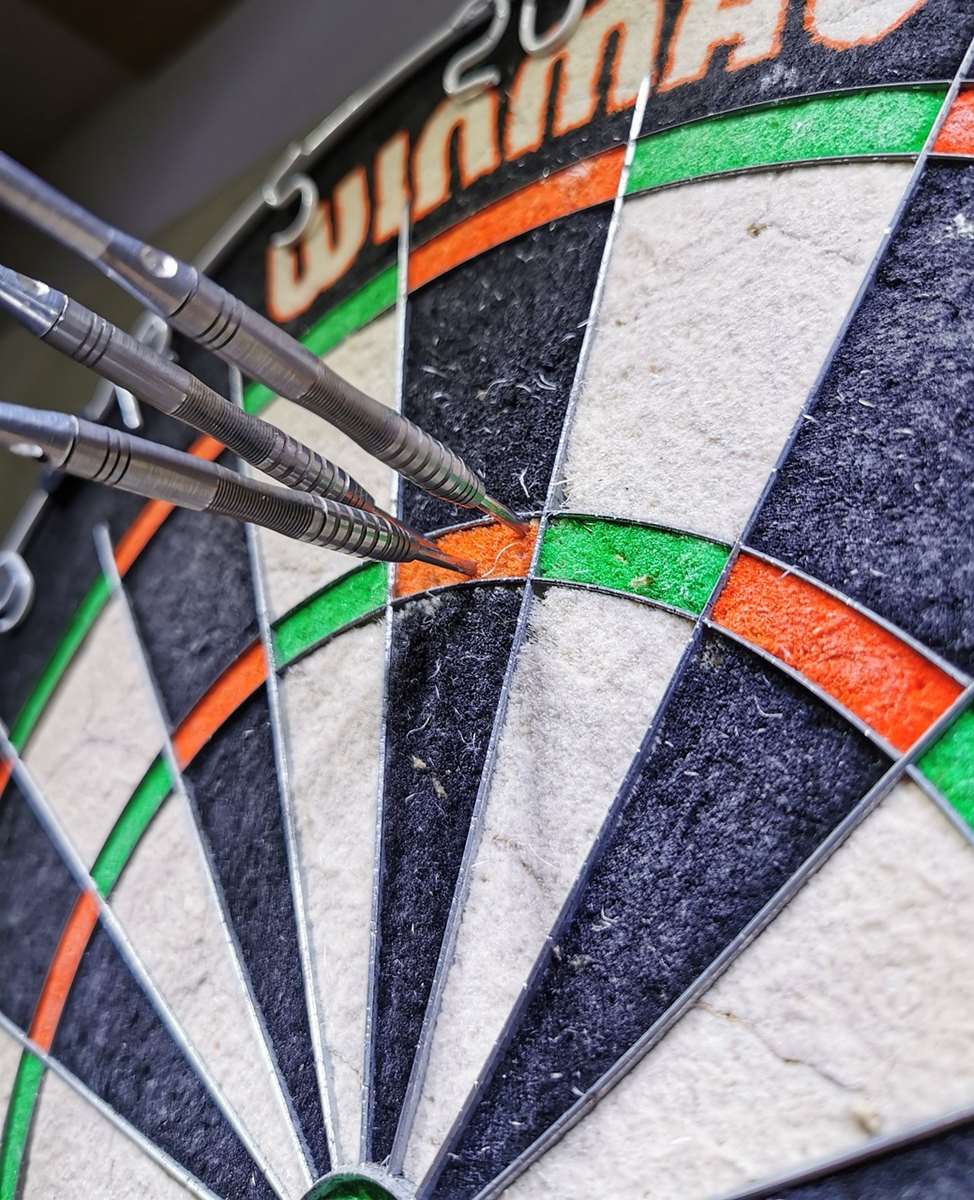
In addition to adjusting the height and distance of your dartboard, you can also experiment with different dartboard setups to optimize your playing experience. For example, you can use a surround to protect your wall from stray darts or install a lighting system to improve visibility. You can also experiment with different dartboard materials and construction to find what provides the best playing surface.
Maintaining Your Darts and Equipment
Regular maintenance is essential for prolonging the life of your darts and equipment. Clean your darts regularly to remove dirt and grime, and inspect them for any signs of wear and tear. Replace damaged shafts and flights promptly to maintain optimal performance.
- Cleaning: Use a soft cloth and mild detergent to clean your darts. Avoid using abrasive cleaners, as they can damage the finish.
- Inspection: Regularly inspect your shafts and flights for cracks or damage. Replace them as needed.
- Storage: Store your darts in a case or holder to protect them from damage.
Conclusion: Your Journey to Darts Perfection
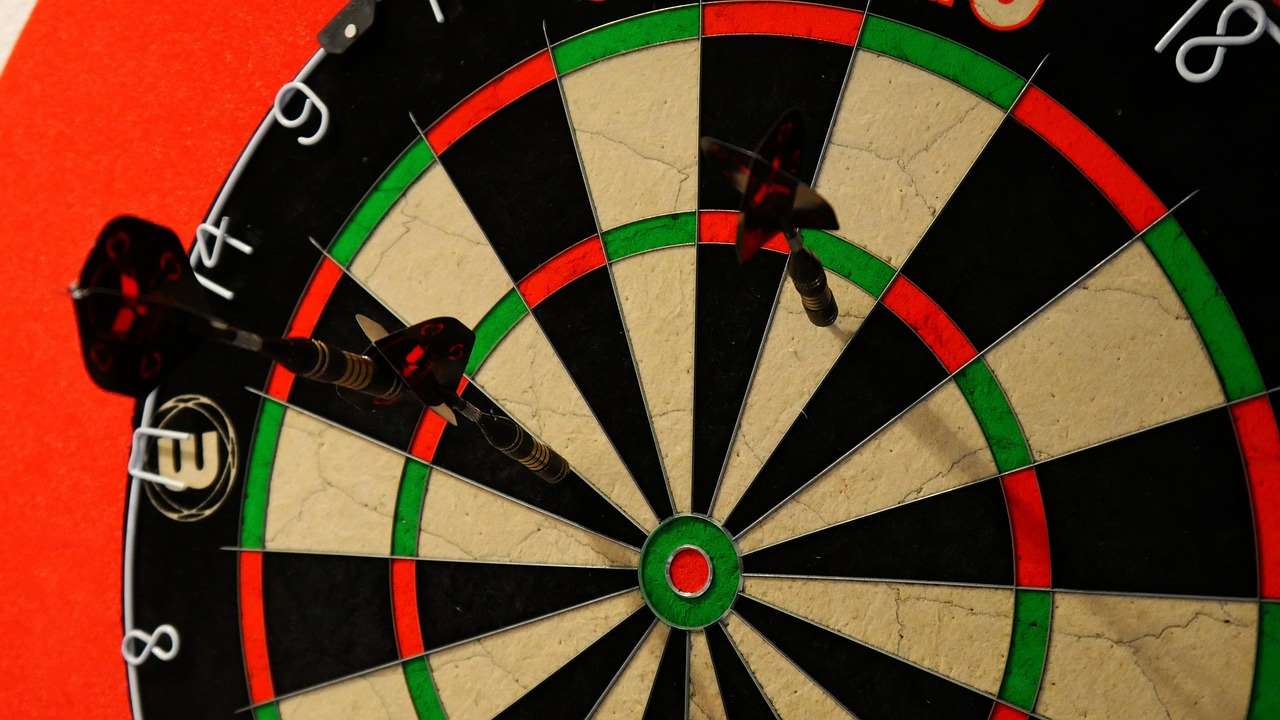
The journey to customize your darts setup is an ongoing process of experimentation and refinement. By understanding the core components of your darts, developing a consistent stance and grip, and tracking your progress, you can fine-tune your setup to achieve optimal performance. Remember to be patient and persistent, and don’t be afraid to try new things. Embrace the process, and you’ll be well on your way to darts perfection. Now, grab your newly customized darts, practice your stance, refine your grip, and consistently aim for that bullseye! Experiment and make adjustments to suit your unique style to further hone your skills. Good luck!

Hi, I’m Dieter, and I created Dartcounter (Dartcounterapp.com). My motivation wasn’t being a darts expert – quite the opposite! When I first started playing, I loved the game but found keeping accurate scores and tracking stats difficult and distracting.
I figured I couldn’t be the only one struggling with this. So, I decided to build a solution: an easy-to-use application that everyone, no matter their experience level, could use to manage scoring effortlessly.
My goal for Dartcounter was simple: let the app handle the numbers – the scoring, the averages, the stats, even checkout suggestions – so players could focus purely on their throw and enjoying the game. It began as a way to solve my own beginner’s problem, and I’m thrilled it has grown into a helpful tool for the wider darts community.