Mastering the art of Cricket darts requires more than just a steady hand; accurate scoring is crucial, and knowing how to avoid **Cricket darts common scoring errors** can significantly improve your game and prevent frustrating disputes. This article will guide you through common scoring pitfalls, offering practical tips and strategies to ensure fair and accurate gameplay.
⚠️ Still Using Pen & Paper (or a Chalkboard)?! ⚠️
Step into the future! The Dart Counter App handles all the scoring, suggests checkouts, and tracks your stats automatically. It's easier than you think!
Try the Smart Dart Counter App FREE!Ready for an upgrade? Click above!
Understanding the Basics of Cricket Darts Scoring
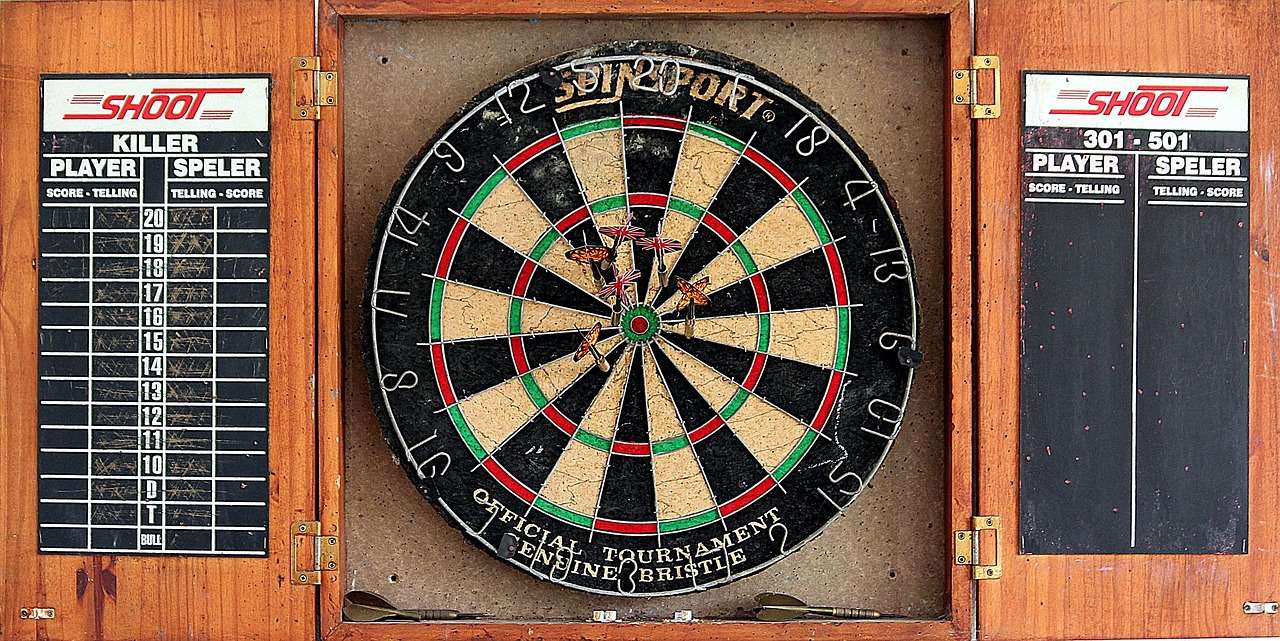
Before diving into the errors, let’s recap the fundamental principles of Cricket darts scoring. The game involves “closing” specific numbers (20, 19, 18, 17, 16, 15 and the bullseye) by hitting them three times each. Once a number is closed by a player, only they can score on that number. If the opposing player has not closed a number and the first player hits it after closing it themselves, those points are added to the first player’s score.
The first player to close all required numbers and have a score equal to or greater than their opponent wins. If a player closes all numbers but is behind in points, they must continue to score on open numbers until they either surpass their opponent’s score or their opponent closes all the numbers and attains a higher or equal score. This delicate balance between closing and scoring is where many players encounter **scoring errors**.

Most Common Cricket Darts Scoring Errors
Let’s explore some of the most prevalent mistakes made when keeping score in Cricket darts. Recognizing these pitfalls is the first step to preventing them.
- Miscounting Marks: Failing to accurately count the number of hits on a specific number. It’s easy to lose track, especially during fast-paced games. Always double-check before marking.
- Incorrectly Assigning Points: Scoring points on a number that has already been closed by both players. This usually happens because players aren’t paying full attention to the board.
- Forgetting to Close: Overlooking the fact that a number needs to be closed before scoring on it is allowed. This is a frequent mistake for beginners.
- Scorekeeping Errors: Simple arithmetic mistakes can occur when adding up scores, particularly with fast-paced scoring.
- Misunderstanding the “Closing” Rule: Not fully grasping the concept of closing a number and its implications on scoring. This leads to many disagreements.
- Failure to Mark Properly: Illegible or confusing markings on the scoreboard can lead to misinterpretations and incorrect scores. Using a clear, consistent marking system is vital.
Keeping Score: Avoiding Miscounting Marks
One of the most frequent problems comes from simply miscounting marks on the board. Double and triple hits can cause momentary confusion, especially when adrenaline is high during a competitive match. Here are some strategies to avoid miscounting:
- Call Out Your Hits: Verbally announce each hit as it occurs, specifying single, double, or triple. This forces you to consciously process the score and helps your opponent verify.
- Use a Clear Marking System: Develop a consistent method for marking hits on the scoreboard. For example, use a single line for a single, a double line for a double, and a triple line for a triple.
- Verify with Your Opponent: After each throw, confirm the number of hits with your opponent before marking the scoreboard. This promotes transparency and reduces the chance of errors. This is particularly important in games with a handicap system fun dart games.
Strategies for Accurate Cricket Darts Scoring
Beyond identifying potential **Cricket darts common scoring errors**, implementing effective strategies can minimize their occurrence. Consider these practical approaches:
- Use a Dedicated Scorekeeper: In competitive settings, assigning a neutral third party to keep score can significantly improve accuracy.
- Employ a Scoreboard App: Numerous mobile apps and online scoreboards are available to automate scorekeeping, reducing the risk of arithmetic errors.
- Establish Clear Communication: Before the game, agree on a consistent marking system and ensure both players understand all the rules, preventing later disputes.
- Review Scores Regularly: Take brief pauses during the game to double-check the accuracy of the scores and address any discrepancies immediately.
- Stay Focused: Minimizing distractions and maintaining concentration will help you track hits and calculate scores accurately.

Using Technology to Minimize Scoring Mistakes
In the modern era, technology provides valuable resources to mitigate **scoring errors**. Several mobile apps and online platforms are specifically designed for tracking Cricket darts scores. These tools typically offer features like:
- Automated Calculations: The app handles all the arithmetic, eliminating the risk of manual calculation errors.
- Visual Scoreboard: A clear and easily readable display of the current scores and closed numbers.
- History Tracking: Records the progress of the game, allowing you to review past throws and identify any potential errors.
- Multiplayer Support: Enables multiple players to track their scores simultaneously, simplifying team games.
While technology is helpful, it’s still essential to understand the underlying scoring rules. Relying solely on an app without a grasp of the fundamentals can lead to problems if the app malfunctions or if you’re playing in a situation where technology isn’t available. Adapting is key! You can use your Adapting darts games skills.
Resolving Scoring Disputes Fairly
Even with the best precautions, scoring disagreements can arise. When disputes occur, it’s crucial to handle them constructively and fairly. Here’s a suggested approach:
- Review the Scoreboard Together: Carefully examine the markings on the scoreboard to identify the point of contention.
- Reconstruct the Throws: Try to recall the specific throws that led to the dispute. Discuss the number of hits and the numbers hit.
- Consult a Neutral Party: If the players cannot agree, seek the opinion of a neutral third party (if available).
- Err on the Side of Caution: If a definitive resolution cannot be reached, it’s often best to give the benefit of the doubt to the opponent.
- Learn from the Experience: Use the dispute as an opportunity to refine your scorekeeping practices and prevent similar issues in the future. Perhaps the adjusting dart game rules may help you.

The Psychological Impact of Scoring Errors
Beyond the immediate frustration, **scoring errors** can significantly impact a player’s mental state and performance. Unresolved disputes can lead to anger, resentment, and a loss of focus. This can disrupt the flow of the game and negatively affect throwing accuracy. Maintaining a positive and sportsmanlike attitude is essential, even when disagreements arise.
It’s important to remember that Cricket darts is ultimately a game. While accurate scoring is crucial, it shouldn’t come at the expense of enjoyment and camaraderie. Cultivating a spirit of fair play and respect will ensure that everyone has a positive experience, regardless of the outcome. Think about how the Darts for mixed ability groups can be affected by this.
Choosing the Right Darts Equipment to Improve Accuracy
While scoring accuracy is paramount, improving your throwing technique is equally important. Selecting the right darts equipment can have a positive impact on your overall performance. Consider the following factors when choosing your darts:
- Weight: Experiment with different dart weights to find what feels most comfortable and controllable.
- Grip: Choose a grip style that suits your throwing motion. Some grips offer more traction, while others are smoother.
- Shaft Length: Adjust the shaft length to optimize your dart’s flight path. Shorter shafts tend to fly straighter, while longer shafts offer more stability.
- Flight Shape: Different flight shapes can affect the dart’s trajectory. Standard flights are versatile, while smaller flights are faster and more aerodynamic.

Adapting Scoring for Different Skill Levels
In games involving players of varying skill levels, it may be necessary to **modify dart games skill gap** to ensure a fair and engaging experience. Here are some potential adjustments:
- Handicap System: Award the weaker player a point advantage at the start of the game.
- Limited Numbers: Reduce the number of required numbers for the stronger player.
- Target Practice: Allow the weaker player extra practice throws before the game begins.
These adjustments can help level the playing field and create a more enjoyable experience for all participants. Also consider how Darts games different skill levels may be affecting gameplay
Advanced Scoring Techniques in Cricket Darts
As you become more proficient in Cricket darts, you can explore more advanced scoring techniques to gain a competitive edge. One such technique is strategic closing, which involves prioritizing the closing of specific numbers based on your opponent’s strengths and weaknesses. For example, if your opponent excels at hitting the 20, you might focus on closing that number early in the game to limit their scoring opportunities.
Another advanced technique is point accumulation. Instead of immediately closing a number after hitting it three times, you can choose to accumulate additional points on that number if your opponent has not yet closed it. This can significantly increase your score and put pressure on your opponent to close the number defensively. Mastering these advanced techniques requires a deep understanding of the game’s strategy and a keen awareness of your opponent’s playing style. Make sure you understand the Making darts games fair players.
Conclusion: Mastering Cricket Darts Through Accurate Scoring
Preventing **Cricket darts common scoring errors** is essential for maintaining fair play, avoiding disputes, and maximizing your enjoyment of the game. By understanding the common pitfalls, implementing effective scorekeeping strategies, and handling disagreements constructively, you can ensure that your Cricket darts games are both accurate and enjoyable.
Remember to utilize technology when possible, communicate clearly with your opponents, and continuously refine your scorekeeping practices. With dedication and attention to detail, you can master the art of accurate scoring and elevate your Cricket darts game to the next level. So grab your darts, gather your friends, and put these tips into practice – and most importantly, have fun! Now that you know how to keep score, learn about Darts Variants Fun Games. Good luck and happy darting!

Hi, I’m Dieter, and I created Dartcounter (Dartcounterapp.com). My motivation wasn’t being a darts expert – quite the opposite! When I first started playing, I loved the game but found keeping accurate scores and tracking stats difficult and distracting.
I figured I couldn’t be the only one struggling with this. So, I decided to build a solution: an easy-to-use application that everyone, no matter their experience level, could use to manage scoring effortlessly.
My goal for Dartcounter was simple: let the app handle the numbers – the scoring, the averages, the stats, even checkout suggestions – so players could focus purely on their throw and enjoying the game. It began as a way to solve my own beginner’s problem, and I’m thrilled it has grown into a helpful tool for the wider darts community.