Practicing good sportsmanship, especially **congratulating or acknowledging opponents: darts etiquette**, is crucial for maintaining a positive and enjoyable atmosphere in any darts game. This article will explore the unwritten rules of darts etiquette, focusing on how to show respect and acknowledge your opponents’ skills and efforts, contributing to a more sportsmanlike environment.
⚠️ Still Using Pen & Paper (or a Chalkboard)?! ⚠️
Step into the future! The Dart Counter App handles all the scoring, suggests checkouts, and tracks your stats automatically. It's easier than you think!
Try the Smart Dart Counter App FREE!Ready for an upgrade? Click above!
The Importance of Good Sportsmanship in Darts
Darts, while often played in a relaxed setting, is still a game of skill and strategy. Good sportsmanship is paramount to fostering a friendly competitive environment. Showing respect for your opponent, whether they are winning or losing, reflects positively on you and enhances the overall experience for everyone involved. Understanding and practicing congratulating or acknowledging opponents: darts etiquette contributes significantly to the culture of the game. This not only makes the game more enjoyable for all participants, but also demonstrates a high level of maturity and integrity. Remember to check out Basic Darts Fundamentals for Beginners for an overall understanding of the game.
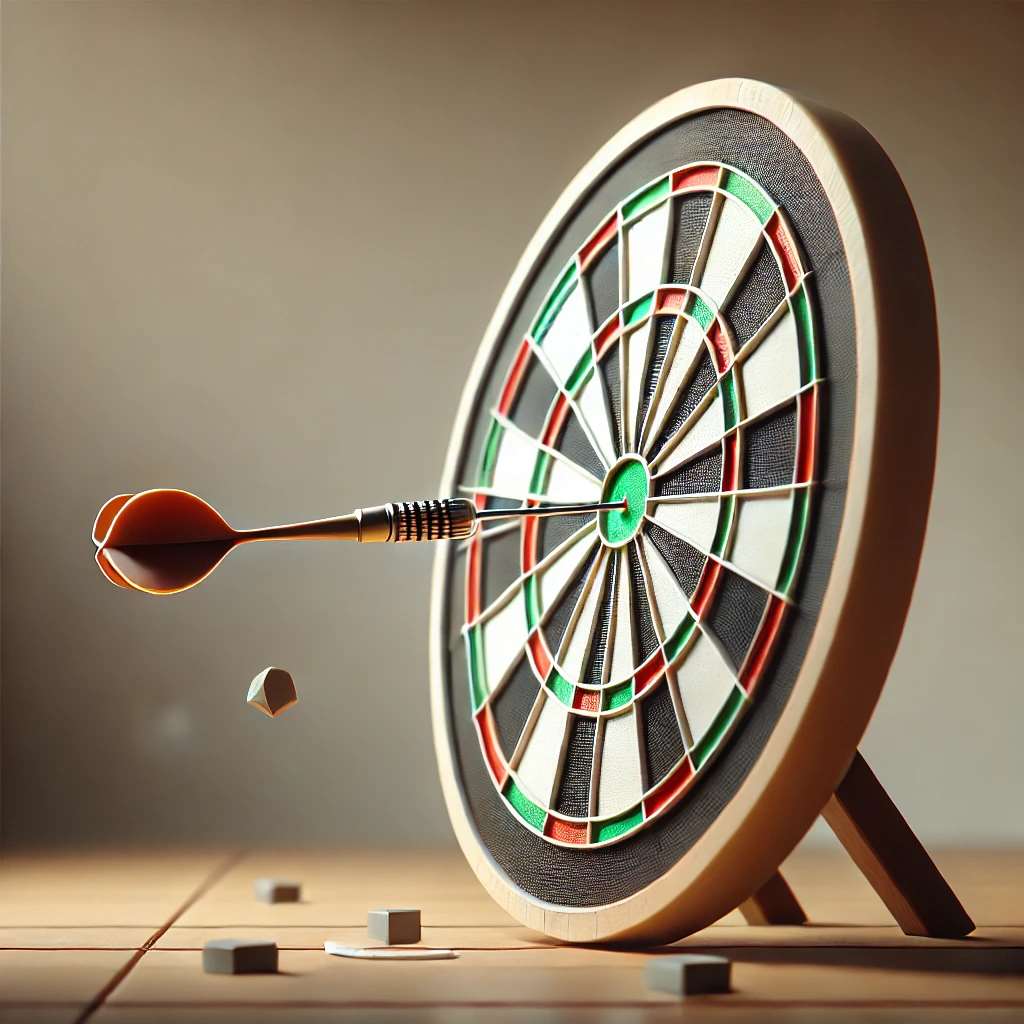
Congratulating or Acknowledging Opponents: Darts Etiquette Explained
The core of darts etiquette lies in acknowledging your opponent’s performance, whether it’s a brilliant shot, a well-played leg, or even a lucky break. **Congratulating or acknowledging opponents: darts etiquette** is not simply about saying “good shot,” but conveying genuine appreciation for their effort and skill. Here are some specific ways to demonstrate this:
- Verbal Acknowledgement: A simple “Good shot,” “Well done,” or “Nice finish” goes a long way.
- Non-Verbal Acknowledgement: A nod of the head, a thumbs-up, or a smile can also effectively convey your appreciation.
- Acknowledging a Win: After a match, offer a handshake and a sincere “Well played” or “Congratulations.” Avoid making excuses for your loss.
- Acknowledging a Loss: If your opponent has a tough loss, offer words of encouragement, such as “Tough luck,” or “You’ll get them next time.”
It’s important to be genuine in your acknowledgements. Sarcasm or insincerity is easily detected and can damage the atmosphere of the game. Always strive for authenticity in your interactions.
Specific Examples of Darts Etiquette in Action
Let’s explore some specific scenarios and how to apply proper darts etiquette:
- Hitting a 180: If your opponent hits a 180, acknowledge it with enthusiasm. A “Great 180!” or a round of applause is appropriate.
- Completing a High Checkout: Similarly, if your opponent finishes with a high checkout (e.g., 100+), offer sincere congratulations.
- Winning a Close Game: Even if you’re disappointed by the loss, be gracious in defeat. Congratulate your opponent on their victory and acknowledge that it was a well-fought match.
- Missing a Critical Shot: Avoid celebrating or gloating if your opponent misses a crucial shot. A simple “Unlucky” is sufficient.
Remember, the goal is to create a positive and supportive environment where everyone feels comfortable and respected. This contributes to the overall enjoyment of the game. Understanding when to apply adapting darts rules for beginners is also a facet of being a respectful player.
Common Mistakes to Avoid in Darts Etiquette
While most darts players strive to be good sports, some common mistakes can detract from the experience. Here are some pitfalls to avoid:
- Gloating: Excessive celebration or boasting after a win is considered poor form.
- Making Excuses: Blaming your darts, the lighting, or other external factors for your poor performance is seen as unsportsmanlike.
- Distracting Your Opponent: Avoid making noise or engaging in disruptive behavior while your opponent is throwing.
- Being a Sore Loser: Complaining, arguing, or refusing to shake hands after a loss is unacceptable.
- Giving Unsolicited Advice: Unless specifically asked, avoid offering unsolicited advice to your opponent about their technique or strategy.
Being mindful of these common mistakes can help you maintain a reputation as a respectful and considerate darts player. Good manners are vital to enjoying the game and maintaining friendships within the darts community.
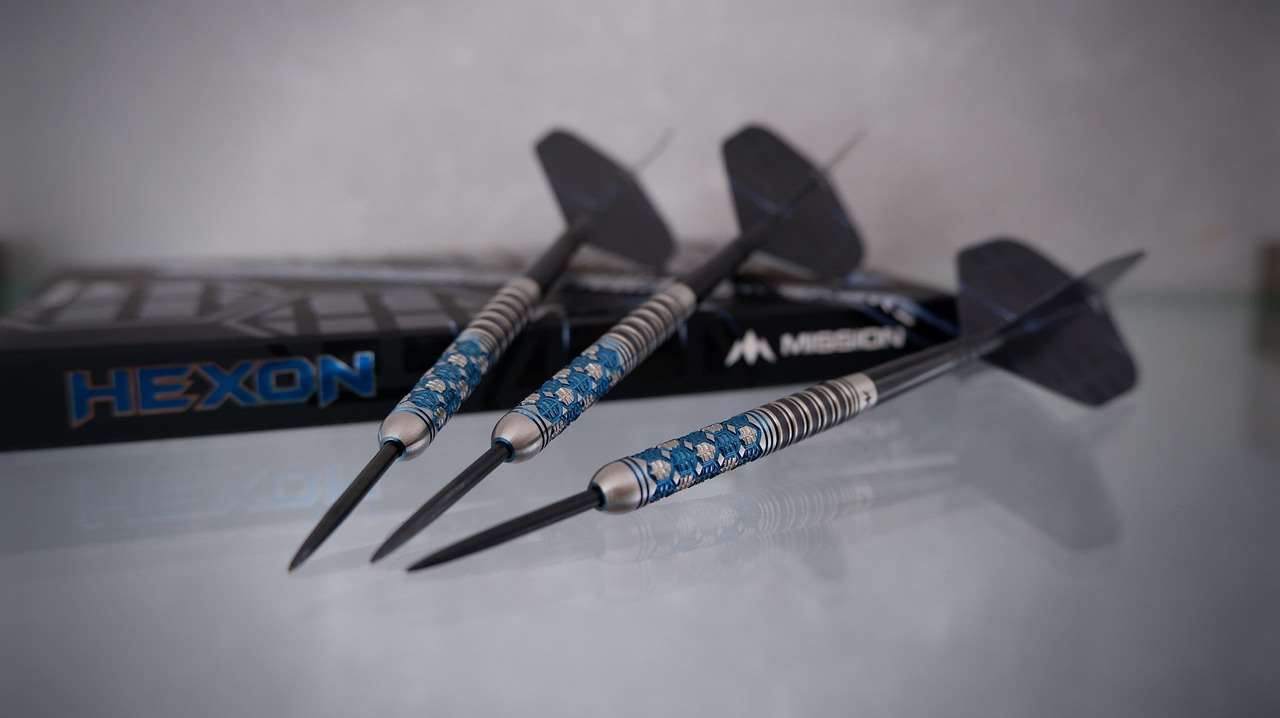
The Role of Respect in Creating a Positive Darts Environment
Respect is the foundation of good darts etiquette. Showing respect for your opponent, the game itself, and the rules creates a positive environment where everyone can enjoy the competition. This includes not only verbal and non-verbal acknowledgements but also adhering to the established rules of the game and treating everyone with courtesy and consideration. Furthermore, being aware of and respecting the skill level of different players is crucial; what might be acceptable behavior in a casual game with friends may not be appropriate in a more competitive league setting. Consider how to make darts fairer with handicap rules to balance the playing field and create an environment that is more enjoyable for everyone.
Darts Etiquette for League and Tournament Play
While casual games benefit from good etiquette, it’s even more crucial in league and tournament play. The stakes are often higher, and emotions can run stronger. In these settings, adhering to the established code of conduct is essential. This often includes:
- Following the Rules: Strict adherence to the official rules of the game is paramount.
- Respecting the Officials: Treat referees and scorekeepers with respect and accept their decisions without argument.
- Maintaining Composure: Avoid displays of anger or frustration, even under pressure.
- Dressing Appropriately: Many leagues have dress codes that must be followed.
- Being Punctual: Arrive on time for matches and be prepared to play when scheduled.
League and tournament play often have specific rules regarding etiquette and conduct, so it’s important to familiarize yourself with them before participating. Always display good sportsmanship regardless of the outcome of the game. Remember that congratulating or acknowledging opponents: darts etiquette matters even more when the competition is fierce.
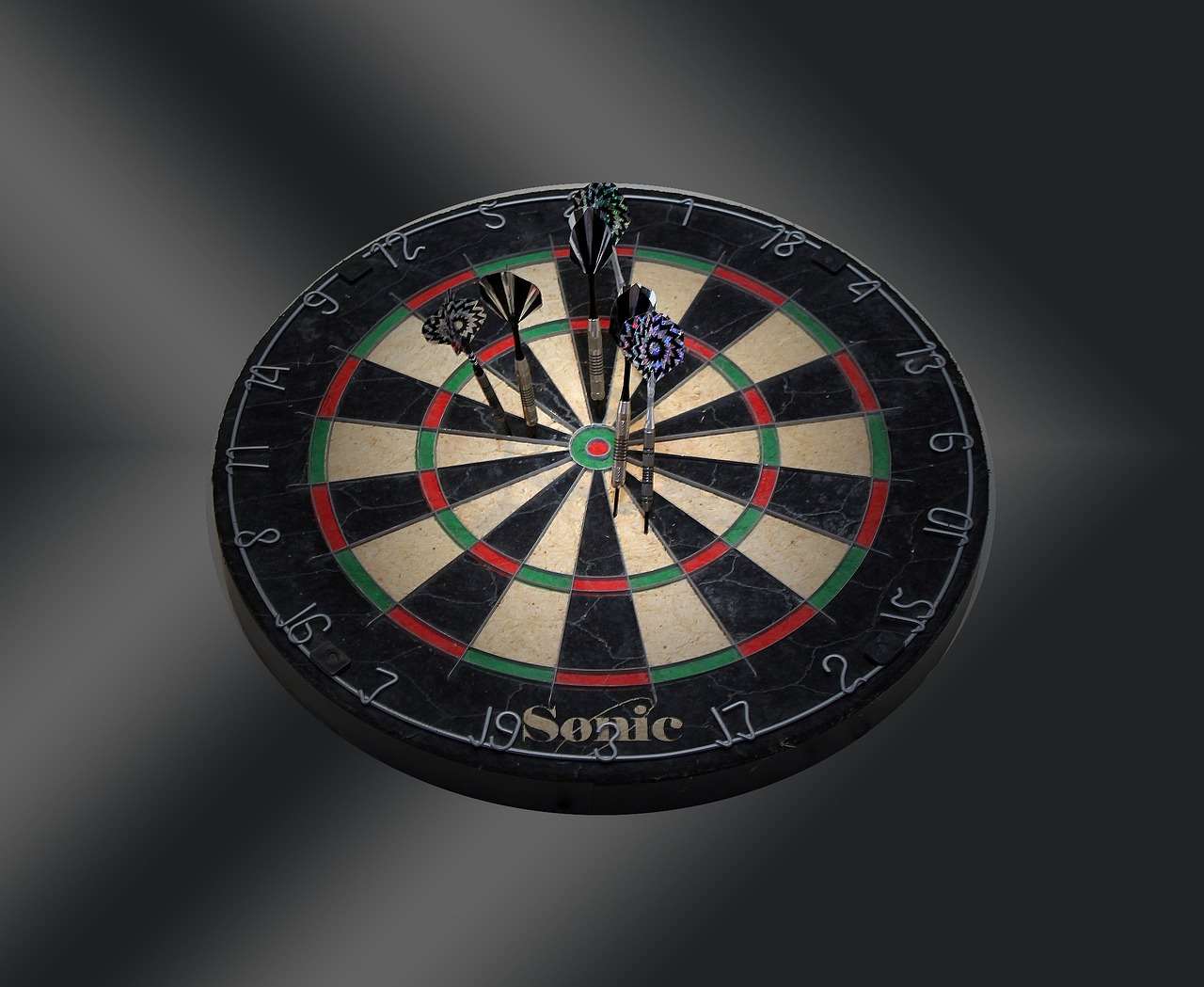
Adapting Your Etiquette for Different Opponents
While general guidelines for darts etiquette remain consistent, it’s important to adapt your approach based on the individual you’re playing against. Some players may appreciate more vocal encouragement, while others prefer a more reserved approach. Consider the following factors:
- Experience Level: Acknowledge a beginner’s effort and offer encouragement, even if their skills are limited. With more experienced players, a simple “Good shot” is often sufficient.
- Personality: Some players are naturally more outgoing and appreciate a more boisterous atmosphere, while others are more introverted and prefer a quieter environment.
- Relationship: Your etiquette may differ depending on whether you’re playing against a close friend, a casual acquaintance, or a complete stranger.
Being observant and adapting your behavior accordingly can help you create a more comfortable and enjoyable experience for everyone involved. The key is to be respectful and considerate of your opponent’s preferences.
The Benefits of Practicing Good Darts Etiquette
Practicing good darts etiquette offers numerous benefits, both on and off the oche. These include:
- Enhanced Enjoyment: Creates a more positive and enjoyable experience for everyone.
- Improved Relationships: Fosters stronger relationships with fellow players.
- Enhanced Reputation: Builds a reputation as a respectful and considerate player.
- Positive Influence: Sets a good example for others, particularly new players.
- Sportsmanship Development: Contributes to a culture of sportsmanship within the darts community.
Ultimately, good darts etiquette is about more than just following the rules; it’s about creating a positive and supportive environment where everyone can enjoy the game to the fullest.
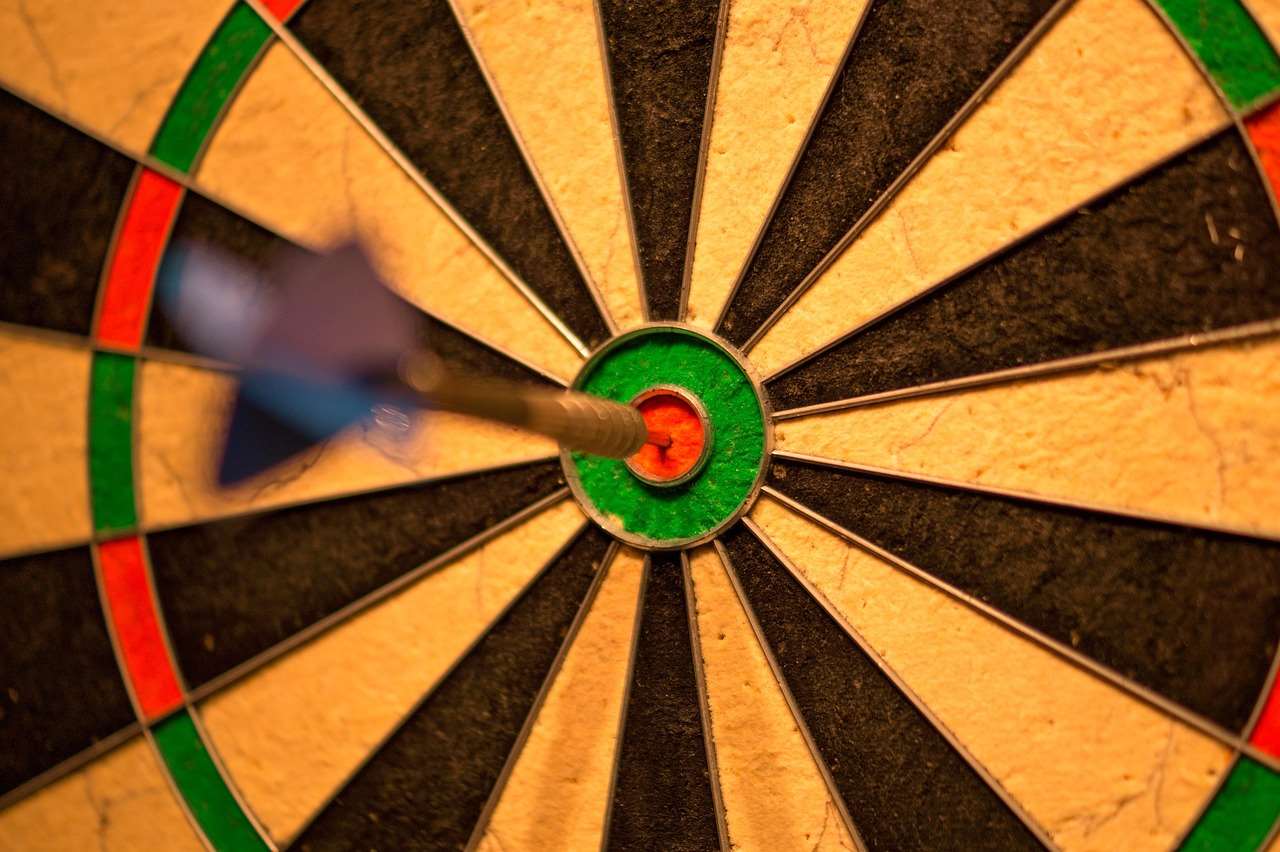
Beyond Congratulating: Supportive Darts Etiquette
While **congratulating or acknowledging opponents: darts etiquette** is essential, going beyond simple acknowledgements can truly elevate the game’s atmosphere. Supportive actions can make a significant difference, particularly for newer or less confident players. These can include offering encouragement during difficult moments, providing constructive feedback (when asked for!), and celebrating small victories. This form of etiquette helps build a welcoming and inclusive environment, encouraging continued participation and improvement within the darts community.
Teaching Darts Etiquette to New Players
One of the best ways to ensure the continuation of good darts etiquette is to teach it to new players. Experienced players have a responsibility to mentor newcomers and instill in them the importance of respect, sportsmanship, and fair play. This can involve explaining the unwritten rules of the game, demonstrating proper behavior, and providing constructive feedback. By actively promoting good etiquette, we can ensure that the game remains a positive and enjoyable experience for everyone. It’s also important to explain why these rules are in place – to promote fair play and maintain a friendly environment for all. Consider fun dart game variations with modified rules for introducing darts to newcomers.
Conclusion: Embracing Good Darts Etiquette
In conclusion, **congratulating or acknowledging opponents: darts etiquette** is a fundamental aspect of the game. It fosters respect, enhances enjoyment, and contributes to a positive and supportive darts community. By embracing these principles, we can all help create a more welcoming and enjoyable experience for everyone involved. Remember to be genuine, respectful, and considerate in your interactions, and to always strive to promote good sportsmanship. So, the next time you’re at the oche, remember the importance of good darts etiquette and make a conscious effort to create a positive and respectful environment for everyone. Strive to be a positive ambassador for the game of darts, both on and off the oche. By doing so, you’ll contribute to a more enjoyable and rewarding experience for yourself and everyone else involved. Pick up your darts and enjoy the sport!

Hi, I’m Dieter, and I created Dartcounter (Dartcounterapp.com). My motivation wasn’t being a darts expert – quite the opposite! When I first started playing, I loved the game but found keeping accurate scores and tracking stats difficult and distracting.
I figured I couldn’t be the only one struggling with this. So, I decided to build a solution: an easy-to-use application that everyone, no matter their experience level, could use to manage scoring effortlessly.
My goal for Dartcounter was simple: let the app handle the numbers – the scoring, the averages, the stats, even checkout suggestions – so players could focus purely on their throw and enjoying the game. It began as a way to solve my own beginner’s problem, and I’m thrilled it has grown into a helpful tool for the wider darts community.