Successfully communicating score caller marker information is crucial for smooth gameplay, especially in darts. This article explains effective methods for verbalizing scores, using hand signals, and employing visual aids to ensure clear understanding between players, scorekeepers, and spectators. Read on to learn best practices for accurate scorekeeping and reducing miscommunication.
⚠️ Still Using Pen & Paper (or a Chalkboard)?! ⚠️
Step into the future! The Dart Counter App handles all the scoring, suggests checkouts, and tracks your stats automatically. It's easier than you think!
Try the Smart Dart Counter App FREE!Ready for an upgrade? Click above!
The Importance of Clear Communication in Darts Scoring
In the fast-paced world of darts, where precision and strategy are paramount, accurate scorekeeping is essential. Misunderstandings in score calling can lead to disputes, frustration, and ultimately, an unfair game. Therefore, developing effective methods for communicating score caller marker information is vital for maintaining a fair and enjoyable playing environment. Whether you’re playing in a casual setting with friends or competing in a professional tournament, the ability to clearly and concisely convey scores is a skill that will benefit everyone involved.
The impact of poor communication extends beyond just the immediate game. It can affect player morale, damage reputations, and even influence the outcome of tournaments. Imagine a scenario where a player throws a crucial dart, believing they need a specific score to win, only to find out later that the score was miscalculated due to unclear communication. Such situations can be avoided by implementing standardized scoring practices and emphasizing the importance of clear communication.
Verbalizing Scores Effectively: Best Practices
One of the primary methods for communicating score caller marker information is through verbalization. However, simply stating the score is not always enough. It’s important to use clear, concise language that leaves no room for ambiguity. Here are some best practices to follow:
- State the score clearly and loudly: Ensure that everyone in the vicinity can hear the score being called.
- Use proper terminology: Familiarize yourself with common darts terminology, such as “treble 20,” “double 16,” and “single 5.”
- Confirm the score with the marker: Before removing the darts from the board, confirm the score with the designated marker to ensure accuracy.
- Announce the remaining score: Clearly state the player’s remaining score after each throw. This helps players strategize their next move.
- Avoid using slang or jargon: Stick to standard terminology to prevent confusion.
For example, instead of saying “He hit a ton,” say “He scored 100.” Clarity is key in communicating score caller marker information.
Using Hand Signals for Clear Score Indication
In noisy environments, verbal communication can be challenging. That’s where hand signals come in handy. Developing a standardized set of hand signals for communicating score caller marker information can significantly improve clarity and reduce misunderstandings. Here are some common hand signals used in darts:
- Number of darts: Use your fingers to indicate the number of darts thrown (e.g., one finger for one dart, two fingers for two darts).
- Singles, doubles, and trebles: Use different hand positions to indicate singles, doubles, and trebles. For example, a closed fist might represent a single, an open palm a double, and a pointed finger a treble.
- Bullseye: A thumbs-up gesture can be used to indicate a bullseye.
- No score: A crossed-arms gesture can indicate that no points were scored.
It’s important to establish a clear understanding of these hand signals before the game begins. This ensures that everyone is on the same page and can effectively communicate score caller marker information using non-verbal cues. Practicing these signals with your fellow players can also help to improve your overall communication skills. Understanding Basic Darts Fundamentals for Beginners is important, too.
Visual Aids: Enhancing Score Communication
In addition to verbal communication and hand signals, visual aids can also play a significant role in communicating score caller marker information. Here are some examples of visual aids that can be used in darts:
- Scoreboards: Use a traditional chalkboard or whiteboard to keep track of scores. Digital scoreboards are also available and offer features such as automatic calculations and score tracking.
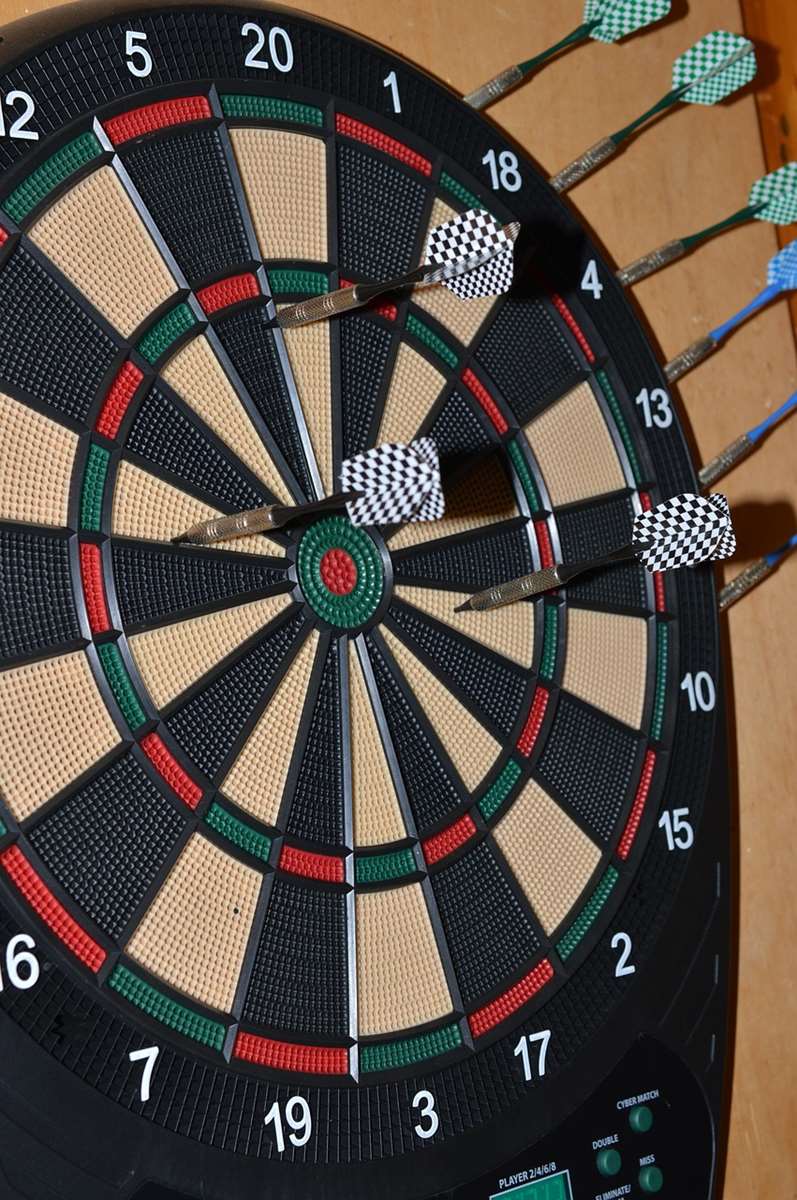
- Dartboard diagrams: Display a diagram of the dartboard showing the point values of each section. This can be helpful for beginners who are still learning the game.
- Scorecards: Provide each player with a scorecard to record their scores. This allows players to keep track of their progress and identify areas for improvement.
Visual aids are particularly useful in larger venues where it may be difficult for everyone to hear the score being called. They can also be helpful for players who have difficulty with verbal communication or who prefer to rely on visual cues. When using visual aids, make sure they are clearly visible and easy to understand. Consider using different colors to highlight important information, such as the current score or the number of darts remaining.

The Role of the Scorekeeper in Accurate Communication
The **scorekeeper** plays a crucial role in ensuring accurate communication. This individual is responsible for recording the scores, calculating the remaining points, and communicating this information to the players. To excel in this role, the scorekeeper must possess excellent attention to detail, strong mathematical skills, and the ability to communicate score caller marker information effectively. Here are some key responsibilities of a scorekeeper:
- Record scores accurately: The scorekeeper must meticulously record each player’s score, ensuring that no errors are made.
- Calculate remaining points: The scorekeeper must accurately calculate the remaining points for each player, keeping track of their progress towards winning the game.
- Communicate information clearly: The scorekeeper must communicate the scores and remaining points to the players in a clear, concise, and understandable manner.
- Resolve disputes fairly: In the event of a dispute over a score, the scorekeeper must act as a neutral arbitrator and resolve the issue fairly and impartially.
A skilled scorekeeper is an invaluable asset to any darts game, ensuring fair play and preventing misunderstandings. Their ability to effectively communicate score caller marker information is crucial for maintaining a smooth and enjoyable playing experience. Clear Simplified 501 game rules for novice players can also assist the scorekeeper.
Addressing Common Communication Challenges
Despite best efforts, communication challenges can still arise in darts scoring. Here are some common issues and strategies for addressing them:
- Noisy environments: In noisy environments, verbal communication can be difficult. Use hand signals and visual aids to supplement verbal communication.
- Language barriers: When players speak different languages, communication can be a challenge. Consider using a translator or relying on visual aids and hand signals.
- Hearing impairments: If a player has a hearing impairment, use visual cues and written communication to convey scores and information.
- Disagreements over scores: Disagreements over scores can occur even with the best communication practices. In such cases, calmly review the scores, consult with the scorekeeper, and, if necessary, refer to a video recording of the game.
By proactively addressing these challenges, you can create a more inclusive and equitable playing environment for everyone involved. Remember that patience, understanding, and a willingness to compromise are essential for resolving communication issues effectively.

The Impact of Technology on Score Communication
Technology has revolutionized many aspects of darts, including score communication. Digital scoreboards, scoring apps, and online platforms have made it easier than ever to keep track of scores and communicate information to players and spectators. These technological advancements offer several advantages:
- Accuracy: Digital scoring systems eliminate the risk of human error in score calculation.
- Efficiency: Electronic scoreboards and apps automate the scoring process, saving time and effort.
- Accessibility: Online platforms allow players to track their scores, analyze their performance, and compete with others remotely.
- Clarity: Digital displays provide clear and easily readable scores for both players and spectators.
While technology can be a valuable tool for communicating score caller marker information, it’s important to remember that it’s not a substitute for effective communication skills. Players should still be able to verbalize scores, use hand signals, and resolve disputes fairly. Technology should be used to enhance, not replace, traditional communication methods. It’s also crucial to ensure everyone understands how the technology works, to avoid new types of confusion. Exploring Fun dart game variations with modified rules is another great way to enhance the gaming experience.
Training and Practice for Improved Communication
Like any skill, effective score communication requires training and practice. Here are some tips for improving your communication skills in darts:
- Practice verbalizing scores: Regularly practice calling out scores to improve your clarity and pronunciation.
- Learn hand signals: Familiarize yourself with common hand signals and practice using them with your fellow players.
- Simulate game scenarios: Create simulated game scenarios to practice communicating scores under pressure.
- Seek feedback: Ask your fellow players for feedback on your communication skills and identify areas for improvement.
- Attend workshops or seminars: Consider attending workshops or seminars on effective communication in sports.
By dedicating time and effort to improving your communication skills, you can enhance your overall darts playing experience and contribute to a more enjoyable and competitive environment for everyone involved. Investing in training will not only benefit your own game but also improve the communication of the entire group.

Adapting Communication for Different Player Levels
Communicating score caller marker effectively requires adapting your approach to suit the skill level of the players involved. When playing with beginners, it’s important to be patient, understanding, and willing to explain the rules and scoring system in detail. Use simple language, avoid jargon, and provide plenty of visual aids. On the other hand, when playing with experienced players, you can assume a certain level of knowledge and focus on communicating scores quickly and efficiently.
Adjusting your communication style based on player experience is key to maintaining a positive and productive gaming environment. The goal is to ensure that everyone is on the same page and can understand the scores and remaining points without confusion. Even experienced players can sometimes mishear or misinterpret scores, so maintaining clarity is always important. Knowing Alternative darts rules for home play can influence your communication strategies, too.
Maintaining Sportsmanship and Respectful Communication
Finally, it’s important to emphasize the importance of sportsmanship and respectful communication in darts scoring. Even in competitive situations, it’s essential to treat your fellow players with courtesy and respect. Avoid using aggressive or accusatory language, and be willing to admit when you’ve made a mistake. Remember that darts is a game, and the goal is to have fun while competing fairly. Communicating score caller marker with respect builds camaraderie.
By adhering to these principles of sportsmanship and respectful communication, you can create a more positive and enjoyable gaming environment for everyone involved. This includes acknowledging good throws from your opponents, offering encouragement when they’re struggling, and maintaining a positive attitude regardless of the outcome of the game.
Conclusion: Mastering Score Communication for Enhanced Gameplay
Effective communicating score caller marker information is an integral part of the game of darts. By mastering verbalization techniques, hand signals, and visual aids, you can significantly improve the accuracy of scorekeeping, reduce misunderstandings, and create a more enjoyable playing environment for everyone involved. Remember to adapt your communication style to suit the skill level of the players, maintain sportsmanship and respect, and embrace technology to enhance the scoring process.
Now that you have a solid understanding of effective communication strategies, put your knowledge into practice and elevate your darts game. Start by implementing the tips and techniques discussed in this article. Share this information with your fellow players to promote clear communication and fair play within your darts community. Practice these techniques, and challenge yourself to improve your communication skills with each game you play. Visit our website to learn more about various dart game formats and tips to improve your accuracy.

Hi, I’m Dieter, and I created Dartcounter (Dartcounterapp.com). My motivation wasn’t being a darts expert – quite the opposite! When I first started playing, I loved the game but found keeping accurate scores and tracking stats difficult and distracting.
I figured I couldn’t be the only one struggling with this. So, I decided to build a solution: an easy-to-use application that everyone, no matter their experience level, could use to manage scoring effortlessly.
My goal for Dartcounter was simple: let the app handle the numbers – the scoring, the averages, the stats, even checkout suggestions – so players could focus purely on their throw and enjoying the game. It began as a way to solve my own beginner’s problem, and I’m thrilled it has grown into a helpful tool for the wider darts community.