Navigating the world of darts can be tricky, especially when common rule misconceptions darts cloud your understanding. This article aims to debunk those myths, providing clear explanations and practical advice to enhance your game and avoid unnecessary arguments. We’ll explore everything from scoring ambiguities to frequently misunderstood etiquette points.
⚠️ Still Using Pen & Paper (or a Chalkboard)?! ⚠️
Step into the future! The Dart Counter App handles all the scoring, suggests checkouts, and tracks your stats automatically. It's easier than you think!
Try the Smart Dart Counter App FREE!Ready for an upgrade? Click above!
Debunking Common Rule Misconceptions in Darts
Darts, seemingly simple, is governed by a set of rules that can be surprisingly complex. Many players, even experienced ones, harbor misconceptions about dart rules, leading to confusion and, sometimes, disputes. Understanding the correct rules is crucial for fair play and improving your skills. We’ll cover the most prevalent areas of confusion.

One very common source of confusion is the “bust” rule, where exceeding the required score to finish on your last dart leads to invalidation of the throw. A lot of amateur players get this confused. The specific rules about busting in darts can be tricky, especially concerning what happens to your score *after* a bust. The rule is simple: if a player scores more than the required number to reach zero (or one, if a double is needed), the score for that throw doesn’t count and the player’s score returns to what it was at the start of that round.
The Confusion Around the “Bust” Rule
It is crucial to remember that the entire throw is invalidated. Let’s say you need 32 to win. You aim for double 16 but accidentally hit 16, then 8, then 8. You are busted. Some people mistakenly believe that only the dart that caused the bust is discounted, but this is incorrect. All three darts thrown in that turn are nullified, and your score reverts to what it was at the beginning of the throw. Always know your outs to avoid this!
Scoring Ambiguities and Clarifications
Beyond the bust rule, scoring complexities in darts cause frequent debate. The scoring system itself is straightforward, but specific situations can create confusion. These often involve darts that appear to land on the wire or bounce out.

One area of ambiguity lies in darts that land on the wire. The general rule is that if a dart is touching the wire, it counts in the higher scoring segment. However, this is subject to the tournament rules or house rules in play. It’s essential to agree on this beforehand to prevent arguments. This is one of the most common dart disputes and can easily be avoided with clear communication.
Another confusing scenario involves darts that bounce out of the board. A dart must remain in the board until retrieved to count. If a dart bounces out, whether due to a faulty board or a poorly thrown dart, it does not score. There is no appeal and no compensation. Darts that simply fall out of the board after a short period of being lodged within it often spark heated debate. Again, the rule is simple: it must remain in the board until retrieved.
For further clarification on scoring basics, consider revisiting Basic Darts Fundamentals for Beginners to solidify your understanding of the core principles.
Dealing with Disputed Scores
When scoring disputes arise, maintain a calm and respectful demeanor. Refer to the agreed-upon ruleset, whether it’s the official tournament rules or established house rules. If uncertainty persists, consult a neutral third party or, in a competitive setting, an official adjudicator. Arguing rarely resolves anything and can detract from the enjoyment of the game. Learning how to adjust the darts rules could be very beneficial if you or your friends struggle.
Misunderstood Etiquette and Fair Play
Darts isn’t just about accuracy; it’s also about sportsmanship. Violations of dart etiquette, while not strictly rule infractions, can disrupt the game and create a negative atmosphere. Understanding the etiquette rules in darts is crucial for maintaining a positive playing environment.
One common oversight is standing too close to the oche (throwing line) or crossing it during the throw. While not technically a foul unless it provides a clear advantage, it’s considered disrespectful and distracting to the thrower. Ensure you maintain a safe and respectful distance.
Another etiquette consideration is avoiding excessive noise or movement while another player is throwing. Distracting your opponent is unsportsmanlike and can impact their performance. Showing respect for your opponent’s concentration is a fundamental aspect of good sportsmanship in darts. When adjusting the rules, remember to have some fun.
Addressing False Assumptions about Dart Equipment
Certain assumptions about dart equipment can also lead to misunderstandings. For example, some players believe that heavier darts are always better, or that specific types of flights automatically improve accuracy. In reality, the best equipment depends on individual preferences and playing style.
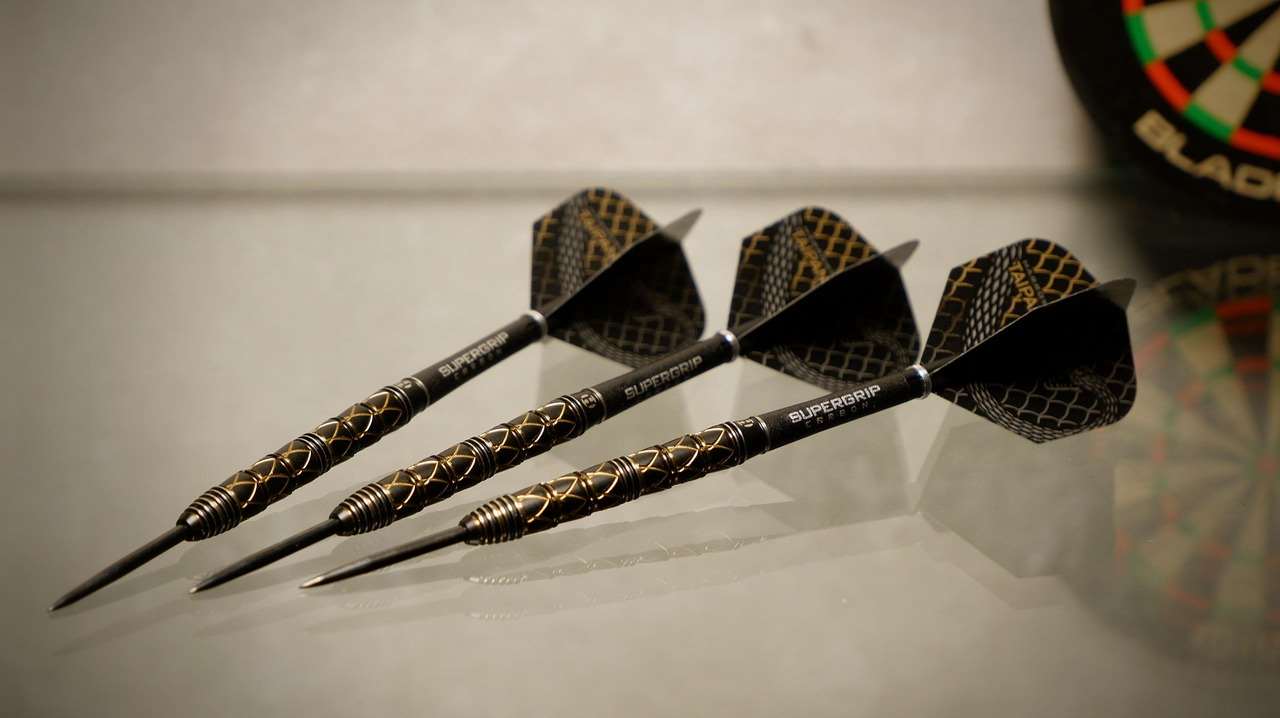
Many believe that only professional-grade dartboards are suitable for serious play. While high-quality boards offer superior durability and performance, decent entry-level boards are perfectly adequate for recreational players. Don’t let equipment limitations deter you from enjoying the game or exploring Fun dart game variations with modified rules. Always remember you can also try adapting darts rules for beginners to help bring more people into the game.
Experimenting with different dart weights, shaft lengths, and flight shapes is crucial to finding the setup that best suits your throwing style. There is no one-size-fits-all solution, and personal preference reigns supreme.
The Importance of Local and Tournament Rules
It’s important to note that while there are general rules for darts, specific leagues or tournaments may have variations or additional rules. Always familiarize yourself with the specific rules governing the competition you’re participating in. These can range from minor tweaks to significant differences, especially concerning tie-breaking procedures or scoring systems.

For example, some leagues may implement specific handicap systems to level the playing field between players of different skill levels. Always check the details of the league or tournament rules before you begin play. You can look at How to make darts fairer with handicap rules for tips and information. You can also look at Adapting darts rules for small spaces: tips and tricks if your playing space is smaller than most.
Staying Updated on Rule Changes
The rules of darts, while generally stable, can occasionally be updated or clarified by governing bodies. Staying informed about these changes is essential for maintaining a current understanding of the game. Check with the relevant darting organizations in your region for the most up-to-date rules and regulations.
One way to stay informed is to subscribe to darting newsletters or follow reputable darting websites and social media accounts. These sources often provide updates on rule changes, tournament information, and tips for improving your game.
Conclusion: Mastering the Rules for Enhanced Enjoyment
Understanding the nuances of dart rules, including addressing common rule misconceptions darts, is crucial for fair play, improved performance, and overall enjoyment of the game. By debunking myths, clarifying ambiguities, and adhering to etiquette guidelines, you can enhance your darting experience and foster a positive playing environment. Remember to always consult the official ruleset for the specific context in which you are playing and to stay informed about any updates or changes. So, step up to the oche with confidence, armed with a comprehensive understanding of the rules, and let your skills shine!

Hi, I’m Dieter, and I created Dartcounter (Dartcounterapp.com). My motivation wasn’t being a darts expert – quite the opposite! When I first started playing, I loved the game but found keeping accurate scores and tracking stats difficult and distracting.
I figured I couldn’t be the only one struggling with this. So, I decided to build a solution: an easy-to-use application that everyone, no matter their experience level, could use to manage scoring effortlessly.
My goal for Dartcounter was simple: let the app handle the numbers – the scoring, the averages, the stats, even checkout suggestions – so players could focus purely on their throw and enjoying the game. It began as a way to solve my own beginner’s problem, and I’m thrilled it has grown into a helpful tool for the wider darts community.