Knowing and observing proper etiquette is crucial for enjoying darts and creating a pleasant atmosphere for everyone involved; ignoring it can quickly lead to frustration and animosity. This guide highlights **common darts etiquette mistakes** and offers practical solutions to ensure you’re a respectful and enjoyable player on the oche, covering everything from board maintenance to handling victories and defeats gracefully.
⚠️ Still Using Pen & Paper (or a Chalkboard)?! ⚠️
Step into the future! The Dart Counter App handles all the scoring, suggests checkouts, and tracks your stats automatically. It's easier than you think!
Try the Smart Dart Counter App FREE!Ready for an upgrade? Click above!
Understanding Common Darts Etiquette Mistakes
Darts, while seemingly simple, has a rich history and a set of unwritten rules that contribute significantly to the game’s integrity and enjoyment. Avoiding common darts etiquette mistakes is vital for maintaining a positive playing environment. More than just avoiding penalties, good etiquette demonstrates respect for your opponents, the game itself, and the overall darts culture and community. Let’s delve into some key areas where these mistakes often occur.
Board Maintenance and Respect
The dartboard is the heart of the game, and its condition directly impacts play. A major etiquette blunder is neglecting the board. Here’s what to watch out for:
- Ignoring Loose Wires: If a wire is loose or protruding, don’t just ignore it. Politely bring it to the attention of the organizer or the person responsible for board maintenance.
- Over-tightening the spider: Be careful if you are ever tightening the spider. Over tightening it can be far worse than it being loose.
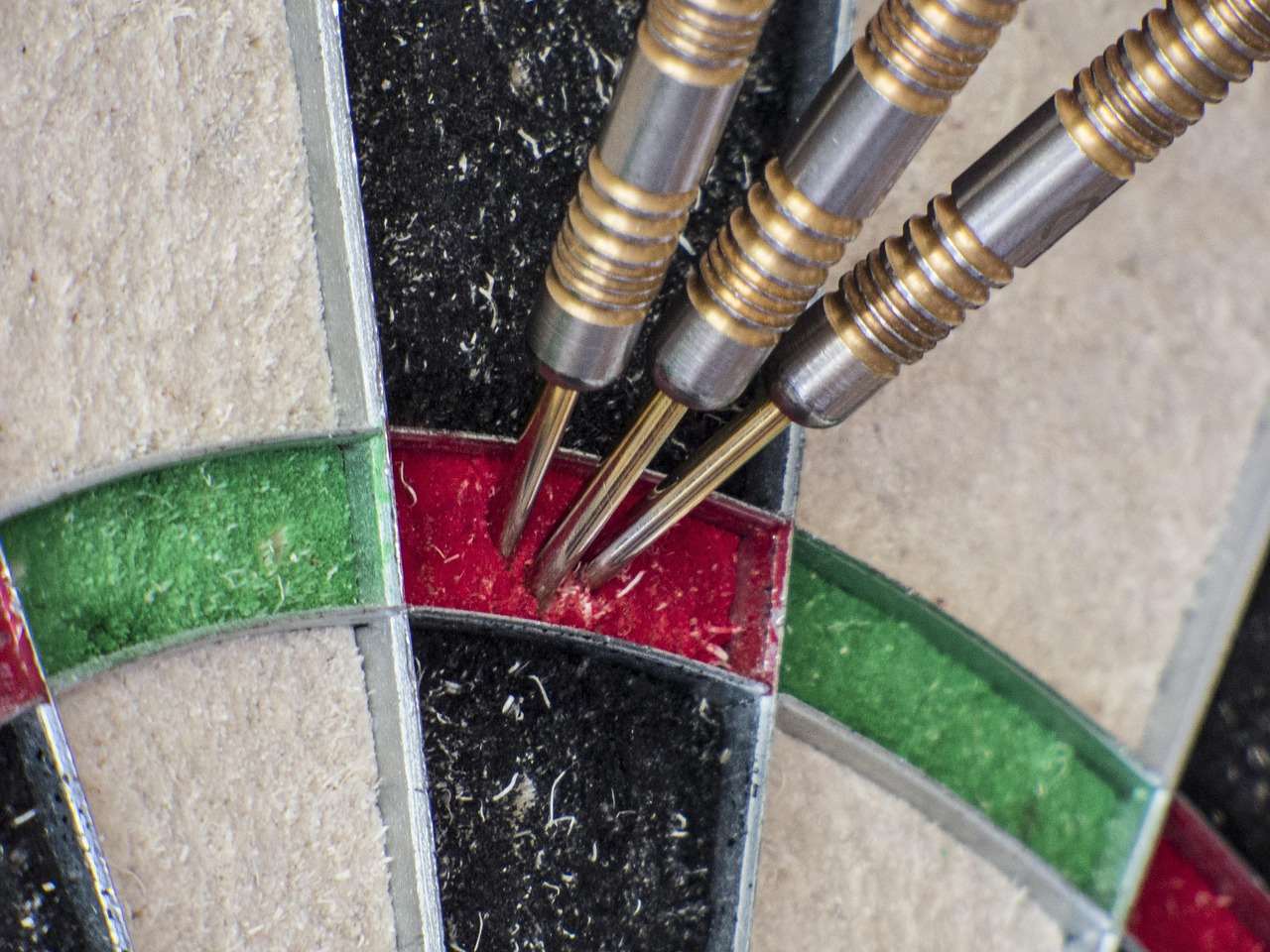
- Forcing Darts: Never force a dart into the board. If it’s not going in easily, try a different spot or check the point for damage. Forcing it damages the sisal fibers.
- Leaving Darts in the Board: Don’t leave darts in the board unnecessarily after a leg or match is finished. This can accelerate wear and tear. Remove them promptly and carefully.
The Oche: Line of Respect
The oche, or throwing line, is a sacred space. Here are some key etiquette points:
- Crossing the Oche: Never cross the oche while your opponent is throwing. This is distracting and considered disrespectful.
- Foot Faulting: Be mindful of your foot placement. While slight movements are natural, deliberately stepping over the oche to gain an advantage is a clear violation of etiquette.
- Respect the Thrower’s Space: Give the thrower enough space to focus. Avoid standing directly behind them or making unnecessary movements in their line of sight.
Throwing Etiquette: Silence is Golden
When it’s someone’s turn to throw, maintain a respectful silence. This is paramount. Here are essential considerations regarding throwing etiquette:
- Avoid Talking: Don’t engage in conversations while someone is at the oche, regardless of the stage of the game.
- No Unnecessary Movement: Refrain from pacing, fidgeting, or making sudden movements that could distract the thrower.
- Be Quiet When Collecting Darts: When you collect your darts, do so quietly and efficiently. Avoid scraping them loudly against the board or making excessive noise.
Dart Retrieval: A Quick and Quiet Operation
The retrieval of darts should be a seamless and quiet process. Don’t slow down the game with unnecessary delays. Avoid banging or scraping your darts on the board.
Remember, being mindful of your actions helps maintain a smooth and enjoyable flow for everyone. If you are interested in Building a Local Darts League Club, consider the need for board maintenance and replacement.
Scoring and Chalking: Accuracy and Honesty
In many leagues and casual games, players are responsible for scoring and chalking. Errors in scoring, whether intentional or accidental, can significantly impact the game and damage trust. Here’s how to ensure accurate scoring:
- Announce Scores Clearly: Verbally announce each score clearly and concisely after each throw.
- Double-Check Scores: Always double-check the score with your opponent before marking it on the scoreboard.
- Be Honest About Mistakes: If you make a mistake in scoring, own up to it immediately and correct it. Deliberately misreporting scores is a serious breach of etiquette and can lead to disqualification.
It is crucial to respect the scores even if you disagree. Arguing about minor point discrepancies can be tedious and sour the atmosphere. Furthermore, be honest when the dart lands near the line, and there is doubt whether the score is valid. Always give your opponent the benefit of the doubt. If you are running a league, ensure there are processes for darts league management.
Chalking Responsibilities
If you’re the designated chalker, pay close attention and update the scoreboard accurately and promptly. Here’s what’s expected:
- Keep the Scoreboard Clear: Write legibly and erase previous scores cleanly to avoid confusion.
- Track Checkouts: Note down successful checkouts to track player performance.
- Be Impartial: As the chalker, remain neutral and avoid showing favoritism towards any player.
Victory and Defeat: Grace and Humility
How you handle victory and defeat says a lot about your character. Good sportsmanship is essential for maintaining a respectful and enjoyable darts environment. Avoiding Common Darts Etiquette Mistakes during both winning and losing is a sign of a true player.
Celebrating Wins with Class
It’s perfectly fine to celebrate a well-deserved victory, but avoid excessive or boastful displays. Here’s how to celebrate with class:
- Acknowledge Your Opponent: Offer a handshake or a simple “good game” to your opponent, regardless of the outcome.
- Avoid Gloating: Refrain from taunting, bragging, or making disparaging remarks about your opponent’s performance.
- Keep Celebrations Brief: Keep your celebrations relatively short and don’t prolong the game unnecessarily.
Handling Defeat with Dignity
Losing is part of any competitive sport. Here’s how to handle defeat with dignity:
- Accept the Loss Gracefully: Congratulate your opponent and acknowledge their victory without making excuses.
- Avoid Blaming: Don’t blame external factors, such as the board, the lighting, or your darts, for your loss.
- Control Your Emotions: Avoid displays of anger, frustration, or disappointment that could be perceived as disrespectful.
Remember, the true spirit of the game lies in the competition and the camaraderie, not just the outcome. Be careful not to let emotions boil over. Maintaining a level head and accepting defeat is the sign of a great player. If you want more information on darts culture and community, there are many more guides available online and through local groups.
Equipment and Attire: Respecting the Game
While darts doesn’t have strict dress codes in most casual settings, showing respect for the game through your equipment and attire is still important. Consider these aspects:
Darts Maintenance and Presentation
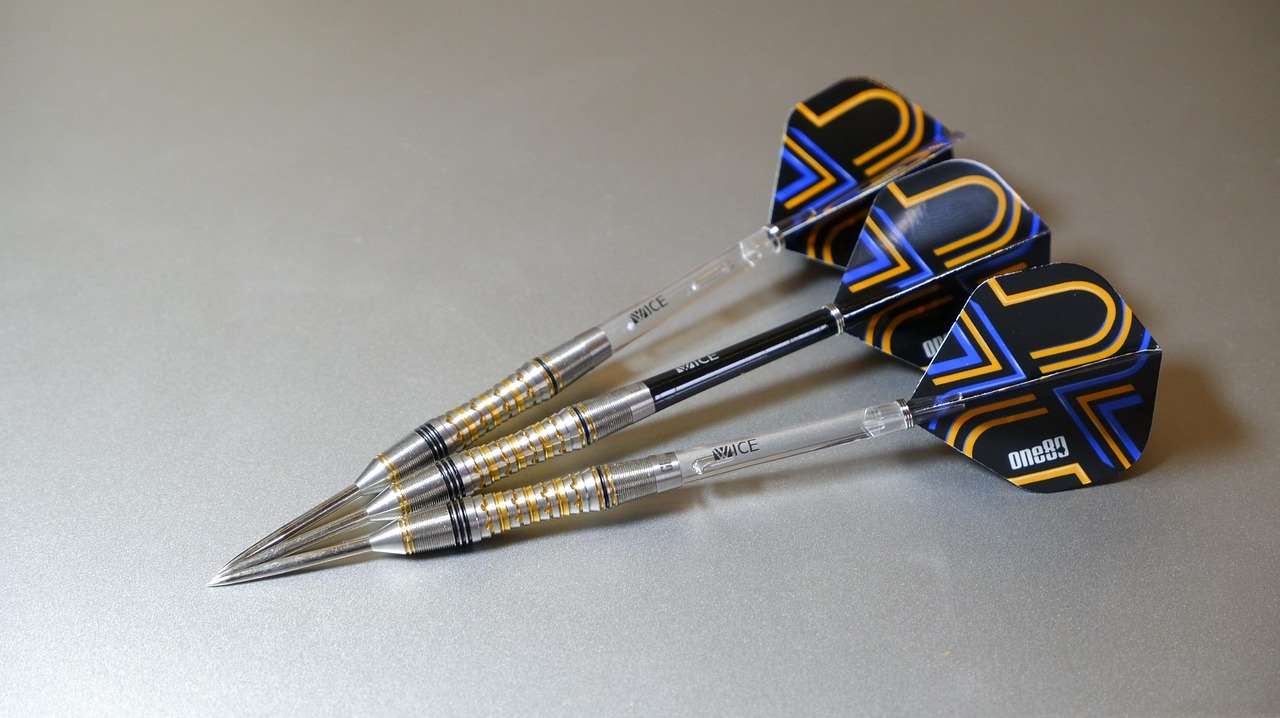
Maintain your darts in good condition. Broken flights, bent points, or excessively worn barrels can be distracting and reflect poorly on your commitment to the game.
Appropriate Attire
While formal attire isn’t usually required, avoid wearing clothing that could be considered offensive or disruptive. For league matches or tournaments, check for any specific dress code requirements.
If you are responsible for organizing local darts league, ensure all equipment is in safe and well-maintained order.
Respecting Your Opponents and Spectators
Beyond the technical aspects of the game, respecting your opponents and any spectators present is paramount.
Avoiding Distractions
Be mindful of your actions and avoid anything that could distract or annoy your opponents or spectators. This includes:
- Excessive Noise: Keep conversations at a reasonable volume and avoid making loud or disruptive noises.
- Obstructing Views: Be aware of where you’re standing and avoid blocking the view of spectators.
- Using Mobile Phones: Refrain from using mobile phones during matches, unless it’s absolutely necessary.
Encouraging a Positive Atmosphere
Contribute to a positive and supportive atmosphere by offering encouragement to your opponents, congratulating them on good throws, and showing appreciation for their efforts.
Promoting good sportsmanship creates a more enjoyable experience for everyone involved and helps to foster a strong darts community. Positive interactions will help with recruiting members darts league club.
Specific Situations and Considerations
Playing in Pubs vs. Leagues
Etiquette can vary slightly between casual pub games and more formal league matches. Pub games may be more relaxed, but the fundamental principles of respect and sportsmanship still apply. League matches typically have stricter rules and expectations regarding etiquette.
Dealing with Disputes
Disagreements can arise in any game. If a dispute occurs, remain calm and respectful. Follow the established procedures for resolving disputes, such as consulting the league rules or seeking the assistance of a neutral referee.
Adapting to Different Playing Styles
Players have different styles and approaches to the game. Be respectful of these differences and avoid criticizing or belittling your opponent’s playing style. Adapt to the situation and focus on playing your best game.
Avoiding “Slow Play” Tactics
While some games can be naturally slower than others, deliberately slowing down the pace to disrupt your opponent is poor etiquette. Here are some things to avoid:
- Excessive Chalking Delays: Taking an unreasonably long time to chalk after each turn.
- Unnecessary Dart Adjustments: Fidgeting with your darts or equipment excessively.
- Prolonged Pre-Throw Rituals: Having overly elaborate or time-consuming pre-throw routines.
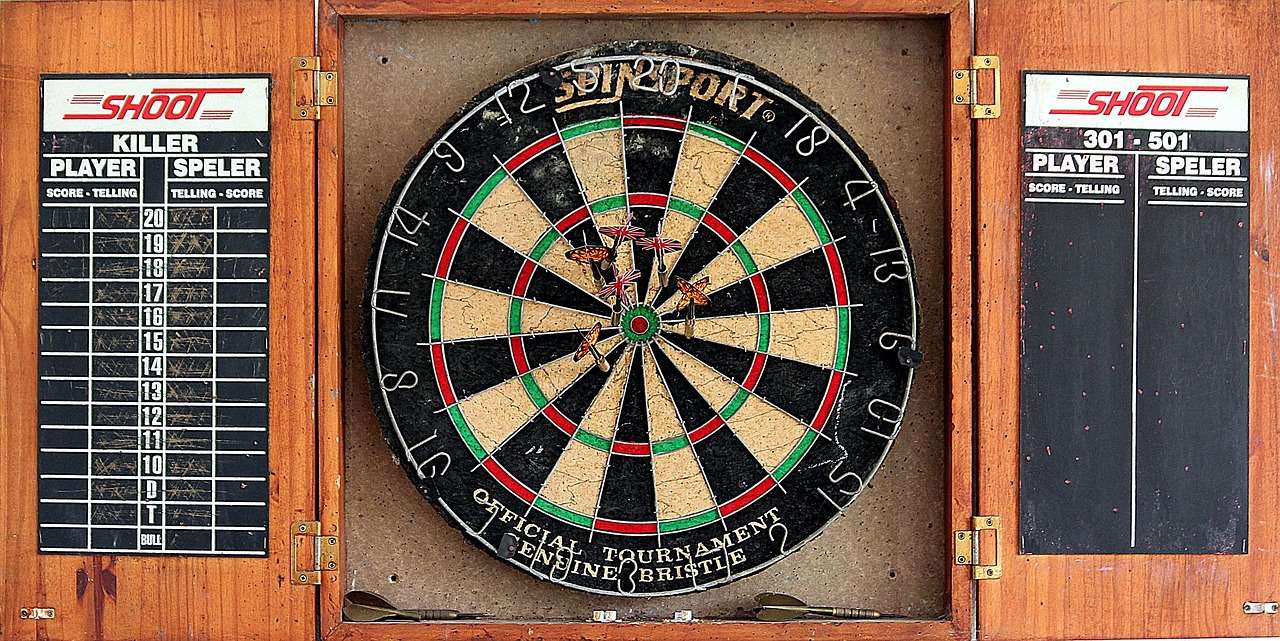
Be mindful of the flow of the game and strive to maintain a reasonable pace. Show respect for your opponent’s time and avoid tactics that could be perceived as stalling. Maintaining the flow of the game will boost promoting local darts.
Final Thoughts on Avoiding Common Darts Etiquette Mistakes
Mastering darts etiquette is just as important as improving your throwing technique. By avoiding these **common darts etiquette mistakes**, you’ll not only become a more respected player but also contribute to a more enjoyable and positive experience for everyone involved in the game. Remember to be respectful, honest, and mindful of your actions, and you’ll be well on your way to becoming a true ambassador for the sport.
So, step up to the oche with confidence, knowing that you’re not only a skilled player but also a courteous one. Now that you understand the nuances of darts etiquette, consider taking your game to the next level. Why not explore the possibility of starting a darts league in your local area? It’s a fantastic way to connect with fellow enthusiasts and showcase your refined etiquette skills!

Hi, I’m Dieter, and I created Dartcounter (Dartcounterapp.com). My motivation wasn’t being a darts expert – quite the opposite! When I first started playing, I loved the game but found keeping accurate scores and tracking stats difficult and distracting.
I figured I couldn’t be the only one struggling with this. So, I decided to build a solution: an easy-to-use application that everyone, no matter their experience level, could use to manage scoring effortlessly.
My goal for Dartcounter was simple: let the app handle the numbers – the scoring, the averages, the stats, even checkout suggestions – so players could focus purely on their throw and enjoying the game. It began as a way to solve my own beginner’s problem, and I’m thrilled it has grown into a helpful tool for the wider darts community.