Mastering darts hinges on consistently hitting your targets, and a crucial skill is combining doubles trebles practice effectively. This article breaks down how to refine your ability to hit doubles and trebles, showing you how to structure your practice sessions for optimal improvement. We’ll cover targeted drills, mental strategies, and equipment considerations to help you elevate your game.
⚠️ Still Using Pen & Paper (or a Chalkboard)?! ⚠️
Step into the future! The Dart Counter App handles all the scoring, suggests checkouts, and tracks your stats automatically. It's easier than you think!
Try the Smart Dart Counter App FREE!Ready for an upgrade? Click above!
Why is Combining Doubles Trebles Practice Important?
Being proficient in hitting doubles and trebles isn’t just about scoring big; it’s about control and strategy. Doubles are essential for finishing legs in games like 501, while trebles provide the backbone for quick scoring and setting up those finishes. Combining doubles trebles practice allows you to seamlessly transition between scoring and closing out games, giving you a significant competitive edge. Neglecting this aspect of your training will leave you struggling when it matters most – under pressure to hit that crucial double.
Moreover, focused practice on these key areas improves your overall darting accuracy. The fine motor skills and mental focus developed during doubles and trebles training translate to more consistent performance across the board. You’ll find yourself landing more darts where you intend, regardless of the specific target.
Effective Drills for Treble Practice
Targeted drills are the cornerstone of any successful darts training regime. For trebles, consider these options:
- Round the Board Trebles: Start at treble one and work your way around the board, hitting each treble in sequence. This drill tests your accuracy and consistency across all segments.
- Treble 20 Focus: Dedicate a specific time period (e.g., 15 minutes) solely to hitting treble 20. This helps build muscle memory and reinforces your throwing motion for that crucial target.
- 9-Dart Challenge: Attempt to score as high as possible with 9 darts, aiming for treble 20s and treble 19s. This simulates the pressure of a real game and encourages strategic targeting.
Remember to track your progress in each drill. Note your scores, the number of darts thrown, and any areas where you struggle. This data will help you identify weaknesses and tailor your practice accordingly.
Doubles Training Techniques for Consistent Finishes
Doubles are where legs are won and lost. Mastering them requires a different approach than treble training. Here are some proven techniques:
- Around the Clock Doubles: Similar to the treble drill, start at double one and progress around the board. This familiarizes you with all doubles and helps you identify your preferred finishing doubles.
- Targeted Double Practice: Focus on specific doubles commonly used for finishes (e.g., double 20, double 16, double 8). Repeat throws at these targets until you achieve a high level of accuracy.
- The “Checkout Chart” Challenge: Work through common checkout combinations, practicing the required throws to reach the double. This combines strategic thinking with accuracy. For example, if you have 62 left, practice hitting treble 10 followed by double 16.
Mental toughness is key when practicing doubles. Visualize success and maintain a positive attitude, even after missed attempts. Consider exploring rare dart game instructions for training your precision.
Combining Doubles Trebles Practice: Creating a Balanced Routine
The most effective training combines both doubles and trebles practice into a cohesive routine. Here’s a sample structure:
- Warm-up (10 minutes): Throw a few rounds at the bullseye to get your arm loose and establish your rhythm.
- Treble Focus (20 minutes): Choose one of the treble drills mentioned above and concentrate on improving your accuracy.
- Doubles Training (20 minutes): Switch to a doubles drill, focusing on consistency and mental toughness.
- Game Simulation (15 minutes): Play a few legs of 501 against yourself or a practice partner, incorporating both treble scoring and double finishing.
- Cool-down (5 minutes): End with a few relaxed throws to avoid muscle strain.
This routine can be adjusted to suit your individual needs and time constraints. The key is to maintain a balance between scoring practice (trebles) and finishing practice (doubles).
Mental Game Strategies for Doubles and Trebles
Darts is as much a mental game as it is a physical one. Developing mental strategies is crucial for consistent performance, especially when combining doubles trebles practice into your gameplay. Techniques to improve the mental aspect of your game include:
- Visualization: Before each throw, visualize the dart hitting the target. This helps build confidence and reinforces your muscle memory.
- Positive Self-Talk: Replace negative thoughts with positive affirmations. Believe in your ability to hit the target.
- Breathing Exercises: Deep, controlled breathing can help calm your nerves and improve focus, especially under pressure.
- Pre-Throw Routine: Develop a consistent pre-throw routine to create a sense of familiarity and control. This could involve stance, grip, and aiming techniques.
Understanding forgotten pub dart games can also introduce new mental challenges to enhance your gameplay strategy.
Equipment Considerations for Improved Accuracy
Your darts equipment can have a significant impact on your accuracy. Consider the following factors:
- Dart Weight: Experiment with different dart weights to find what feels most comfortable and allows you to throw consistently.
- Dart Shape: Different dart shapes (e.g., torpedo, straight barrel) can affect your grip and release. Choose a shape that suits your throwing style.
- Shaft Length and Material: Shafts influence the dart’s flight path. Experiment with different lengths and materials (e.g., nylon, aluminum) to find the optimal setup.
- Flight Shape and Size: Flights affect the dart’s stability and drag. Smaller flights are generally faster, while larger flights provide more stability.
It’s important to note that equipment choices are highly personal. What works for one player may not work for another. Take the time to experiment and find what suits you best.
Advanced Techniques: Combining Doubles Trebles for High Scores
Once you’ve mastered the fundamentals, you can start incorporating advanced techniques to maximize your scoring potential. This involves strategic planning and an understanding of checkout combinations.
- Strategic Targeting: Don’t always aim for treble 20. Consider targeting treble 19 to set up specific finishes or to avoid blocking treble 20.
- Checkout Planning: Plan your throws in advance to leave yourself with the most favorable checkout options.
- “Leave” Management: Be aware of the potential “leaves” (remaining scores) after each throw and adjust your strategy accordingly.
For instance, if you have 81 remaining, aiming for treble 17 is often a better option than aiming for treble 20, as it leaves you with 30, an easy double 15 checkout. The **combination of doubles trebles practice** is key to executing these advanced strategies consistently.
Remember to look into Darts Variants Fun Games for new ways to challenge and improve your core dart skills.
Troubleshooting Common Problems
Even with consistent practice, you may encounter setbacks. Here are some common problems and solutions:
- Inconsistent Release: Focus on maintaining a smooth, consistent release point. Practice in front of a mirror to monitor your technique.
- Throwing Too Hard/Soft: Adjust your throwing power to find the optimal balance. Experiment with different grip pressures.
- Target Panic: If you’re feeling nervous or anxious, take a deep breath and refocus before throwing. Visualize success and remind yourself of your practice.
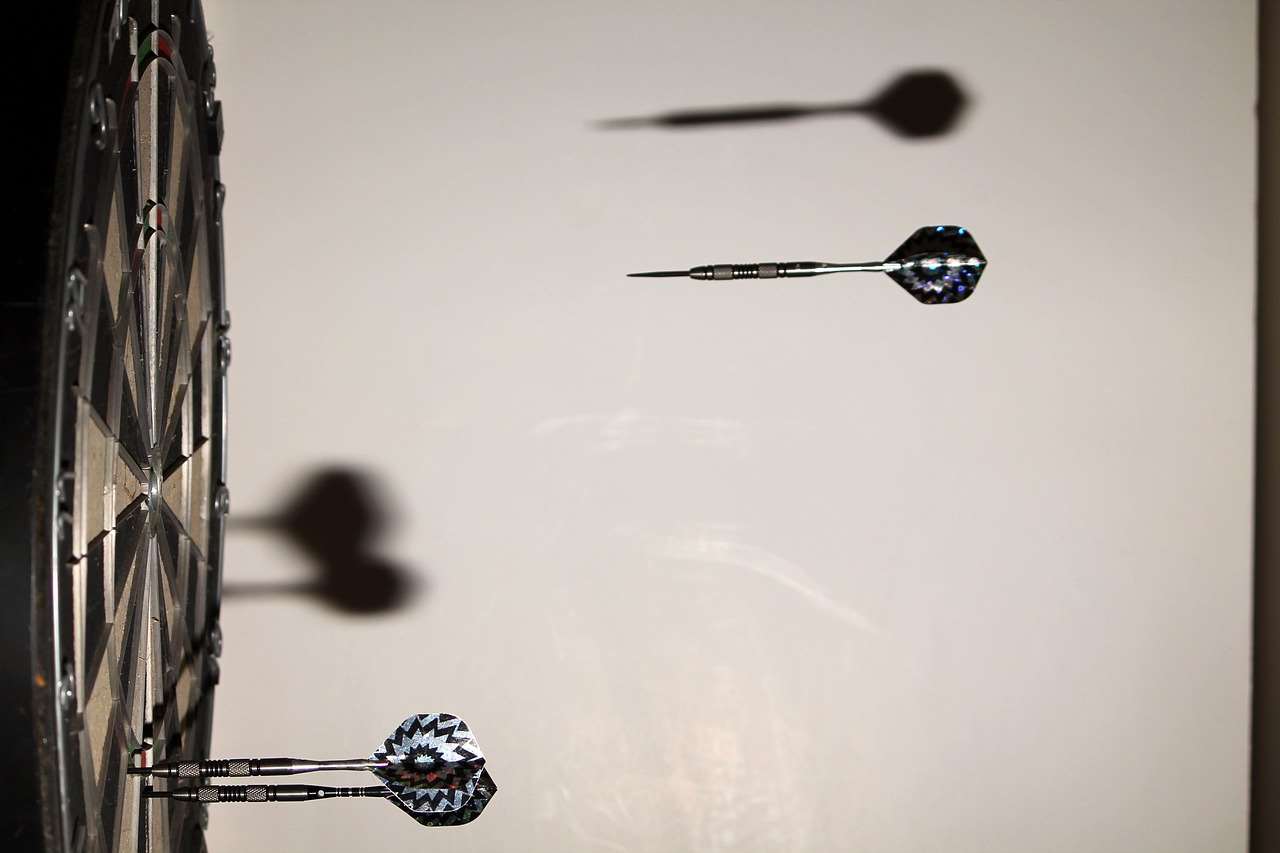
- Drifting Darts: Drifting darts can indicate a problem with your grip, stance, or release. Experiment with minor adjustments to your technique to correct the issue.
Analyze your throws and identify any patterns in your errors. This will help you pinpoint the root cause of the problem and develop targeted solutions. Consider reviewing history of darts games uk to gain a deeper appreciation for the sport and perhaps find inspiration in the techniques of past masters.
Conclusion: Elevate Your Game Through Focused Practice
Combining doubles trebles practice is essential for any dart player looking to improve their game. By incorporating the drills, techniques, and strategies outlined in this article, you can develop the skills and mental fortitude necessary to consistently hit your targets and achieve your darting goals. Remember to be patient, persistent, and always strive for improvement. Consistent, focused effort will translate into tangible results on the oche.
So, grab your darts, implement these techniques, and start combining doubles trebles practice into your regular routine. Your journey to darting mastery begins now! Consider tracking your progress and celebrating your milestones along the way. Happy darting!

Hi, I’m Dieter, and I created Dartcounter (Dartcounterapp.com). My motivation wasn’t being a darts expert – quite the opposite! When I first started playing, I loved the game but found keeping accurate scores and tracking stats difficult and distracting.
I figured I couldn’t be the only one struggling with this. So, I decided to build a solution: an easy-to-use application that everyone, no matter their experience level, could use to manage scoring effortlessly.
My goal for Dartcounter was simple: let the app handle the numbers – the scoring, the averages, the stats, even checkout suggestions – so players could focus purely on their throw and enjoying the game. It began as a way to solve my own beginner’s problem, and I’m thrilled it has grown into a helpful tool for the wider darts community.