Choosing signature darts like a pro involves a personalized approach that considers your grip, throwing style, and preferred weight distribution; the ultimate goal is enhanced accuracy and comfort. This guide will walk you through selecting the perfect darts by analyzing these key factors, materials, and design elements to elevate your game.
⚠️ Still Using Pen & Paper (or a Chalkboard)?! ⚠️
Step into the future! The Dart Counter App handles all the scoring, suggests checkouts, and tracks your stats automatically. It's easier than you think!
Try the Smart Dart Counter App FREE!Ready for an upgrade? Click above!
Understanding Your Grip and Throw for Choosing Signature Darts Like A Pro
The foundation of choosing signature darts like a pro lies in understanding your individual grip and throwing style. How you hold the dart and the way you release it significantly impact the ideal dart characteristics.
Analyzing Your Grip
Start by observing how you naturally grip the dart. Are you a front gripper, a rear gripper, or somewhere in between? Do you use a light grip or a firm grip? Consider these grip styles:
- Front Grip: If you hold the dart near the point, you might benefit from darts with a more front-weighted barrel. This helps control the dart’s trajectory and reduce fishtailing.
- Rear Grip: If you grip towards the back of the barrel, a rear-weighted or center-weighted dart might offer better balance and stability.
- Center Grip: A center grip provides a neutral feel and allows for versatility. Center-weighted darts are often a good starting point for new players.
A lighter grip typically works well with heavier darts, allowing for a smoother release. A firmer grip might pair better with lighter darts, giving you more control.
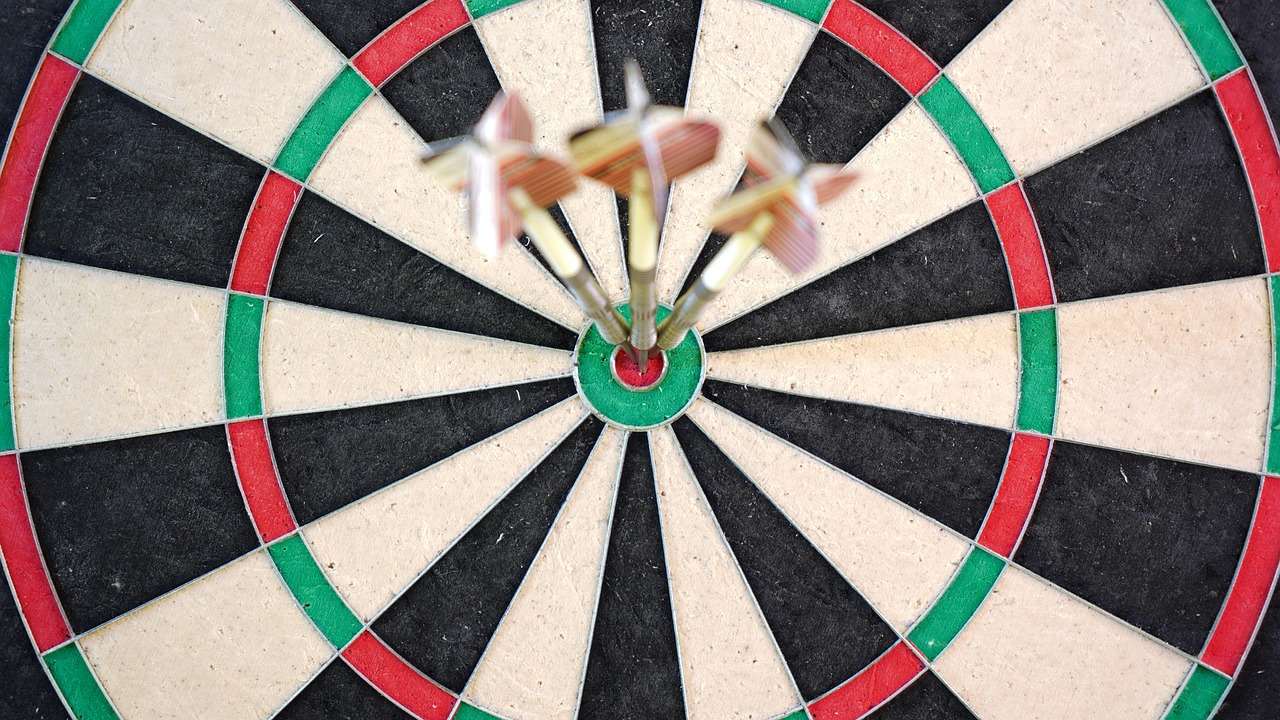
Evaluating Your Throw
Next, analyze your throwing motion. Is it a smooth, fluid motion, or do you have a more jerky or forceful throw? Do you release the dart high or low? A smooth throw often benefits from streamlined darts with good aerodynamics. A more forceful throw might require darts with a grippier barrel to maintain control.
Consider your release point as well. If you release the dart high, you might find that longer darts offer better stability. If you release low, shorter darts might be more comfortable.
Dart Weight: Finding Your Sweet Spot
Dart weight is a crucial factor when choosing signature darts like a pro. The ideal weight depends on your strength, throwing style, and personal preference. Darts typically range from 18 grams to 30 grams.
Experimenting with Different Weights
The best way to determine the right weight is to experiment. Start with a mid-range weight, such as 22 or 24 grams, and then try heavier and lighter darts to see which feels most comfortable and accurate.
- Lighter Darts (18-22 grams): These darts are easier to throw with less effort, making them suitable for players with a less powerful throw or those who prefer a quicker release. They can be less forgiving of inconsistencies in your throw.
- Mid-Range Darts (23-26 grams): A good starting point for most players. They offer a balance of control and momentum.
- Heavier Darts (27-30 grams): These darts require more effort to throw but can be more stable and less affected by minor inconsistencies in your throw. They are often preferred by players with a strong, deliberate throw.
Pay attention to how the dart feels in your hand and how it flies through the air. Does it feel like you have good control? Is it hitting the target consistently? Adjust the weight accordingly until you find the sweet spot.
Barrel Material and Grip: Personalizing Your Feel
The barrel material and grip play a significant role in the feel and control of your darts. Different materials offer varying levels of grip and durability. When choosing signature darts like a pro, consider these factors:
Tungsten vs. Brass
The two most common barrel materials are tungsten and brass. Tungsten is denser than brass, allowing for a slimmer barrel with the same weight. This can improve grouping and reduce deflections.
- Tungsten Darts: More expensive but offer superior performance due to their density and durability. They are available in various tungsten percentages (e.g., 80%, 90%, 95%), with higher percentages indicating greater density.
- Brass Darts: More affordable and suitable for beginners. They are less durable than tungsten and tend to be thicker, which can affect grouping.
Ultimately, the material you choose depends on your budget and your commitment to the game. If you’re serious about improving your darts game, investing in tungsten darts is generally a worthwhile investment.
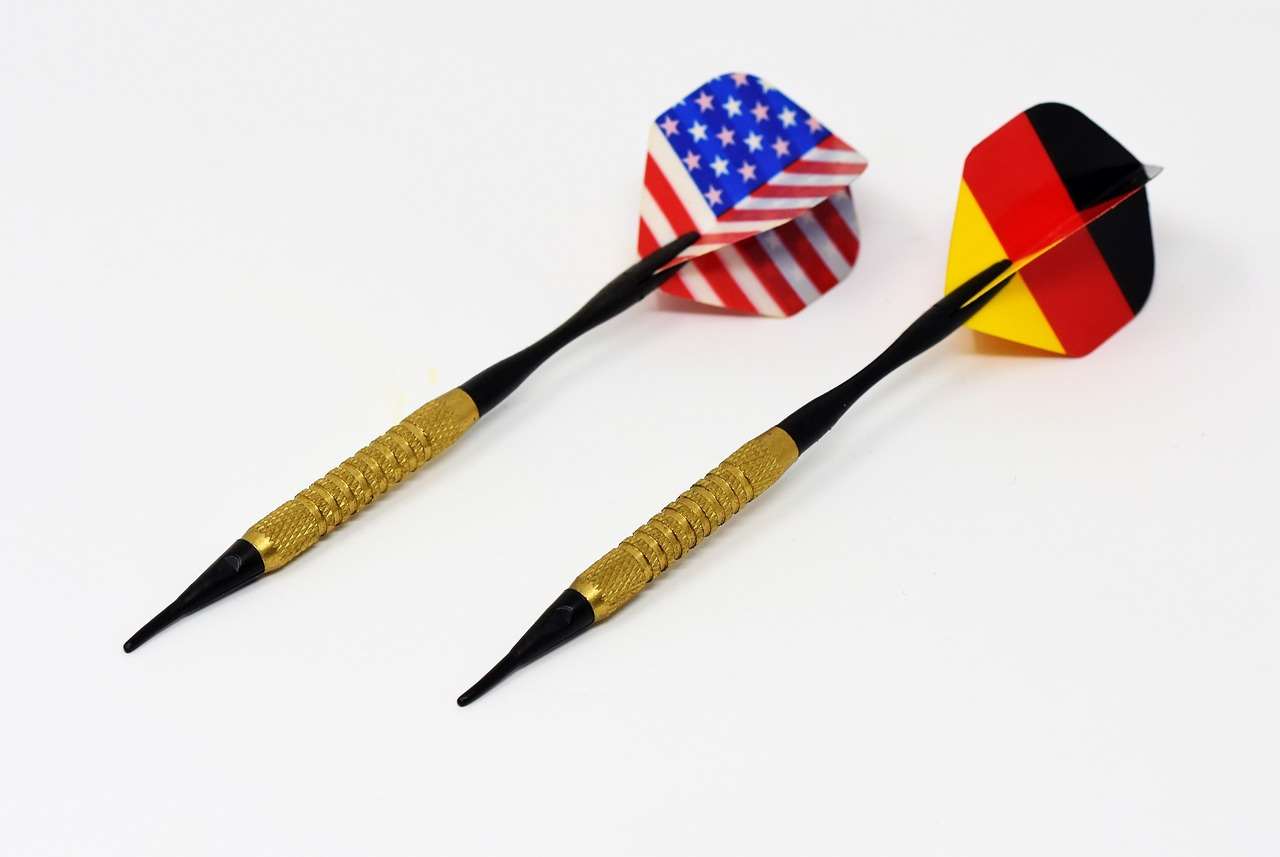
Grip Styles and Textures
The grip on the barrel significantly affects your control and release. Different grip styles offer varying levels of tackiness.
- Knurled Grip: A classic grip style with a textured surface that provides a good level of grip.
- Ringed Grip: Consists of a series of rings or grooves that offer a consistent and reliable grip.
- Shark Fin Grip: Features sharp, aggressive ridges that provide maximum grip.
- Smooth Grip: Minimal or no texturing, suitable for players who prefer a very light grip.
Consider experimenting with different grip styles to find one that feels comfortable and secure in your hand. The ideal grip should allow you to maintain control of the dart without requiring excessive force. When you choose best dart equipment, remember that personal preference reigns supreme when it comes to grip.
Shafts and Flights: Fine-Tuning Aerodynamics
Shafts and flights are essential components of your darts that affect their aerodynamics and stability. Experimenting with different combinations can significantly impact your accuracy.
Shaft Length and Material
Shafts connect the barrel to the flight and come in various lengths and materials. The length of the shaft affects the dart’s center of gravity and stability.
- Short Shafts: Make the dart more stable and can improve grouping, but they may be less forgiving of slight inconsistencies in your throw.
- Medium Shafts: Offer a balance of stability and forgiveness and are a good starting point for most players.
- Long Shafts: Can make the dart more forgiving of slight inconsistencies in your throw, but they may be less stable and more prone to wobbling.
Shafts are typically made of nylon, aluminum, or carbon fiber. Nylon shafts are the most common and affordable. Aluminum shafts are more durable but can bend or break upon impact. Carbon fiber shafts are the most durable and offer excellent performance but are also the most expensive.
Flight Shape and Size
Flights are responsible for stabilizing the dart in flight and come in various shapes and sizes. The shape and size of the flight affect the dart’s aerodynamics and trajectory.
- Standard Flights: The most common type of flight, offering a good balance of stability and drag.
- Slim Flights: Reduce drag and can make the dart fly faster, but they may be less stable.
- Kite Flights: Offer increased lift and can help the dart fly straighter, but they may be less forgiving of slight inconsistencies in your throw.
Experiment with different flight shapes and sizes to see which ones provide the best stability and accuracy for your throwing style.
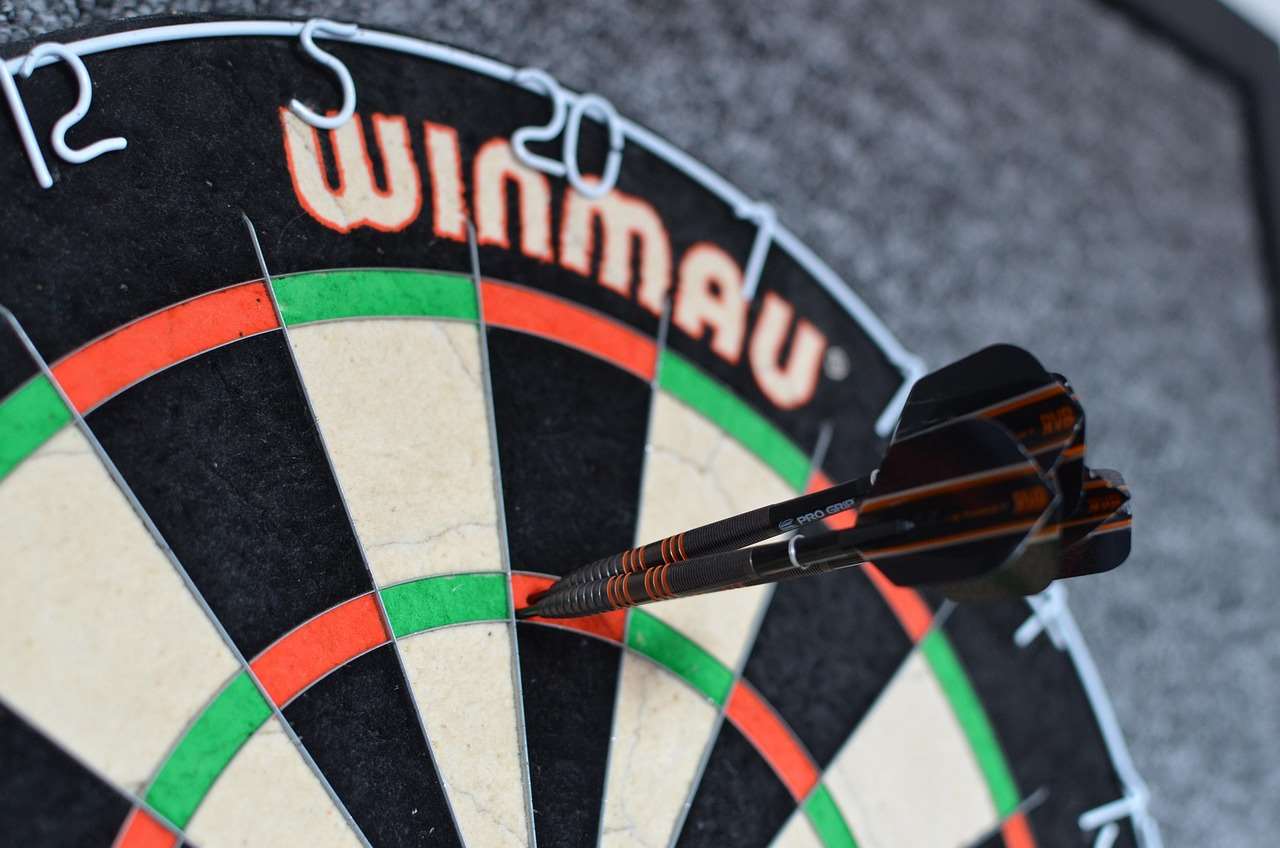
The Importance of Balance and Aerodynamics
Achieving optimal balance and aerodynamics is critical when choosing signature darts like a pro. A well-balanced dart will fly straighter and more consistently, leading to improved accuracy. Aerodynamics, influenced by the shafts and flights, dictate how the dart travels through the air.
Finding the Right Balance Point
The balance point of the dart is the point at which the dart balances perfectly when held in the middle. This point is influenced by the weight distribution of the barrel, shaft, and flight. Experimenting with different component combinations will allow you to customize your darts balance point for enhanced performance.
Optimizing Aerodynamic Profile
The aerodynamics of your darts setup will influence how the darts move from your hand to the board. The way your darts slice through the air can be optimized by altering the shaft and flights. The types of Optimal Dartboard Lighting can help in analyzing this.
Trying Before You Buy: The Key to Personalized Success
Whenever possible, trying before you buy is the best approach when choosing signature darts like a pro. Visiting a darts shop or borrowing darts from friends allows you to test different weights, barrel styles, and component combinations.
Dart Shops and Trial Opportunities
Many darts shops have demo areas where you can try out different darts before making a purchase. This is an invaluable opportunity to get a feel for different options and see how they perform with your throwing style. Some shops might even offer personalized consultations to help you find the perfect darts.

Borrowing from Friends or Teammates
Another great way to try out different darts is to borrow them from friends or teammates. This allows you to experiment with various options in a familiar environment and get feedback from other players.
Maintaining Your Darts: Longevity and Performance
Properly maintaining your darts is essential for preserving their performance and extending their lifespan. Regular cleaning and maintenance will keep your darts in top condition.
Cleaning and Sharpening
Regularly clean your darts with a soft cloth to remove dirt, oil, and grime. You can also use a mild detergent to clean the barrels, but be sure to rinse them thoroughly and dry them completely before using them. Sharpening your darts regularly will ensure that they stick in the board properly.
Replacing Worn Components
Flights and shafts are consumable items that will wear out over time. Replace them as needed to maintain optimal performance. Damaged or worn components can negatively affect your dart’s aerodynamics and accuracy. If you are seeking Optimal Dartboard Lighting Solutions Guide, consider this also.
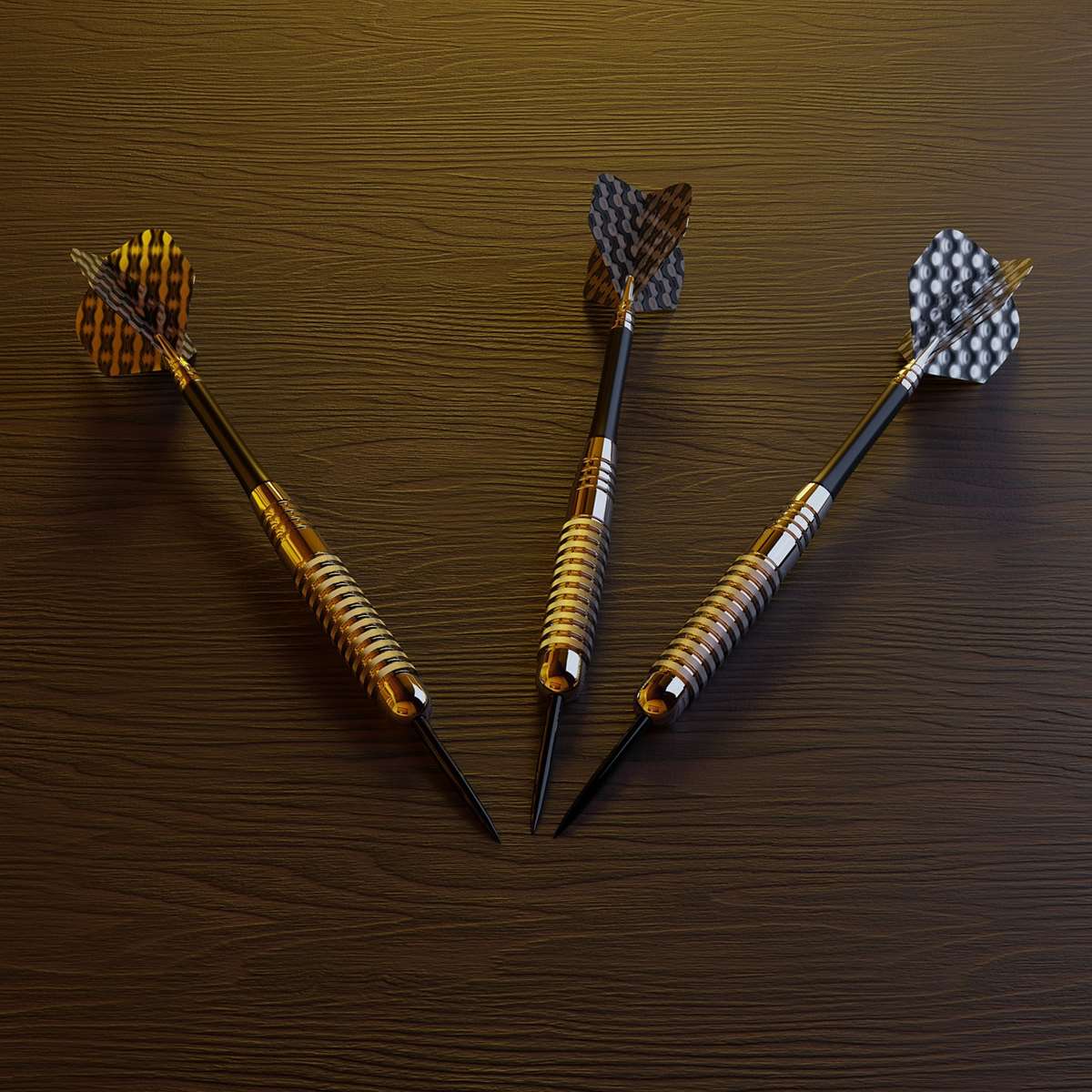
Making the Final Decision
Choosing signature darts like a pro is a personal journey. Considering all the factors discussed in this guide, it is important to trust your instincts. After trying various options and gathering information, you should narrow down your choices to a few favorites.
Trusting Your Gut
Ultimately, the best darts are the ones that feel the most comfortable and allow you to throw your best. Don’t be afraid to experiment and try new things until you find the perfect set for your individual needs and preferences. If something feels right, go with it!
Conclusion: Elevate Your Game Through Personalized Dart Selection
Mastering the art of choosing signature darts like a pro requires understanding your grip, throw, preferred weight, barrel material, and the impact of shafts and flights. Experimentation and a personalized approach are key to finding the perfect set that complements your style. By considering these factors and maintaining your darts properly, you can significantly improve your accuracy and enjoyment of the game.
Ready to elevate your darts game? Start experimenting with different weights, grips, and components today. Explore your local darts shop or connect with fellow players to try out new options. Your perfect set of darts awaits!

Hi, I’m Dieter, and I created Dartcounter (Dartcounterapp.com). My motivation wasn’t being a darts expert – quite the opposite! When I first started playing, I loved the game but found keeping accurate scores and tracking stats difficult and distracting.
I figured I couldn’t be the only one struggling with this. So, I decided to build a solution: an easy-to-use application that everyone, no matter their experience level, could use to manage scoring effortlessly.
My goal for Dartcounter was simple: let the app handle the numbers – the scoring, the averages, the stats, even checkout suggestions – so players could focus purely on their throw and enjoying the game. It began as a way to solve my own beginner’s problem, and I’m thrilled it has grown into a helpful tool for the wider darts community.