The most important aspect of introducing children to darts is establishing and enforcing clear safety protocols; this Children darts safety rules guide will help you do just that, ensuring a fun and injury-free experience. We’ll cover essential rules, equipment choices, setting up the playing area, proper throwing techniques, and strategies for adapting the game for younger players.
⚠️ Still Using Pen & Paper (or a Chalkboard)?! ⚠️
Step into the future! The Dart Counter App handles all the scoring, suggests checkouts, and tracks your stats automatically. It's easier than you think!
Try the Smart Dart Counter App FREE!Ready for an upgrade? Click above!
Understanding the Importance of a Children Darts Safety Rules Guide
Darts can be a fantastic way for children to develop hand-eye coordination, improve their math skills (through scoring), and learn about sportsmanship. However, darts involve sharp objects, making safety a paramount concern. A comprehensive children darts safety rules guide is not just a suggestion; it’s a necessity. It provides a framework for responsible play, minimizing the risk of accidents and ensuring everyone enjoys the game.
Before introducing children to darts, parents and guardians must understand the potential risks and take appropriate precautions. This involves selecting the right equipment, establishing clear rules, and supervising children closely during play. Neglecting these steps can lead to injuries and negate the positive aspects of the game.
Choosing the Right Equipment for Child-Safe Darts
Selecting the right equipment is the first line of defense in preventing dart-related injuries. Several options cater specifically to younger players, prioritizing safety without sacrificing the fun of the game. Consider these factors:
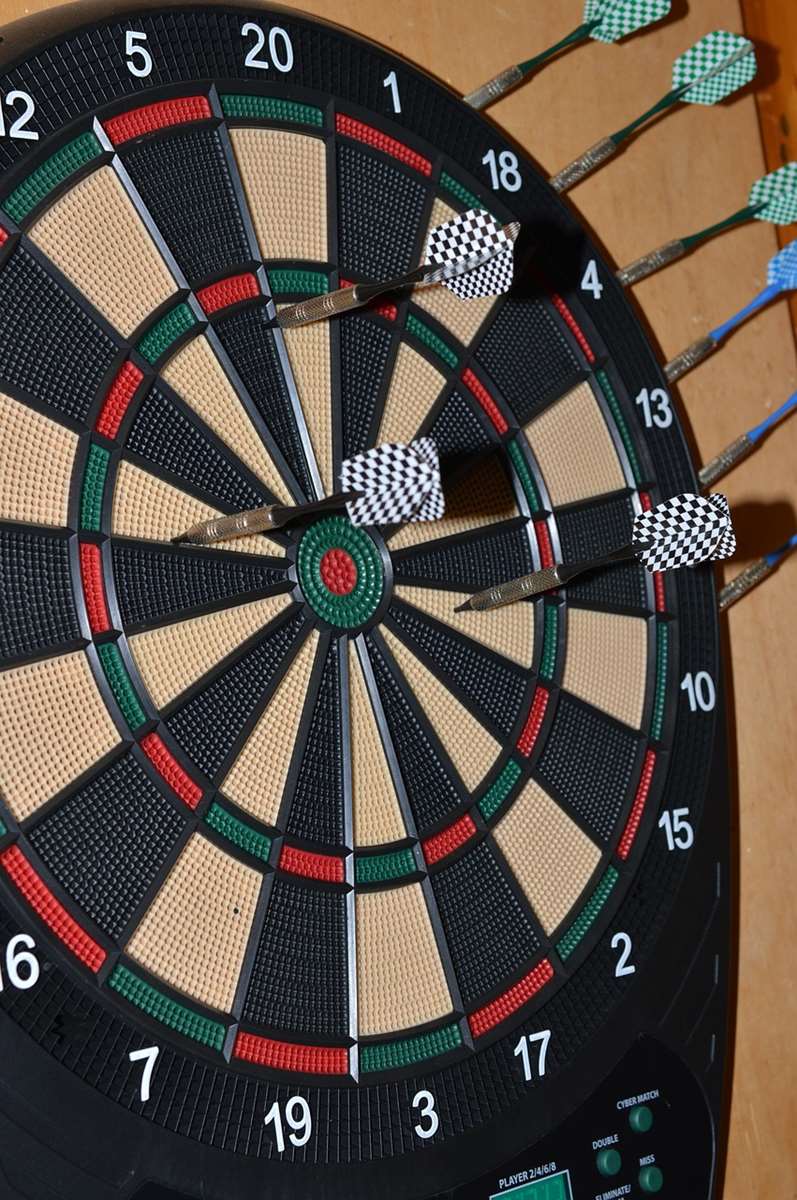
- Dart Type: Traditional steel-tip darts pose the highest risk. Opt for soft-tip darts or magnetic darts. Soft-tip darts have plastic tips that are less likely to cause serious injury upon impact. Magnetic darts offer an even safer alternative, using magnets to adhere to a metal dartboard.
- Dartboard Material: While traditional sisal dartboards are durable, they can be unforgiving if a dart bounces out. Consider a soft-tip dartboard designed for use with plastic-tipped darts or a magnetic dartboard. These boards are often made of plastic or other softer materials, reducing the risk of injury from errant throws.
- Dart Weight: Choose lightweight darts, as they are easier for children to control and less likely to cause damage if they hit something other than the board. Look for darts specifically designed for children or beginners.
- Dart Length: Shorter darts are generally easier for children to handle.
By carefully selecting the right equipment, you can significantly reduce the risk of accidents and create a safer environment for children to learn and enjoy the game of darts.
Establishing Clear Children Darts Safety Rules
Beyond the equipment, a well-defined set of children darts safety rules is crucial. These rules should be clearly communicated and consistently enforced to ensure that children understand the expectations and potential consequences of unsafe behavior. Here are some essential rules to consider:
- Designated Throwing Area: Establish a clear throwing line or area and ensure that no one crosses it while someone is throwing. Mark the area with tape or cones if necessary.
- No Running or Horseplay: Emphasize that darts is not a game for running or horseplay. Children should remain calm and focused while playing.
- One Thrower at a Time: Only one person should throw at a time. This prevents accidental collisions and reduces the risk of someone being struck by a dart.
- Retrieving Darts Safely: Teach children how to retrieve darts safely. They should wait until everyone has finished throwing before approaching the board. When retrieving darts, they should announce their presence and avoid reaching across the board.
- No Throwing at People or Animals: This should be an obvious rule, but it’s important to reiterate that darts are never to be thrown at people or animals.
- Proper Storage: When not in use, darts should be stored in a safe place, out of reach of young children. This prevents accidental injuries and ensures that the darts are kept in good condition. Consider alternative darts rules for home play if you’re playing in smaller spaces.
- Adult Supervision: Children should always be supervised by an adult when playing darts. This allows for immediate intervention if any safety concerns arise.
Regularly review these rules with children to reinforce their importance. Consistency in enforcing these rules is essential for creating a safe and enjoyable environment for everyone.

Reinforcing Children Darts Safety Rules Through Positive Reinforcement
While clearly outlining rules is crucial, positive reinforcement can be equally effective in promoting safe behavior. Praising children for following the rules and demonstrating responsible play encourages them to continue practicing safe habits. Consider implementing a reward system for consistently adhering to the safety guidelines. This could be as simple as a sticker chart or a small prize. By focusing on positive reinforcement, you can create a more enjoyable and engaging learning environment, further emphasizing the importance of children darts safety rules.
Setting Up a Safe Playing Area
The physical environment plays a significant role in dart safety. Careful consideration should be given to the location of the dartboard and the surrounding area. Follow these guidelines to create a safe playing space:
- Clear the Area: Ensure that the area around the dartboard is free from obstacles such as furniture, toys, or other objects that could cause someone to trip or be struck by a dart.
- Adequate Lighting: Good lighting is essential for accurate throwing and preventing accidents. Make sure the area is well-lit, and consider using a dedicated dartboard light to illuminate the target.
- Protective Backboard: Install a backboard behind the dartboard to protect the wall from stray darts. This can be a piece of plywood, corkboard, or a commercially available dartboard surround.
- Safe Distance: Maintain a safe distance between the throwing line and any walls or other obstructions. The standard throwing distance is 7 feet 9 1/4 inches (2.37 meters) from the front of the dartboard to the throwing line. Adjustments may be needed when adapting darts rules for small spaces: tips and tricks.
- Floor Covering: Consider placing a mat or rug under the dartboard to protect the floor from damage and provide a softer landing surface for dropped darts.
By taking these steps to set up a safe playing area, you can minimize the risk of accidents and create a more comfortable environment for children to play darts.
Teaching Proper Throwing Techniques and Darts Safety
Teaching children the correct throwing technique not only improves their accuracy but also contributes to their safety. Here are some key points to emphasize:
- Stance: Encourage children to stand with one foot slightly forward and their body angled towards the dartboard. This provides a stable base and allows for a smooth throwing motion.
- Grip: Teach children how to grip the dart properly. The grip should be firm but not too tight. Experiment with different grips to find what feels most comfortable and natural. Refer to Basic Darts Fundamentals for Beginners for more information.
- Arm Motion: Emphasize a smooth, fluid arm motion. The arm should swing back and forth like a pendulum, with the elbow acting as a hinge. Avoid jerky or forced movements.
- Release: The dart should be released at the peak of the arm swing, just before the hand reaches eye level. A clean release is essential for accuracy.
- Follow-Through: Encourage children to follow through with their arm motion after releasing the dart. This helps to maintain accuracy and consistency.
Integrating Dart Safety into Throwing Lessons
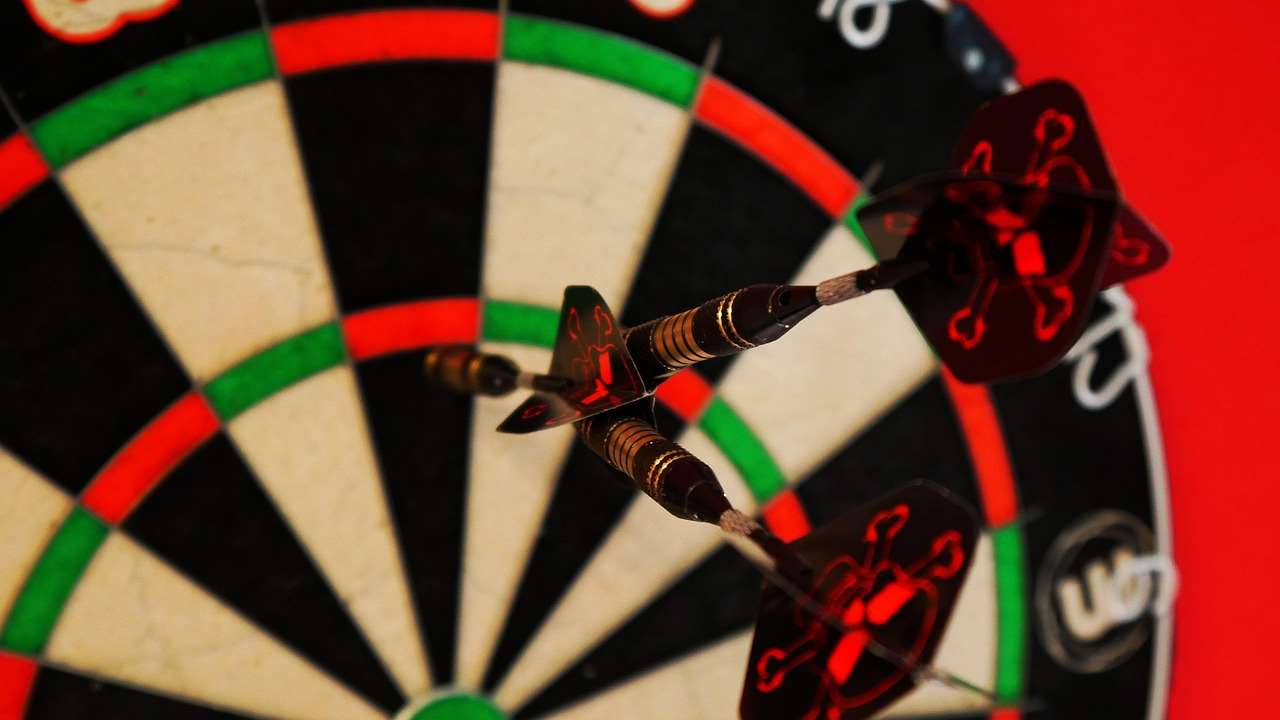
Incorporate safety instructions directly into your throwing lessons. For example, demonstrate the proper way to retrieve darts from the board, emphasizing the importance of announcing their presence and avoiding reaching across the board. Regularly remind children of the safety rules and explain why they are important. This helps to instill safe habits from the beginning and reinforces the importance of responsible play.
Adapting Darts for Younger Players
Darts can be adapted to make it more accessible and safer for younger children. Consider these modifications:
- Shorter Throwing Distance: Reduce the throwing distance for younger children to make it easier for them to reach the board.
- Larger Target: Use a larger target, such as a dartboard with larger scoring areas, to increase the chances of hitting the board.
- Simplified Scoring: Simplify the scoring system to make it easier for children to understand. For example, you could simply count the number of darts that hit the board, regardless of the scoring area.
- Team Play: Introduce team play to encourage cooperation and reduce the pressure on individual players.
- Fun Variations: Incorporate fun variations of the game to keep children engaged and motivated.
Adapting the game to suit the age and skill level of the children can make it more enjoyable and less intimidating, fostering a positive attitude towards darts.
Addressing Common Safety Concerns
Even with careful planning and adherence to safety rules, accidents can still happen. It’s important to be prepared to address common safety concerns:
- Dart Wounds: In the event of a dart wound, clean the area thoroughly with soap and water. Apply a bandage and seek medical attention if the wound is deep or does not stop bleeding.
- Eye Injuries: Eye injuries are a serious concern. If a dart strikes someone in the eye, seek immediate medical attention.
- Reporting Incidents: Establish a system for reporting any safety incidents, no matter how minor. This allows you to track trends and identify potential areas for improvement.
By being prepared to address common safety concerns, you can minimize the impact of accidents and ensure that everyone receives the appropriate care.
Children Darts Safety Rules Guide: A Continuous Process
Implementing a children darts safety rules guide is not a one-time event but an ongoing process. Regularly review and update your safety protocols as needed. As children grow and their skills develop, you may need to adjust the rules and equipment accordingly. Stay informed about the latest safety recommendations and best practices. By continually monitoring and refining your safety procedures, you can ensure that darts remains a safe and enjoyable activity for everyone.
Remember, open communication is key. Encourage children to voice any concerns or questions they may have about safety. Create a culture of safety where everyone feels comfortable speaking up if they see something that doesn’t seem right.
The Role of Adult Supervision in Enforcing Children Darts Safety Rules Guide
The importance of adult supervision cannot be overstated. An adult should always be present when children are playing darts, especially when younger children are involved. The adult’s role is to:
- Enforce the Rules: Ensure that children are following the safety rules and address any violations promptly.
- Provide Guidance: Offer guidance and instruction on proper throwing techniques and safety procedures.
- Monitor the Environment: Continuously monitor the playing area to identify and address any potential hazards.
- Intervene as Needed: Be prepared to intervene if any safety concerns arise or if children are engaging in unsafe behavior.
Effective supervision requires attentiveness and a proactive approach. Don’t simply stand by and watch; actively engage with the children and ensure that they are playing safely. Consider different fun dart game variations with modified rules to keep the game engaging.
Conclusion
Creating a safe and enjoyable darts experience for children requires a comprehensive approach that encompasses equipment selection, rule establishment, environmental considerations, proper instruction, and diligent supervision. This children darts safety rules guide has provided a framework for implementing these key elements. Remember, the goal is to foster a positive and responsible attitude towards darts while minimizing the risk of accidents. By prioritizing safety and creating a supportive environment, you can help children develop valuable skills and enjoy the game of darts for years to come. Now, take these rules and implement them in your home, ensuring a safer, more enjoyable experience for your children. Want to make the game fairer? Check out How to make darts fairer with handicap rules for more information!

Hi, I’m Dieter, and I created Dartcounter (Dartcounterapp.com). My motivation wasn’t being a darts expert – quite the opposite! When I first started playing, I loved the game but found keeping accurate scores and tracking stats difficult and distracting.
I figured I couldn’t be the only one struggling with this. So, I decided to build a solution: an easy-to-use application that everyone, no matter their experience level, could use to manage scoring effortlessly.
My goal for Dartcounter was simple: let the app handle the numbers – the scoring, the averages, the stats, even checkout suggestions – so players could focus purely on their throw and enjoying the game. It began as a way to solve my own beginner’s problem, and I’m thrilled it has grown into a helpful tool for the wider darts community.