Calling Your Score Darts isn’t just about boasting; it’s a fundamental part of darts etiquette and accuracy. This article will delve into the reasons behind verbally declaring your score, the proper way to do it, and why it matters for fair play and game strategy. We will also explore how this practice reinforces proper dart etiquette and helps improve your mental game.
⚠️ Still Using Pen & Paper (or a Chalkboard)?! ⚠️
Step into the future! The Dart Counter App handles all the scoring, suggests checkouts, and tracks your stats automatically. It's easier than you think!
Try the Smart Dart Counter App FREE!Ready for an upgrade? Click above!
The Importance of Calling Your Score Darts
In the game of darts, calling your score darts after each throw isn’t merely a tradition – it serves several crucial purposes. Firstly, it ensures that all players and scorekeepers are aware of the points scored, minimizing the risk of errors. This is vital for maintaining the integrity of the game. Secondly, it provides a clear record of the game’s progression, making it easier to track who is winning and by how much. Finally, it can even contribute to the psychological aspect of the game. Hearing your score announced reinforces your performance and can either boost your confidence or highlight areas for improvement.
Imagine a scenario where multiple players are competing simultaneously on different boards. Without clearly stated scores, confusion would quickly arise, leading to disputes and unfair advantages. By establishing a consistent practice of calling your score darts, you contribute to a more enjoyable and equitable gaming experience for everyone involved. This is particularly crucial in competitive matches and tournaments, where precision and adherence to rules are paramount.

Why is Scorekeeping So Important?
Proper scorekeeping goes hand in hand with accurately calling your score darts. A well-maintained scoresheet ensures that the game flows smoothly and fairly. Errors in scorekeeping can have serious consequences, potentially leading to incorrect match results or even disqualification in competitive settings. Players should be diligent in verifying the accuracy of the scoresheet after each throw to prevent any discrepancies from arising. If discrepancies do arise, it’s the player’s responsibility to bring it to the attention of the designated scorekeeper for review. This collaborative effort between players and scorekeepers ensures that the game is played with integrity and transparency.
How to Correctly Call Your Score Darts
Calling your score darts correctly is an art form in itself. While it might seem simple, there are nuances that ensure clarity and avoid misinterpretations. The key is to be loud enough to be heard by the scorekeeper and other players, but not so loud as to be disruptive. Speak clearly and distinctly, emphasizing each number to avoid any ambiguity. If you have scored a particularly impressive throw, you can inject a bit of enthusiasm into your voice, but always maintain a respectful demeanor.
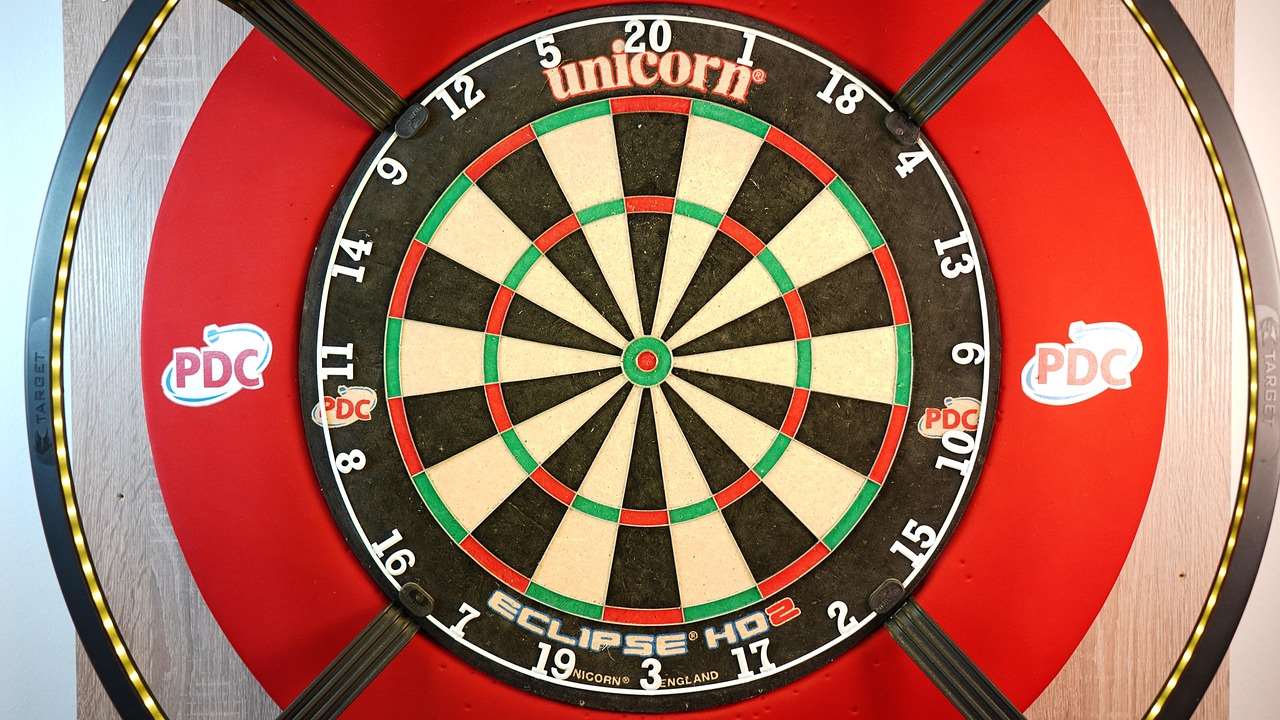
When calling your score darts, you typically announce the individual scores of each dart followed by the total score for that throw. For example, if you hit a treble 20, a single 5, and a single 1, you would say “Sixty, five, one, sixty-six!”. In some variations, the score required to checkout is also announced, which can help with strategy and game planning. Regularly practice the method for calling your score darts so you are consistent and the other players can easily follow you.

Common Mistakes to Avoid When Calling Your Score
Even experienced dart players sometimes make mistakes when calling your score darts. One common error is mumbling or speaking too quietly, making it difficult for the scorekeeper to hear accurately. Another mistake is rushing through the score, which can lead to misinterpretations. Take your time, speak clearly, and double-check your calculations before announcing the score. If you are unsure of your score, don’t hesitate to ask another player or the scorekeeper for assistance. It’s always better to clarify than to perpetuate an error that could affect the outcome of the game. You can learn more about the Darts Culture And Community Guide to learn about darting etiquette.
The Psychological Impact of Calling Your Score
Beyond the practical aspects, calling your score darts also has a significant psychological impact on both the player and their opponents. When you confidently announce a high score, it can boost your morale and create a sense of momentum. Conversely, if you struggle to hit your target, acknowledging a low score can serve as motivation to improve. For your opponents, hearing your score can be either intimidating or encouraging, depending on the context of the game. A string of high scores can put pressure on them, while a series of low scores can give them a psychological advantage.
Mastering the mental game is just as important as developing your physical skills. By consciously calling your score darts with intention and focus, you can harness the power of positive self-talk and visualization. Visualize your darts hitting their targets, and announce your score with conviction, even if you didn’t perform as well as you’d hoped. This mindset can help you stay calm and focused under pressure, allowing you to perform at your best even in challenging situations. You can learn more about Organizing Local Darts League and the rules of the game.

Using Score Calling to Intimidate Opponents
While maintaining good sportsmanship is essential, there’s no denying that some players strategically use calling your score darts to subtly intimidate their opponents. This can involve exaggerating their enthusiasm when announcing high scores or adopting a more subdued tone when acknowledging low scores. The goal is to create an impression of confidence and control, which can unsettle their opponents and affect their performance. However, it’s important to strike a balance between psychological gamesmanship and outright unsportsmanlike behavior. Avoid making disparaging remarks or engaging in actions that could be perceived as disrespectful or offensive. Focus on maintaining a positive and professional demeanor, even when employing psychological tactics.
Integrating Strategy When Calling Your Score Darts
As your skills improve, begin integrating strategy into how you are calling your score darts. This might involve emphasizing certain numbers or announcing the remaining checkout with a specific tone to project confidence or to downplay your position. Seasoned players may use this to influence the opponent’s strategy or to subtly manipulate the pace of the game. However, it is essential to avoid being perceived as unsportsmanlike or overly aggressive. Maintain a professional and respectful demeanor at all times, even when employing subtle psychological tactics. It is also important to understand How To Start A Darts League.
Advanced Techniques: Misdirection and Game Pacing
More advanced techniques involve using misdirection in how you are calling your score darts. This involves subtly misleading your opponent about your intentions. For example, calling a lower score with more enthusiasm than a higher score could make them believe you are struggling, potentially leading them to become complacent. Similarly, adjusting the pace at which you call your score can influence the overall tempo of the game. Calling your score darts quickly can add pressure, while slowing down can disrupt their rhythm. However, use these techniques sparingly and with caution, as they can easily backfire if not executed properly. The goal is to subtly influence the game without being overtly manipulative or dishonest. You can also learn more about Setting Up A Darts Club to help take your darts community to the next level.
Practical Tips for Consistently Calling Your Score Darts
To become proficient at calling your score darts, consistent practice is key. During practice sessions, make a conscious effort to announce your score after each throw, even if you’re playing alone. This will help you develop a habit of speaking clearly and accurately. It will also familiarize you with the various scoring combinations and the proper way to announce them. Over time, calling your score darts will become second nature, allowing you to focus on other aspects of your game.
Another helpful tip is to record yourself calling your score darts and then review the footage. This will allow you to identify any areas for improvement, such as mumbling, rushing, or mispronouncing numbers. It will also give you a better sense of how your voice sounds and how others might perceive it. By actively seeking feedback and working to refine your technique, you can elevate your score-calling skills to the next level. Consider joining or forming a Building Local Darts League Club Guide and practice calling your score darts with others.
Tools for Improving Your Score Calculation
Several tools can help you improve your score calculation skills and make calling your score darts easier. Dart score calculators can be used to quickly and accurately determine your score after each throw. These calculators are available as apps for smartphones and tablets, or as websites that can be accessed on a computer. Alternatively, you can create a cheat sheet with the most common scoring combinations, which you can refer to during games. Regularly reviewing the cheat sheet will help you memorize the combinations and improve your calculation speed. Proper mental math is key to succeeding in calling your score darts.
Conclusion
Calling Your Score Darts is more than just stating numbers; it’s about integrity, strategy, and the psychological game. By understanding its importance, mastering the technique, and practicing regularly, you can elevate your game and contribute to a more enjoyable and competitive environment. So next time you step up to the oche, remember to confidently and accurately announce your score, and let your voice be heard. Now that you understand the nuances of score calling, why not put your knowledge to the test? Head to your local darts club and practice calling your score darts during a friendly match, or even volunteer to score keep for others.

Hi, I’m Dieter, and I created Dartcounter (Dartcounterapp.com). My motivation wasn’t being a darts expert – quite the opposite! When I first started playing, I loved the game but found keeping accurate scores and tracking stats difficult and distracting.
I figured I couldn’t be the only one struggling with this. So, I decided to build a solution: an easy-to-use application that everyone, no matter their experience level, could use to manage scoring effortlessly.
My goal for Dartcounter was simple: let the app handle the numbers – the scoring, the averages, the stats, even checkout suggestions – so players could focus purely on their throw and enjoying the game. It began as a way to solve my own beginner’s problem, and I’m thrilled it has grown into a helpful tool for the wider darts community.