The presence of burrs on points represents a significant safety issue, increasing the risk of cuts, scrapes, and potential infections. This article delves into the dangers of burrs on dart points, explores methods for identification and removal, and provides preventative measures to ensure safe dart playing. We’ll also discuss the importance of regular dart maintenance and selecting quality dart equipment.
⚠️ Still Using Pen & Paper (or a Chalkboard)?! ⚠️
Step into the future! The Dart Counter App handles all the scoring, suggests checkouts, and tracks your stats automatically. It's easier than you think!
Try the Smart Dart Counter App FREE!Ready for an upgrade? Click above!
Understanding the Burrs on Points Safety Issue
The seemingly insignificant burrs on points safety issue can lead to various problems if left unaddressed. A burr is essentially a small, sharp, raised edge on the metal of the dart point. These imperfections occur due to wear and tear, impact with the dartboard, or even manufacturing defects. While a tiny burr might appear harmless, it can cause serious consequences.
Burrs create an uneven surface that damages the dartboard, reducing its lifespan. They can also catch on clothing, causing rips and tears. More seriously, burrs can easily cut or scratch the skin, leading to pain, discomfort, and the potential for infection if the wound is not properly cleaned and treated. Furthermore, a dart with a burr is more likely to glance off the dartboard, potentially causing injury to bystanders.
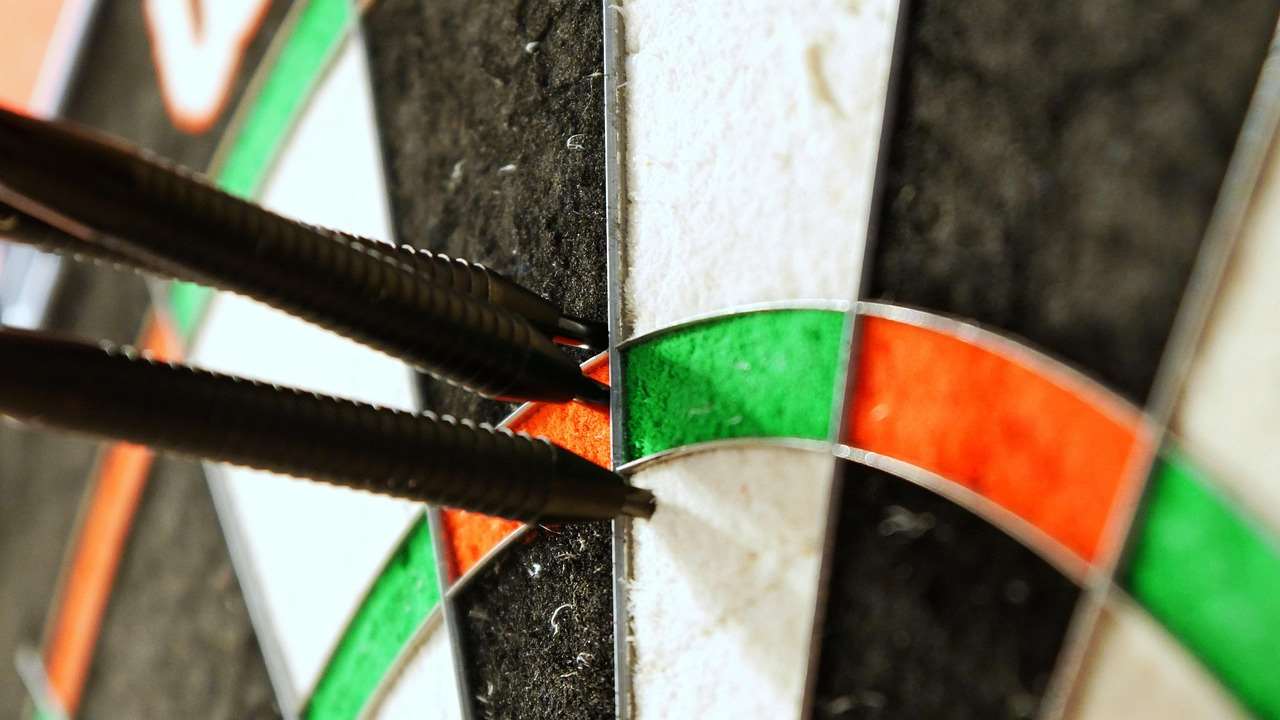
Identifying Burrs on Dart Points
Recognizing burrs early is crucial for preventing injuries and damage. Here are several methods to effectively identify these hazards:
- Visual Inspection: The simplest method is to closely examine the dart points under good lighting. Look for any small, raised edges, imperfections, or rough spots on the point’s surface.
- Tactile Test: Carefully run your finger along the dart point (avoiding the very tip to prevent accidental cuts). You should be able to feel any burrs or rough spots. Be extremely cautious when performing this test.
- Fabric Test: Gently drag the dart point across a piece of soft fabric, such as felt or microfiber. If the point catches or snags, it likely has a burr.
- Magnifying Glass: For a more detailed inspection, use a magnifying glass to examine the dart points. This will help you spot even the smallest burrs.
Regularly checking your darts, especially after heavy use, can help you identify and address burrs before they become a safety issue.
Addressing the Burrs on Points Safety Issue: Burr Removal Techniques
Once you’ve identified burrs, it’s essential to remove them properly. Several techniques can be employed to smooth out the dart points and eliminate the safety issue. Always exercise caution and wear appropriate safety gear, such as safety glasses and gloves, when performing these tasks.
Using a Dart Sharpener
A dart sharpener is a specialized tool designed specifically for removing burrs and reshaping dart points. These sharpeners typically have a fine-grit abrasive surface that gently smooths the metal without removing excessive material. To use a dart sharpener, insert the dart point into the sharpener and rotate it gently, applying slight pressure. Repeat this process several times until the burr is removed and the point is smooth.
Employing a Sharpening Stone
A sharpening stone, also known as a whetstone, can also be used to remove burrs. Choose a fine-grit stone for the best results. Lubricate the stone with water or honing oil before use. Hold the dart at a slight angle to the stone and gently rub the point along the stone’s surface in a circular motion. Regularly check the point for smoothness and repeat the process until the burr is gone. This method offers more control but requires practice to avoid over-sharpening.
Utilizing Fine-Grit Sandpaper
Fine-grit sandpaper can be used as a cost-effective alternative for removing burrs. Wrap a small piece of sandpaper around a dart point and gently rotate the dart, applying light pressure. Use a very fine grit (400 or higher) to avoid scratching the dart points excessively. Regularly inspect the point to ensure you’re not removing too much material.
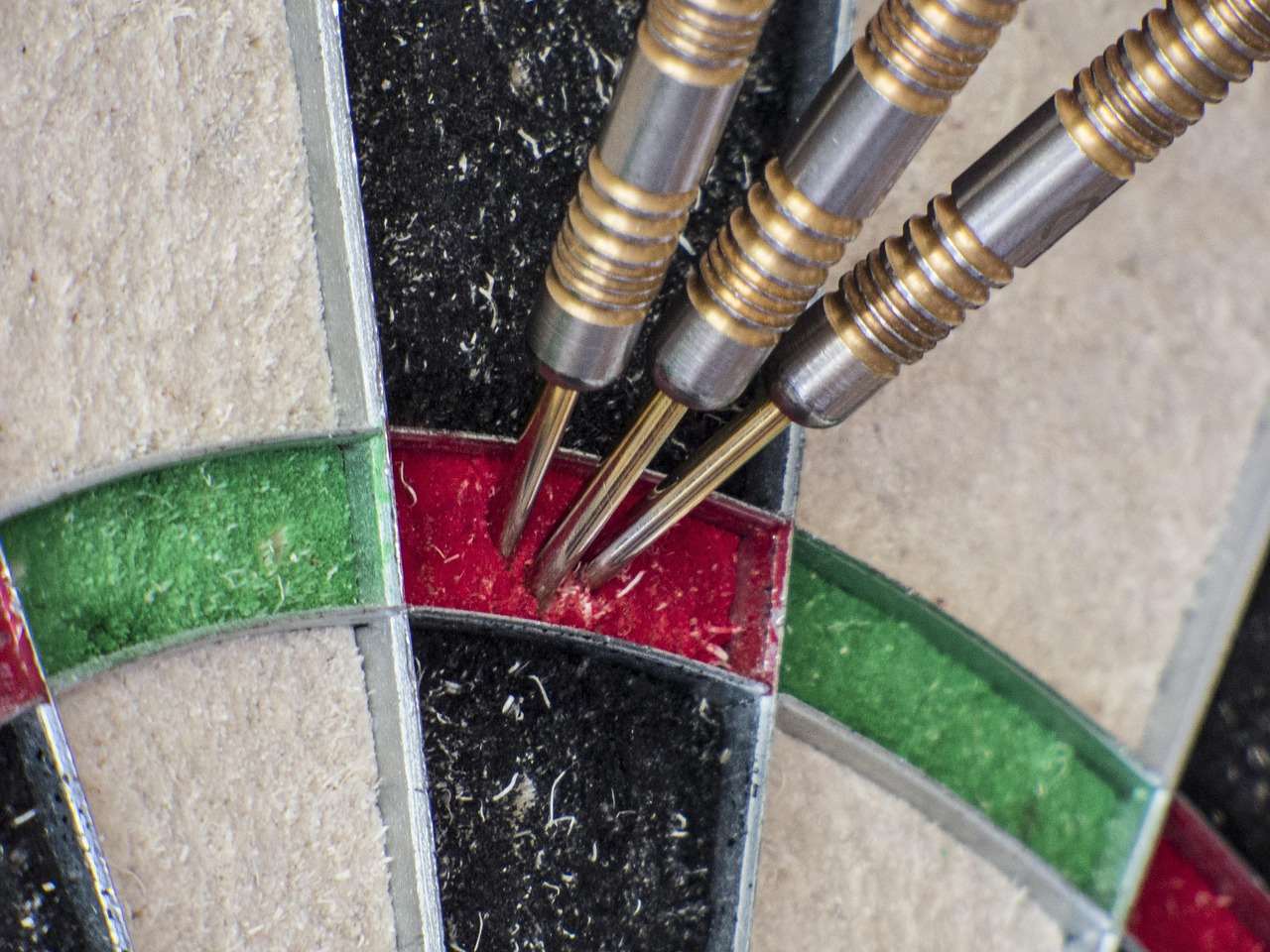
Careful Filing
A small, fine file can be used to carefully remove burrs. This method requires precision to avoid damaging the dart point. Use light, controlled strokes and only file the affected area. Regularly check the point for smoothness and remove any sharp edges. This method is best suited for experienced users due to the risk of over-filing.
Regardless of the method you choose, always clean the dart points thoroughly after removing burrs to remove any metal shavings or residue. A quick wipe with a clean cloth will suffice.
Preventative Measures to Avoid Burrs
Preventing burrs from forming in the first place is the best way to avoid the burrs on points safety issue. Several preventative measures can significantly reduce the likelihood of burr formation and prolong the life of your dart points.
- Regular Maintenance: Regularly inspect your darts for any signs of wear and tear, including burrs, bent points, or loose flights. Addressing these issues promptly can prevent them from escalating into larger problems. Checking your darts before playing can help to prevent accidental cuts and scrapes.
- Proper Dartboard Condition: Ensure your dartboard is in good condition. A worn or damaged dartboard can increase the likelihood of burr formation. Rotate your dartboard regularly to distribute wear evenly. Consider the space where the board is located.
- Use Dart Mats: Dart mats can help protect your darts (and your floor) from damage if they fall. A cushioned mat can reduce the impact force, minimizing the chance of burr formation on the dart points.
- Avoid Throwing at Damaged Boards: Refrain from throwing darts at heavily damaged or excessively hard dartboards, as this can increase the risk of burr formation.
The Importance of Quality Dart Equipment
Investing in high-quality dart equipment can significantly reduce the likelihood of encountering the burrs on points safety issue. Quality darts are typically made from durable materials and undergo rigorous manufacturing processes to ensure a smooth, consistent finish. This means that the points are less likely to develop burrs, even after extended use.
Choosing darts made from materials such as tungsten or high-grade steel can improve dart longevity and reduce the risk of burr formation. Also, it is useful to review basic dart fundamentals.
Furthermore, consider using dart points with a smooth, rounded profile. These points are less prone to catching on the dartboard and developing burrs compared to those with sharp, angular edges. Investing in quality dart equipment not only enhances your playing experience but also contributes to a safer and more enjoyable game.
Dart Maintenance and Safety Practices
Maintaining your darts and following proper safety practices are paramount for preventing injuries and ensuring a positive dart-playing experience. Regular maintenance involves inspecting your darts for burrs, bent points, loose flights, and other signs of wear and tear. Clean your darts regularly to remove dirt, dust, and grime, which can contribute to burr formation and affect dart performance.
Practicing safe dart-throwing techniques is equally important. Always ensure that bystanders are a safe distance away from the dartboard when throwing. Avoid throwing darts when distracted or under the influence of alcohol or other substances. Never attempt to catch a falling dart, as this can lead to serious injury. Instead, step back and allow the dart to fall to the floor.
Safe Dart Handling
- Always carry darts with the points facing down or in a dart case.
- Never throw darts at people or animals.
- Teach children about dart safety and supervise them closely when they are playing. Consider adapting the rules for children.
By adhering to these safety practices, you can minimize the risk of injuries and enjoy the game of darts responsibly.
The Long-Term Consequences of Ignoring Burrs on Points
Neglecting the burrs on points safety issue can have far-reaching consequences beyond the immediate risk of cuts and scrapes. Over time, untreated burrs can cause significant damage to your dartboard, reducing its lifespan and requiring premature replacement. This represents an unnecessary expense and inconvenience.
Moreover, playing with darts with burrs can negatively impact your dart-throwing accuracy and consistency. The uneven surface of the point can cause darts to glance off the board, affecting your scoring and hindering your overall performance. Furthermore, persistent cuts and scrapes from burrs can lead to discomfort and even infection, interrupting your playing schedule and potentially requiring medical attention.
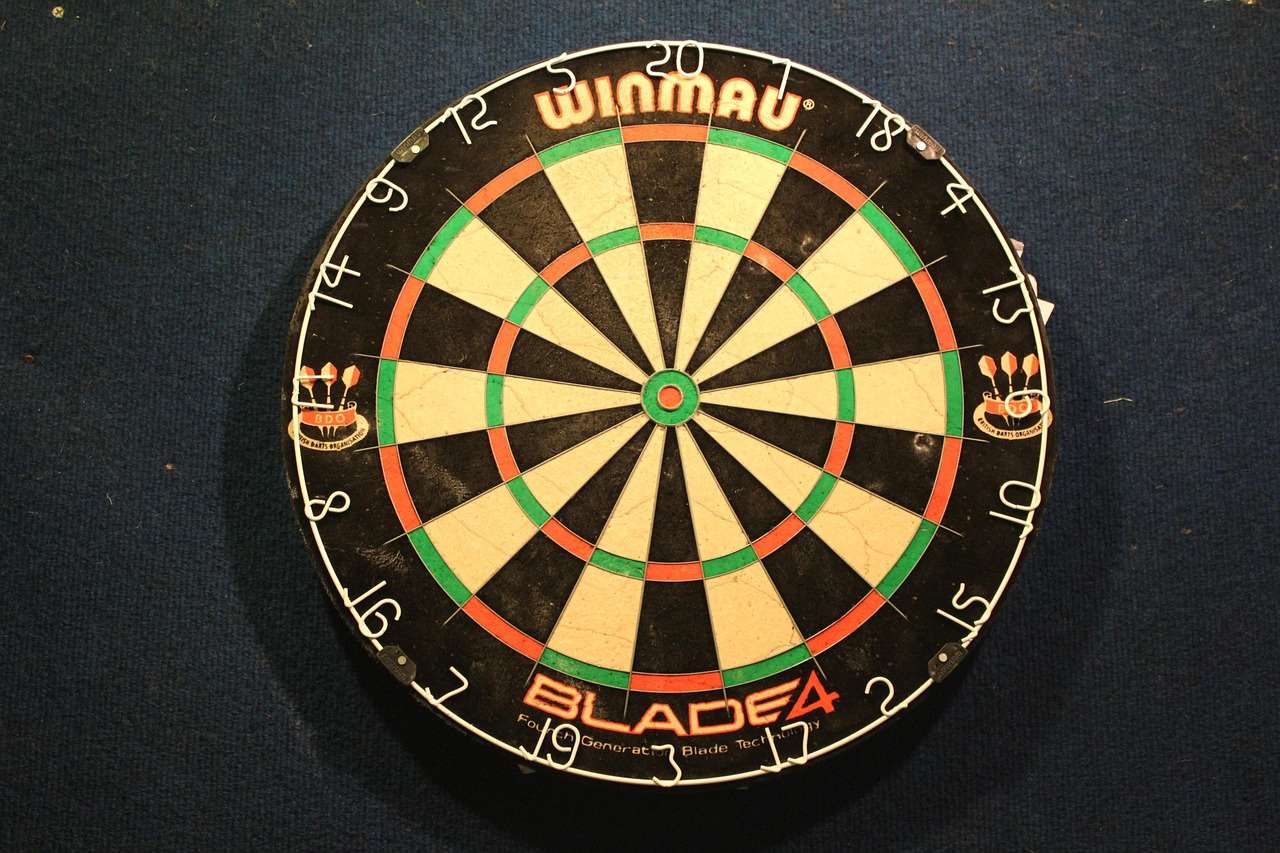
Ultimately, addressing the burrs on points safety issue is an investment in your long-term dart-playing enjoyment and well-being. By prioritizing dart maintenance and safety, you can ensure a safe, consistent, and rewarding experience for years to come.
Conclusion
The burrs on points safety issue is a critical aspect of dart playing that should not be overlooked. By understanding the dangers posed by burrs, learning effective removal techniques, implementing preventative measures, and prioritizing safety practices, you can significantly reduce the risk of injuries and enhance your overall dart-playing experience. Regular maintenance, proper handling, and high-quality equipment are essential for ensuring a safe and enjoyable game. Remember to inspect your darts regularly, remove any burrs promptly, and always prioritize safety. Take action today to protect yourself and others from the potential hazards of burrs on points. Clean and sharpen your darts today to ensure your next game is a safe one!

Hi, I’m Dieter, and I created Dartcounter (Dartcounterapp.com). My motivation wasn’t being a darts expert – quite the opposite! When I first started playing, I loved the game but found keeping accurate scores and tracking stats difficult and distracting.
I figured I couldn’t be the only one struggling with this. So, I decided to build a solution: an easy-to-use application that everyone, no matter their experience level, could use to manage scoring effortlessly.
My goal for Dartcounter was simple: let the app handle the numbers – the scoring, the averages, the stats, even checkout suggestions – so players could focus purely on their throw and enjoying the game. It began as a way to solve my own beginner’s problem, and I’m thrilled it has grown into a helpful tool for the wider darts community.