When deciding between bullseye scoring steel vs soft tip darts, the key difference lies in the board and dart construction: steel tip darts use metal tips and are thrown at a bristle board, while soft tip darts use plastic tips and are thrown at an electronic board. This impacts scoring, gameplay, and overall experience. This article will delve into the specifics of each, covering scoring nuances, equipment differences, and which option might be best for you.
⚠️ Still Using Pen & Paper (or a Chalkboard)?! ⚠️
Step into the future! The Dart Counter App handles all the scoring, suggests checkouts, and tracks your stats automatically. It's easier than you think!
Try the Smart Dart Counter App FREE!Ready for an upgrade? Click above!
Understanding Bullseye Scoring: Steel vs Soft Tip Darts
The bullseye, the coveted center of the dartboard, plays a crucial role in both steel tip and soft tip darts. However, the specifics of bullseye scoring steel vs soft tip darts can differ, adding a layer of strategy to the game. Understanding these nuances is essential for competitive play and casual enjoyment alike. Let’s examine how the bullseye is treated in each darting style.

Steel Tip Bullseye Scoring
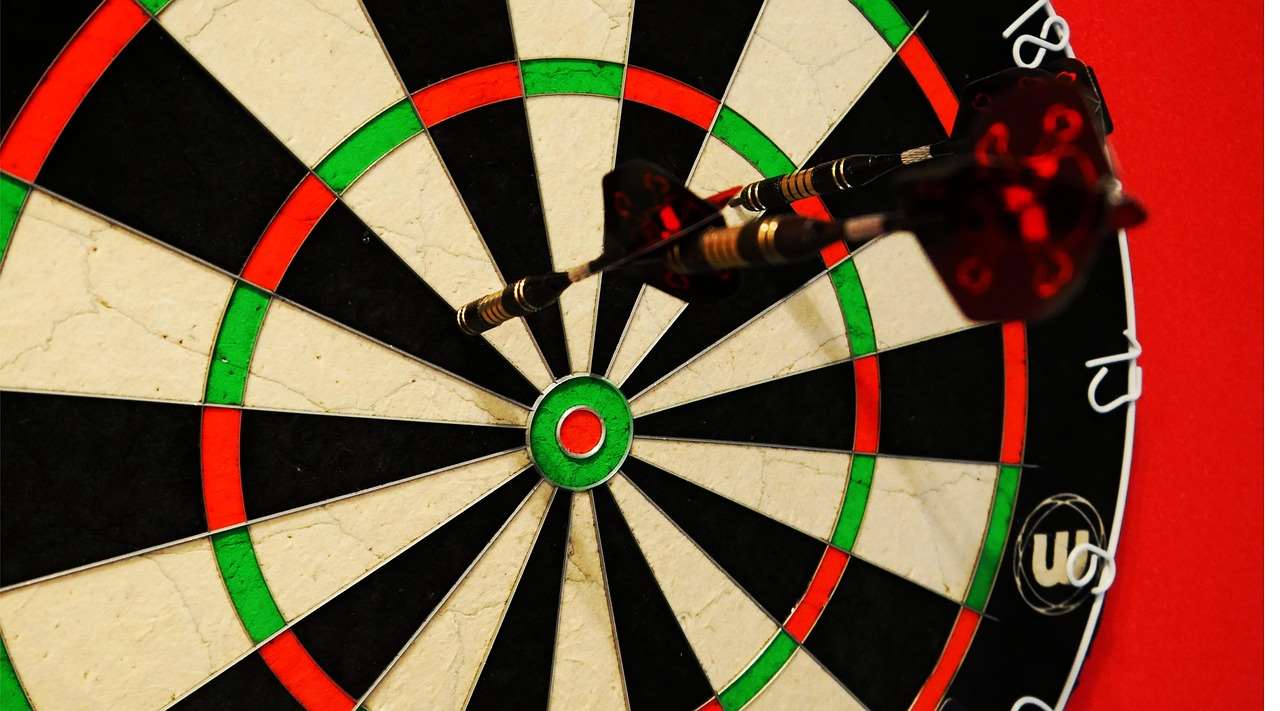
In standard steel tip darts, the bullseye is divided into two sections: the outer bull (also known as the single bull or outer bullseye) and the inner bull (also known as the double bull or bullseye).
- The outer bull is worth 25 points.
- The inner bull is worth 50 points.
Hitting the inner bull is considered a higher achievement and is often strategically targeted for crucial scoring opportunities, particularly when “checking out” (finishing the game). The value assigned to the inner bull is constant across most steel tip dart games.
Soft Tip Bullseye Scoring
In soft tip darts, the bullseye is typically *not* divided. A single bullseye area awards a fixed point value. The most common value for the bullseye in soft tip darts is 50 points, mirroring the inner bull in steel tip. However, some electronic dartboards have a setting that divides the bullseye into 25 and 50 points, providing the same scoring structure as steel tip.
The scoring system can be adjusted on some electronic boards to accommodate different game variations or player preferences. This flexibility adds a layer of customization that isn’t available with traditional steel tip boards.
Steel Tip Darts: A Closer Look
Steel tip darts have a long and storied history, rooted in tradition and precision. Playing with steel tip darts involves more than just throwing; it’s about mastering technique and understanding the nuances of the equipment. Here, we’ll delve into the specifics of steel tip darts, from the darts themselves to the boards they’re thrown at.
Steel Tip Dart Construction
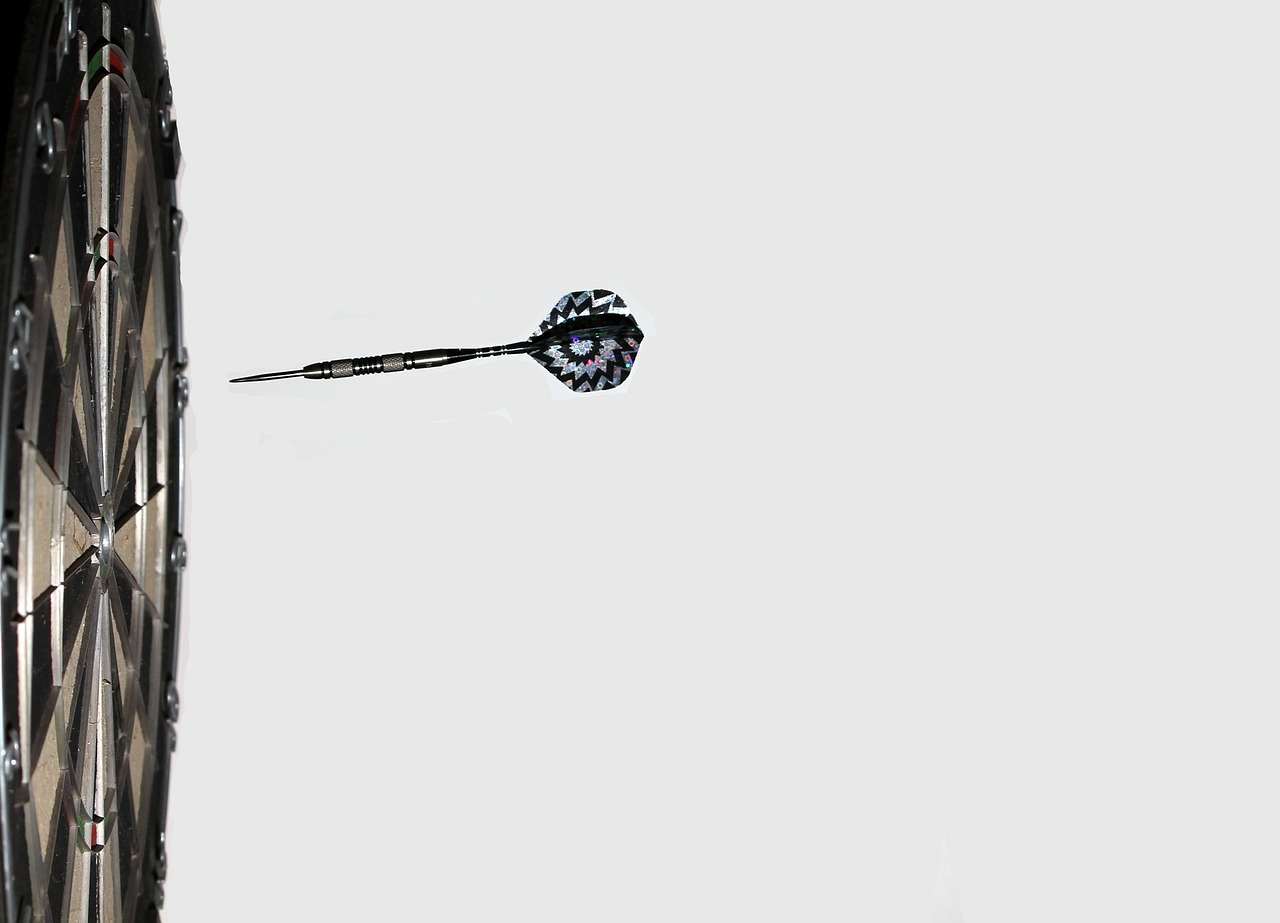
A steel tip dart consists of four main components:
- Point: Made of steel and is permanently fixed to the barrel (though some are replaceable). The point is what pierces the bristle board.
- Barrel: The main body of the dart, providing weight and grip. Barrels come in various materials like tungsten, brass, and nickel silver. Tungsten is preferred for its density, allowing for slimmer darts with the same weight.
- Shaft: Connects the barrel to the flight. Shafts are typically made of aluminum or nylon/plastic. Length and material affect the dart’s flight characteristics.
- Flight: The “wings” of the dart, providing stability and lift. Flights come in various shapes, sizes, and materials (usually plastic or nylon).
The weight of steel tip darts typically ranges from 20 to 30 grams, with 22-24 grams being a common starting point. Experimenting with different weights is crucial to finding what feels best for your throwing style. Don’t forget to check out Basic Darts Fundamentals for Beginners to help learn your own style.
Steel Tip Dartboards: Bristle Boards
Steel tip darts are designed to be thrown at **bristle dartboards**, which are made from tightly packed sisal fibers. These fibers separate when the dart enters and close up again when the dart is removed, making the board self-healing. Key features of bristle dartboards include:
- Wired Spider: The thin metal wires that divide the scoring segments. High-quality boards have thinner wires (or even bladed wires) to reduce bounce-outs.
- Removable Number Ring: Allows you to rotate the board, distributing wear and tear evenly.
- Durability: Good quality bristle boards can last for years with proper care.
Proper mounting of the dartboard is essential. The center of the bullseye should be 5 feet 8 inches (1.73 meters) from the floor, and the oche (throwing line) should be 7 feet 9 1/4 inches (2.37 meters) from the face of the board.
Soft Tip Darts: Modern Technology and Convenience
Soft tip darts represent a more modern approach to the game, incorporating electronic scoring and a different type of dart and board. Playing soft tip often involves a faster pace and a social atmosphere. Here’s a breakdown of the key aspects.
Soft Tip Dart Construction
Similar to steel tip darts, soft tip darts consist of a point, barrel, shaft, and flight. However, the key difference lies in the point:
- Point: Made of plastic, designed to easily penetrate the holes in the electronic dartboard. Soft tips are designed to break under extreme pressure to protect the board.
- Barrel: Similar materials as steel tip darts (tungsten, brass, nickel silver), but often lighter.
- Shaft: Often made of nylon or plastic, and can be more prone to breakage than steel tip shafts.
- Flight: Similar to steel tip darts, but may be made of thinner materials due to the lighter weight of the dart.
Soft tip darts are generally lighter than steel tip darts, typically ranging from 16 to 20 grams. The plastic tips are designed to break upon impact at times, so a supply of replacement tips is a must for soft tip players.
Soft Tip Dartboards: Electronic Boards
Soft tip darts are thrown at **electronic dartboards**, which are made of plastic with small holes for the dart points to penetrate. These boards offer several advantages:
- Automatic Scoring: The board automatically detects where the dart lands and calculates the score, eliminating manual scorekeeping.
- Game Variations: Electronic boards often have built-in game variations, such as 301, Cricket, and more.
- Sound Effects: Many boards include sound effects and voice prompts, adding to the entertainment.
- Player Statistics: Some boards track player statistics, allowing you to monitor your progress.
Electronic dartboards require a power source and occasional maintenance, such as replacing segments that wear out. Mounting height is generally the same as steel tip boards, but always consult the manufacturer’s instructions.

Key Differences: Steel Tip vs. Soft Tip Darts
The choice between bullseye scoring steel vs soft tip darts hinges on several factors. Here’s a breakdown of the key differences to help you decide which is right for you.
Scoring and Gameplay
- Scoring: Steel tip darts typically require manual scorekeeping, while soft tip darts offer automatic scoring.
- Bounce-Outs: Bounce-outs (darts that hit the board but don’t stick) are more common in steel tip darts, especially with lower-quality boards.
- Game Variations: Soft tip electronic boards usually offer a wider range of built-in game variations than traditional steel tip. You might also try Fun dart game variations with modified rules, which can be implemented for both steel and soft tip styles.
- Social Atmosphere: Soft tip darts are often associated with a more social and casual atmosphere, particularly in bars and arcades.
Equipment and Cost
- Dart Cost: Steel tip darts can range from inexpensive brass darts to high-end tungsten darts costing hundreds of dollars. Soft tip darts also vary in price, but are generally less expensive.
- Board Cost: Bristle dartboards are generally less expensive than electronic dartboards. However, electronic boards offer features that justify the higher price for many players.
- Maintenance: Bristle boards require minimal maintenance, while electronic boards may require occasional segment replacement and battery changes.
Skill Level and Preference
- Skill Level: Both steel tip and soft tip darts can be enjoyed by players of all skill levels. However, steel tip darts are often seen as more traditional and competitive, while soft tip darts are more accessible to beginners.
- Personal Preference: Ultimately, the best choice depends on personal preference. Consider your budget, playing style, and the atmosphere you prefer.
Tips for Improving Your Bullseye Scoring, No Matter the Dart Type
Regardless of whether you choose bullseye scoring steel vs soft tip darts, improving your accuracy and consistency is crucial for hitting that coveted center. Here are some tips to help you hone your skills and boost your bullseye percentage.
Stance and Grip
- Consistent Stance: Develop a stance that feels comfortable and stable. Most players stand with one foot forward, angled towards the board.
- Proper Grip: Experiment with different grips to find one that feels natural and allows you to release the dart smoothly. Avoid gripping the dart too tightly.
- Consistent Grip Pressure: Maintain a consistent grip pressure throughout your throw.
Throwing Technique
- Smooth Motion: Focus on a smooth, fluid throwing motion. Avoid jerky movements.
- Follow Through: Follow through with your arm after releasing the dart, pointing towards the target.
- Elbow Position: Keep your elbow consistent throughout your throw. It should act as a hinge, minimizing unnecessary movement.
Practice and Mental Game
- Regular Practice: Consistent practice is key to improving your accuracy. Set aside dedicated time for practice sessions.
- Targeted Practice: Focus on specific areas of the board during practice, including the bullseye.
- Mental Focus: Maintain mental focus and concentration during your throws. Visualize the dart hitting the target.
Equipment Considerations
- Dart Weight and Balance: Experiment with different dart weights and balances to find what suits your throwing style.
- Shaft and Flight Combinations: Experiment with different shaft and flight combinations to optimize your dart’s flight characteristics.
Remember that consistent practice and attention to detail are essential for improving your dart game. With dedication and the right approach, you can consistently hit the bullseye, regardless of whether you’re playing steel tip or soft tip darts. You may also find that How to make darts fairer with handicap rules improves your enjoyment of the game.
Choosing the Right Darts for You
Deciding between bullseye scoring steel vs soft tip darts ultimately comes down to personal preference and playing environment. Consider the following factors when making your choice:
- Environment: Will you be playing at home, in a bar, or in a competitive league? Steel tip darts are more common in competitive settings, while soft tip darts are popular in bars and arcades.
- Budget: How much are you willing to spend on darts and a dartboard? Steel tip setups can be more affordable initially, but soft tip setups offer added convenience and features.
- Skill Level: Are you a beginner or an experienced player? Both steel tip and soft tip darts can be enjoyed by players of all skill levels.
- Personal Preference: Do you prefer the traditional feel of steel tip darts or the modern convenience of soft tip darts?
Try both steel tip and soft tip darts before making a decision. Many dart shops and bars offer opportunities to test out different darts and boards. Experiment with different weights, grips, and throwing styles to find what feels best for you.
Conclusion
In conclusion, the choice between bullseye scoring steel vs soft tip darts depends heavily on individual preferences, playing environment, and budget. While steel tip offers a traditional, manually scored experience, soft tip provides electronic scoring and enhanced game variety. Focus on finding the equipment that best suits your style and practice diligently to improve your bullseye accuracy. Regardless of your choice, the most important thing is to enjoy the game! So, grab some darts, aim for that bullseye, and have fun! Now that you have the essential knowledge, why not head down to your local dart supply store or online retailer to pick up your first set of darts and get started? Consider experimenting with different dart weights and styles until you find one that feels right for you.

Hi, I’m Dieter, and I created Dartcounter (Dartcounterapp.com). My motivation wasn’t being a darts expert – quite the opposite! When I first started playing, I loved the game but found keeping accurate scores and tracking stats difficult and distracting.
I figured I couldn’t be the only one struggling with this. So, I decided to build a solution: an easy-to-use application that everyone, no matter their experience level, could use to manage scoring effortlessly.
My goal for Dartcounter was simple: let the app handle the numbers – the scoring, the averages, the stats, even checkout suggestions – so players could focus purely on their throw and enjoying the game. It began as a way to solve my own beginner’s problem, and I’m thrilled it has grown into a helpful tool for the wider darts community.