The bullseye in darts rules are simple: hitting the bullseye earns you 50 points in a standard game. Understanding the bullseye’s significance, however, goes beyond just its point value. This article will fully explain the bullseye in darts rules, covering scoring, strategy, and common misconceptions, helping you improve your game.
⚠️ Still Using Pen & Paper (or a Chalkboard)?! ⚠️
Step into the future! The Dart Counter App handles all the scoring, suggests checkouts, and tracks your stats automatically. It's easier than you think!
Try the Smart Dart Counter App FREE!Ready for an upgrade? Click above!
Beyond the basic bullseye in darts rules, mastering the bullseye requires practice and precision. This article will explore various techniques, strategic considerations, and common pitfalls to avoid, ultimately improving your accuracy and score.
The bullseye is more than just a target; it’s a strategic component of the game, often crucial for achieving high scores and securing victory. Let’s delve into the details and unlock the secrets to consistently hitting that central point.
Understanding the Bullseye in Darts Rules: Scoring and Significance
The bullseye in darts rules are foundational to the game. The center of the dartboard, the bullseye, is worth 50 points. This high point value makes it a prime target, particularly in the final stages of a game. Successfully hitting the bullseye consistently can significantly impact your overall score and increase your chances of winning.
Many dart games incorporate the bullseye as a vital part of their scoring system. From casual games with friends to professional tournaments, the bullseye remains a key element that can significantly impact your victory.
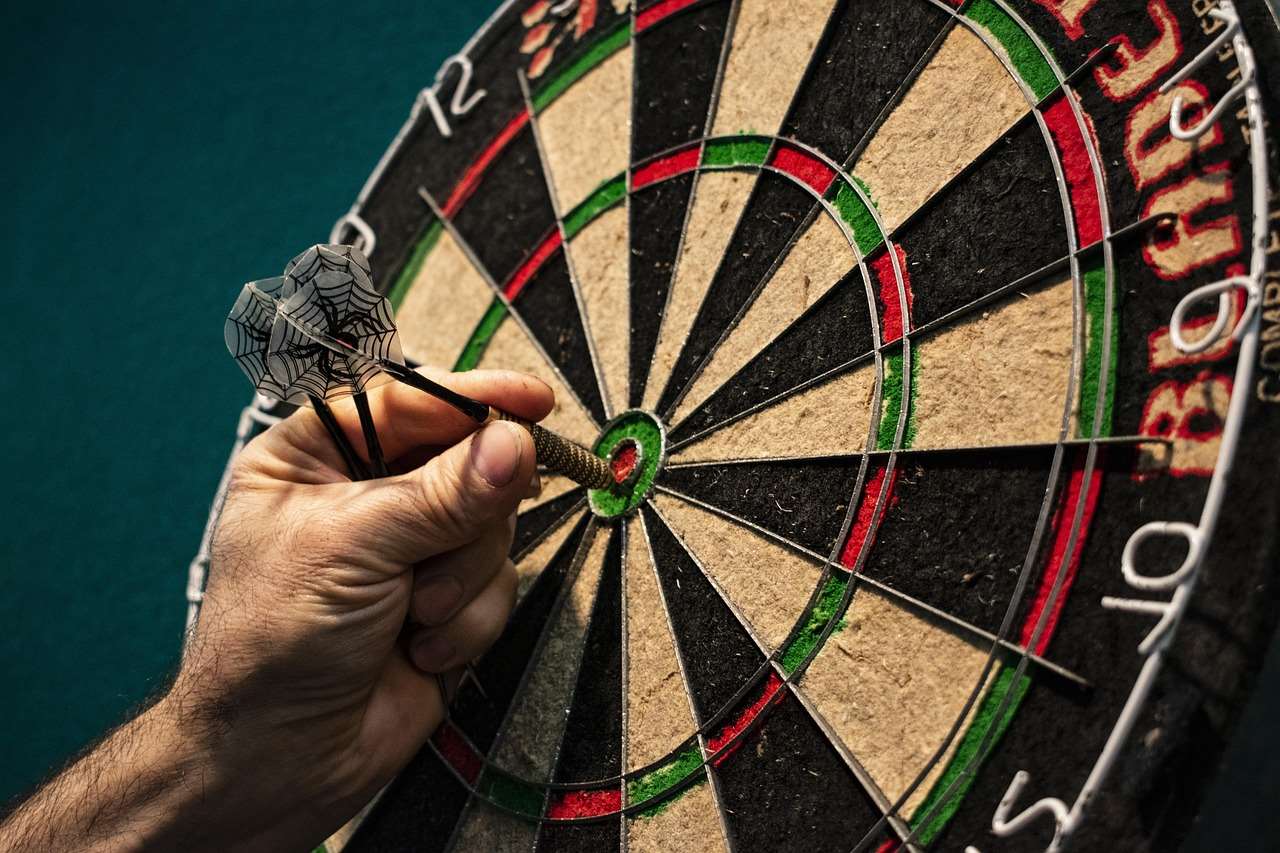
However, understanding the bullseye in darts rules isn’t solely about its point value. Its placement within the dartboard, surrounded by the outer bull (25 points), affects game strategy. Players often aim for the bullseye to secure a significant point increase, or strategically use it to close out a game. For example, in a game like 501, a bullseye finish can be a stylish and impressive way to check out.
The Bullseye’s Role in Different Game Variations
While the bullseye in darts rules remain consistent across various games, its strategic importance can shift depending on the game format. In games like Cricket, hitting the bullseye is part of the closing strategy to “close” the number, similar to closing out a leg in 501. In 301, reaching the bullseye for the final points might not always be the most efficient strategy.
Understanding how different game variations utilize the bullseye will significantly improve your overall gameplay. Consider the point values, scoring systems, and overall objectives of the particular game before formulating your strategy around the bullseye.
Strategies for Hitting the Bullseye
Mastering the art of hitting the bullseye requires more than just throwing darts; it demands precision, technique, and consistent practice. While the bullseye in darts rules are simple, executing them successfully requires focused training. Let’s explore some strategies to improve your bullseye accuracy.
Improving Your Grip and Stance
A solid grip and stable stance are crucial for consistent accuracy. Experiment with different grips to find what feels most comfortable and allows for controlled throws. Maintain a balanced, relaxed stance to minimize unnecessary movement. A proper grip and stance are foundational for hitting the bullseye.
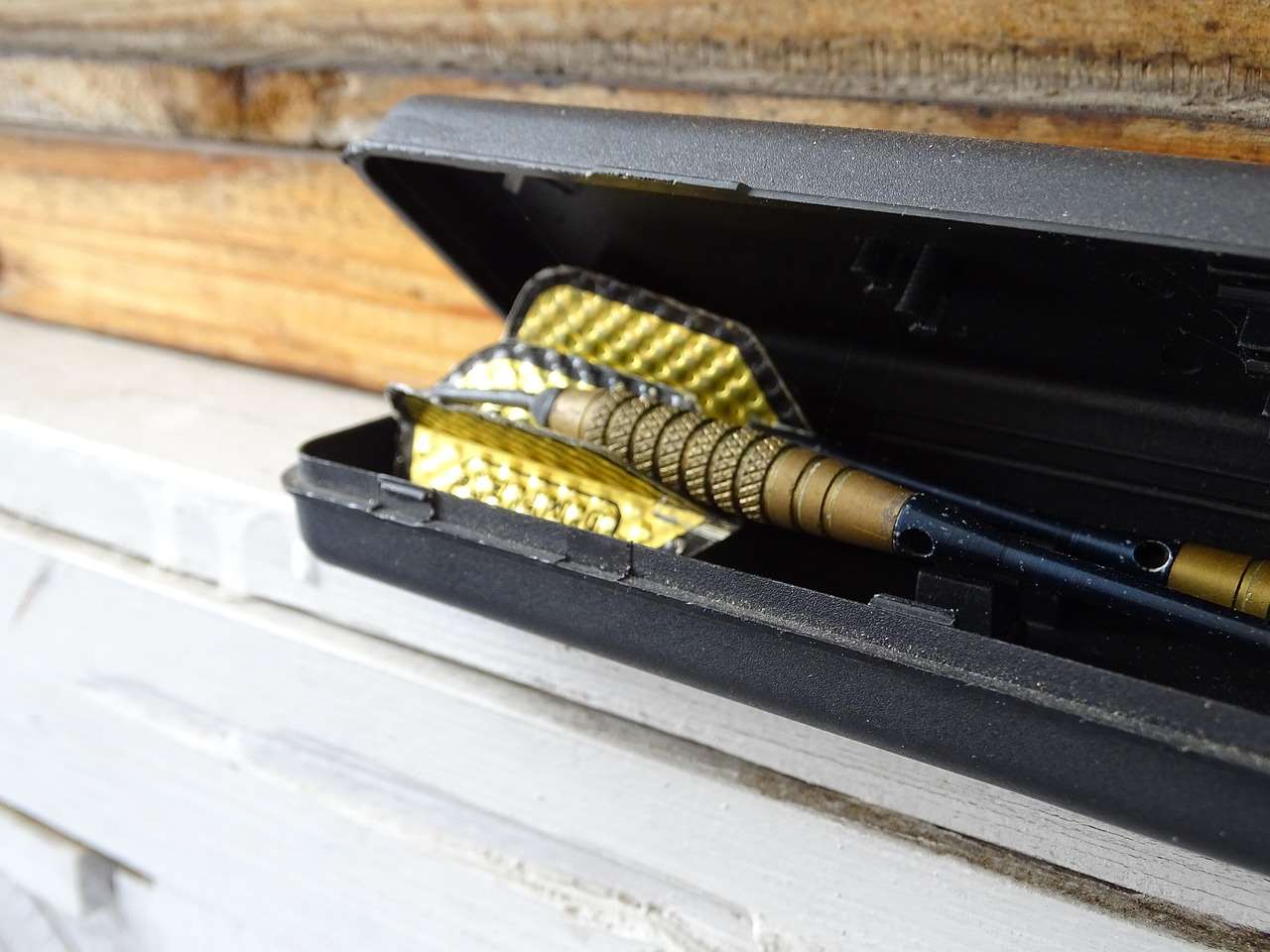
Consider the advice given by professional players and coaches: often they suggest practicing with a reduced number of darts to enhance focus. You’ll find that maintaining consistent form and focusing on each individual throw is paramount to improving your bullseye accuracy.
Practice Makes Perfect: Drills and Exercises
Regular practice is key. Dedicate time to drills focusing solely on the bullseye. Start with shorter distances, gradually increasing the distance as your accuracy improves. Don’t just throw continuously – concentrate on each throw, analyzing your form and correcting any mistakes. Practice specific drills designed to refine your bullseye accuracy. You might try practicing 3-dart finishes aimed at the bullseye, helping you train for pressure-filled situations.
Remember that consistency is paramount; it’s better to have a bunch of darts clustered around the bullseye than a handful of wildly different throws. This consistent clustering demonstrates a level of control that is essential for achieving success in the game of darts. You’ll find that even in a game such as 501, a well-placed dart in the outer or inner bull can still be strategically vital.
Mental Game: Focus and Concentration
The mental aspect of darts is often overlooked. Maintaining focus and concentration throughout the game is critical. Minimize distractions and develop mental techniques to stay calm under pressure. Deep breathing exercises or visualization techniques can significantly help. Darts double bull strategy also comes down to maintaining mental control.
The bullseye in darts rules might seem simple, but successfully executing them consistently is a test of mental fortitude as much as physical skill. A clear mind is crucial to maintain control over your throws and hit the bullseye accurately under pressure.
Common Mistakes to Avoid
Many common mistakes hinder even the most skilled players from consistently hitting the bullseye. Identifying and correcting these errors is crucial for improvement. Let’s examine some common pitfalls and how to avoid them.
Inconsistent Throwing Motion
An inconsistent throwing motion often leads to inaccurate throws. Maintain a smooth, consistent motion from your stance to the release. Avoid jerky movements or sudden changes in your throwing technique. A consistent throw is essential for hitting the bullseye consistently.
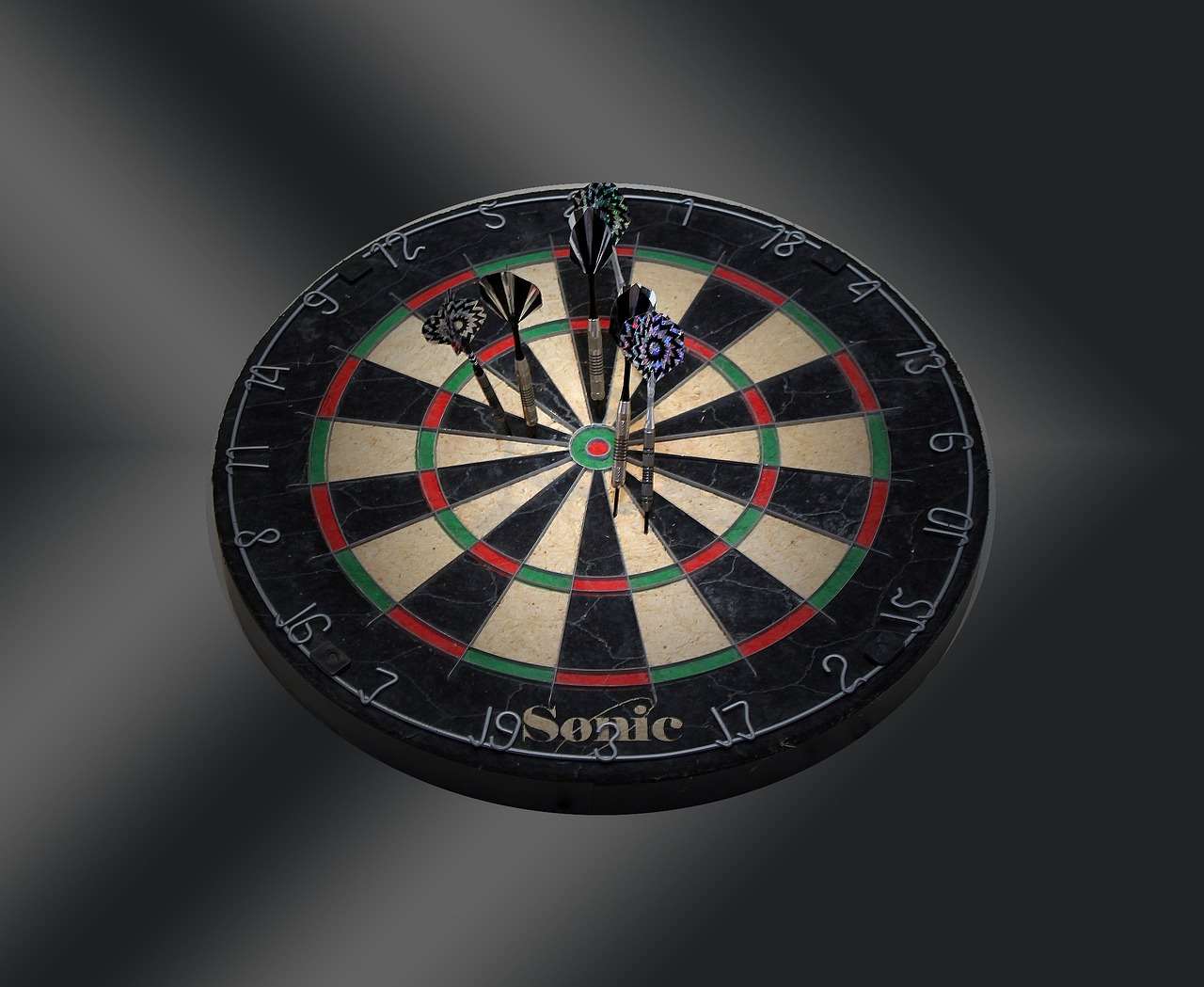
A consistent throwing motion is more than just about physical technique, it requires an understanding of the biomechanics of your own body. Observe yourself carefully, try recording yourself if possible. This analysis will assist in identifying your own unique nuances, enabling you to smooth out any inconsistencies within your throwing technique and increase your accuracy. By implementing these changes, you are moving closer to mastery of the bullseye.
Incorrect Dart Selection
The weight, shape, and design of your darts significantly impact your throw. Experiment with different darts to find what feels most comfortable and allows for precise throws. The right dart for your hand and throwing style is essential for consistently hitting your mark, including the bullseye.
Poor Dartboard Placement
Ensure your dartboard is mounted correctly at the appropriate height and distance, so that it’s directly in front of you and not at an angle. Poor dartboard positioning can make it much more difficult to accurately strike the bullseye. A well-placed dartboard is crucial for consistent results.
Advanced Bullseye Techniques
Once you’ve mastered the basics, explore advanced techniques to further refine your bullseye accuracy.
Target Practice and Visualization
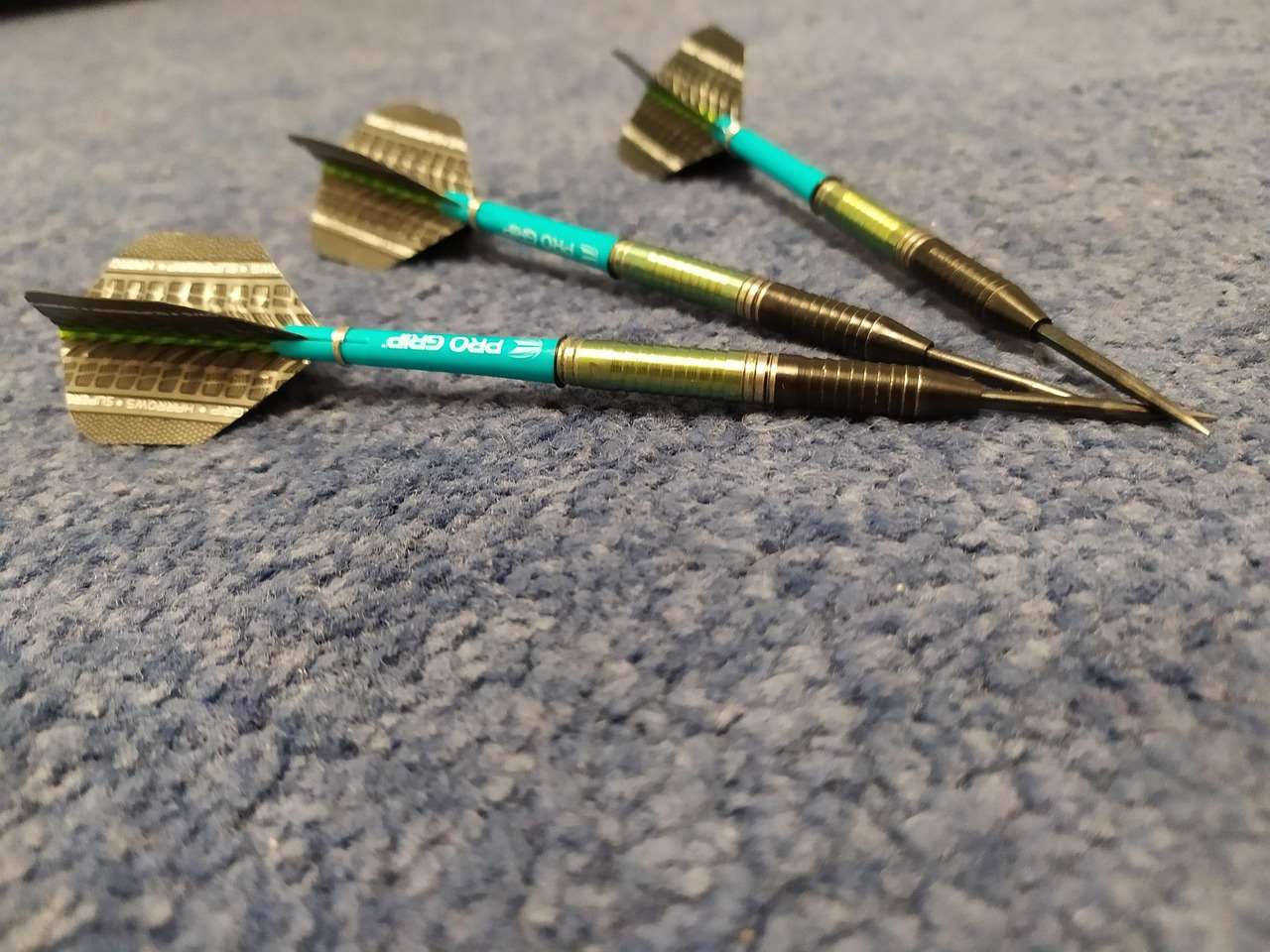
Spend time practicing on different parts of the board, aiming for specific spots. Develop your visualization skills, imagining the dart hitting the bullseye before you throw. Practice on different boards under varied conditions. These advanced methods are all essential components for improving accuracy.
Analyzing Your Throws
After each throw, pause and critically assess your technique. Identify any errors and actively work on correcting them. This consistent self-evaluation will improve your bullseye consistency over time.
Working with a Coach
Consider working with a darts coach to receive personalized feedback and guidance. A coach can identify areas for improvement that you might miss, which can dramatically impact your results.
Conclusion
Mastering the bullseye in darts rules requires more than just understanding the point value; it demands a combination of practice, technique, mental strength, and continuous refinement. By focusing on your grip, stance, practice drills, mental game, and avoiding common mistakes, you can significantly improve your accuracy and consistently hit that 50-point target. Remember, practice and self-analysis are essential for improvement. For more in-depth information on scoring and variations, check out Dart game scoring app. Start practicing today and unlock your bullseye potential! Now go grab those darts and start practicing! You might even be inspired to check out the darts 2025 schedule tickets release date!

Remember to check out our other resources, like information on dart board set nz and target darts hema for more tips and tricks! Want to know more about the financial incentives? Check out our article on how much money does the darts winner get. Learn about the creative possibilities of darts with our piece on the impractical jokers dartboard of destiny, and brush up on dart enum with values for a developer’s perspective. And for those interested in the care and maintenance of their darts, explore our guide on dart barrel auskochen. Finally, for a deeper dive into the world of professional darts, visit the target darts official site and smartschool.

Hi, I’m Dieter, and I created Dartcounter (Dartcounterapp.com). My motivation wasn’t being a darts expert – quite the opposite! When I first started playing, I loved the game but found keeping accurate scores and tracking stats difficult and distracting.
I figured I couldn’t be the only one struggling with this. So, I decided to build a solution: an easy-to-use application that everyone, no matter their experience level, could use to manage scoring effortlessly.
My goal for Dartcounter was simple: let the app handle the numbers – the scoring, the averages, the stats, even checkout suggestions – so players could focus purely on their throw and enjoying the game. It began as a way to solve my own beginner’s problem, and I’m thrilled it has grown into a helpful tool for the wider darts community.