Understanding the **bull off rules steel soft tip** darts is crucial for fair play and determining who starts the game. This article will delve into the specific rules governing the bull off in both steel tip and soft tip darts, exploring variations and common misunderstandings. We’ll also cover essential tips for executing a successful bull off.
⚠️ Still Using Pen & Paper (or a Chalkboard)?! ⚠️
Step into the future! The Dart Counter App handles all the scoring, suggests checkouts, and tracks your stats automatically. It's easier than you think!
Try the Smart Dart Counter App FREE!Ready for an upgrade? Click above!
Understanding the Core of **Bull Off Rules Steel Soft Tip** Darts
The **bull off**, also known as “diddle for the middle” or “bulling up,” is the standard method for determining which player or team begins a game of darts. The basic premise is simple: each player throws one dart at the bullseye (or near it), and the player whose dart lands closest to the center of the bullseye gets to start the game.
However, the devil is in the details. The specific **bull off rules** can vary slightly depending on the organization, league, or even the specific game being played. While the general principle remains the same, understanding these nuances is essential to avoid disputes and ensure fair competition. Before we proceed to understand bull off rules, it is helpful to understand Basic Darts Fundamentals for Beginners.
Generally speaking, the bull off is used for both **steel tip darts** and **soft tip darts**, although there are some differences in how it is executed and scored. Let’s explore those differences.

**Steel Tip vs. Soft Tip Bull Off Rules**: Key Differences
While the core principle remains the same, there are subtle but important distinctions in how the bull off is conducted in steel tip and soft tip darts.
Steel Tip Bull Off Rules:
- Dart must remain in the board: To count, the dart must stay lodged in the dartboard until the thrower has approached the board, verified the placement of all darts, and removed them.
- The order of play: Normally, players alternate throwing one dart each, with the winner going first.
- Measuring distance: The distance from the dart to the bullseye is typically judged visually. In close calls, a measuring tool might be used.
- Tie-breakers: In the event of a tie (darts appearing equidistant from the bullseye), players typically repeat the bull off until a winner is determined.
Soft Tip Bull Off Rules:
- Electronic scoring: In most soft tip setups, the electronic dartboard automatically calculates and displays the distance of each dart from the bullseye.
- Scoring Zones: Soft tip boards may have different scoring zones within the bullseye (single bull and double bull) with each being closer or farther from the bullseye.
- Automatic adjudication: The electronic board usually determines the winner automatically, eliminating any subjective judgment.
- Tie-breakers: If the electronic board registers a tie, the board will usually prompt both players to throw again, starting a new round.
These distinctions are crucial to consider when participating in either steel tip or soft tip darts. Always clarify the specific **bull off rules** being used before the start of play, particularly in casual settings.
Common Scenarios and How to Handle Them
Even with established **bull off rules**, certain situations can arise that require clarification and a consistent approach. Here are some common scenarios and how to handle them:
Dart Falls Out:
If a dart falls out of the board before it can be verified, it generally does *not* count. This applies to both steel tip and soft tip darts. A re-throw may be permitted, depending on local regulations.
Dart Hits the Wire (Steel Tip):
In steel tip darts, if a dart hits the wire surrounding the bullseye and deflects away, it is considered a valid throw, and its final position is what counts. This can sometimes lead to unfortunate outcomes, highlighting the element of chance in the game. If you’re adapting darts rules for beginners, consider allowing a re-throw in this situation to make the game more enjoyable.
Dart Lands On/Extremely Close to the Bullseye:
In steel tip darts, this can sometimes require a very careful visual inspection, and even the use of calipers to determine the winner. In soft tip darts with electronic scoring, this is usually determined automatically.
Agreements Prior to Throw:
Regardless of formal rules, it’s always a good idea to agree with your opponent(s) on any specific interpretations or modifications *before* the bull off takes place. This prevents misunderstandings and ensures a smooth and fair game.

Tips for a Successful Bull Off
While the **bull off** is partially luck-based, there are definitely things you can do to improve your chances of winning it. Here are some key tips:
- Consistency is Key: Focus on a smooth, repeatable throwing motion. The more consistent your throw, the more likely you are to hit close to the bullseye.
- Aim Small, Miss Small: Don’t aim at the entire bullseye. Pick a specific spot (e.g., the center of the bull) and focus on hitting that precise point.
- Follow Through: Make sure to fully extend your arm and follow through with your throw. This helps to maintain accuracy and consistency.
- Practice: The more you practice throwing at the bullseye, the better you’ll become at it. Dedicate some time to practicing your bull off throws specifically.
- Know Your Darts: Understand how your darts fly and adjust your aim accordingly. Different darts have different weights and balances, which can affect their trajectory.
Variations in Bull Off Rules
While the standard bull off is the most common method, there are some variations that are sometimes used. These variations often involve throwing at different parts of the board or using different scoring systems.
Closest to the Center Double:
Instead of throwing at the bullseye, players throw at the center double ring. This variation requires more precision and can be a fun way to mix things up. However, it can also increase the chances of missing the double altogether, so it’s important to be comfortable throwing at doubles before using this variation.
Highest Score Wins:
In this variation, players throw three darts each, and the player with the highest score wins. This adds an element of strategy to the bull off, as players need to decide whether to go for the bullseye or aim for higher-scoring numbers on the board. This can also be a good option for fun dart game variations with modified rules.
Call the Shot:
Before throwing, each player calls out a specific number or section of the board. The player who hits their called shot closest to the center wins. This variation requires a high degree of accuracy and can be a fun way to test your dart-throwing skills.
Resolving Disputes: Fair Play and Sportsmanship
Even with clearly defined **bull off rules**, disagreements can sometimes arise. In these situations, it’s important to maintain fair play and sportsmanship.
Clear Communication:
The first step in resolving any dispute is to communicate clearly and calmly with your opponent. Explain your perspective and listen to their point of view.
Neutral Third Party:
If you can’t resolve the dispute yourselves, consider asking a neutral third party (e.g., another player, a referee) to help mediate the situation. Their unbiased opinion can often help to find a fair solution.
Adherence to Rules:
Always adhere to the established **bull off rules**. If there’s any ambiguity in the rules, consult the official rulebook or seek clarification from a tournament organizer or league official.
Sportsmanship:
Remember that darts is a game, and the goal is to have fun and enjoy the competition. Even if you disagree with a ruling, try to maintain a positive attitude and avoid getting into heated arguments. Sportsmanship is key to a positive darts experience.
Why Understanding the Bull Off Matters
Some might dismiss the **bull off** as a minor detail, but it has a significant impact on the game. Winning the bull off gives you the crucial advantage of throwing first, allowing you to control the pace and strategy of the match. This can be particularly important in close games where every throw counts.
Furthermore, understanding the **bull off rules** ensures fair play and prevents misunderstandings. Knowing your rights and responsibilities as a player helps to create a more positive and enjoyable darts experience for everyone involved.
Choosing the Right Darts for Bull Off Success
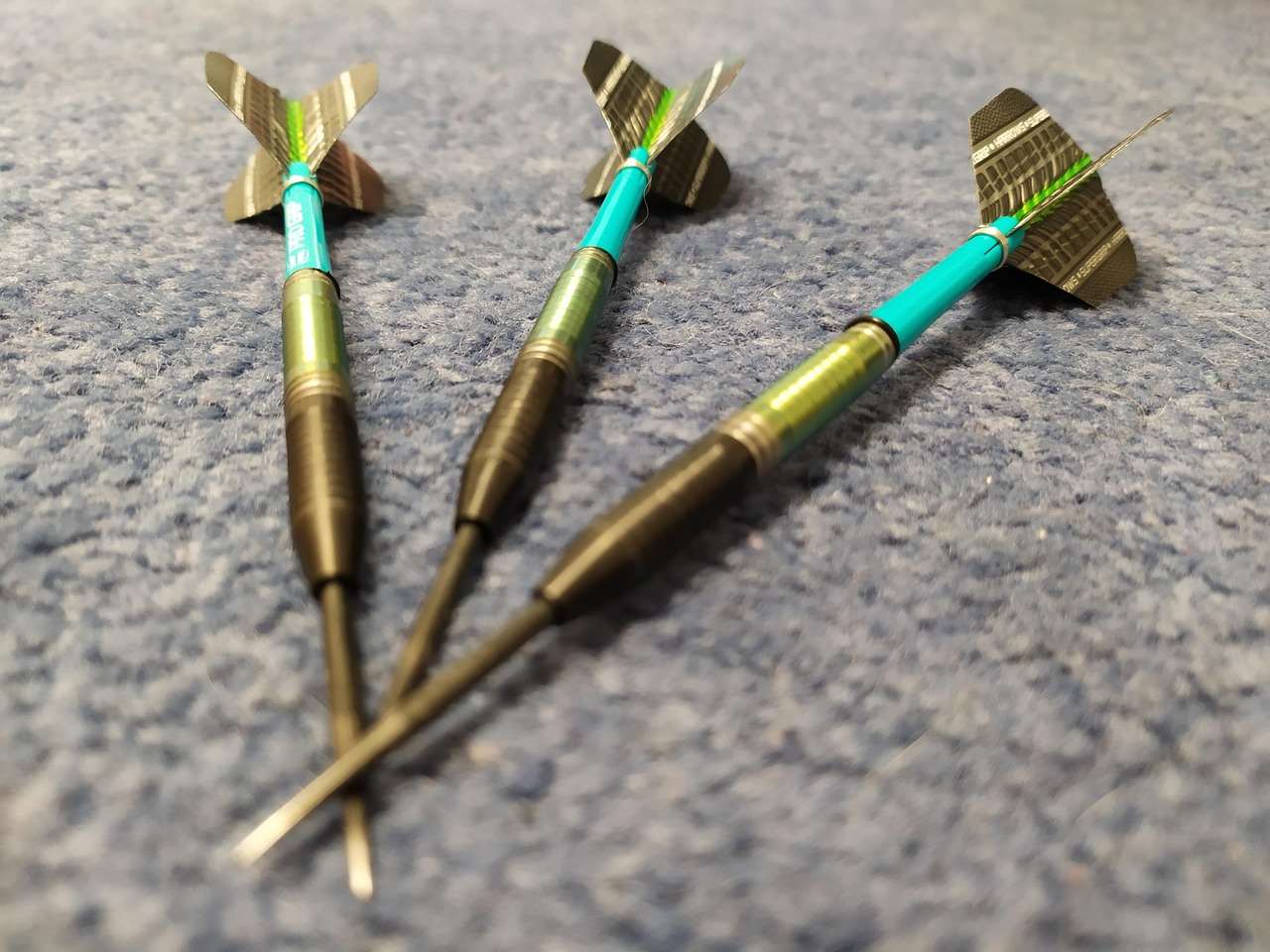
While skill is paramount, the type of darts you use can subtly influence your **bull off** success. Factors to consider include:
- Weight: Experiment with different dart weights to find what feels most comfortable and allows for the most consistent throw.
- Grip: A good grip is essential for accuracy. Choose a dart with a grip that suits your throwing style and provides a secure hold.
- Balance: The balance of the dart can affect its trajectory. Some players prefer front-weighted darts, while others prefer rear-weighted darts.
- Material: Darts are typically made from tungsten or brass. Tungsten darts are denser and more expensive, but they allow for a slimmer barrel and a more consistent grip. Brass darts are more affordable but may not be as durable.
Experiment with different types of darts to find the ones that work best for you. Consider visiting a local darts shop to try out different darts and get advice from experienced players. Understanding how to make darts fairer with handicap rules can also improve the overall playing experience.
The Future of Bull Off Rules
As darts continues to evolve, it’s possible that the **bull off rules** will also change. With the increasing use of technology in darts, we may see more sophisticated methods for determining the starting player, such as computerized scoring systems that take into account factors like dart velocity and angle.
Regardless of how the **bull off rules** evolve, the principles of fair play, sportsmanship, and clear communication will always be essential to a positive darts experience.
Conclusion
Mastering the **bull off rules steel soft tip** game is a gateway to a more enjoyable and competitive darts experience. Understanding the subtle differences between steel tip and soft tip bull offs, handling common scenarios fairly, and honing your bull off throwing technique are all vital. Winning the bull off provides a tangible advantage, and adhering to established rules fosters sportsmanship and prevents disputes. So, take the time to learn and practice the bull off – it’s a small detail that can make a big difference in your game.
Now that you have a better understanding of the bull off, it’s time to put your knowledge into practice! Head down to your local pub, grab your darts, and challenge your friends to a game. Remember to clarify the **bull off rules** beforehand and have fun!

Hi, I’m Dieter, and I created Dartcounter (Dartcounterapp.com). My motivation wasn’t being a darts expert – quite the opposite! When I first started playing, I loved the game but found keeping accurate scores and tracking stats difficult and distracting.
I figured I couldn’t be the only one struggling with this. So, I decided to build a solution: an easy-to-use application that everyone, no matter their experience level, could use to manage scoring effortlessly.
My goal for Dartcounter was simple: let the app handle the numbers – the scoring, the averages, the stats, even checkout suggestions – so players could focus purely on their throw and enjoying the game. It began as a way to solve my own beginner’s problem, and I’m thrilled it has grown into a helpful tool for the wider darts community.