Understanding Bristle Dartboards Construction Explained is key to appreciating their durability and playability; they’re primarily crafted using tightly packed sisal fibers to create a self-healing surface. This article delves into the intricate process of making these boards, covering everything from material selection to final assembly and explores how these choices influence the dartboard’s lifespan and performance.
⚠️ Still Using Pen & Paper (or a Chalkboard)?! ⚠️
Step into the future! The Dart Counter App handles all the scoring, suggests checkouts, and tracks your stats automatically. It's easier than you think!
Try the Smart Dart Counter App FREE!Ready for an upgrade? Click above!
Deconstructing the Dartboard: Understanding the Core Components
Before we dive into the construction process, let’s identify the critical components that make up a bristle dartboard. These components, when assembled correctly, provide the characteristic feel and resilience that dart players expect.
- Sisal Fibers: The heart of the dartboard. We will explore different grades and their impact.
- Backing Board: Usually made of wood or composite material, providing structural support.
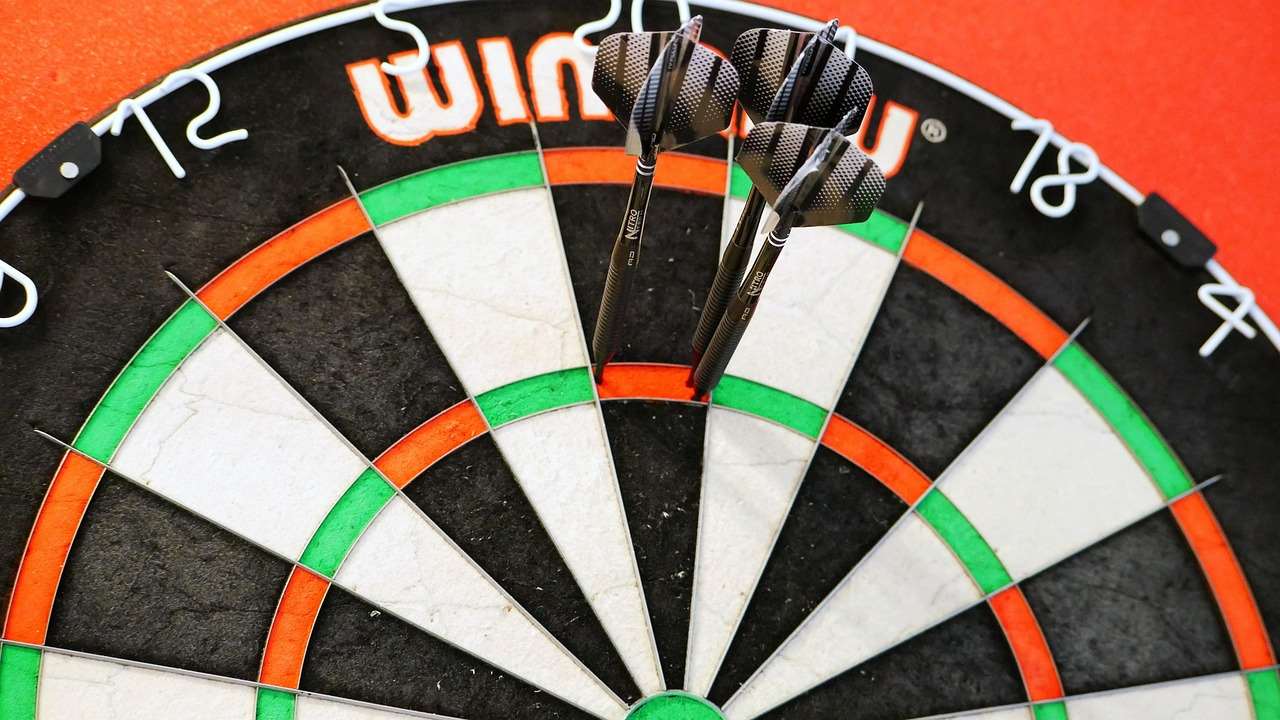
- Metal Wire Web: Defines the scoring segments (doubles, trebles, etc.) and the bullseye.
- Number Ring: Displays the point values for each segment.
- Staples/Clips: Used to secure the wire web to the board (less common in high-quality boards).
Sisal Selection: The Foundation of a Quality Dartboard
The quality of the sisal fibers is paramount in bristle dartboard construction. Sisal is a natural fiber derived from the agave plant. Several factors influence the suitability of sisal for dartboards:
- Fiber Length: Longer fibers generally create a more durable and self-healing surface.
- Fiber Strength: Stronger fibers resist compression and maintain their shape over time.
- Moisture Content: Proper moisture control is essential to prevent warping and cracking.
- Cleanliness: Removal of impurities ensures consistent density and prevents premature wear.
High-end dartboards use premium grade sisal, carefully selected and processed to maximize performance and longevity. Understanding these nuances helps to Choose Best Dart Equipment.
The Manufacturing Process: From Fiber to Finished Product
The journey from raw sisal to a finished dartboard involves several key stages:
- Fiber Preparation: Sisal fibers are cleaned, sorted, and often treated to enhance their properties.
- Compression and Binding: The fibers are then compressed tightly into a cylindrical mold. This process requires immense pressure to achieve the desired density. A binding agent might be used to help hold the fibers together, though high-quality boards rely primarily on compression.
- Cutting and Shaping: The compressed cylinder is then cut into discs, which will become the face of the dartboard. The edges are carefully shaped to create a smooth transition.
- Backing Board Attachment: The sisal disc is securely attached to a backing board, usually made of wood or a composite material, providing essential support.
- Wire Web Installation: The metal wire web, defining the scoring segments, is meticulously positioned and attached to the sisal surface. The quality of the wire and the method of attachment are crucial for minimizing bounce-outs. Staple-free designs are now common, which improves playability.
- Number Ring Placement: The number ring, displaying the point values, is affixed to the outer edge of the board.
The Importance of Wire Design and Construction
The wire web is a critical component influencing scoring accuracy and reducing bounce-outs. Different wire designs exist, each with its advantages:
- Round Wire: Traditional design, but prone to bounce-outs.
- Triangular Wire: Angled design deflects darts into the scoring area.
- Blade Wire: Thin, knife-like design minimizes the surface area, further reducing bounce-outs.
- Spider2 Technology: Incorporates advanced materials and thinner profiles for enhanced performance.
The method of attaching the wire to the board is also crucial. High-quality boards use a staple-free system, embedding the wire directly into the sisal for a cleaner playing surface.
Density and Compression: Achieving Optimal Playability
The density and compression of the sisal fibers directly impact the dartboard’s playability and longevity. Insufficient density results in darts falling out easily and a shorter lifespan. Excessive density can make it difficult for darts to penetrate the surface.
Manufacturers carefully control the compression process to achieve the ideal balance, ensuring that darts stick firmly while still allowing for easy removal. The target density varies depending on the grade of sisal used.
Staple-Free vs. Stapled Dartboards: A Critical Comparison
The presence or absence of staples in the wire web significantly affects the playing experience. Stapled dartboards are generally less expensive but suffer from several drawbacks:
- Increased Bounce-Outs: Staples create obstructions that deflect darts.
- Damaged Darts: Darts can be damaged upon impact with staples.
- Reduced Scoring Area: Staples occupy a portion of the scoring area.
Staple-free dartboards offer a cleaner, more consistent playing surface, minimizing bounce-outs and maximizing scoring potential. While they typically cost more, the improved performance justifies the investment for serious players.
The Impact of Climate and Humidity on Dartboard Lifespan
Environmental factors, particularly humidity and temperature, can significantly impact the lifespan of a bristle dartboard. Excessive humidity can cause the sisal fibers to swell, leading to warping and softening. Dry conditions can cause the fibers to become brittle and crack.
To prolong the lifespan of your dartboard, it’s essential to store it in a climate-controlled environment and rotate it regularly to distribute wear evenly. Investing in a dartboard surround can also help protect the wall behind the board.
Proper Dartboard Maintenance: Extending Its Lifespan
Regular maintenance is crucial for maximizing the lifespan of your bristle dartboard. Here are some essential tips:
- Rotate the Dartboard: Regularly rotate the board to distribute wear evenly across all segments. This prevents certain areas from becoming overly worn while others remain pristine.
- Remove Darts Correctly: Always remove darts by twisting them gently as you pull them out. This prevents damage to the sisal fibers.
- Avoid Moisture: Keep the dartboard dry and avoid exposing it to excessive humidity.
- Clean the Surface: Periodically clean the surface of the board with a soft brush to remove dust and debris.
- Consider Dartboard Lighting: Proper lighting is necessary for good dart play. Look into the Optimal Dartboard Lighting Solutions Guide for helpful tips.
Understanding Dartboard Grades: What to Look For
Dartboards are typically categorized into different grades based on the quality of materials and construction. Higher-grade dartboards generally offer superior performance and longevity. Factors to consider include:
- Sisal Grade: Premium grade sisal offers greater durability and self-healing properties.
- Wire Design: Blade wire and staple-free designs minimize bounce-outs.
- Construction Quality: Look for boards with tight compression and secure wire attachment.
- Warranty: A longer warranty indicates the manufacturer’s confidence in the product’s quality.
Alternatives to Sisal: Exploring Electronic Dartboards
While bristle dartboards are the standard for serious players, electronic dartboards offer a different playing experience. Electronic dartboards use plastic segments with small holes that register the impact of darts. They offer automated scoring and various game options but lack the satisfying feel and self-healing properties of bristle boards. The construction is dramatically different. You won’t be researching Bristle Dartboards Construction Explained with them!
While electronic dartboards can be a fun alternative, nothing truly replaces the authentic experience of playing on a high-quality bristle dartboard. If you want to further improve your play, consider looking into How To Light Your Dartboard.
Final Thoughts on Bristle Dartboards Construction Explained
Understanding Bristle Dartboards Construction Explained unveils the intricate process and careful considerations that go into creating these essential pieces of equipment. From sisal selection to wire design and compression techniques, every detail plays a crucial role in determining the board’s performance and lifespan. By choosing a high-quality dartboard and following proper maintenance practices, you can enjoy years of competitive play. Now that you’re equipped with this knowledge, research a variety of options and select the perfect board for your needs. Good luck and happy darting!

Hi, I’m Dieter, and I created Dartcounter (Dartcounterapp.com). My motivation wasn’t being a darts expert – quite the opposite! When I first started playing, I loved the game but found keeping accurate scores and tracking stats difficult and distracting.
I figured I couldn’t be the only one struggling with this. So, I decided to build a solution: an easy-to-use application that everyone, no matter their experience level, could use to manage scoring effortlessly.
My goal for Dartcounter was simple: let the app handle the numbers – the scoring, the averages, the stats, even checkout suggestions – so players could focus purely on their throw and enjoying the game. It began as a way to solve my own beginner’s problem, and I’m thrilled it has grown into a helpful tool for the wider darts community.