The typical Brass Darts Weight Range usually falls between 16 and 30 grams, offering a budget-friendly entry point for new players. This article explores the reasons behind this weight range, how it impacts your game, and whether brass darts are the right choice for you.
⚠️ Still Using Pen & Paper (or a Chalkboard)?! ⚠️
Step into the future! The Dart Counter App handles all the scoring, suggests checkouts, and tracks your stats automatically. It's easier than you think!
Try the Smart Dart Counter App FREE!Ready for an upgrade? Click above!
Understanding the Brass Darts Weight Range
Brass darts are a popular choice for beginners due to their affordability and widespread availability. A key factor influencing their performance and suitability for different players is their weight. The standard brass darts weight range typically spans from around 16 grams to 30 grams. This range is determined by a few key factors:
- Material Density: Brass is a relatively dense metal, though less so than tungsten. This impacts the overall size of the dart required to achieve a particular weight.
- Manufacturing Cost: Keeping the weight within this range helps manufacturers control production costs, making brass darts accessible to a wide audience.
- Balance and Aerodynamics: Weights within this range allow for a reasonable balance and aerodynamic profile, making the darts easier to throw consistently, particularly for novice players.
Heavier darts, closer to the 30-gram end of the brass darts weight range, tend to fly straighter and are less affected by minor inconsistencies in your throw. Lighter darts, around 16 grams, may be preferred by players who favor a quicker, more flick-like throwing motion. Understanding how weight influences flight is crucial to improving your game. You might also want to Choose Best Dart Equipment based on these factors.

How Brass Dart Weight Affects Your Throw
The weight of your dart directly impacts your throwing style and accuracy. Here’s a breakdown of how different weights within the brass darts weight range can affect your game:
Heavier Brass Darts (26-30 grams):
- More Stable Flight: Heavier darts are less susceptible to wobble and tend to fly straighter, especially for players with less refined throwing techniques.
- Easier to Control: The added weight provides more feedback during your throw, making it easier to control the dart’s trajectory.
- Less Sensitive to Wind: If you play outdoors or in a drafty environment, heavier darts are less likely to be affected by wind resistance.
- Potential Drawbacks: Requires more arm strength and can lead to fatigue if you’re not used to throwing heavier darts.
Lighter Brass Darts (16-22 grams):
- Faster Release: Lighter darts require less effort to throw, allowing for a quicker release.
- More Finesse: Some players find lighter darts easier to manipulate and prefer the added control for subtle adjustments.
- Less Fatigue: Easier on the arm and shoulder, allowing for longer practice sessions without fatigue.
- Potential Drawbacks: More sensitive to inconsistencies in your throw and can be easily deflected by air currents.
Ultimately, the ideal weight within the brass darts weight range depends on your individual throwing style, arm strength, and personal preference. Experimenting with different weights is the best way to find what works best for you.
Choosing the Right Brass Dart Weight Range for Your Skill Level
Selecting the right weight within the brass darts weight range is crucial for optimizing your dart game, especially when you’re starting out. Here are some guidelines based on skill level:
Beginners:
For those new to darts, a mid-range weight (around 22-26 grams) is often recommended. This weight offers a good balance of stability and control, making it easier to develop a consistent throwing motion. Starting with a weight in this range allows beginners to focus on their technique without being overly influenced by dart weight factors. Additionally, understanding Beginner Dart Barrel Materials can help you make an informed decision.
Intermediate Players:
Once you’ve developed a consistent throwing motion, you can start experimenting with different weights within the brass darts weight range. Consider your strengths and weaknesses. If you tend to over-throw, a heavier dart might help you control your power. If you struggle with accuracy, a lighter dart might allow for more finesse. Testing various weights during practice sessions is key to finding what complements your style. You may even start exploring options beyond brass, such as Tungsten Darts Pros Cons.
Advanced Players:
Experienced dart players often have a very specific weight preference based on years of practice and fine-tuning their technique. They understand the nuances of how weight affects their throw and can make subtle adjustments to compensate. At this level, choosing a dart weight within the brass darts weight range (or even transitioning to other materials) is highly personalized and often involves considering factors such as barrel shape, grip, and flight type. Many advanced players move away from brass entirely for the increased density and slimmer barrels of tungsten darts, allowing for tighter groupings.
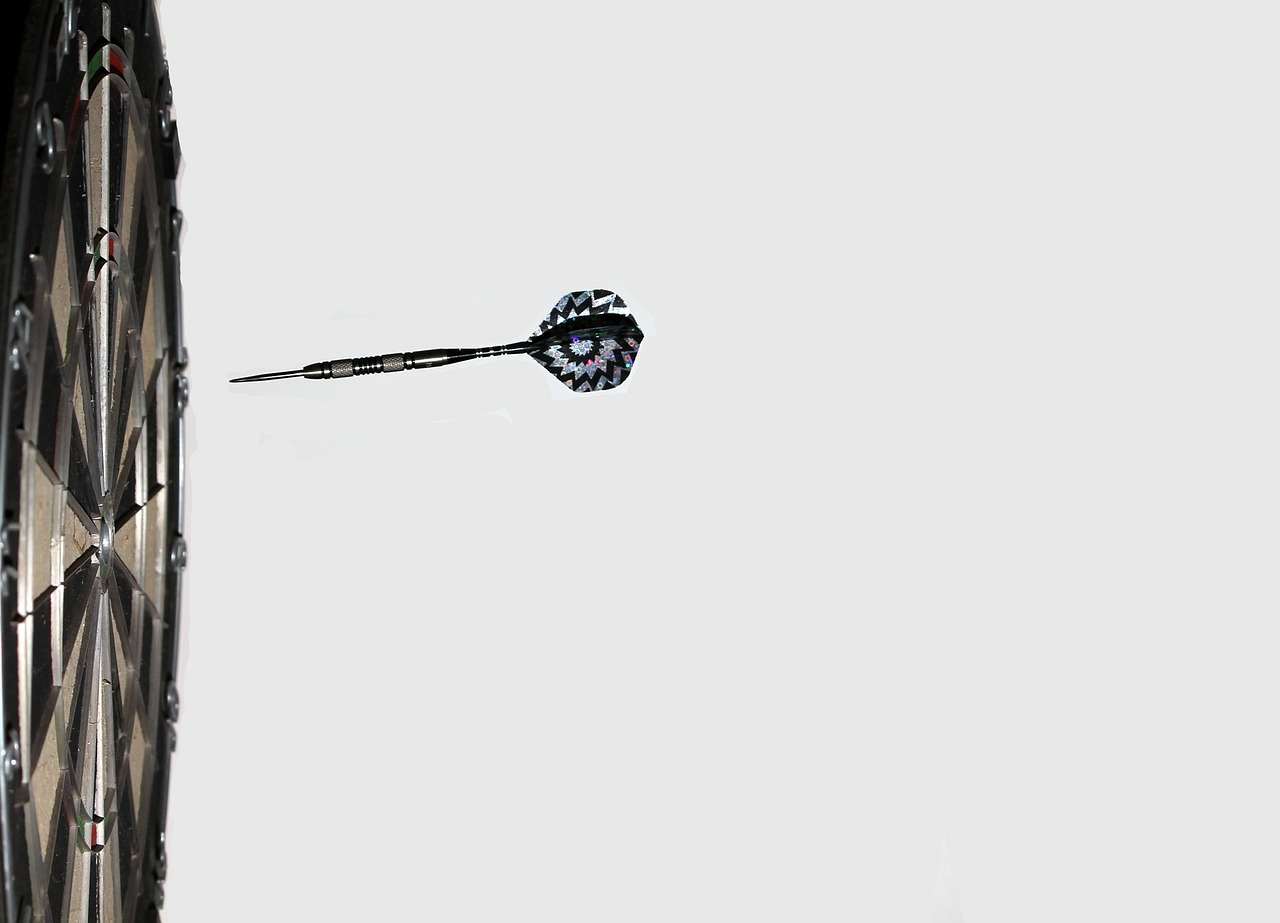
Brass vs. Other Dart Materials: Weight Considerations
While brass darts offer an affordable entry point, it’s important to understand how they compare to other dart materials, particularly tungsten, in terms of weight and performance. Here’s a brief overview:
- Brass: As discussed, brass darts typically fall within the 16-30 gram range. Because of its lower density, a brass dart will be larger in diameter than a tungsten dart of the same weight.
- Tungsten: Tungsten is significantly denser than brass, allowing for much slimmer barrels while maintaining the same weight. This is a major advantage, as it allows for tighter groupings and reduces deflections. Tungsten darts are also available in a wide range of weights, often starting around 18 grams and going up to 26 grams or more. The ability to create slimmer darts is one of the key factors when considering Why Choose Tungsten Darts.
- Nickel Silver: Nickel silver is another material sometimes used in darts. It is denser than brass but less dense than tungsten. Weight ranges vary depending on the manufacturer. Nickel Silver Darts Info can offer more details about this middle-ground option.
The density difference between brass and tungsten is a crucial consideration. A slimmer tungsten dart allows you to group your darts more tightly on the dartboard, potentially increasing your scoring average.
Factors Beyond Weight: Grip, Balance, and Flights
While weight is a significant factor, it’s crucial to remember that it’s not the only element that influences dart performance. Other factors, such as grip, balance, and flight type, also play a vital role.
- Grip: The grip of your dart affects how securely you hold it and how smoothly it releases from your hand. Different grip styles require different barrel designs.
- Balance: The balance point of your dart influences its stability in flight. Front-weighted darts tend to fly straighter, while rear-weighted darts may be preferred by players who like a more arcing trajectory.
- Flights: The shape and size of your flights affect the dart’s aerodynamics and stability. Smaller flights are generally faster, while larger flights provide more stability.
Experimenting with different combinations of these factors can help you fine-tune your dart setup to perfectly match your throwing style.
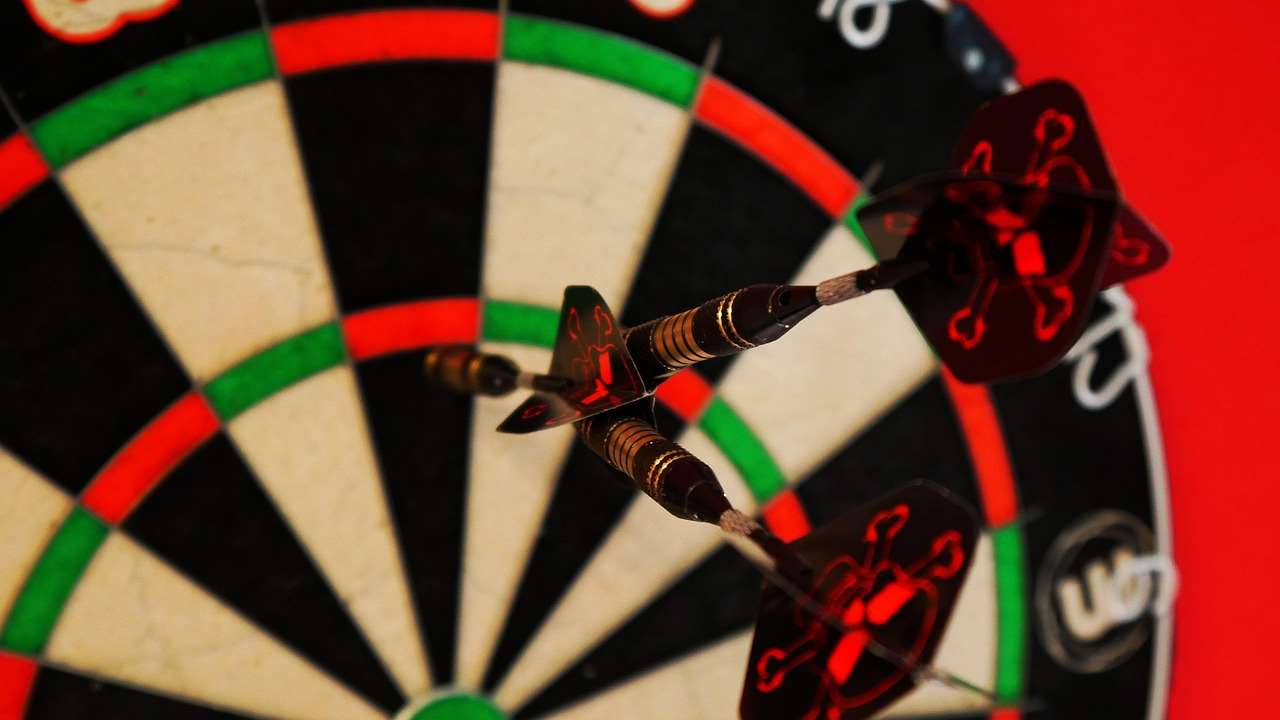
Maintaining Your Brass Darts
To ensure your brass darts perform optimally and last as long as possible, regular maintenance is essential. Here are some tips:
- Cleaning: Clean your darts regularly with a soft cloth to remove dirt, oil, and grime.
- Sharpening: Use a dart sharpener to keep the points sharp. This will help them penetrate the dartboard more easily and reduce bounce-outs.
- Re-pointing: If the points become damaged or excessively worn, replace them with new ones.
- Flight Care: Replace damaged or worn flights immediately, as they can significantly affect the dart’s flight characteristics.
Proper maintenance will not only extend the life of your darts but also help maintain their accuracy and performance.
Transitioning from Brass Darts: When to Consider an Upgrade
While brass darts serve as an excellent starting point, there may come a time when you consider upgrading to a different material, such as tungsten. Here are some signs that it might be time for an upgrade:
- Inconsistent Groupings: If you find that your darts are not grouping as tightly as you’d like, even with consistent technique, the larger barrel size of brass darts may be limiting you.
- Deflections: Frequent deflections off other darts are another indication that slimmer tungsten barrels could improve your game.
- Desire for a More Premium Feel: Tungsten darts often have a more refined feel and offer a wider range of grip and balance options.
- Serious Competition: If you’re starting to compete more seriously, the marginal gains offered by tungsten darts can make a difference.
Making the switch can be beneficial for experienced players seeking enhanced performance. Consider exploring options for Cheap Dart Materials Guide if budget is a concern during the upgrade process.
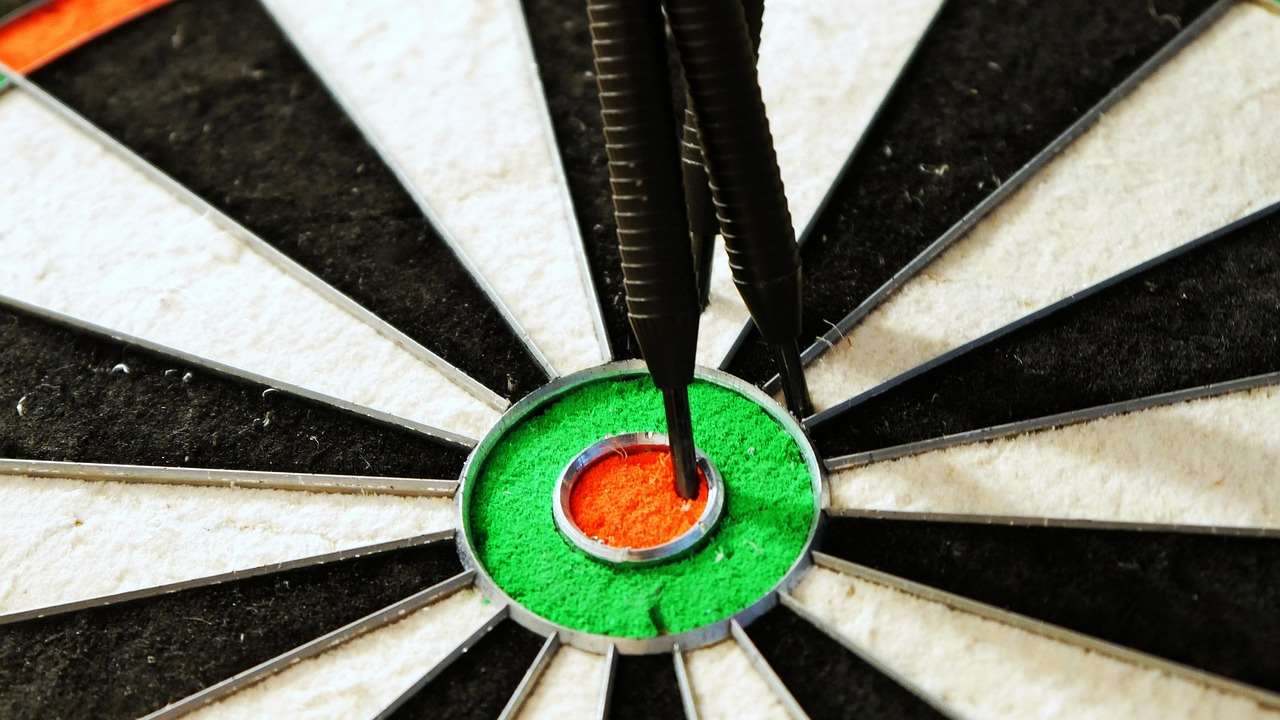
Finding Your Perfect Brass Dart Weight: Experimentation is Key
Ultimately, the best way to find the ideal weight within the brass darts weight range is to experiment. Try different weights and see how they feel in your hand and how they fly when you throw them. Consider visiting a local darts shop where you can try out different darts before you buy them. Don’t be afraid to experiment and adjust your setup until you find what works best for you. Factors such as Choose Right Dart Material should be considered as you experiment.
Conclusion
The Brass Darts Weight Range offers a solid foundation for players of all skill levels, particularly beginners. Understanding how weight impacts your throw and experimenting with different options within the range is crucial to improving your game. While other factors like grip, balance, and flights also play a significant role, choosing the right weight is a critical first step. As you progress, consider whether an upgrade to a denser material like tungsten might further enhance your performance. Ready to find your perfect set? Visit your local dart shop or browse online retailers to explore the available options and start experimenting today!

Hi, I’m Dieter, and I created Dartcounter (Dartcounterapp.com). My motivation wasn’t being a darts expert – quite the opposite! When I first started playing, I loved the game but found keeping accurate scores and tracking stats difficult and distracting.
I figured I couldn’t be the only one struggling with this. So, I decided to build a solution: an easy-to-use application that everyone, no matter their experience level, could use to manage scoring effortlessly.
My goal for Dartcounter was simple: let the app handle the numbers – the scoring, the averages, the stats, even checkout suggestions – so players could focus purely on their throw and enjoying the game. It began as a way to solve my own beginner’s problem, and I’m thrilled it has grown into a helpful tool for the wider darts community.