Achieving consistent dart throws hinges significantly on selecting the best shaft for dart consistency; a medium-length, nylon shaft is often the sweet spot for many players due to its balance of stability and forgiveness. This article explores various dart shaft materials, lengths, and grip styles to help you fine-tune your setup for optimal accuracy and repeatability on the oche.
⚠️ Still Using Pen & Paper (or a Chalkboard)?! ⚠️
Step into the future! The Dart Counter App handles all the scoring, suggests checkouts, and tracks your stats automatically. It's easier than you think!
Try the Smart Dart Counter App FREE!Ready for an upgrade? Click above!
Understanding Dart Shafts and Their Impact on Consistency
Dart shafts, sometimes called stems, are a crucial component of your dart setup. They connect the flight to the barrel and play a major role in the dart’s flight path and stability. The right shaft can dramatically improve your grouping and overall scoring, while the wrong one can lead to erratic throws and frustration. Understanding the different aspects of dart shafts is the first step in finding the best shaft for dart consistency for your unique throwing style.
Several factors contribute to a shaft’s performance. These include:
- Length: Affects the dart’s center of gravity and stability.
- Material: Impacts durability and weight.
- Grip: Can influence how consistently you release the dart.
- Threading: Determines compatibility with your dart barrel.
Material Matters: Shaft Materials and Their Properties
Dart shafts are typically made from one of a few materials, each with distinct advantages and disadvantages. The most common materials are nylon, aluminum, and carbon fiber. Let’s examine each in detail.
Nylon Shafts
Nylon shafts are a popular choice for both beginners and experienced players due to their affordability and durability. They offer a good balance of flexibility and stiffness, making them relatively forgiving if your throw isn’t perfect. Nylon shafts are also lightweight, which can help maintain a balanced dart setup. One downside is that they can be prone to breaking upon impact with the floor or other darts.

Aluminum Shafts
Aluminum shafts are more durable than nylon shafts and provide a more rigid feel. This can be beneficial for players who prefer a more stable dart flight. However, aluminum shafts are also heavier than nylon, which can alter the dart’s overall balance. They are also more susceptible to bending if dropped or hit hard. A significant advantage of aluminum shafts is their ability to be precisely machined, leading to consistent dimensions and improved accuracy. Consider reviewing Choose Best Dart Equipment for more insight.
Carbon Fiber Shafts
Carbon fiber shafts are the most expensive option but offer the best combination of strength and lightweight performance. They are incredibly durable and resistant to bending or breaking. Carbon fiber shafts are also very stiff, providing a stable and consistent flight path. However, their higher price point may not be justifiable for all players. Many serious players feel that the added consistency from carbon fiber dart shafts makes the investment worthwhile.
Shaft Length: Finding the Right Fit for Your Throw
The length of your dart shaft significantly affects the dart’s flight trajectory and stability. Experimenting with different lengths is key to finding what works best for your individual throwing style.
- Short Shafts: Tend to make the dart fly straighter but can be less forgiving of off-center throws. They shift the center of gravity forward.
- Medium Shafts: Offer a good balance between stability and forgiveness and are often considered a good starting point for most players.
- Long Shafts: Can help stabilize the dart in flight, especially for players with a looping or arcing throw. They move the center of gravity further back.
It’s important to note that there’s no “one size fits all” solution. Your ideal shaft length will depend on your grip, throwing motion, and personal preferences. Many professionals use Reduce Dartboard Shadows Effectively to ensure consistency.
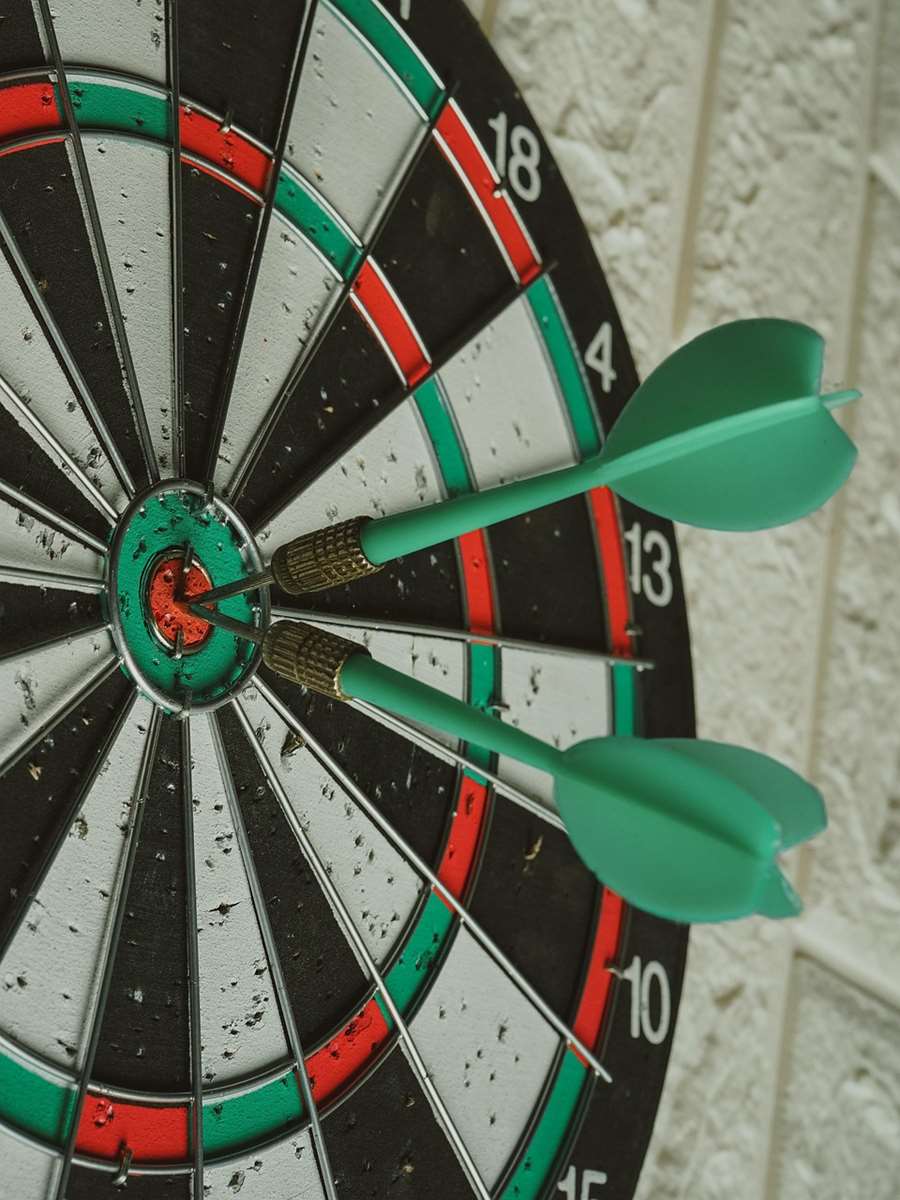
Grip Matters: Textured and Smooth Shafts
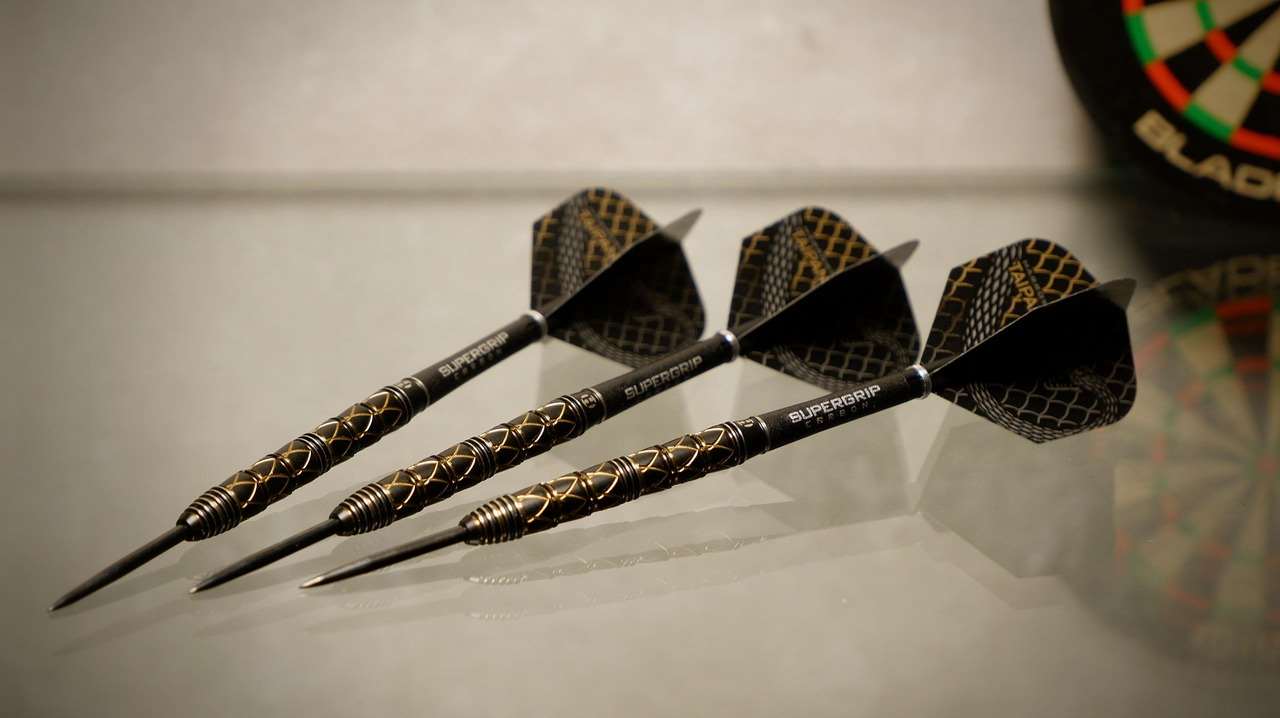
The grip of your dart shaft can also affect your consistency. Some shafts feature textured surfaces to provide a more secure grip, while others are smooth. Your choice will depend on your personal preference and how much grip you typically use when throwing. Those who use more force and wrist action could benefit from a textured grip.
- Textured Shafts: Offer a more secure grip, which can be helpful for players who tend to grip the dart tightly. This can lead to more consistent release points.
- Smooth Shafts: Allow for a cleaner release, which can be beneficial for players who prefer a looser grip. This might reduce unwanted spin or wobble during flight.
Consider experimenting with both types to see which feels more comfortable and provides better results. Many players find that a slight texture provides the ideal balance between grip and release.
Threading and Compatibility: Ensuring a Secure Fit
Dart shafts come in various threading sizes, so it’s crucial to ensure that your shafts are compatible with your dart barrels. The most common threading sizes are 2BA (small) and 1/4″ (large). Most steel-tip darts use 2BA threading, while some soft-tip darts use 1/4″ threading. Always check the threading size of your dart barrels before purchasing new shafts. A loose or wobbly shaft can severely impact your accuracy and lead to inconsistent throws. Ensuring proper How To Light Your Dartboard improves visibility of your darts, further enhancing consistency.
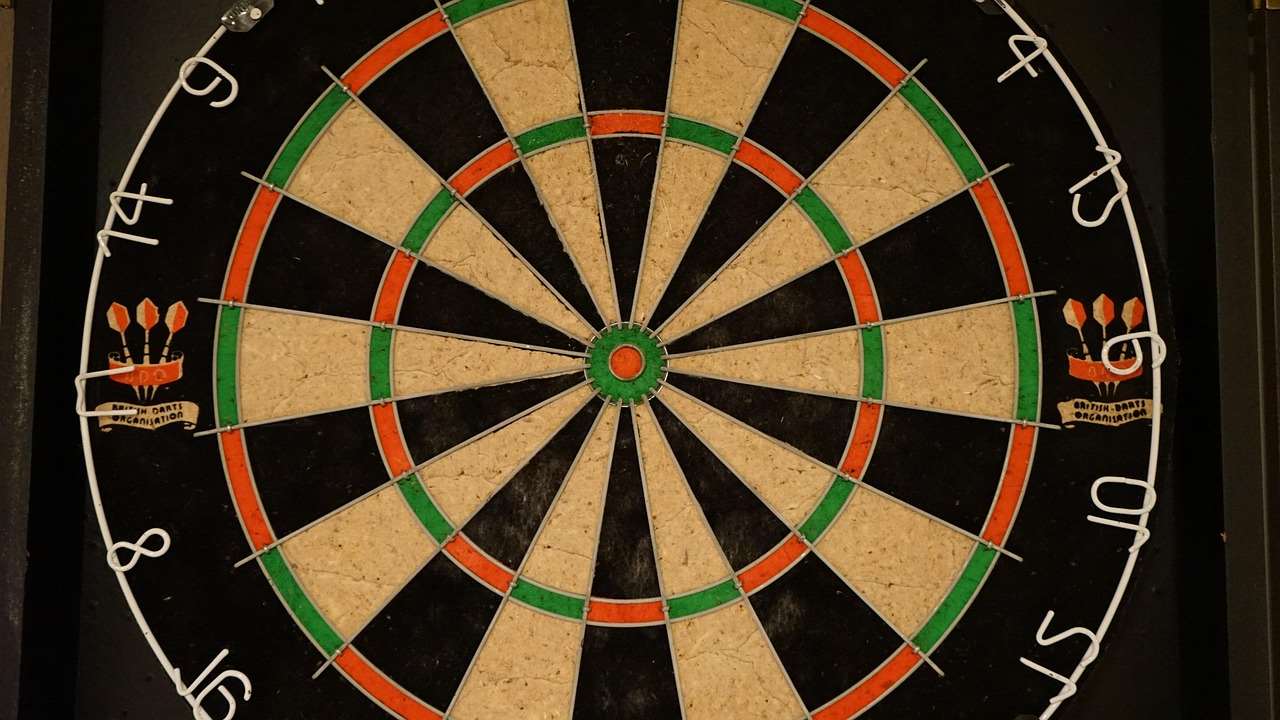
Fine-Tuning Your Setup: Experimentation is Key
Finding the best shaft for dart consistency is an iterative process that requires experimentation. Don’t be afraid to try different materials, lengths, and grip styles until you find the combination that works best for you. Here are some tips to help you fine-tune your setup:
- Start with medium-length nylon shafts: These are a good starting point for most players and provide a balanced feel.
- Experiment with different lengths: Try shorter and longer shafts to see how they affect your dart’s flight path.
- Consider your grip: Choose textured or smooth shafts based on your preferred grip style.
- Pay attention to your dart’s flight: Observe how your dart flies and make adjustments accordingly.
- Don’t be afraid to mix and match: You can even use different shafts for different darts if it improves your consistency.
Remember that what works for one player may not work for another. The key is to find a setup that feels comfortable and allows you to throw consistently.
Maintaining Your Dart Shafts: Extending Their Lifespan
Proper maintenance can significantly extend the lifespan of your dart shafts and ensure consistent performance. Here are some tips for maintaining your shafts:
- Check for loose flights: Tighten loose flights regularly to prevent them from falling out during throws.
- Replace damaged shafts: Replace any bent, cracked, or broken shafts immediately.
- Use shaft protectors: Shaft protectors can help prevent your shafts from breaking upon impact with the floor or other darts.
- Clean your shafts: Clean your shafts regularly with a soft cloth to remove dirt and debris.
Related Keywords: Exploring Other Factors Influencing Dart Consistency
While choosing the best shaft for dart consistency is crucial, other factors can also influence your accuracy and repeatability. These include:
- Dart weight: The overall weight of your dart can affect its stability and flight path.
- Barrel shape: The shape of your dart barrel can impact your grip and release.
- Flight shape and size: Different flight shapes and sizes can affect the dart’s aerodynamic properties.
- Stance and grip: Your stance and grip are fundamental to a consistent throw.
- Follow-through: A consistent follow-through is essential for maintaining accuracy.
By addressing these factors in addition to choosing the right shaft, you can significantly improve your overall dart game. Enhancing your game requires Optimal Dartboard Lighting Solutions Guide that allows you to see the target clearly.
The Impact of Dart Flights on Shaft Performance
The dart flight works in tandem with the shaft to stabilize the dart during its trajectory. Understanding this relationship is important for maximizing dart consistency. Smaller flights offer less drag and quicker dart speeds, while larger flights provide more stability, especially for those with powerful throws. The material also plays a role, with thicker flights offering more durability but potentially increasing drag. Combining the correct flight size and material with the best shaft for dart consistency will provide optimal balance and improved scores.
Conclusion: Finding Your Perfect Dart Shaft
Selecting the best shaft for dart consistency requires careful consideration of material, length, grip, and compatibility. While a medium-length nylon shaft is often a great starting point, experimenting with different options is crucial to finding what works best for your unique throwing style. Remember to maintain your shafts properly and consider other factors like dart weight and flight shape to further enhance your accuracy and repeatability. Now, go out there, experiment with different shafts, and discover the perfect setup to elevate your dart game!

Hi, I’m Dieter, and I created Dartcounter (Dartcounterapp.com). My motivation wasn’t being a darts expert – quite the opposite! When I first started playing, I loved the game but found keeping accurate scores and tracking stats difficult and distracting.
I figured I couldn’t be the only one struggling with this. So, I decided to build a solution: an easy-to-use application that everyone, no matter their experience level, could use to manage scoring effortlessly.
My goal for Dartcounter was simple: let the app handle the numbers – the scoring, the averages, the stats, even checkout suggestions – so players could focus purely on their throw and enjoying the game. It began as a way to solve my own beginner’s problem, and I’m thrilled it has grown into a helpful tool for the wider darts community.