The secret to consistent darts performance lies in focused practice; specifically, targeting the best darts practice hitting numbers – the 20, 19, and bullseye – will yield the most significant improvements. This article will explore effective practice routines, target prioritization, and mental strategies to help you dramatically enhance your scoring ability and consistency on the dartboard.
⚠️ Still Using Pen & Paper (or a Chalkboard)?! ⚠️
Step into the future! The Dart Counter App handles all the scoring, suggests checkouts, and tracks your stats automatically. It's easier than you think!
Try the Smart Dart Counter App FREE!Ready for an upgrade? Click above!
Why Focus on Specific Numbers for Darts Practice?
Many beginners randomly throw darts without a clear strategy. While this can be fun, it’s not the most efficient way to improve. Focusing your practice on a few key numbers allows you to develop muscle memory and build consistency. The 20 is the highest single score, making it the most logical target for maximizing your points. The 19 is also critical because it provides a bailout option if you miss the 20 treble. Finally, the bullseye offers a high score and a reliable way to finish games.
By dedicating your practice sessions to these numbers, you’ll see improvements in your accuracy and consistency, which will translate to better performance during games.
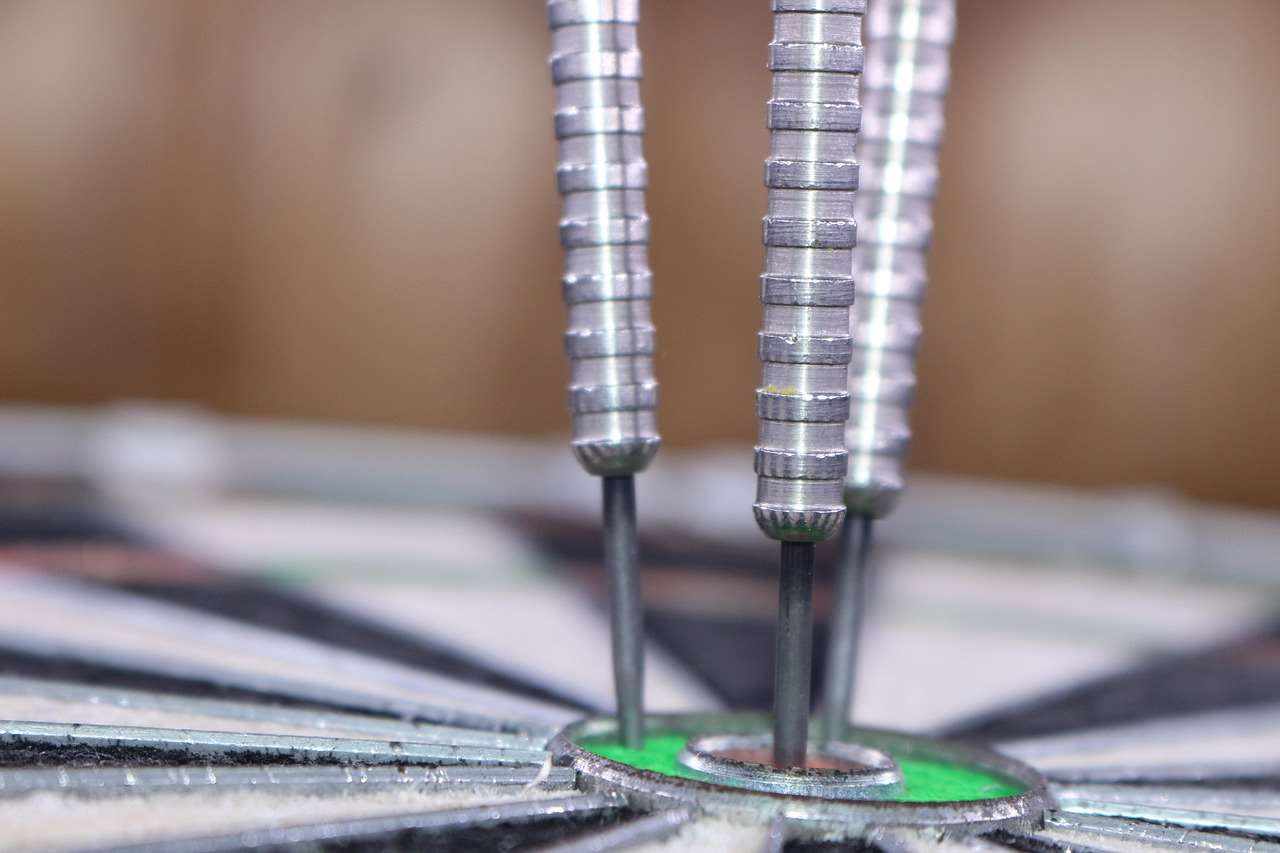
The 20s Sector: King of the Board
The 20s sector is arguably the most important target in darts. Hitting treble 20s (T20s) allows you to score 60 points per dart, quickly racking up points and pressuring your opponent. Even hitting a single 20 consistently is a good foundation.
Effective Practice Drills for the 20s
- The Round the Clock Drill: Start by throwing at the single 20. Once you hit it, move to the treble 20. Then, move to the double 20. Repeat this sequence. This drill improves your accuracy in all areas of the 20s sector.
- The 20s Only Game: Play a game where you can only score points by hitting the 20s sector. This forces you to focus intensely on your target and develop accuracy.
- The Recovery Drill: Throw three darts at the treble 20. If you miss, immediately throw another three darts at the same target. This drill helps you recover from mistakes and maintain focus.
Remember to focus on your stance, grip, and release. Consistency in these areas is crucial for accurate dart throwing. Also, consider exploring Darts Variants Fun Games for added variety during practice.
The 19s Sector: Your Reliable Backup
The 19s sector is often overlooked, but it’s a valuable target for several reasons. Firstly, it provides a bailout option if you miss the 20s treble. A slight miss to the left of the T20 can often land in the T19, scoring 57 points – still a very respectable score. Secondly, it’s useful for setting up finishes, especially when you need an odd number to complete a checkout.
Practice Strategies for the 19s
- Alternating Practice: Alternate between throwing three darts at the 20s and three darts at the 19s. This helps you develop accuracy in both sectors.
- The “Even Number” Game: Aim for the 19s to leave yourself with an even number for your next throw. For example, if you have 101 left, hitting a single 19 leaves you with 82, which can be finished with a T20 and a D11.
- Miss Recovery on the 19s: Intentionally aim at the 20s and try to recover on the 19s when you miss. This simulates real game scenarios.
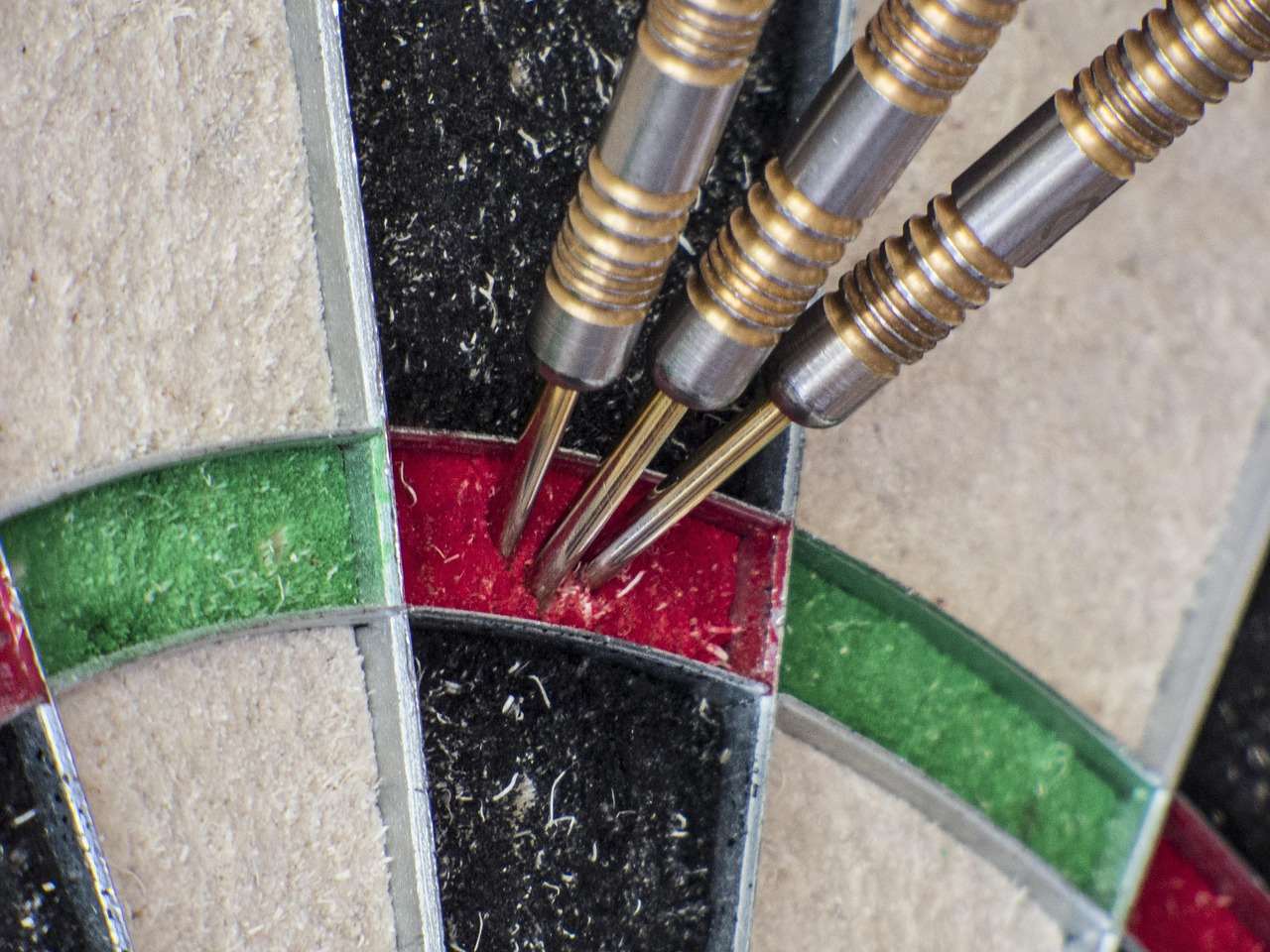
Bullseye: The Ultimate Target
The bullseye is worth 50 points (25 for the single bull), making it a high-value target. It’s particularly useful for finishing games quickly and efficiently. While the treble 20 offers a higher potential score per dart, the bullseye is often a more accessible target, especially under pressure.
Bullseye Practice Regimen
- The Bullseye Challenge: Throw darts only at the bullseye for a set period. Track your accuracy and aim to improve over time.
- Checkout Practice: Practice finishing games using the bullseye. For example, if you have 50 left, aim for the bullseye. If you have 25 left, aim for the single bull.
- The Mixed Target Drill: Alternate between throwing three darts at the 20s, three darts at the 19s, and three darts at the bullseye. This keeps your practice varied and engaging.
Building a Comprehensive Practice Routine
Consistency is the key to improvement in darts. A well-structured practice routine should include a combination of the drills mentioned above, tailored to your individual needs and weaknesses. Consider these key elements:
- Warm-up: Start each practice session with a warm-up to get your muscles and mind ready. Throw a few darts at random targets to loosen up.
- Targeted Practice: Dedicate specific time to practicing each of the key numbers (20, 19, and bullseye).
- Game Simulation: Incorporate game scenarios into your practice to simulate the pressure of competition.
- Cool-down: End each practice session with a cool-down to prevent muscle soreness.
Remember to track your progress and adjust your routine as needed. Monitor your accuracy, consistency, and scoring average to identify areas for improvement. Also, think about how to scaling dart game difficulty can help you improve, too.
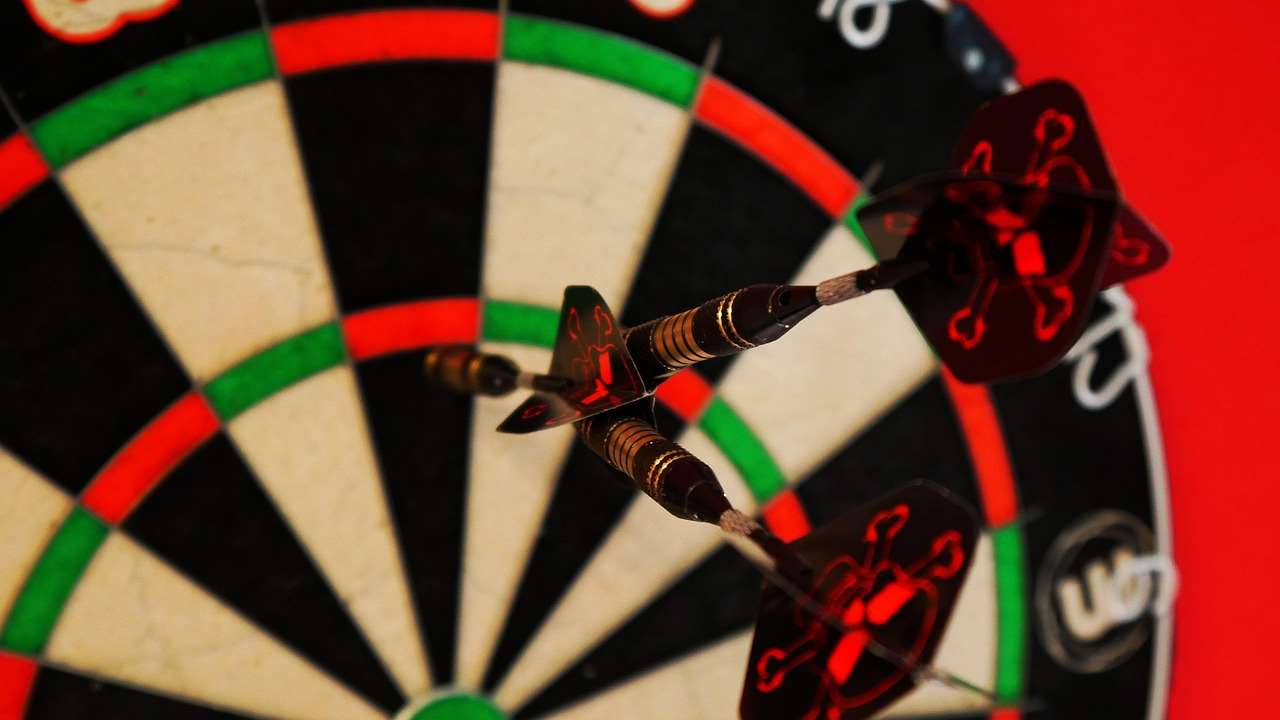
Mental Game and Focus
Darts is not just a physical game; it’s also a mental game. Maintaining focus and a positive attitude are crucial for success. Distractions, pressure, and negative thoughts can all negatively impact your performance. Here are some tips for improving your mental game:
- Visualization: Before each throw, visualize the dart hitting your target. This can help improve your focus and accuracy.
- Positive Self-Talk: Replace negative thoughts with positive affirmations. Remind yourself of your skills and abilities.
- Deep Breathing: Take a few deep breaths to calm your nerves and focus your mind.
- Acceptance: Accept that you will miss some throws. Don’t dwell on your mistakes; instead, learn from them and move on.
Developing a strong mental game takes time and effort, but it’s well worth the investment. A focused and confident mindset can make a significant difference in your performance.
Equipment and Setup
Having the right equipment and a properly set up dartboard can also contribute to your success. Invest in a set of darts that feel comfortable in your hand and suit your throwing style. Ensure that your dartboard is mounted at the correct height (5 feet 8 inches to the bullseye) and distance (7 feet 9 1/4 inches from the oche to the face of the board). Good lighting is also essential for clear visibility. Consider factors like how to Adjusting dart game rules if needed for practice.
Experiment with different weights, shapes, and materials to find the perfect darts for you. A well-maintained dartboard and a comfortable playing environment can enhance your practice sessions and improve your overall performance.

Advanced Practice Techniques for Hitting Key Numbers
Once you have a solid foundation in the basic drills, you can move on to more advanced techniques to further refine your skills. These techniques are designed to challenge you and push you beyond your comfort zone.
- Grouping Practice: Focus on grouping your darts tightly around the target, even if you don’t hit the treble. This will improve your consistency and accuracy over time.
- Breakpoint Practice: Identify specific breakpoints in your throwing motion and work on refining those areas. For example, if you tend to release the dart too early, focus on delaying your release point.
- Pressure Practice: Simulate the pressure of competition by setting specific goals and rewarding yourself for achieving them. For example, you could give yourself a small treat every time you hit three treble 20s in a row.
Analyzing Your Performance
Regularly analyzing your performance is essential for identifying areas where you can improve. Keep track of your scores, your accuracy, and your consistency. Look for patterns in your throws and identify any weaknesses that you need to address.
Consider using a darts scoring app or a spreadsheet to track your progress. These tools can provide valuable insights into your performance and help you identify areas where you can focus your practice efforts. Reflecting on Beginner vs pro dart game rules can also help.
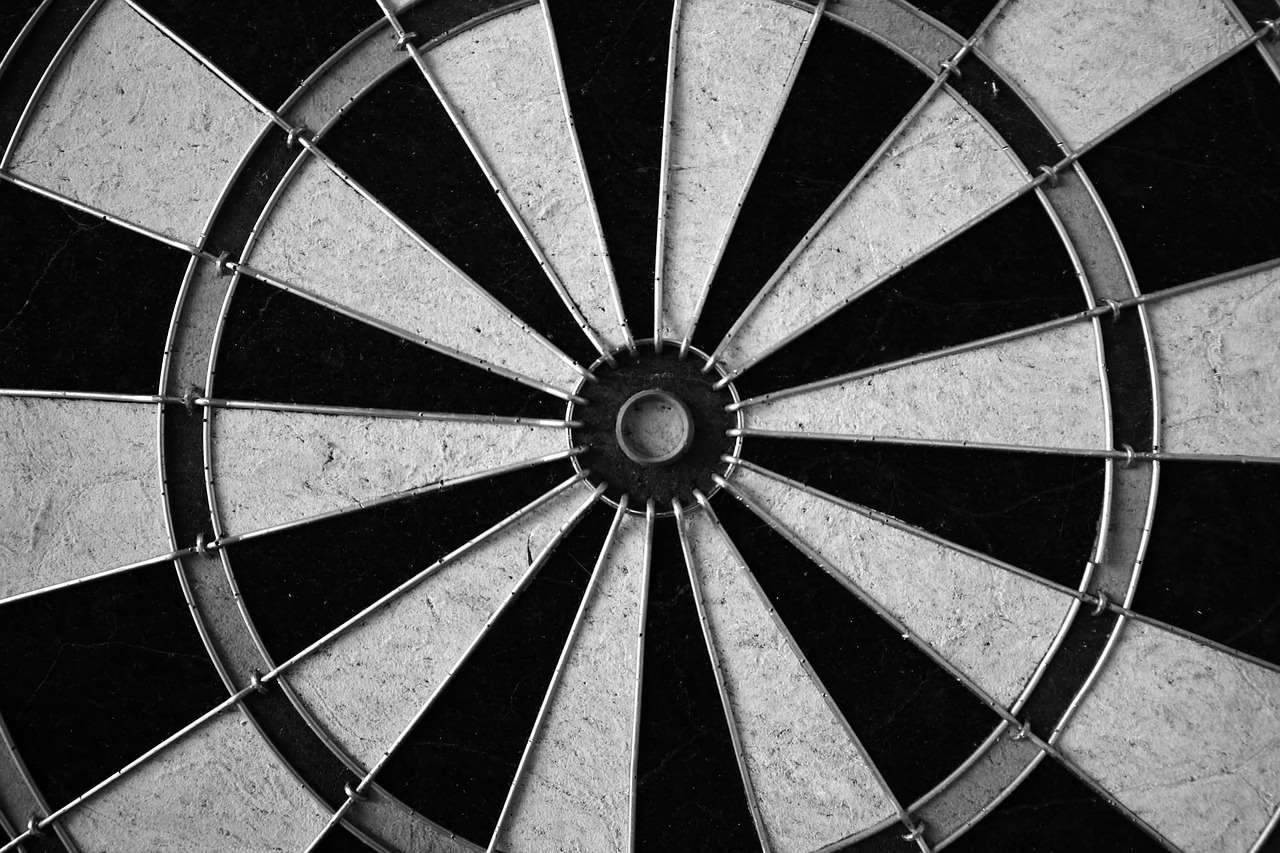
Best Darts Practice Hitting Numbers: A Summary
Improving your darts game requires dedication, focused practice, and a strategic approach. By concentrating on the best darts practice hitting numbers – the 20s, 19s, and bullseye – you can maximize your scoring potential and develop greater consistency. Remember to incorporate a variety of practice drills, maintain a positive mental attitude, and analyze your performance regularly. With consistent effort and a commitment to improvement, you can take your darts game to the next level.
Key Takeaways: Best Darts Practice Hitting Numbers
- Prioritize the 20s sector for maximizing your score.
- Use the 19s sector as a backup and for setting up finishes.
- Master the bullseye for quick and efficient checkouts.
- Develop a structured practice routine with warm-up and cool-down periods.
- Cultivate a strong mental game and maintain focus.
Ready to Elevate Your Darts Game?
Start implementing these practice techniques today and watch your skills soar. Consistent practice targeting key numbers like the 20, 19, and bullseye will undoubtedly lead to significant improvements in your darts game. Good luck, and happy throwing!

Hi, I’m Dieter, and I created Dartcounter (Dartcounterapp.com). My motivation wasn’t being a darts expert – quite the opposite! When I first started playing, I loved the game but found keeping accurate scores and tracking stats difficult and distracting.
I figured I couldn’t be the only one struggling with this. So, I decided to build a solution: an easy-to-use application that everyone, no matter their experience level, could use to manage scoring effortlessly.
My goal for Dartcounter was simple: let the app handle the numbers – the scoring, the averages, the stats, even checkout suggestions – so players could focus purely on their throw and enjoying the game. It began as a way to solve my own beginner’s problem, and I’m thrilled it has grown into a helpful tool for the wider darts community.