Finding the best dart sharpener can significantly improve your dart game by ensuring consistent point angles for fewer bounce-outs and better board grip. This comprehensive Best Dart Sharpeners Review will explore various types of sharpeners, their pros and cons, and help you choose the right one for your needs, covering everything from basic stone sharpeners to more advanced models.
⚠️ Still Using Pen & Paper (or a Chalkboard)?! ⚠️
Step into the future! The Dart Counter App handles all the scoring, suggests checkouts, and tracks your stats automatically. It's easier than you think!
Try the Smart Dart Counter App FREE!Ready for an upgrade? Click above!
Why You Need a Dart Sharpener
A sharp dart point is essential for accurate darting. Over time, dart points become dull from repeated impacts with the dartboard and other surfaces. A dull point increases the likelihood of bounce-outs, which can be frustrating and negatively affect your score. Regular sharpening restores the point to its optimal condition, allowing it to penetrate the dartboard more effectively and consistently. Ignoring this aspect of dart maintenance can lead to inconsistent throws and a generally less enjoyable experience. Furthermore, a sharp point helps to maintain the integrity of your dartboard by reducing the amount of force required to penetrate the sisal fibers.
Consider this: each bounce-out is a missed opportunity. Sharpening your darts is a small investment that can yield significant improvements in your performance. It’s also a preventative measure; a well-maintained dart point is less likely to break or bend, saving you money on replacements in the long run.
Types of Dart Sharpeners: A Comprehensive Overview
There are several types of dart sharpeners available, each with its own advantages and disadvantages. Understanding these differences is crucial for making an informed decision. The most common types include:
- Stone Sharpeners: These are typically made of abrasive stone, such as aluminum oxide or silicon carbide. They are relatively inexpensive and easy to use. Stone sharpeners are suitable for basic point maintenance and can effectively remove minor burrs and flatten the point. However, they may not be as effective for more severe damage.
- Diamond Sharpeners: Diamond sharpeners utilize a diamond-coated surface for more aggressive sharpening. They are more effective at removing material and can restore a badly damaged point more quickly. Diamond sharpeners are generally more expensive than stone sharpeners, but their increased efficiency can make them a worthwhile investment.
- File Sharpeners: File sharpeners, also known as steel sharpeners, use a steel file with ridges or grooves to grind the dart point. They’re durable and suitable for shaping and sharpening points and can often be used to create a more acute point angle.
- Electric Sharpeners: Electric sharpeners offer the convenience of automated sharpening. They typically feature rotating abrasive wheels or belts that quickly and evenly sharpen the dart point. Electric sharpeners can be more expensive, but they can save time and effort, especially for players who frequently sharpen their darts.
- Multi-Tool Sharpeners: These combine multiple sharpening surfaces and tools into one compact device. They may include stone, diamond, and file surfaces, offering versatility for different types of point damage. Multi-tool sharpeners are a good option for players who want a comprehensive sharpening solution.
Choosing the right type depends on your budget, frequency of use, and the condition of your darts. For occasional maintenance, a stone sharpener might suffice. For more serious sharpening needs, a diamond or electric sharpener could be a better choice.
Selecting the Right Grit for Your Dart Sharpener
Grit refers to the coarseness of the abrasive material on the sharpener. A coarser grit is more aggressive and removes material more quickly, while a finer grit produces a smoother finish. When choosing a dart sharpener, consider the following grit recommendations:
- Coarse Grit (100-200): Ideal for repairing severely damaged or blunt points. Use sparingly and with caution, as it can remove too much material if overused.
- Medium Grit (300-600): Suitable for general sharpening and removing minor burrs. This is a good all-purpose grit for maintaining the shape of your dart point.
- Fine Grit (800+): Used for honing and polishing the dart point after sharpening with a coarser grit. This creates a smooth, sharp edge that promotes better dartboard penetration.
Many sharpeners feature multiple grit surfaces, allowing you to perform a complete sharpening process from start to finish. Start with a coarser grit to reshape the point and then move to a finer grit for a polished finish.
How to Use a Dart Sharpener: A Step-by-Step Guide
Using a dart sharpener correctly is essential for achieving optimal results and preventing damage to your darts. Here’s a step-by-step guide:
- Inspect the Dart Point: Examine the dart point for any signs of damage, such as burrs, flattening, or bending. This will help you determine the appropriate sharpening method and grit.
- Secure the Dart: Hold the dart securely in your hand, ensuring a firm grip. You can also use a dart holder or clamp to stabilize the dart during sharpening.
- Sharpening Process: Hold the sharpener steady and gently rotate the dart point against the abrasive surface. Apply light pressure and maintain a consistent angle. Avoid pressing too hard, as this can damage the point or the sharpener.
- Consistent Rotation: When using a stone, diamond, or file sharpener, rotate the dart point continuously to ensure even sharpening. This prevents the point from becoming uneven or lopsided.
- Multiple Passes: Make several passes over the sharpener, checking the point frequently to assess your progress. Continue until the point is sharp and free of burrs.
- Honing and Polishing: If your sharpener has a fine-grit surface, use it to hone and polish the dart point after sharpening with a coarser grit. This will create a smoother, sharper edge.
- Test the Point: After sharpening, test the point by gently pressing it against a piece of paper or cardboard. The point should easily penetrate the surface without slipping or skipping.
- Clean the Dart: Wipe the dart point with a clean cloth to remove any metal filings or debris. This will prevent the debris from contaminating the dartboard.
Remember to practice patience and use a steady hand. With proper technique, you can restore your dart points to their optimal condition and improve your darting performance. We should not forget the importance of **consistent dart maintenance** in the longevity of our dart equipment. For information about other dart equipment see: Choose Best Dart Equipment.
Top Dart Sharpener Brands to Consider
Several reputable brands offer high-quality dart sharpeners. Some of the top brands to consider include:
- Winmau: Winmau is a well-known brand in the darting world, offering a range of dart sharpeners, including stone, diamond, and multi-tool models. Winmau sharpeners are known for their durability and effectiveness.
- Target Darts: Target Darts is another popular brand that produces high-quality dart sharpeners. Their range includes diamond sharpeners, file sharpeners, and combination tools.
- Unicorn: Unicorn offers a variety of dart accessories, including dart sharpeners. Their sharpeners are known for their ease of use and affordability.
- Bottelsen: Bottelsen is a US based company that is known for its quality darts and accessories.
When choosing a brand, consider the reputation, product reviews, and warranty offered. Investing in a quality sharpener from a reputable brand can ensure years of reliable use. Furthermore, remember to consider the specific features and benefits of each model to determine the best fit for your needs. Don’t underestimate the value of reading customer reviews to gain insights into the real-world performance of different dart sharpeners.
Maintaining Your Dart Sharpener
Proper maintenance is essential for prolonging the life of your dart sharpener and ensuring its continued effectiveness. Here are some tips for maintaining your sharpener:
- Clean Regularly: Clean the sharpener after each use to remove any metal filings or debris. Use a brush or cloth to wipe the abrasive surface.
- Store Properly: Store the sharpener in a dry, protected location to prevent damage. Avoid exposing it to extreme temperatures or humidity.
- Replace When Worn: Over time, the abrasive surface of the sharpener will wear down. When the sharpener becomes less effective, it’s time to replace it.
By following these simple maintenance tips, you can keep your dart sharpener in good condition and ensure that it provides years of reliable service.
Common Mistakes to Avoid When Sharpening Darts
While sharpening darts seems straightforward, some common mistakes can damage your darts or reduce the effectiveness of the sharpening process. Be careful to avoid the following:
- Applying Too Much Pressure: Pressing too hard on the sharpener can damage the dart point or the sharpener itself. Use light, even pressure and let the abrasive surface do the work.
- Sharpening at the Wrong Angle: Maintaining a consistent angle is essential for creating a sharp, even point. Avoid tilting or twisting the dart during sharpening.
- Over-Sharpening: Sharpening the point too much can weaken it and make it more prone to breaking. Sharpen only as much as necessary to restore the point to its optimal condition.
- Neglecting to Clean: Failing to clean the dart point after sharpening can leave metal filings on the dart, which can contaminate the dartboard and affect its performance.
- Using the Wrong Grit: Using a grit that is too coarse can remove too much material and damage the dart point. Use the appropriate grit for the type of sharpening you are performing.
By avoiding these common mistakes, you can ensure that you are sharpening your darts safely and effectively.
Understanding Dart Point Angles and Their Impact on Performance
The angle of the dart point plays a crucial role in dartboard penetration and bounce-out rates. Different point angles are better suited for different dartboard materials and throwing styles. Understanding these nuances can help you optimize your dart setup.
- Steep Angle (Narrow Point): A steep angle, also known as a narrow point, is more aggressive and penetrates the dartboard more easily. This angle is suitable for softer dartboards and players who prefer a direct throwing style. However, a steep angle is more prone to breaking or bending if it hits a wire or hard surface.
- Shallow Angle (Blunt Point): A shallow angle, or blunt point, is less aggressive and requires more force to penetrate the dartboard. This angle is suitable for harder dartboards and players who prefer a smoother throwing style. A shallow angle is less likely to break or bend, but it may result in more bounce-outs if the dartboard is too soft.
When sharpening your darts, consider the angle of the point and adjust accordingly. Experiment with different angles to find what works best for your throwing style and dartboard material. Remember that **dart point angles** are directly tied to the overall performance of your darts.
The Importance of Dartboard Maintenance Alongside Dart Sharpening
While sharpening your darts is crucial, it’s equally important to maintain your dartboard. A well-maintained dartboard provides a consistent playing surface and reduces wear and tear on your darts. Here are some tips for dartboard maintenance:
- Rotate the Dartboard: Regularly rotate your dartboard to distribute wear evenly. This prevents certain sections of the board from becoming overly worn and extends the life of the dartboard.
- Remove Loose Fibers: Remove any loose sisal fibers from the dartboard. These fibers can interfere with dart penetration and affect your accuracy.
- Keep the Dartboard Clean: Clean the dartboard with a damp cloth to remove dust and dirt. Avoid using harsh chemicals or abrasive cleaners, as these can damage the sisal fibers.
- Ensure Proper Lighting: Proper lighting is essential for clear visibility and accurate aiming. Use a dedicated dartboard lighting system to eliminate shadows and ensure even illumination. For more details about optimal setups see Optimal Dartboard Lighting Solutions Guide.
By combining regular dart sharpening with proper dartboard maintenance, you can ensure a consistent and enjoyable darting experience for years to come. Investing in both aspects is key to maximizing your performance and prolonging the life of your equipment.
Conclusion: Finding the Best Dart Sharpeners Review for Your Game
Choosing the best dart sharpeners review depends on your individual needs and preferences. Consider the type of sharpener, grit, brand, and maintenance requirements when making your decision. Regular dart sharpening is an essential part of dart maintenance, and can have an immediate impact on your accuracy and reduce bounce outs. Proper sharpening helps maintain your equipment and improves performance. By investing in a quality dart sharpener and following the tips in this guide, you can keep your darts in optimal condition and enhance your darting experience.
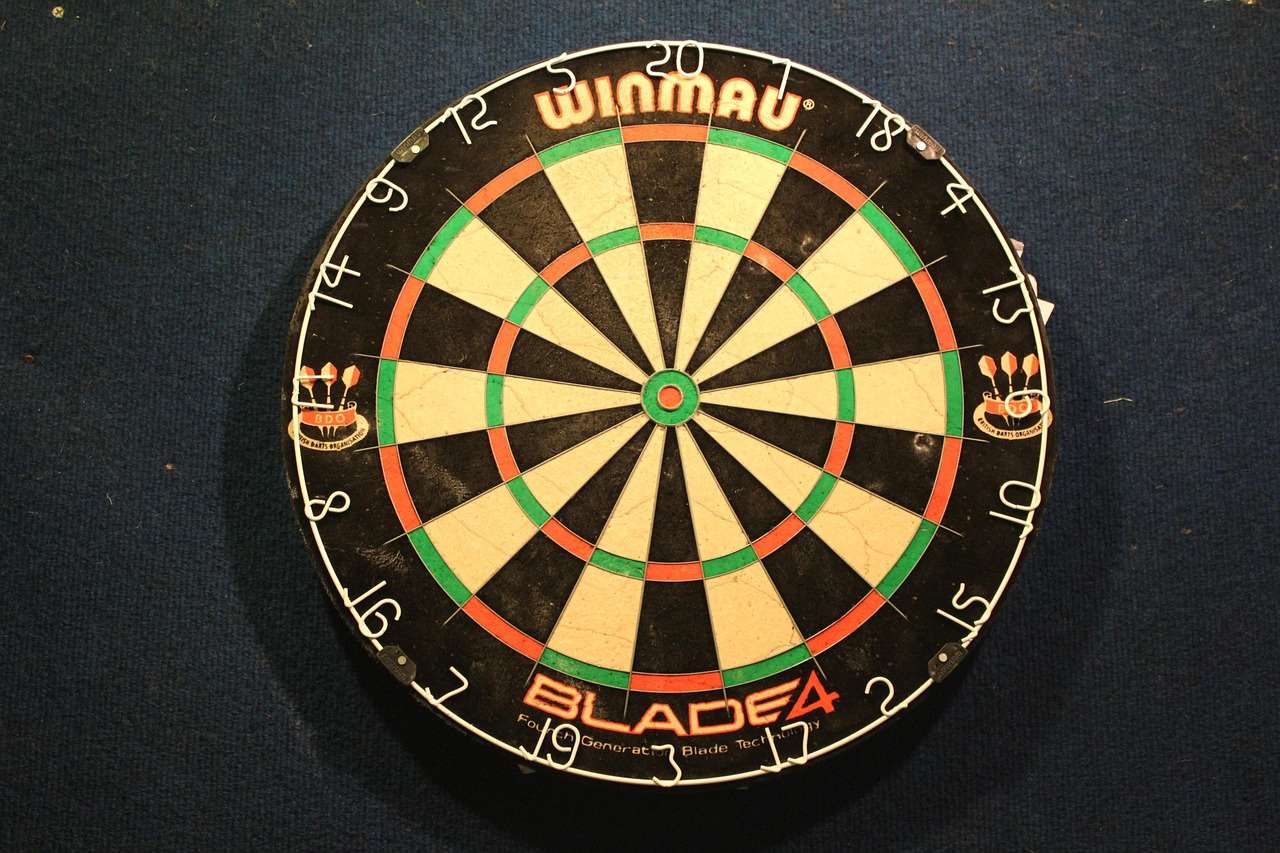
Now that you’re equipped with the knowledge to select the perfect dart sharpener, take the next step and explore our range of dart sharpening tools. Get yours today and elevate your game!

Hi, I’m Dieter, and I created Dartcounter (Dartcounterapp.com). My motivation wasn’t being a darts expert – quite the opposite! When I first started playing, I loved the game but found keeping accurate scores and tracking stats difficult and distracting.
I figured I couldn’t be the only one struggling with this. So, I decided to build a solution: an easy-to-use application that everyone, no matter their experience level, could use to manage scoring effortlessly.
My goal for Dartcounter was simple: let the app handle the numbers – the scoring, the averages, the stats, even checkout suggestions – so players could focus purely on their throw and enjoying the game. It began as a way to solve my own beginner’s problem, and I’m thrilled it has grown into a helpful tool for the wider darts community.