The primary benefit of dart handicaps is leveling the playing field, allowing players of different skill levels to compete enjoyably and fairly. This article delves into the various benefits of dart handicaps, covering everything from increased engagement and learning opportunities to improved social interaction and competitive balance.
⚠️ Still Using Pen & Paper (or a Chalkboard)?! ⚠️
Step into the future! The Dart Counter App handles all the scoring, suggests checkouts, and tracks your stats automatically. It's easier than you think!
Try the Smart Dart Counter App FREE!Ready for an upgrade? Click above!
Understanding the Core Benefits of Dart Handicaps
Dart handicaps are adjustments made to a player’s score or starting position to equalize the chances of winning between players of differing abilities. This is crucial for maintaining interest and encouraging participation, especially in casual settings or leagues with diverse skill levels. The benefits of dart handicaps extend far beyond simply making games closer; they foster a more inclusive and enjoyable environment for everyone involved.
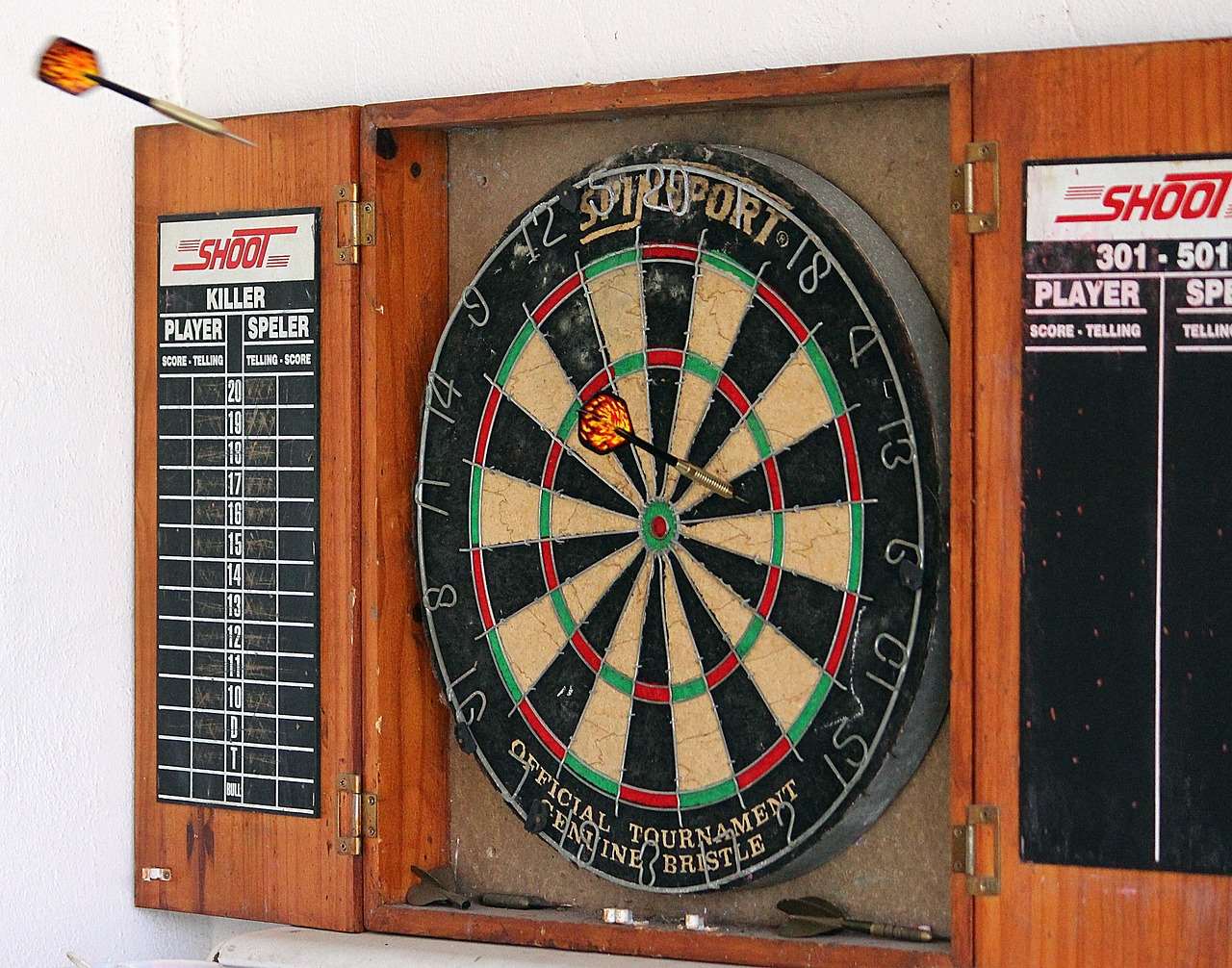
Imagine a scenario where a seasoned dart player consistently dominates a group of beginners. Without a handicap system, the beginners are likely to become discouraged and lose interest. However, by implementing a handicap, the experienced player is challenged to perform at their best, while the less experienced players have a realistic chance of winning, boosting their confidence and motivation.
Key Areas Where Dart Handicaps Make a Difference
The benefits of dart handicaps manifest in several key areas:
- Increased Engagement: Handicaps keep all players involved and motivated, regardless of their skill level.
- Improved Learning: Beginners can learn from more experienced players without feeling overwhelmed or constantly defeated.
- Enhanced Social Interaction: Handicaps promote friendly competition and camaraderie among players of varying abilities.
- Fair Competition: Everyone has a realistic chance of winning, making the game more exciting and unpredictable.
- Long-Term Player Retention: By making the game more enjoyable for everyone, handicaps help retain players and grow the darting community.
How to Implement Dart Handicaps Effectively
There are several methods for implementing dart handicaps, each with its own advantages and disadvantages. The best approach depends on the specific context, the skill levels of the players, and the desired level of complexity. Understanding Basic Darts Fundamentals for Beginners can assist with a deeper understand of dart capabilities

Here are some common handicap methods:
- Score Adjustment: Giving less skilled players a head start by subtracting points from their starting score or adding points to their final score.
- Target Adjustment: Assigning easier targets (e.g., larger sections of the board) to less skilled players.
- Number of Darts: Allowing less skilled players more darts per turn.
- Starting Distance: Adjusting the throwing distance based on skill level.
- Average-Based Handicaps: Calculating handicaps based on each player’s average score over a set number of games. This is a more sophisticated and accurate method, but it requires tracking player statistics.
Calculating Average-Based Handicaps
Average-based handicaps are generally considered the fairest and most accurate method. Here’s a simplified example of how to calculate them:
- Track Player Averages: Over several games, record each player’s average score.
- Determine a Target Average: Choose a target average that represents a desired level of competition. This could be the average of the top player, a pre-determined number, or some other benchmark.
- Calculate the Handicap: Subtract each player’s average from the target average. The result is their handicap.
- Apply the Handicap: Before each game, add the handicap to the player’s starting score or subtract it from their final score.
For example, if the target average is 60 and Player A’s average is 45, their handicap would be 15. If Player B’s average is 55, their handicap would be 5. This means Player A would receive a 15-point advantage at the start of the game.
The Psychological Impact of Dart Handicaps
The benefits of dart handicaps extend beyond the purely mechanical aspects of the game. They also have a significant psychological impact on players. A well-designed handicap system can boost the confidence of less skilled players, encourage them to practice and improve, and create a more positive and supportive environment. Conversely, it challenges more skilled players to maintain their focus and adapt their strategies.
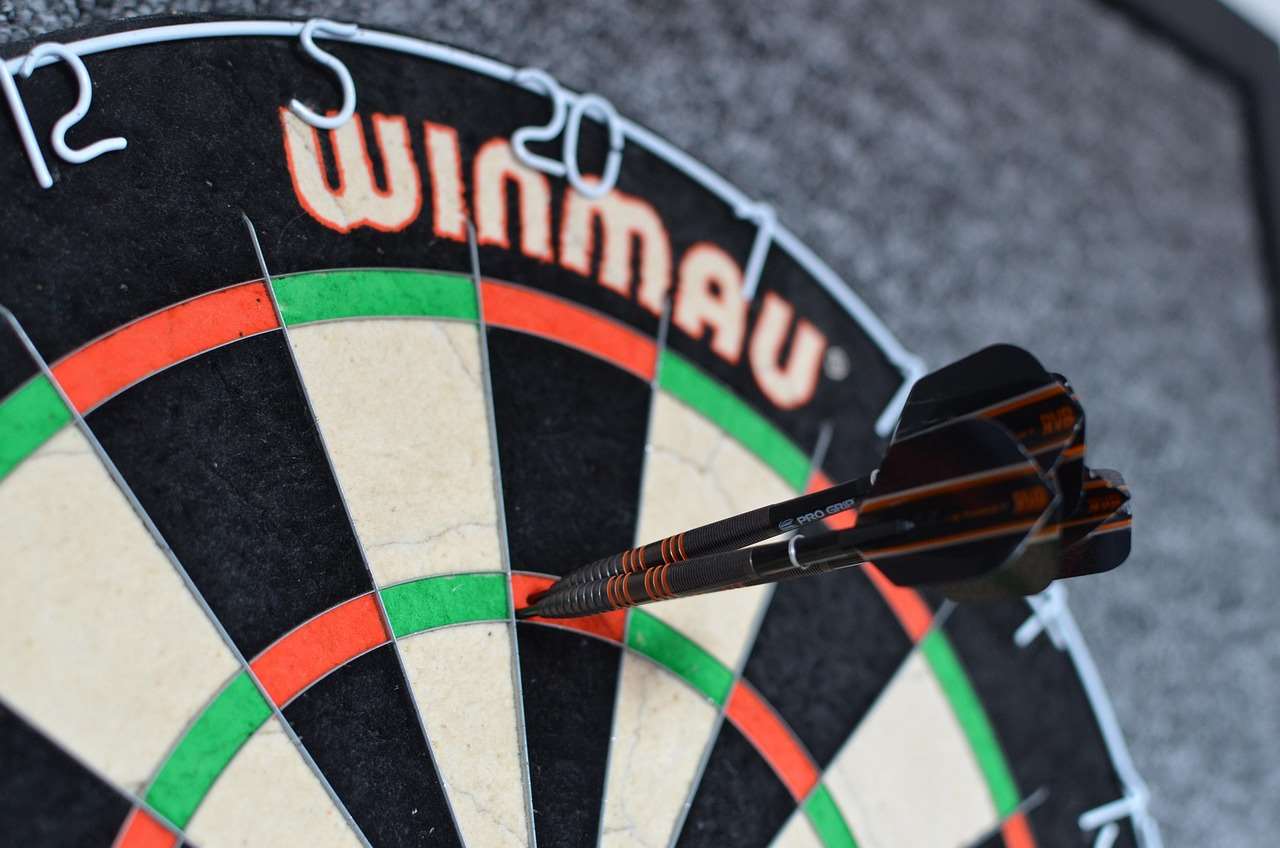
Without handicaps, beginners often experience frustration and discouragement, leading them to give up on the game altogether. With handicaps, they feel like they have a chance to compete and improve, fostering a sense of accomplishment and encouraging them to continue playing. This improved sense of fairness helps prevent that; you can also improve fairness when you understand How to make darts fairer with handicap rules.
Boosting Confidence and Motivation
One of the most significant benefits of dart handicaps is the boost in confidence they provide to less experienced players. When beginners feel like they have a fighting chance, they are more likely to take risks, experiment with different techniques, and ultimately improve their skills. This increased motivation can lead to significant progress over time.
Addressing Common Concerns About Dart Handicaps
While the benefits of dart handicaps are numerous, some players may have concerns about their fairness or complexity. Some experienced players may feel that handicaps artificially reduce their chances of winning, while some beginners may find the calculations confusing or intimidating. Addressing these concerns is crucial for ensuring that the handicap system is accepted and embraced by everyone.
Ensuring Fairness and Transparency
To address concerns about fairness, it’s important to clearly explain the handicap system to all players and to ensure that the calculations are transparent and accurate. Using an average-based handicap system, as described earlier, is generally considered the fairest approach, as it takes into account each player’s actual performance over time. Regularly reviewing and adjusting handicaps based on player performance can also help maintain fairness and prevent any one player from consistently dominating the competition. It’s also worth looking into Modifying rules for mixed-level dart players so that everyone can participate
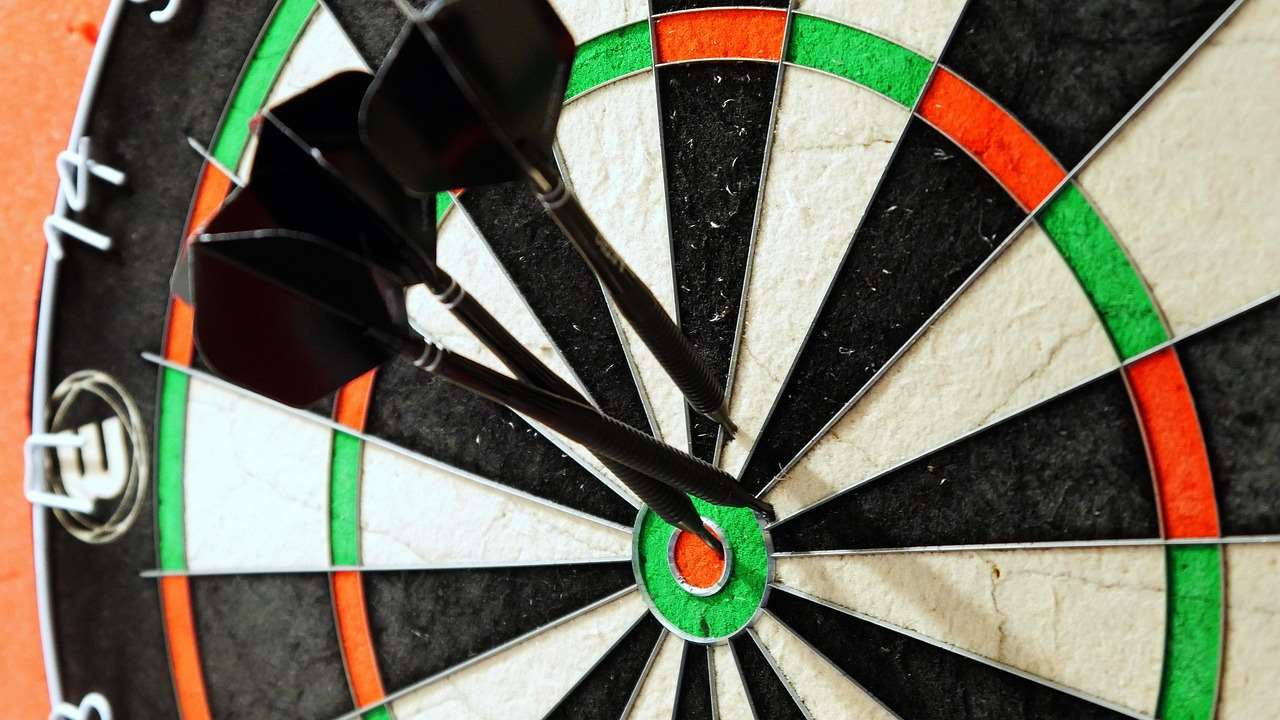
Furthermore, promoting a culture of sportsmanship and respect can help minimize any potential resentment or negativity associated with handicaps. Emphasize that the goal of the handicap system is not to penalize skilled players, but to create a more enjoyable and competitive environment for everyone.
Dart Handicaps in Different Settings
The benefits of dart handicaps can be realized in various settings, from casual games at home to organized leagues and tournaments. The specific approach to implementing handicaps may need to be adapted depending on the context.
Casual Games at Home
In casual games at home, a simple score adjustment or target adjustment may be sufficient. The goal is to create a fun and relaxed atmosphere where everyone can participate and enjoy themselves. Complexity is best avoided in this setting.
Organized Leagues and Tournaments
In organized leagues and tournaments, a more sophisticated handicap system, such as an average-based system, is typically preferred. This ensures a higher level of fairness and accuracy, which is important in competitive settings. Rules should be clearly defined. Don’t be afraid to try out Fun dart game variations with modified rules and see how it impacts the play
Advanced Strategies for Utilizing Dart Handicaps
Once you’ve grasped the fundamentals of implementing dart handicaps, you can explore some advanced strategies to further enhance the competitive balance and enjoyment of the game.
Dynamic Handicapping
Instead of using static handicaps that remain fixed throughout a league or tournament, consider using dynamic handicapping. This involves adjusting handicaps based on players’ recent performance. For example, if a player consistently outperforms their handicap, their handicap could be reduced. Conversely, if a player consistently underperforms, their handicap could be increased. This helps ensure that handicaps remain accurate and fair over time.
Handicap Tournaments
Organize tournaments specifically designed around handicap systems. These can be a great way to encourage participation from players of all skill levels and create a more level playing field.
Conclusion: Embracing Dart Handicaps for a Better Game
In conclusion, the benefits of dart handicaps are undeniable. They create a more inclusive, engaging, and enjoyable environment for players of all skill levels. By implementing a well-designed handicap system, you can boost confidence, improve learning, enhance social interaction, and promote fair competition. Whether you’re playing casual games at home or participating in organized leagues and tournaments, embracing dart handicaps is a surefire way to elevate your darting experience. Ready to make your dart games fairer and more fun? Start exploring different handicap methods and see how they can transform your game today. Consider looking at adapting darts rules for beginners if necessary!

Hi, I’m Dieter, and I created Dartcounter (Dartcounterapp.com). My motivation wasn’t being a darts expert – quite the opposite! When I first started playing, I loved the game but found keeping accurate scores and tracking stats difficult and distracting.
I figured I couldn’t be the only one struggling with this. So, I decided to build a solution: an easy-to-use application that everyone, no matter their experience level, could use to manage scoring effortlessly.
My goal for Dartcounter was simple: let the app handle the numbers – the scoring, the averages, the stats, even checkout suggestions – so players could focus purely on their throw and enjoying the game. It began as a way to solve my own beginner’s problem, and I’m thrilled it has grown into a helpful tool for the wider darts community.