Choosing the right dart flight is crucial for consistent 501 scores, influencing dart trajectory and stability; selecting the ideal flight can significantly improve your accuracy and reduce frustrating wobbles. This article will delve into the basic principles of dart flight selection for 501, covering flight shapes, materials, and how they affect your game.
⚠️ Still Using Pen & Paper (or a Chalkboard)?! ⚠️
Step into the future! The Dart Counter App handles all the scoring, suggests checkouts, and tracks your stats automatically. It's easier than you think!
Try the Smart Dart Counter App FREE!Ready for an upgrade? Click above!
Understanding the Basic Principles of Dart Flight Selection for 501
When it comes to darts, especially the popular game of 501, many beginners focus solely on the dart barrel’s weight and grip. However, the dart flight plays an equally important, if not more significant, role in achieving consistent and accurate throws. The flight, attached to the back of the dart, acts like the fletching on an arrow, stabilizing the dart in flight and influencing its trajectory. This section will explore the fundamental aspects you need to know about selecting the right dart flight.
Choosing the wrong flight can lead to your darts wobbling, fishtailing, or landing at unpredictable angles. Conversely, selecting the right flight can smooth out your throw, improve your grouping, and ultimately boost your score in 501. Let’s look at some key factors.
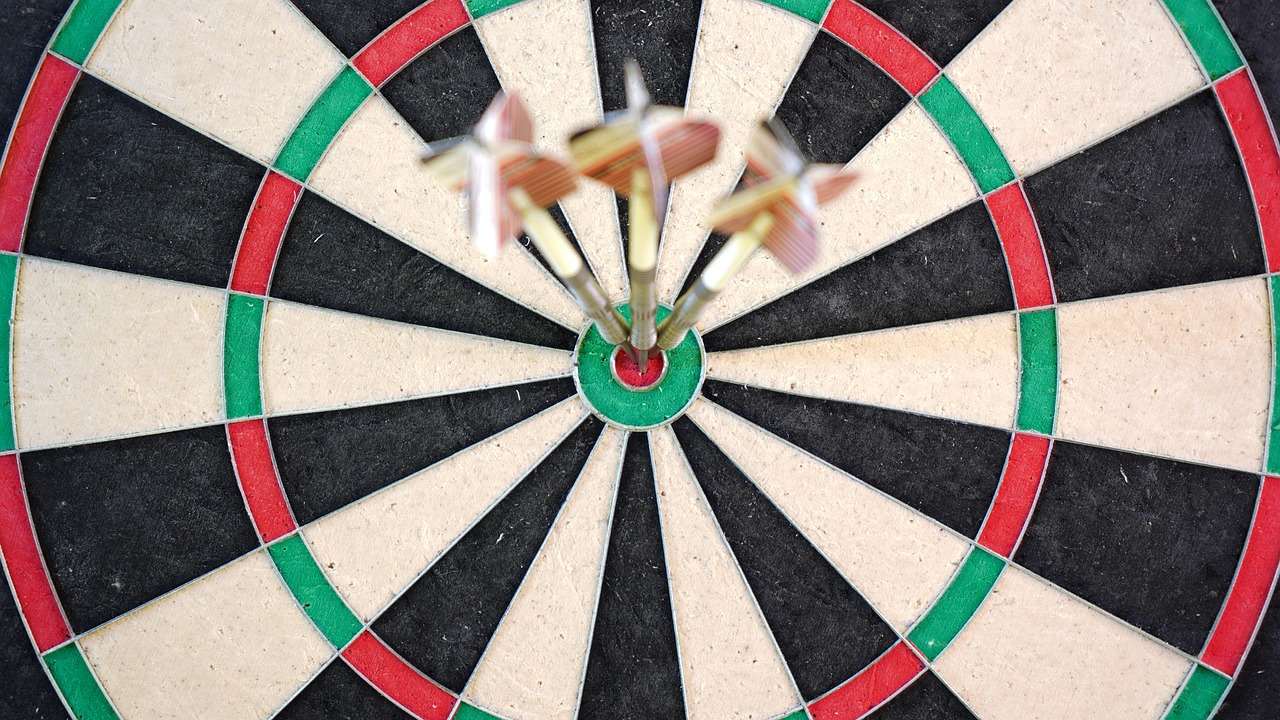
Flight Shape and Its Impact on Dart Trajectory
The shape of your dart flight is one of the most critical considerations. Different shapes offer different levels of stability and drag. Here’s a breakdown of common flight shapes:
- Standard Flights: These are the most common and versatile flight shape. They offer a good balance of stability and drag, making them suitable for a wide range of throwing styles. If you’re unsure where to start, standard flights are a great option.
- Slim Flights: Slim flights provide less drag and a flatter trajectory. They are often preferred by players with a faster throw and who want their darts to fly straighter with less arc.
- Kite Flights: Kite flights are wider than slim flights but narrower than standard flights. They offer a compromise between stability and speed.
- Vortex Flights: These flights have a unique design intended to increase stability and reduce drag. They are often used by players who have trouble controlling their dart’s flight.
- Other Shapes: There are also various novelty and specialized flight shapes available, but these are generally not recommended for serious 501 players.
Experimenting with different flight shapes is crucial. Observe how each shape affects your dart’s flight path and landing angle. Consider factors like your throwing speed and release point. Remember, what works for one player might not work for another.
Material Matters: Choosing the Right Flight Material
The material of your dart flight also plays a role in its durability, performance, and overall feel. Common flight materials include:
- Polyester: Polyester flights are a popular choice due to their affordability and durability. They are relatively resistant to tears and creases.
- Nylon: Nylon flights are slightly more flexible than polyester flights, which can help to reduce deflections.
- Plastic: Plastic flights are typically the least expensive option, but they are also the least durable. They are prone to tearing and creasing.
- Dimpled Flights: Dimpled flights feature small indentations on the surface, similar to a golf ball. These dimples are designed to reduce drag and improve aerodynamics.
- Aluminum Flights: Aluminum flights offer exceptional durability but can be heavier than other options, potentially affecting dart balance.
When choosing a flight material, consider your budget, throwing style, and how often you play. If you’re a frequent player, investing in more durable flights like polyester or nylon may be worthwhile. Dimpled flights can be a good option if you’re looking for enhanced aerodynamics. Finding the right material is essential to fully understand the basic principles of dart flight selection for 501.
Don’t underestimate the importance of keeping your flights in good condition. Regularly inspect them for tears, creases, or damage. Replace flights as needed to ensure consistent performance.

Flight Thickness and Stability
Flight thickness affects its stiffness and durability. Thicker flights are generally more durable and resistant to bending, while thinner flights may offer slightly less drag. The ideal thickness depends on your personal preference and throwing style. If you tend to grip your darts tightly, a thicker flight might be a better choice as it will be less prone to damage.
Stability is a key factor. A stable flight will help your dart fly straight and true, while an unstable flight can lead to wobbling and erratic behavior. Experiment with different thicknesses to find the right balance for your throw.
Matching Flights to Your Dart Barrel and Shaft
The flight is just one component of your dart setup. To achieve optimal performance, it’s essential to match your flight to your dart barrel and shaft. The weight and length of your barrel, as well as the length of your shaft, can all influence the type of flight that will work best for you.
Here’s a general guideline:
- Heavier Barrels: Heavier barrels typically require larger flights to provide sufficient stability.
- Lighter Barrels: Lighter barrels may benefit from smaller, slimmer flights to reduce drag.
- Longer Shafts: Longer shafts can increase stability, so you may be able to use smaller flights.
- Shorter Shafts: Shorter shafts can decrease stability, so you may need to use larger flights.
Consider your overall dart setup when selecting your flights. Experiment with different combinations to find what feels most comfortable and provides the best results. Knowing the basics of this combination are important to the basic principles of dart flight selection for 501.
Remember that these are just general guidelines. Ultimately, the best way to determine the right flight for your dart setup is through trial and error.
Analyzing Your Throw and Identifying Problems
Before you can choose the right flight, you need to understand your own throwing style and identify any issues you may be experiencing. Are your darts wobbling in flight? Are they landing at an odd angle? Are you consistently missing to one side or the other? These are all clues that can help you diagnose your flight selection needs.
Here are some common problems and their potential flight-related solutions:
- Wobbling or Fishtailing: This often indicates that your flights are too small or that you’re not generating enough spin on the dart. Try using larger flights or adjusting your grip to impart more spin. See Basic Darts Fundamentals for Beginners for help.
- Landing at an Upward Angle: This could mean your flights are creating too much lift. Try using slimmer flights.
- Landing at a Downward Angle: This might indicate that your flights are not providing enough lift. Try using larger flights.
- Erratic Trajectory: This could be caused by a variety of factors, including inconsistent release, improper grip, or the wrong flight shape. Experiment with different flights and focus on improving your technique.
Video recording your throws can be a valuable tool for analyzing your technique and identifying potential issues. Pay close attention to the dart’s flight path and landing angle.
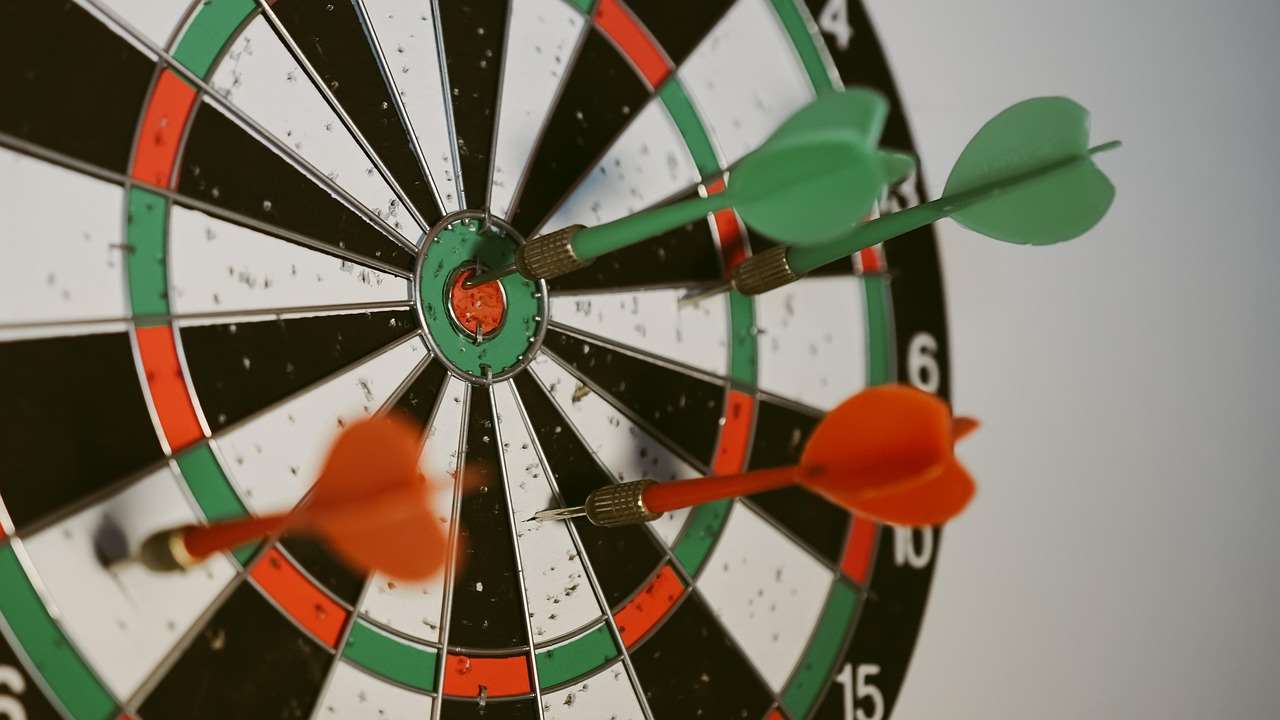
Experimentation is Key
The most important thing to remember when selecting dart flights is that experimentation is key. There is no one-size-fits-all solution. What works for one player might not work for another. Don’t be afraid to try different flight shapes, materials, and thicknesses until you find what feels right for you. The basic principles of dart flight selection for 501 ultimately come down to personalized preference.
Consider purchasing a flight assortment pack to have a variety of options to test. Keep track of your results and note which flights produce the most consistent and accurate throws. Be patient and persistent, and eventually, you’ll find the perfect flight for your game.
Also, remember to consider the Simplified 501 game rules for novice players as you test and adjust your equipment.
Fine-Tuning Your Flight Selection Over Time
As your throwing technique improves, your flight needs may change. It’s important to periodically re-evaluate your flight selection and make adjustments as necessary. What worked well for you in the past may not be the best option as your skills evolve. Continuously fine-tuning your equipment is a hallmark of dedicated dart players.
Pay attention to subtle changes in your throwing motion or dart trajectory. These can be signs that it’s time to experiment with different flights. Maintaining awareness of your equipment and technique is key to long-term success in 501.
Flight Maintenance and Longevity
Proper maintenance extends the life of your flights and ensures consistent performance. Regularly inspect your flights for tears, creases, or damage. Replace flights as needed to maintain optimal flight characteristics. Consider using flight protectors to prevent damage from collisions with the dartboard or other darts. These small additions help solidify the basic principles of dart flight selection for 501.
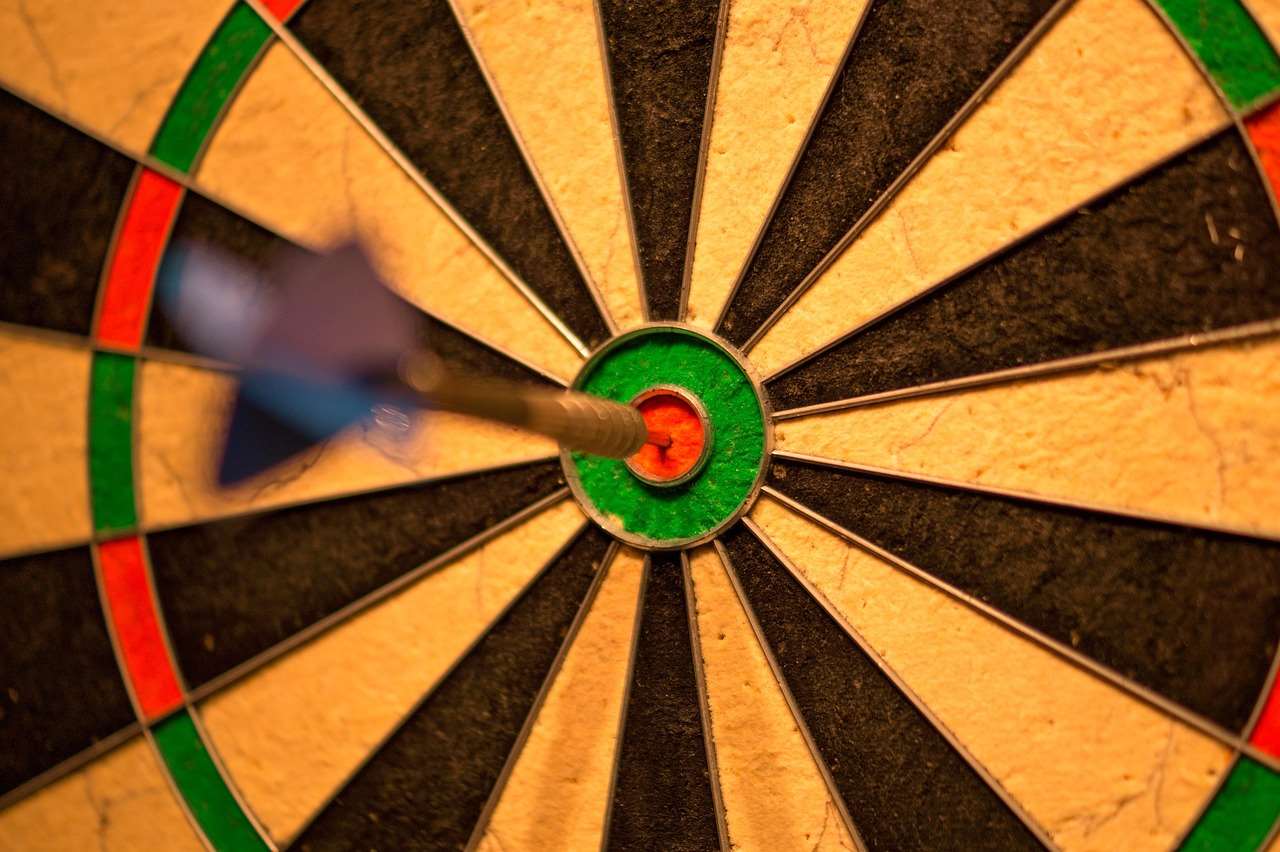
Here are some tips for extending the life of your dart flights:
- Use Flight Protectors: Flight protectors are small metal or plastic caps that fit over the end of your flights, protecting them from damage.
- Store Your Darts Properly: When not in use, store your darts in a case to prevent them from being bent or damaged.
- Replace Flights Regularly: Even with proper care, flights will eventually wear out. Replace them as needed to maintain consistent performance.
- Keep them Clean: Wipe down your flights periodically to remove dirt and grime.
Investing a little time in flight maintenance can save you money in the long run and ensure that your darts are always performing at their best. If you’re looking for some Fun dart game variations with modified rules, make sure your equipment is ready to go.
Advanced Considerations for Experienced Players
For experienced players, selecting the right dart flight can involve even more nuanced considerations. Factors like dart weight, grip style, and release point become even more critical. Some advanced players even experiment with custom-made flights to achieve the precise flight characteristics they desire.
Here are some advanced considerations:
- Aerodynamic Drag: Understanding the principles of aerodynamic drag can help you fine-tune your flight selection for optimal performance.
- Spin Rate: The amount of spin you impart on the dart can significantly affect its flight path.
- Dart Angle: The angle at which you release the dart can influence the type of flight that will work best for you.
If you’re a serious dart player looking to take your game to the next level, consider consulting with a professional dart coach or equipment specialist. They can provide personalized guidance and help you optimize your dart setup for your unique throwing style.
If you’re playing in mixed skill groups, consider how to make darts fairer with handicap rules to level the playing field.
Conclusion
Mastering the basic principles of dart flight selection for 501 can significantly improve your accuracy and consistency on the dartboard. By understanding the different flight shapes, materials, and how they interact with your dart barrel and shaft, you can optimize your dart setup for your unique throwing style. Remember that experimentation is key, and don’t be afraid to try different flights until you find what works best for you. With the right flights, you’ll be well on your way to achieving higher scores and dominating your 501 matches. Now, take what you’ve learned and go practice!

Hi, I’m Dieter, and I created Dartcounter (Dartcounterapp.com). My motivation wasn’t being a darts expert – quite the opposite! When I first started playing, I loved the game but found keeping accurate scores and tracking stats difficult and distracting.
I figured I couldn’t be the only one struggling with this. So, I decided to build a solution: an easy-to-use application that everyone, no matter their experience level, could use to manage scoring effortlessly.
My goal for Dartcounter was simple: let the app handle the numbers – the scoring, the averages, the stats, even checkout suggestions – so players could focus purely on their throw and enjoying the game. It began as a way to solve my own beginner’s problem, and I’m thrilled it has grown into a helpful tool for the wider darts community.