Understanding professional 501 matches boils down to mastering the scoring system, strategic gameplay, and the nuances that separate seasoned players from amateurs. This basic guide to understanding professional 501 matches will cover everything from the fundamental rules to advanced strategies, helping you appreciate the skill and complexity involved in this popular darts game.
⚠️ Still Using Pen & Paper (or a Chalkboard)?! ⚠️
Step into the future! The Dart Counter App handles all the scoring, suggests checkouts, and tracks your stats automatically. It's easier than you think!
Try the Smart Dart Counter App FREE!Ready for an upgrade? Click above!
The Essence of 501: A Basic Guide to Understanding Professional 501 Matches
At its core, 501 is a straightforward game: each player starts with 501 points and takes turns throwing three darts, subtracting the score of each throw from their remaining total. The first player to reach zero, ending with a double or the bullseye, wins the leg. However, mastering this game requires more than just arithmetic. This basic guide to understanding professional 501 matches will delve into the strategic elements, nuances, and regulations that define professional play.
Understanding the Basics: Scoring and Terminology
Before diving into advanced tactics, it’s essential to grasp the fundamentals. Here’s a quick rundown:
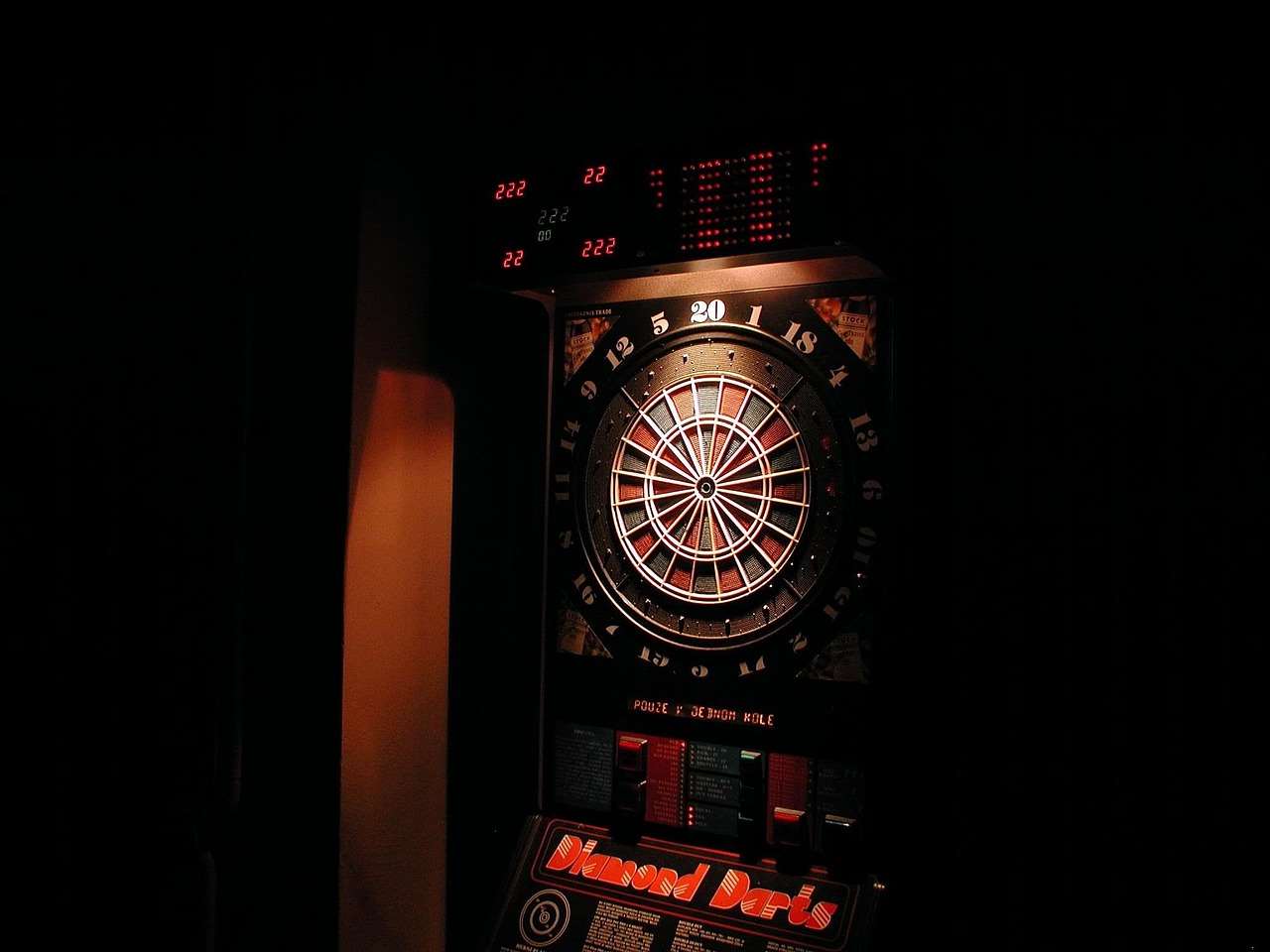
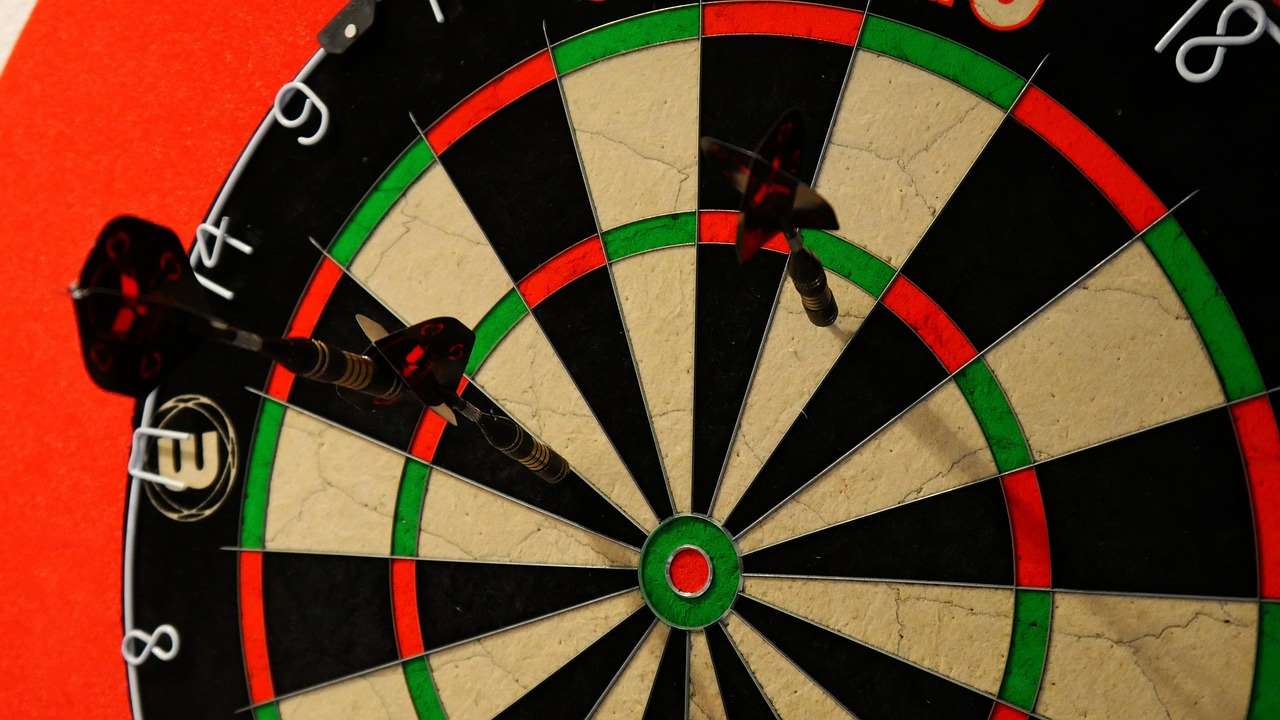
- Scoring Zones: The dartboard is divided into numbered sections from 1 to 20, each further divided into single, double, and treble rings. Landing a dart in a double ring doubles the score of that section, while a treble ring triples it.
- The Bullseye: The center of the board is divided into an outer ring (single bull, worth 25 points) and an inner circle (double bull, worth 50 points).
- Checkout: To win a leg of 501, a player must reach exactly zero. The final dart must land in a double or the double bull. If a player scores more than the points needed (bust), the turn ends, and their score reverts to what it was at the start of that turn.
- Legs and Sets: In professional tournaments, matches are typically played over a series of legs and sets. A leg is one game of 501. A set is a predetermined number of legs. For example, a match might be best of five sets, with each set being best of three legs.
Familiarity with these terms is crucial for following and appreciating the strategies employed by professional players. For example, knowing the value of each section enables players to strategically aim for higher-scoring areas like the treble 20 or treble 19, depending on their current score and preferred checkout routes.
Strategic Considerations in Professional 501 Matches
While accurate throwing is paramount, strategy plays a crucial role in professional 501. Strategic dart throwing involves careful planning and anticipation of your opponent’s moves. Here are some key strategic considerations:
Checkout Strategy and Planning
One of the most critical aspects of 501 strategy is planning your checkout. This involves identifying the most efficient route to reach zero, considering the potential for errors and your opponent’s position. Professional players often have preferred checkout combinations that they practice extensively.
Consider a player with 170 remaining. The optimal checkout is treble 20 (60), treble 20 (60), and double 25 (50 – Bullseye). However, if a player is not confident in hitting the treble 20, they might opt for a more conservative route involving aiming for a single 20 followed by other combinations. Checkout charts are available to assist players in visualizing these routes and selecting the most appropriate one for their skill level.
The Importance of Leaving a Double
The ultimate goal is to leave yourself with a double to finish the game. However, not all doubles are created equal. Leaving yourself with a double that you are comfortable hitting is crucial. Many professional players favor the double 16 or double 20, but personal preference plays a significant role. Moreover, leaving yourself with an odd number forces you to hit an odd number first to then leave a double, which adds unnecessary complexity.
Controlling the Flow of the Game
Experienced players often attempt to control the pace and flow of the game. This might involve taking their time between throws to disrupt their opponent’s rhythm or deliberately playing defensively to avoid leaving an easy shot. Understanding your opponent’s throwing style can also significantly impact your strategic choices. If you notice your opponent struggles with certain numbers, you can attempt to force them into those areas of the board.
Controlling the oche (the throwing line) requires confidence and mental fortitude. Professional players often employ psychological tactics, such as maintaining unwavering eye contact or subtly adjusting their stance, to gain a competitive edge. The mental game is just as important as the physical skills in darts.

The Rules and Regulations of Professional 501
Professional 501 matches are governed by a strict set of rules and regulations to ensure fair play and maintain the integrity of the sport. Here’s an overview of some key aspects:
Governing Bodies and Tournament Formats
The Professional Darts Corporation (PDC) and the World Darts Federation (WDF) are the two main governing bodies in professional darts. Each organization has its own set of rules and regulations, and their tournaments vary in format and prize money. The PDC is generally considered the premier organization, featuring many of the world’s top players.
Standard Dartboard Setup
The dartboard must be hung so that the center of the bullseye is 5 feet 8 inches (1.73 meters) from the floor. The throwing line (oche) must be 7 feet 9.25 inches (2.37 meters) from the face of the board. These measurements are strictly enforced to ensure consistency across all competitions.
Rules of Play and Conduct
Players must adhere to a code of conduct during matches. This includes refraining from disruptive behavior, respecting their opponents, and abiding by the decisions of the tournament officials. Any violation of these rules can result in warnings, fines, or even disqualification from the tournament.
It’s also important to understand the rules regarding dart retrieval. Players are generally allowed a reasonable amount of time to retrieve their darts, but excessive delays can be penalized. Furthermore, players are not allowed to touch the darts until the referee has called the score.
Advanced Techniques and Strategies
Beyond the basics, professional players employ a range of advanced techniques to elevate their game. These include:
Mental Toughness and Focus
Maintaining composure under pressure is crucial in professional darts. Players often face intense competition, large crowds, and significant prize money, all of which can impact their mental state. Developing mental toughness through techniques like visualization and meditation can help players stay focused and perform at their best.
Consistent Throwing Technique
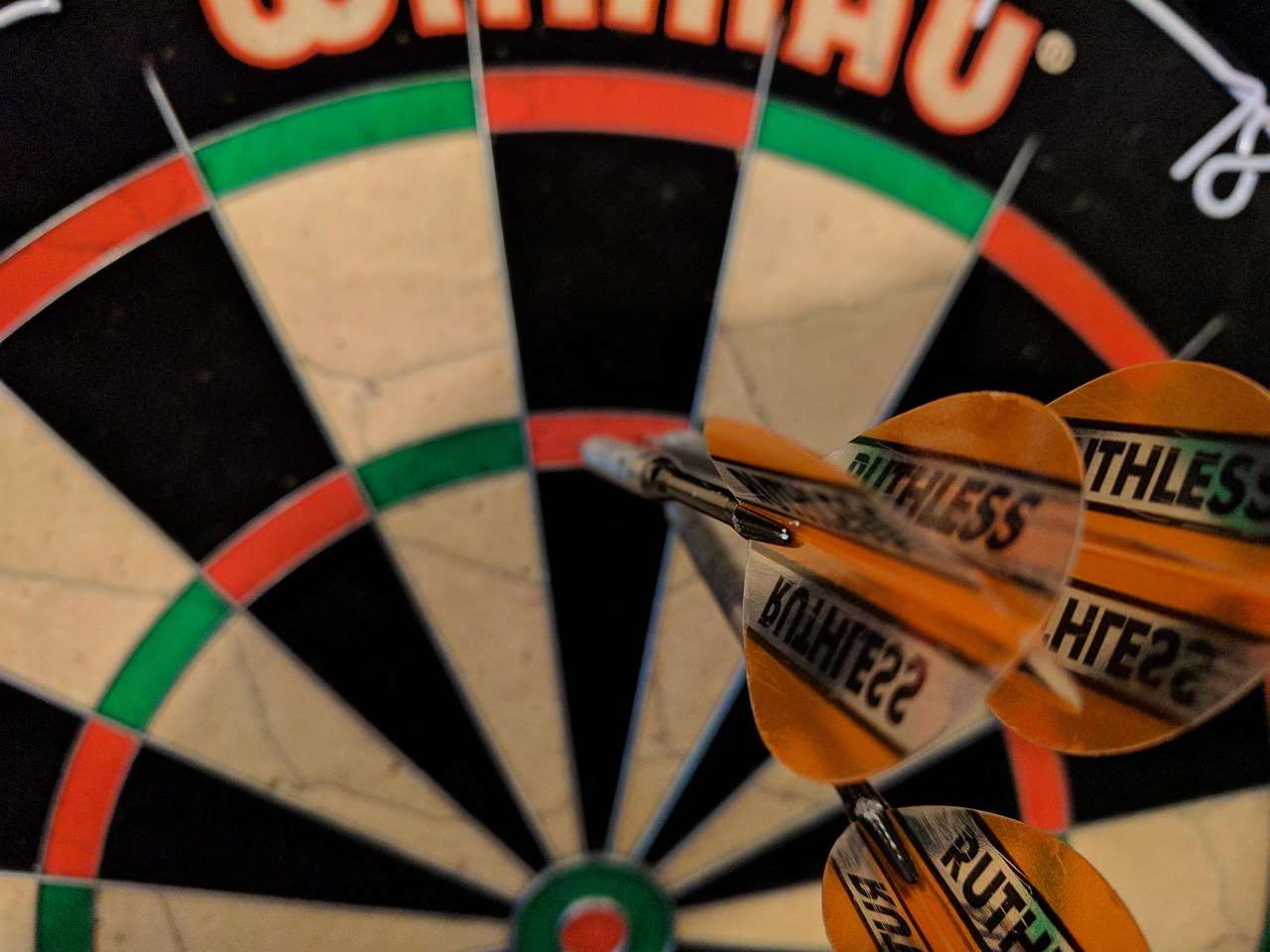
Consistency is key to success in darts. Professional players spend countless hours practicing their throwing technique to ensure that they can consistently hit their target. This involves refining their grip, stance, and release to minimize variations in their throw.
This might involve focusing on specific aspects of the throw, such as keeping the elbow stable or maintaining a consistent follow-through. Video analysis and feedback from coaches can also be valuable tools for improving throwing technique.
Analyzing Opponent Weaknesses
Observing and exploiting your opponent’s weaknesses can provide a significant advantage. This might involve noticing their preferred checkout routes, their struggles with certain numbers, or their tendency to become flustered under pressure. Adapting your strategy based on these observations can help you gain control of the match.
The Evolution of 501 and Professional Darts
501 has evolved significantly since its humble beginnings, transforming from a pub game into a globally recognized professional sport. This evolution has been driven by several factors:
The Rise of Professionalism
The establishment of organizations like the PDC and WDF has professionalized the sport, providing players with opportunities to earn a living and compete at the highest level. This has attracted more talented players to the sport and led to increased investment in training and development.
Technological Advancements
Technological advancements, such as electronic scoring systems and high-definition television broadcasts, have enhanced the viewing experience and made the sport more accessible to a wider audience. This has led to increased sponsorship and media coverage, further driving the sport’s growth.
Increased Global Popularity
Darts has experienced a surge in popularity in recent years, particularly in countries like Germany, the Netherlands, and Australia. This global expansion has created new opportunities for players and increased the sport’s overall competitiveness. You can see Basic Darts Fundamentals for Beginners, if you are interested in the core basics of getting started in darts.
Tips for Improving Your Own 501 Game
While becoming a professional darts player requires years of dedication and practice, there are several things you can do to improve your own 501 game:
- Practice Regularly: Consistent practice is essential for developing accuracy and consistency.
- Focus on Your Checkout: Practice your checkout routes to improve your efficiency and confidence.
- Develop a Consistent Throwing Technique: Refine your grip, stance, and release to minimize variations in your throw.
- Analyze Your Game: Identify your strengths and weaknesses and work on improving areas where you struggle.
- Play Against Better Players: Competing against more skilled opponents can challenge you and help you learn new strategies.
Remember, improvement takes time and effort. Be patient with yourself and celebrate your progress along the way. And don’t be afraid to experiment with different techniques and strategies to find what works best for you. Alternative darts rules for home play can be useful if you have limited space.
Ethical Considerations in Professional Darts
Maintaining ethical standards is paramount in any professional sport, and darts is no exception. Fair play, sportsmanship, and integrity are essential values that underpin the game.
Anti-Cheating Measures
Professional darts tournaments employ various measures to prevent cheating, including strict rules regarding dart tampering and the use of performance-enhancing substances. Players are subject to random drug testing, and any violation of these rules can result in severe penalties.
Sportsmanship and Respect
Treating opponents with respect, acknowledging their accomplishments, and accepting both victory and defeat with grace are hallmarks of good sportsmanship. Professional players are expected to uphold these values both on and off the oche.
Transparency and Integrity
Transparency in tournament organization, fair officiating, and adherence to ethical guidelines are essential for maintaining the integrity of the sport. Any suspicion of match-fixing or corruption can severely damage the reputation of the game.
Conclusion: Mastering the Art of 501
Understanding the professional 501 darts game requires appreciating both its simplicity and complexity. While the basic rules are easy to grasp, mastering the strategic elements, advanced techniques, and ethical considerations demands dedication, practice, and a deep understanding of the game. This basic guide to understanding professional 501 matches has provided a comprehensive overview of the key aspects of the sport, from the fundamentals to the nuances of professional play. By applying these principles, you can enhance your appreciation of the game and even improve your own dart-playing abilities. Now that you know the fundamentals, explore Simplified 501 game rules for novice players to put your knowledge to the test!

Hi, I’m Dieter, and I created Dartcounter (Dartcounterapp.com). My motivation wasn’t being a darts expert – quite the opposite! When I first started playing, I loved the game but found keeping accurate scores and tracking stats difficult and distracting.
I figured I couldn’t be the only one struggling with this. So, I decided to build a solution: an easy-to-use application that everyone, no matter their experience level, could use to manage scoring effortlessly.
My goal for Dartcounter was simple: let the app handle the numbers – the scoring, the averages, the stats, even checkout suggestions – so players could focus purely on their throw and enjoying the game. It began as a way to solve my own beginner’s problem, and I’m thrilled it has grown into a helpful tool for the wider darts community.