Mastering the balance point with different flights is crucial for achieving consistent and accurate dart throws, ultimately improving your game. This article will explore how flight shape, weight, and material affect the dart’s center of gravity and offer practical adjustments to optimize your throw for various flight types. You’ll discover how to identify your dart’s balance point, understand its impact on trajectory, and learn how to fine-tune your setup for different flight styles.
⚠️ Still Using Pen & Paper (or a Chalkboard)?! ⚠️
Step into the future! The Dart Counter App handles all the scoring, suggests checkouts, and tracks your stats automatically. It's easier than you think!
Try the Smart Dart Counter App FREE!Ready for an upgrade? Click above!
Understanding the Importance of Balance Point With Different Flights
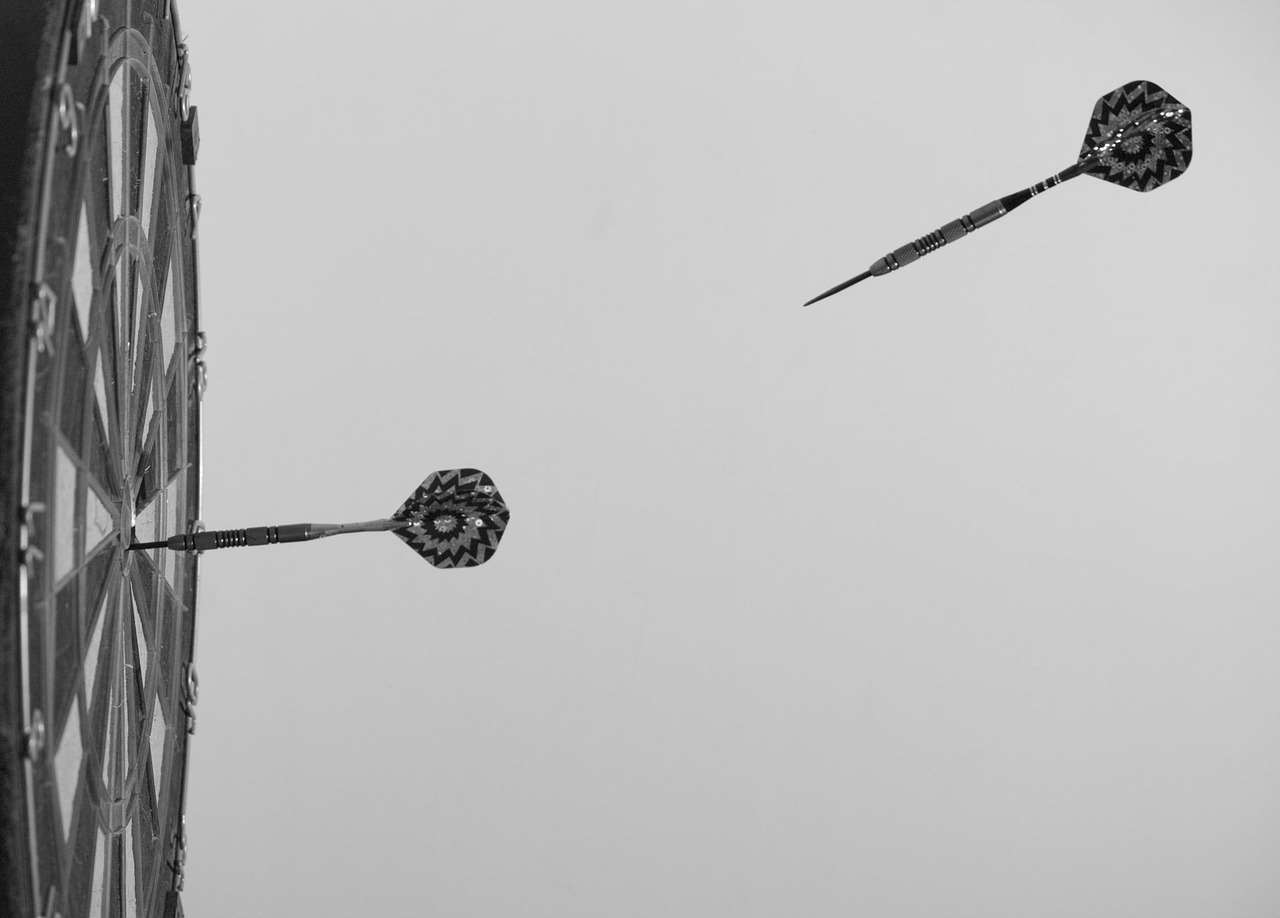
The balance point of your dart, often referred to as the center of gravity, plays a pivotal role in its flight path and stability. It’s the point at which the dart would perfectly balance on a fulcrum. When you throw a dart, you’re essentially projecting this balance point towards the board. The closer the balance point is to the front of the dart, the straighter and more stable the flight generally becomes. Understanding how different flights impact this balance point is key to achieving consistent accuracy.
Factors such as dart barrel weight, length, and the material of your flights all contribute to determining the dart’s overall balance point. Heavier flights, for instance, will shift the balance point slightly further back, which can affect the dart’s behavior in the air. Similarly, the shape and size of the flight influence the aerodynamic profile, impacting how the dart cuts through the air.
Factors Affecting the Dart’s Balance Point
Several factors influence the balance point of a dart, and understanding them is essential for optimizing your dart setup. These include:
Barrel Weight and Shape
The barrel constitutes the majority of the dart’s weight. A heavier barrel will generally shift the balance point forward. The shape of the barrel also matters. A front-weighted barrel, for example, will have a balance point closer to the front, while a center-weighted barrel will have a more neutral balance point. You may want to Choose Best Dart Equipment to best suit your needs.
Stem Length and Material
The stem connects the barrel to the flight and contributes to the overall length and weight distribution of the dart. Longer stems will push the balance point slightly backward, while shorter stems will keep it closer to the barrel. Stem material, such as aluminum, nylon, or carbon fiber, also affects the weight. Heavier materials will influence the balance point more significantly. Different stems will drastically change your dart setup.
Flight Shape, Size, and Material
Flights are crucial for stabilizing the dart in flight. Their shape, size, and material all affect the dart’s aerodynamics and, consequently, its balance point. Larger flights provide more drag and stability, which can compensate for a slightly rearward balance point. Smaller flights offer less drag but require a more precise throw. The material of the flight, such as standard polyester, thicker materials, or even molded plastic, will also play a role. Heavier flight materials can shift the balance point slightly backward. Consider reviewing Types Optimal Dartboard Lighting for the best setup.
Adjusting Your Throw for Different Flight Types
Once you understand how different flights affect the balance point, you can begin adjusting your throw to compensate for these differences. This may involve altering your grip, stance, or release point.
Throwing With Standard Flights
Standard flights are the most common type and offer a good balance of stability and aerodynamics. If you’re using standard flights, aim for a smooth, consistent release. Ensure your arm follows through completely towards the target. The neutral balance point provided by standard flights allows for a more forgiving throw, making them ideal for beginners.
Throwing With Slim Flights
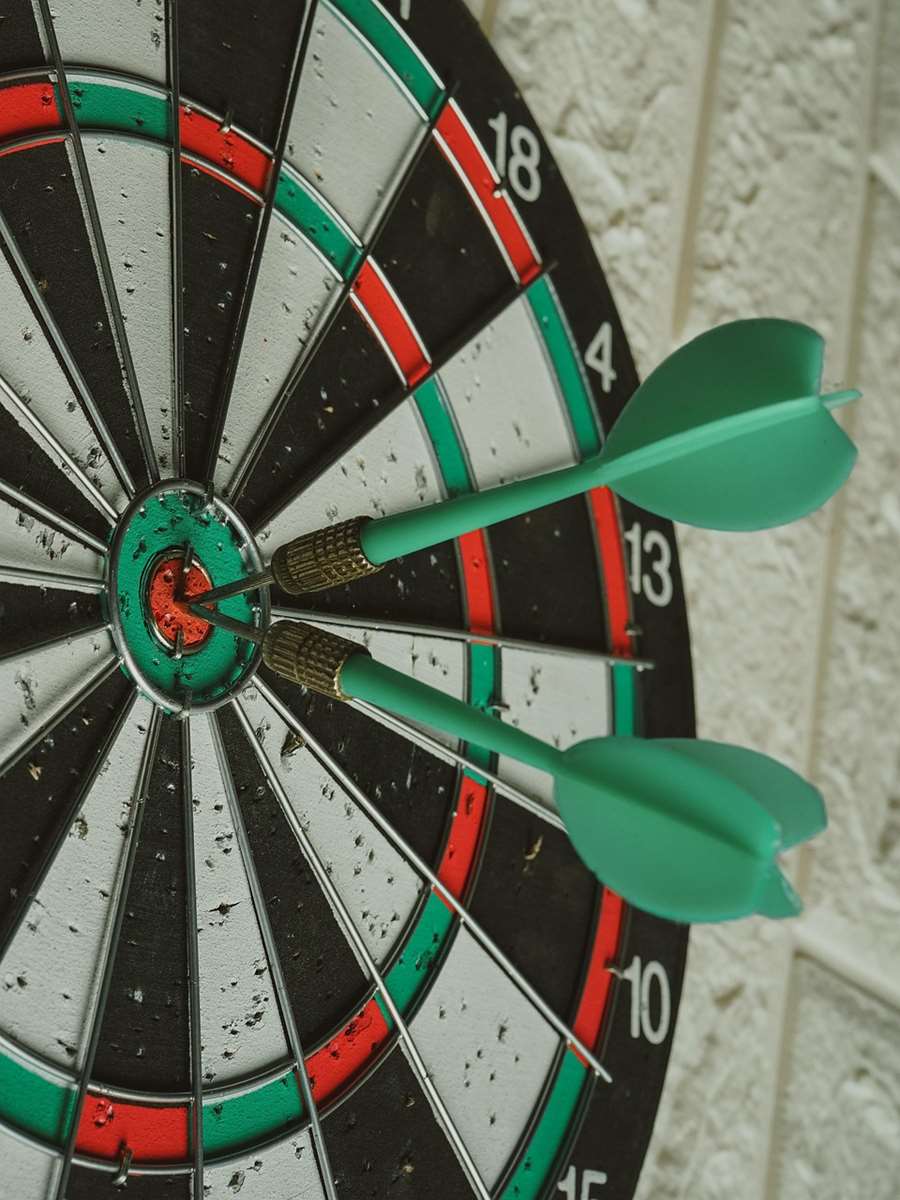
Slim flights offer less drag and are often preferred by experienced players who want a faster, more direct trajectory. However, they require a more precise and controlled throw. To compensate for the reduced stability, focus on keeping your wrist firm and avoiding any unnecessary movement during your release. A slim flight typically is paired with Best Dartboard Lighting Systems for better visibility and accuracy.
Throwing With Kite Flights
Kite flights offer increased stability and are often used by players who struggle with wobble or tail wagging. They provide a larger surface area for drag, which helps to stabilize the dart in flight. When using kite flights, focus on a smooth, controlled release and avoid over-powering your throw. The increased stability will help to keep the dart on target even if your release isn’t perfect.
Finding Your Dart’s Balance Point
Determining your dart’s balance point is relatively simple. Here’s how:
- Gather your materials: You’ll need your dart, a ruler or measuring tape, and a thin object to act as a fulcrum (e.g., a pencil, a thin dowel rod, or even the edge of a table).
- Balance the dart: Carefully place the dart on the fulcrum. Adjust the position of the dart until it balances perfectly.
- Measure the distance: Once the dart is balanced, measure the distance from the front of the dart to the fulcrum. This distance represents the balance point.
Repeat this process several times to ensure accuracy. A slight variation in the balance point can indicate inconsistencies in your dart setup or potential issues with your components.

Experimenting With Different Setups
The key to finding the perfect dart setup is experimentation. Don’t be afraid to try different flights, stems, and barrels to see what works best for your throwing style. Consider these factors when experimenting:
- Flight Shape: Try standard, slim, kite, and other flight shapes to see how they affect your dart’s trajectory and stability.
- Stem Length: Experiment with different stem lengths to adjust the balance point and see how it impacts your accuracy.
- Barrel Weight: Try different barrel weights to find a weight that feels comfortable and allows you to throw consistently.
Keep track of your results and note any improvements or regressions in your performance. Over time, you’ll develop a better understanding of how different flights and components affect your dart’s flight and be able to fine-tune your setup for optimal performance.
Advanced Techniques for Optimizing Balance Point
For seasoned players, there are advanced techniques to further optimize the dart’s balance point for specific throwing styles and preferences.
Using Weight Additions
Adding small weights to either the front or rear of the dart can significantly alter the balance point. This can be achieved using commercially available weight additions that screw into the stem or barrel. Experimenting with different weight placements can help you fine-tune the dart’s handling and flight characteristics.
Adjusting Grip and Stance
Even subtle changes to your grip and stance can affect how you perceive the dart’s balance point and how you release it. A more forward grip, for instance, can effectively shift the perceived balance point forward, while a more rearward grip can have the opposite effect. Experiment with different grips and stances to find what feels most natural and allows you to throw consistently. Consider reviewing Reduce Dartboard Shadows Effectively for increased visibility.
Analyzing Flight Patterns
Observing your dart’s flight pattern can provide valuable insights into its balance point and stability. If your dart consistently wobbles or veers off course, it may indicate an imbalance or improper setup. Analyze the flight pattern to identify any issues and make necessary adjustments to your flights, stems, or barrel weight.
Common Mistakes and How to Avoid Them
When experimenting with different flights and adjusting your dart setup, it’s important to be aware of common mistakes that can hinder your progress. Here are a few to watch out for:
- Over-Analyzing: It’s easy to get bogged down in the details and over-analyze every aspect of your dart setup. Remember to focus on the fundamentals of your throw and make gradual adjustments rather than drastic changes.
- Ignoring Feel: While it’s important to understand the technical aspects of dart setup, don’t ignore how the dart feels in your hand. Choose components that feel comfortable and allow you to throw naturally.
- Not Testing Enough: Don’t make assumptions based on a few throws. It’s important to test your dart setup thoroughly over an extended period to ensure consistent performance.
By avoiding these common mistakes and focusing on a systematic approach to experimentation, you can optimize your dart setup and improve your accuracy on the dartboard. Consistent lighting such as with LED Dartboard Lights Benefits also contributes to accuracy.
The Impact of Balance Point on Accuracy
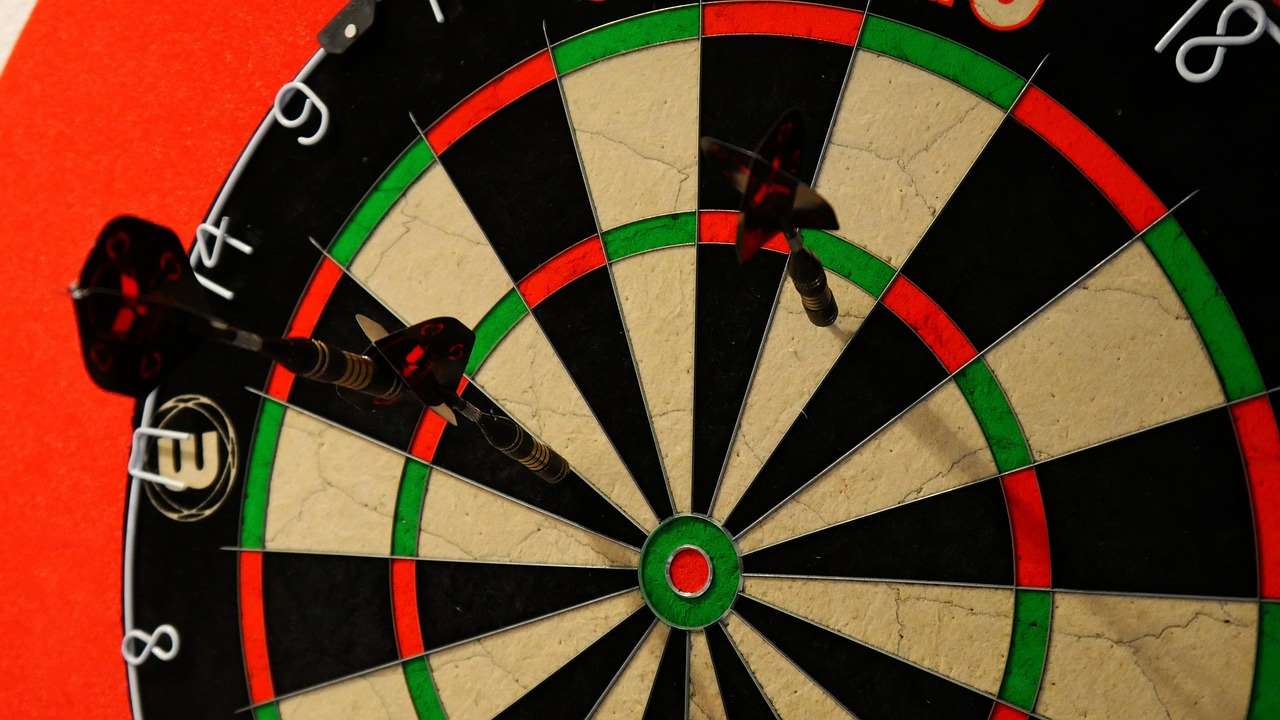
Ultimately, mastering the balance point with different flights is about enhancing accuracy. A well-balanced dart that complements your throwing style will fly straighter, more consistently, and be more forgiving of slight imperfections in your release. The result is tighter groupings on the dartboard and a higher scoring average. This is applicable to the Cabinet Lighting For Dartboards as well.
Conclusion
Understanding and manipulating the balance point with different flights is a nuanced but vital aspect of optimizing your dart game. By considering the impact of barrel weight, stem length, and flight shape, you can fine-tune your dart setup for maximum accuracy and consistency. Don’t be afraid to experiment with different combinations to discover what works best for your individual throwing style. Take the time to analyze your throws, adjust your equipment, and practice consistently. Your dedication to mastering the balance point will undoubtedly lead to improved performance on the dartboard. Now, go out there, experiment with those flights, and elevate your dart game to the next level!

Hi, I’m Dieter, and I created Dartcounter (Dartcounterapp.com). My motivation wasn’t being a darts expert – quite the opposite! When I first started playing, I loved the game but found keeping accurate scores and tracking stats difficult and distracting.
I figured I couldn’t be the only one struggling with this. So, I decided to build a solution: an easy-to-use application that everyone, no matter their experience level, could use to manage scoring effortlessly.
My goal for Dartcounter was simple: let the app handle the numbers – the scoring, the averages, the stats, even checkout suggestions – so players could focus purely on their throw and enjoying the game. It began as a way to solve my own beginner’s problem, and I’m thrilled it has grown into a helpful tool for the wider darts community.