The ideal balance point for middle grip players directly impacts throwing consistency and accuracy; achieving this optimal equilibrium is vital for improving your game. In this comprehensive guide, we’ll explore how to find and adjust your dart’s center of gravity, experiment with different setups, and understand how grip style influences your dart’s flight.
⚠️ Still Using Pen & Paper (or a Chalkboard)?! ⚠️
Step into the future! The Dart Counter App handles all the scoring, suggests checkouts, and tracks your stats automatically. It's easier than you think!
Try the Smart Dart Counter App FREE!Ready for an upgrade? Click above!
Understanding Balance Point For Middle Grip Players
For middle grip dart players, the dart’s balance point is arguably even more critical than for front or rear grippers. This is because the middle grip often relies on a more fluid, less controlled release, making the dart’s natural flight characteristics even more pronounced. A dart that is poorly balanced will wobble excessively or veer off course, even with a consistent throwing motion. Finding the right balance point can drastically reduce these inconsistencies.
The location of the balance point—the point at which the dart would balance perfectly on a fulcrum—is influenced by several factors, including the barrel’s weight, length, and shape, as well as the type of shaft and flight used. It’s not a one-size-fits-all solution; what works for one player may not work for another. Experimentation is key.
Factors Affecting Dart Balance
- Barrel Weight: Heavier barrels tend to shift the balance point further forward.
- Barrel Shape: Torpedo-shaped barrels often have a more pronounced forward balance point, while straight barrels tend to be more neutrally balanced.
- Shaft Length and Material: Longer and heavier shafts can shift the balance point towards the rear.
- Flight Shape and Size: Larger flights provide more drag, which can affect the dart’s stability in flight and, indirectly, the perceived balance.

Finding Your Ideal Balance Point
The first step in optimizing your dart balance for a middle grip is to determine your current dart’s balance point. Here’s how:
- The Finger Test: Place your index finger on the barrel and move it back and forth until you find the point where the dart balances perfectly.
- The Fulcrum Method: Use a sharp object (like the tip of a pen or a needle) as a fulcrum and try to balance the dart on it. The point where it balances is the balance point.
Once you’ve identified the balance point, consider how it feels in your hand and how the dart flies. Is it stable? Does it wobble? Does it land at the angle you expect? These observations will guide your adjustments.
Experimentation is essential. Try different barrel shapes, shaft lengths, and flight types. Small changes can make a significant difference. Keep track of your results to identify trends and patterns. Consider exploring different dart equipment to find the perfect match for your style.
Adjusting Dart Balance For Optimal Performance
Once you understand your current dart balance, you can begin making adjustments to optimize it for your middle grip. Here are some common techniques:
Modifying Barrel Weight
Adding weight to the front or rear of the barrel can dramatically shift the balance point. You can do this by using specialized weights that screw into the shaft or by using a heavier barrel overall.
Moving the balance point forward can improve stability and reduce wobble, but it can also make the dart feel heavier and less agile. Moving it backward can make the dart feel lighter and easier to control, but it can also increase wobble.
Changing Shaft Length and Material
The shaft plays a crucial role in the overall dart balance. Longer shafts shift the balance point towards the rear, while shorter shafts shift it forward. Heavier shafts (e.g., metal) also shift the balance point towards the rear compared to lighter shafts (e.g., plastic or carbon fiber).
Experiment with different shaft lengths and materials to see how they affect your dart’s flight. Many players find that a medium-length shaft provides a good balance of stability and control for a middle grip.

Flight Selection and its Impact
Flights primarily affect the dart’s drag and stability in flight, but they also indirectly influence the perceived balance. Larger flights provide more drag and can help stabilize a wobbly dart. Smaller flights provide less drag and can allow the dart to fly faster and straighter. Consider using Optimal Dartboard Lighting to better track dart flight.
Experiment with different flight shapes and sizes to find what works best for your throwing style. Standard flights are a good starting point, but you may find that other shapes (e.g., kite, slim, vortex) provide better results.
The Importance of Consistency and Practice
Regardless of how well you optimize your dart balance, it’s crucial to maintain a consistent grip and throwing motion. Inconsistent technique will negate the benefits of a perfectly balanced dart. Practice regularly to develop muscle memory and refine your throwing technique.
Pay close attention to your release point and follow-through. A smooth, controlled release is essential for achieving accuracy and consistency. Video recording yourself can be a valuable tool for identifying flaws in your technique.
Related Keywords
Understanding related concepts such as **dart weight distribution**, **center of gravity dart**, **dart flight path**, **dart throwing technique**, **dart setup**, and **dart customization** will further enhance your ability to fine-tune your equipment and improve your game. Mastering your dart grip is also incredibly important.
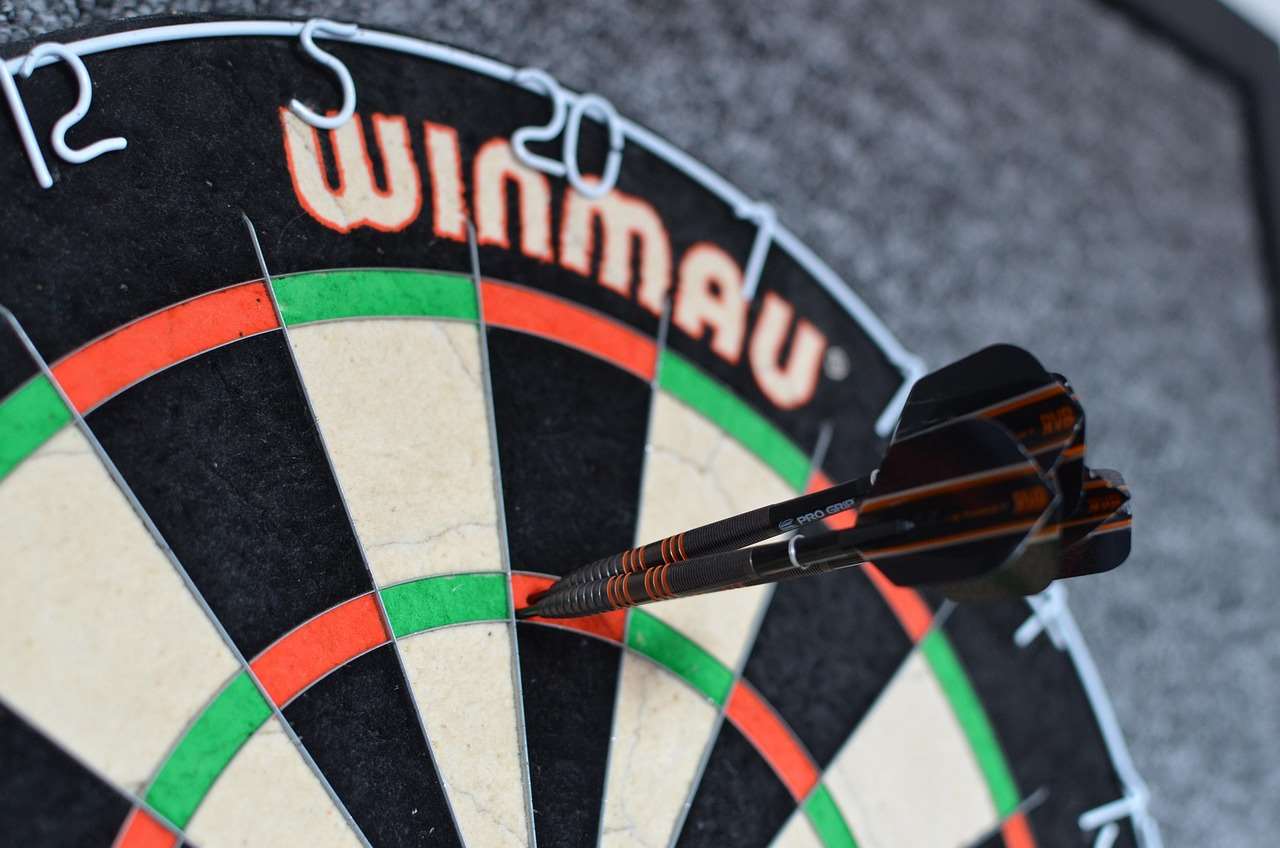
Balance Point and Different Dart Barrel Shapes
The shape of your dart barrel significantly influences the balance point and how the dart feels in your hand. Here’s a breakdown of common barrel shapes and their impact on balance:
- Straight Barrels: These barrels offer a more neutral balance point, generally located near the center. They are popular among middle grip players who prefer a balanced feel.
- Torpedo Barrels: These barrels have a wider front and taper towards the back, resulting in a front-weighted balance point. Some middle grip players find that this helps with stability.
- Bomb Barrels: Similar to torpedo barrels but with a more pronounced bulge in the front, creating an even more forward-weighted balance point.
- Scalloped Barrels: These barrels feature indentations or scallops that can provide a more secure grip and may slightly shift the balance point depending on the scallop’s location.
Experiment with different barrel shapes to see which one feels most comfortable and provides the best results for your throwing style. Also, consider how How To Light Your Dartboard could improve your perception of the dart’s trajectory.
Fine-Tuning Your Grip for Balance
Your grip is intimately connected to the balance point of your dart. A subtle shift in your grip can alter your perception of the dart’s balance and impact your throwing motion. Consider these factors:
- Pressure: Avoid gripping the dart too tightly. A relaxed grip allows for a more fluid release and reduces the risk of torque.
- Finger Placement: Experiment with the placement of your fingers on the barrel. A slight adjustment can dramatically change how the dart feels in your hand.
- Contact Points: Minimize the number of contact points between your fingers and the dart. Too many contact points can create friction and reduce control.
It’s essential to find a grip that feels natural and comfortable. Don’t be afraid to experiment and adjust your grip over time as you develop your throwing technique.
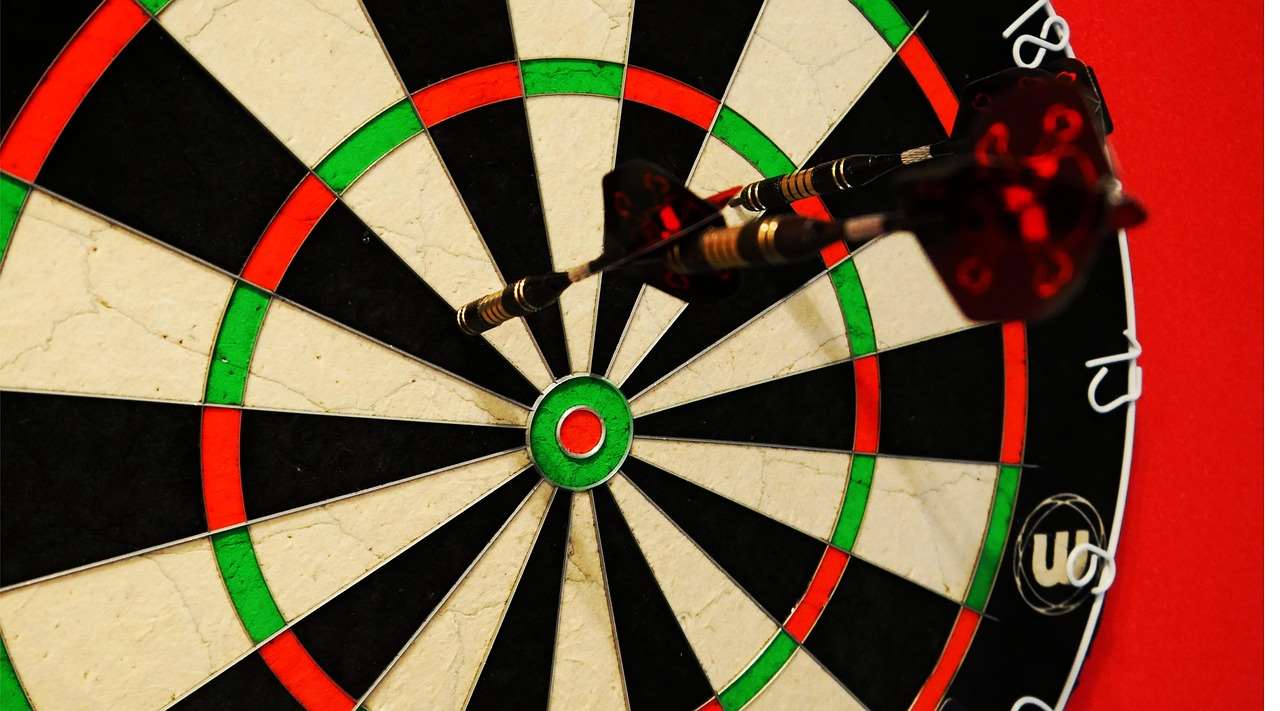
Advanced Tips for Optimizing Dart Balance
Once you have a good understanding of the basics of dart balance, you can explore some more advanced techniques to fine-tune your setup:
- Using Point Weights: Adding small weights to the dart points can subtly shift the balance point forward.
- Custom Flights: Consider using custom flights with different shapes and sizes to optimize the dart’s flight characteristics.
- Analyzing Flight Patterns: Pay close attention to your dart’s flight pattern. Does it fly straight? Does it wobble? Does it land at the angle you expect? This information can help you identify areas for improvement.
Remember that optimizing dart balance is an ongoing process. Don’t be afraid to experiment and make adjustments as needed. The key is to find a setup that feels comfortable and allows you to throw consistently and accurately.
Conclusion
Finding the optimal balance point for middle grip players is a journey of experimentation and refinement. By understanding the factors that influence dart balance, experimenting with different setups, and practicing consistently, you can significantly improve your throwing accuracy and consistency. Remember to consider **dart weight distribution**, **dart flight path**, and your overall **dart throwing technique**. Continuously analyze your performance and make adjustments as needed to achieve your dart-playing goals. Now that you understand balance point for middle grip players, start experimenting and discover what works best for you. Improve your dart game today. Ready to take your dart game to the next level? Check out our guide to the Best Dartboard Lighting Systems to enhance your visibility and precision!

Hi, I’m Dieter, and I created Dartcounter (Dartcounterapp.com). My motivation wasn’t being a darts expert – quite the opposite! When I first started playing, I loved the game but found keeping accurate scores and tracking stats difficult and distracting.
I figured I couldn’t be the only one struggling with this. So, I decided to build a solution: an easy-to-use application that everyone, no matter their experience level, could use to manage scoring effortlessly.
My goal for Dartcounter was simple: let the app handle the numbers – the scoring, the averages, the stats, even checkout suggestions – so players could focus purely on their throw and enjoying the game. It began as a way to solve my own beginner’s problem, and I’m thrilled it has grown into a helpful tool for the wider darts community.