Achieving the perfect balance point for front grip players is crucial for accuracy and consistency; a slight adjustment can significantly improve your throw. This article explores how to find your ideal balance, covering grip techniques, dart setup, and practice drills to enhance your game.
⚠️ Still Using Pen & Paper (or a Chalkboard)?! ⚠️
Step into the future! The Dart Counter App handles all the scoring, suggests checkouts, and tracks your stats automatically. It's easier than you think!
Try the Smart Dart Counter App FREE!Ready for an upgrade? Click above!
Understanding the Importance of Balance Point For Front Grip Players
The balance point of a dart refers to the point at which the dart is perfectly balanced on a fulcrum. For front grip players, this is particularly important because the hand is positioned closer to the front of the dart, influencing how the dart is released and flies. Ignoring the balance point can lead to inconsistent throws, wobbling darts, and reduced accuracy. Finding the sweet spot can dramatically improve your dart throwing.
Many players new to the sport simply pick up a dart and throw, not considering the crucial impact that weight distribution can have. Experienced dart players understand that manipulating the dart’s balance through modifications to the setup (such as different stems or flights) is a vital element of competitive play. By understanding how the balance point affects the dart’s trajectory, front grip players can fine-tune their throws for maximum precision.
What Makes Front Grip Unique?
Front grip, as the name suggests, involves holding the dart closer to the point. This grip style offers several advantages, including increased control over the dart’s direction and a smoother release. However, it also requires a greater awareness of the dart’s balance. Since the weight is supported mostly by the front fingers, any imbalance can be magnified, leading to inaccurate throws. Therefore, understanding the ideal balance point is essential for front grip players to maintain consistent and accurate throws.
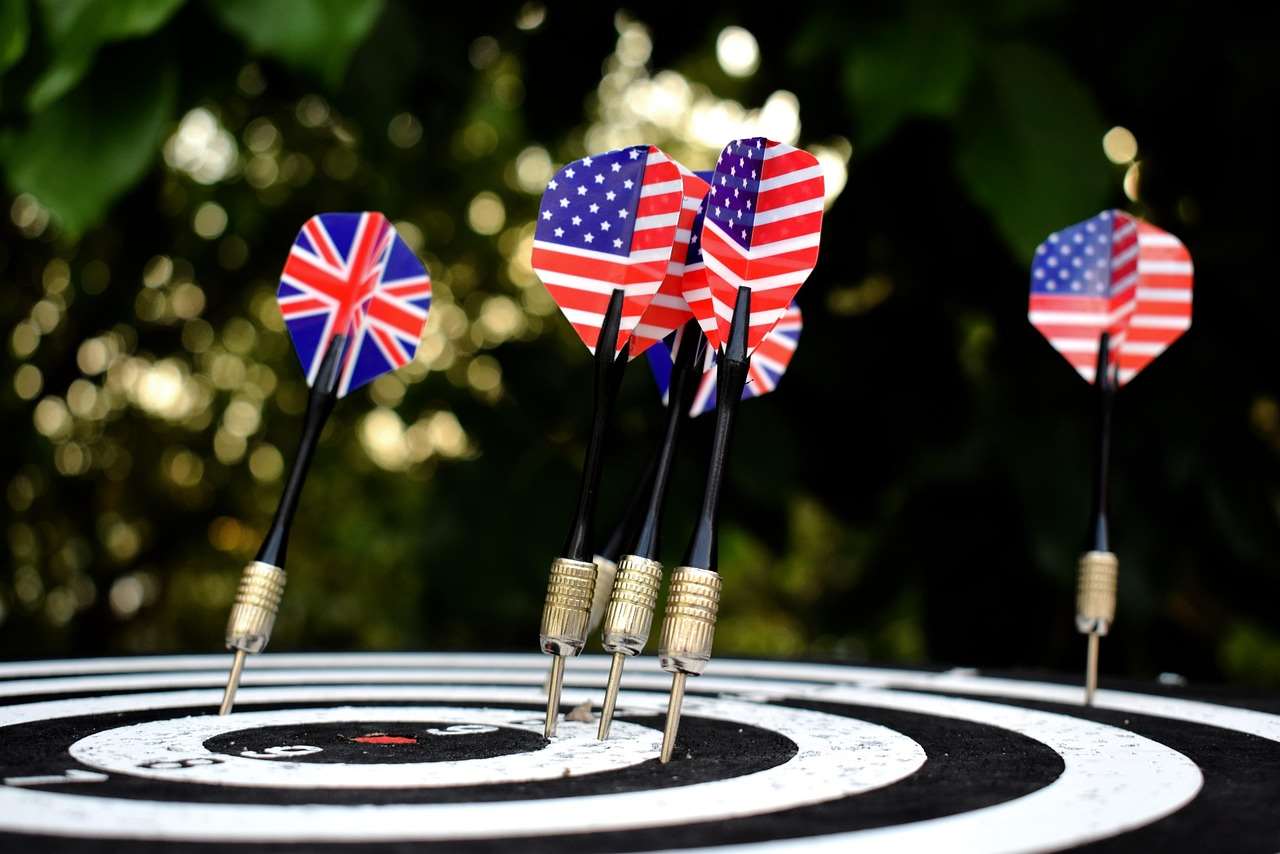
Finding Your Ideal Balance Point
Determining the ideal balance point for front grip players is a personal process, influenced by individual grip style, throwing motion, and dart preferences. However, there are some general guidelines and techniques that can help you discover what works best for you.
- Experiment with Dart Setup: Try different combinations of barrels, stems, and flights. Heavier barrels tend to shift the balance point forward, while longer stems and larger flights can move it backward.
- Observe Dart Flight: Pay close attention to how your dart flies. If it wobbles or dips excessively, it could indicate an imbalance. Adjust your grip or dart setup accordingly.
- Record Your Results: Keep a log of your experiments, noting the dart setup, grip style, and results. This will help you identify patterns and make informed decisions.
The Role of Dart Weight and Material
The weight and material of your dart barrel also significantly affect the balance point. Heavier darts generally offer more stability, while lighter darts can be easier to control. Tungsten darts are denser than brass darts, allowing for a slimmer profile while maintaining the same weight, which can also influence the dart’s balance. It is important to consider dart weight when you Choose Best Dart Equipment. Players should experiment with different weights and materials to find what feels most comfortable and provides the best results.
Adjusting Your Grip and Throw for Optimal Balance
Once you have a basic understanding of how dart setup affects the balance point, it’s time to focus on your grip and throw. Subtle adjustments to your grip can make a big difference in accuracy and consistency.
- Grip Pressure: Avoid gripping the dart too tightly, as this can cause tension and affect your release. A relaxed grip allows for a smoother, more controlled throw.
- Finger Placement: Experiment with different finger placements on the barrel. Some players prefer to use three fingers, while others use two or four. Find a placement that feels comfortable and provides good control.
- Release Point: Focus on releasing the dart at the same point in your throwing motion each time. This will help ensure consistent trajectory and accuracy.
Practicing Balance-Focused Drills
To improve your balance point awareness and technique, incorporate specific practice drills into your routine. These drills can help you develop a feel for the dart and fine-tune your grip and throw.
- Target Practice: Focus on hitting specific targets, such as the bullseye or specific numbers on the dartboard. This will help you develop accuracy and consistency.
- Grouping Drills: Aim for tight groupings, regardless of where they land on the dartboard. This will improve your ability to control the dart’s trajectory.
- Consistency Drills: Throw a series of darts, focusing on maintaining the same grip, stance, and throwing motion each time. This will help you build muscle memory and develop a consistent throw.
Understanding Related Factors: Dartboard Setup and Lighting
While the balance point for front grip players is a key factor in dart throwing, other aspects also play a crucial role in overall performance. Factors such as the dartboard setup and the quality of lighting can significantly impact your accuracy and enjoyment of the game.
The Importance of Proper Dartboard Height and Distance
Ensuring that your dartboard is hung at the correct height and distance is essential for fair play and accurate throwing. The official height of the bullseye is 5 feet 8 inches (1.73 meters) from the floor, and the throwing distance (oche) should be 7 feet 9.25 inches (2.37 meters) from the face of the dartboard. These measurements are crucial for consistent performance, regardless of your grip style.
Optimizing Lighting for a Clear View
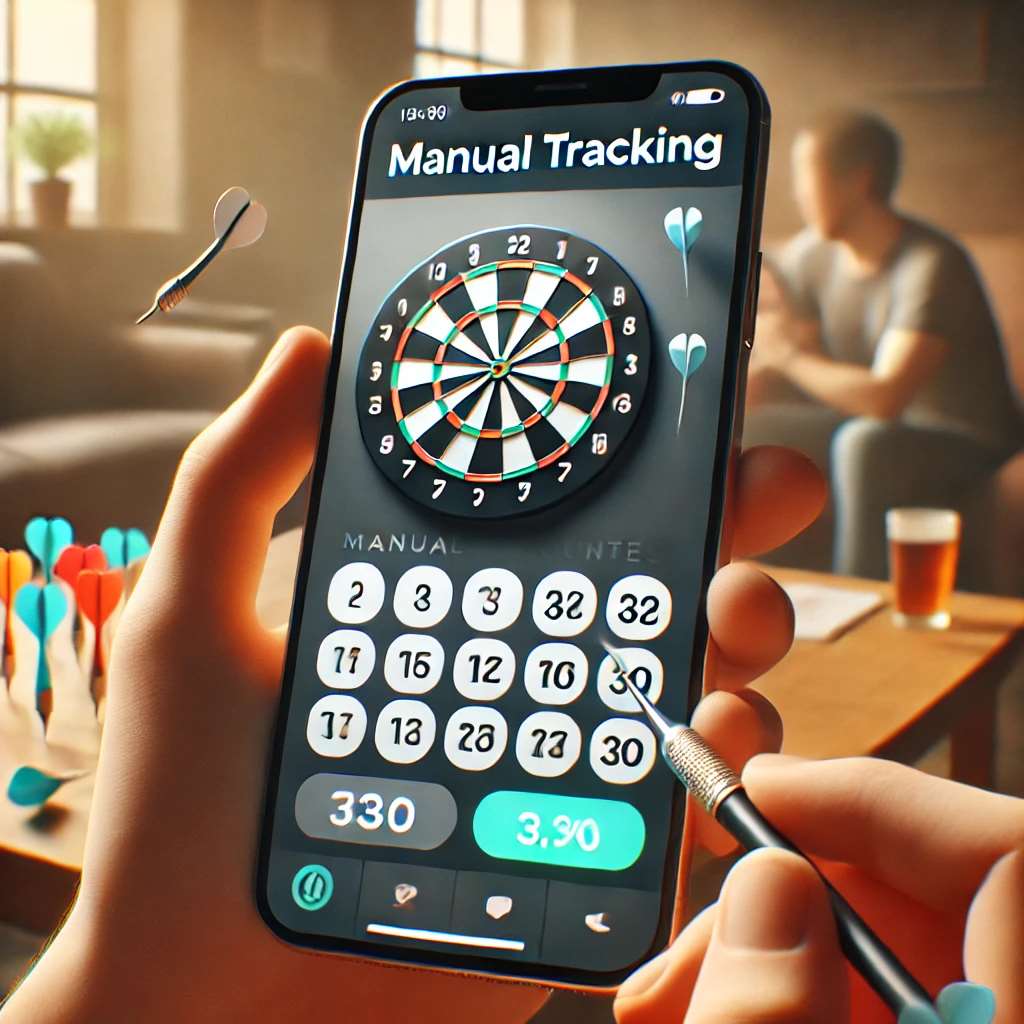
Adequate lighting is crucial for a clear view of the dartboard and accurate aiming. Shadows and glare can make it difficult to see the target and affect your throwing accuracy. Consider using a dedicated dartboard lighting system to eliminate shadows and provide consistent illumination. Poor lighting can significantly hinder even the most skilled front grip players. You can read about the Optimal Dartboard Lighting Solutions Guide to learn more. If you want to explore Types Optimal Dartboard Lighting you can read about that too!
Advanced Techniques for Front Grip Dart Players
Once you’ve mastered the basics, you can explore advanced techniques to further enhance your dart throwing skills. These techniques involve fine-tuning your grip, stance, and release to maximize accuracy and consistency.
Fine-Tuning Your Grip for Maximum Control
Experiment with subtle variations in your grip to find what feels most comfortable and provides the best control. Try adjusting the angle of your fingers, the amount of pressure you apply, and the placement of your thumb. Small changes can sometimes make a big difference in your accuracy.
Perfecting Your Stance and Body Alignment
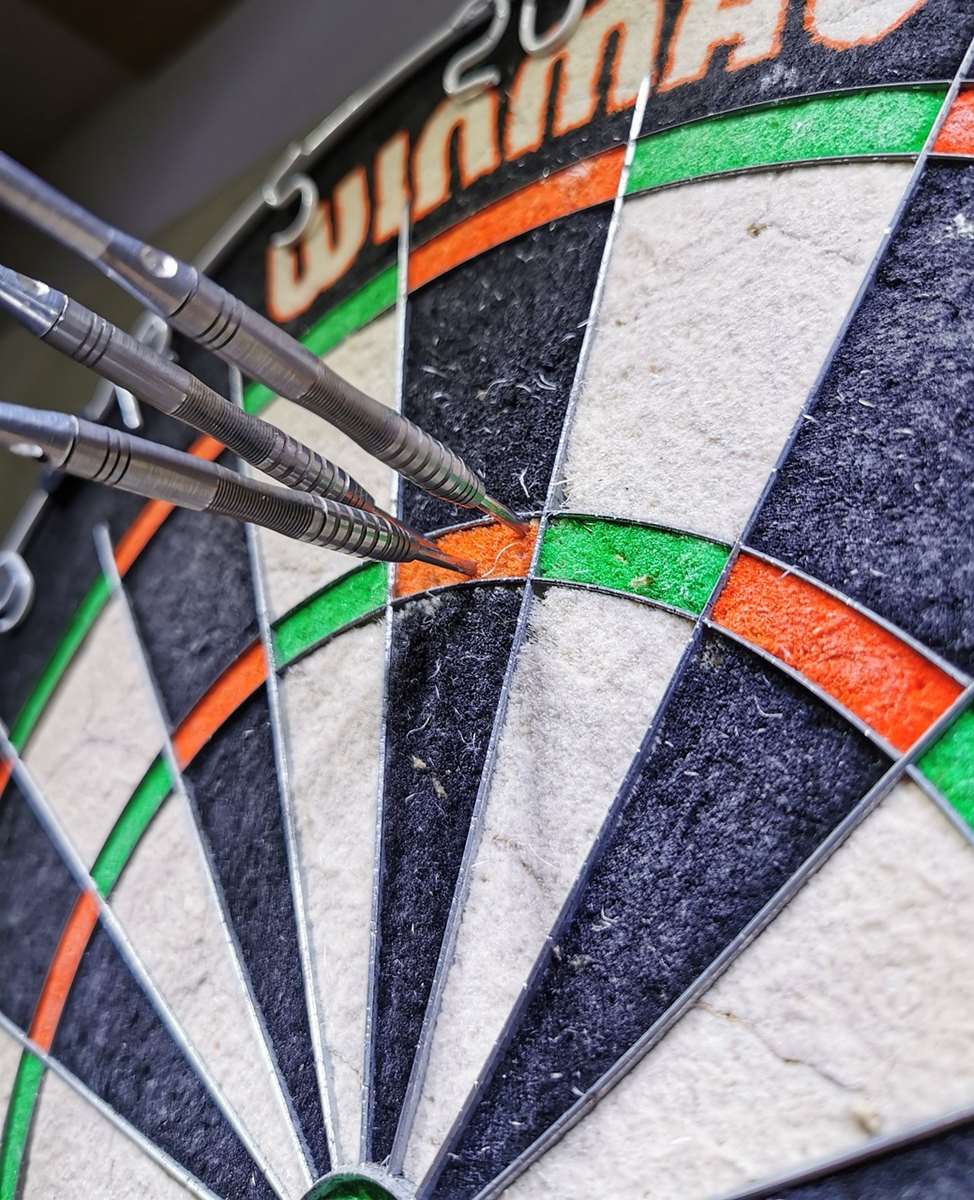
Your stance and body alignment play a critical role in maintaining balance and consistency throughout your throw. Ensure that your weight is evenly distributed and that your body is aligned with the target. Avoid leaning too far forward or backward, as this can affect your balance and accuracy.
Mastering the Follow-Through
A smooth and consistent follow-through is essential for accurate dart throwing. After releasing the dart, continue your arm motion towards the target, maintaining a relaxed and controlled movement. Avoid stopping your arm abruptly, as this can affect the dart’s trajectory. Concentrating on your follow through will improve your ability to hit your mark. Another related factor is How To Light Your Dartboard.
Troubleshooting Common Issues
Even with proper technique and a well-balanced dart, you may still encounter occasional issues with your throws. Understanding common problems and how to troubleshoot them can help you get back on track.
Addressing Wobbling Darts
If your darts are wobbling excessively in flight, it could indicate an imbalance or inconsistent release. Check your dart setup to ensure that all components are properly aligned and that the balance point is appropriate for your grip style. Also, focus on maintaining a smooth and consistent release.
Dealing with Inconsistent Trajectory
Inconsistent trajectory can be caused by a variety of factors, including grip pressure, stance, and release point. Experiment with different adjustments to your technique to identify the cause of the problem. Recording your results and analyzing your throws can help you pinpoint areas for improvement.
Conclusion: Achieving Your Optimal Balance Point For Front Grip Players
Finding the perfect balance point for front grip players is a journey of experimentation and refinement. By understanding the principles of balance, adjusting your dart setup, fine-tuning your grip and throw, and practicing consistently, you can significantly improve your accuracy and consistency. Remember that what works best for one player may not work for another, so it’s important to personalize your approach and find what feels most comfortable and effective for you. Don’t forget to consider environmental factors like lighting when optimizing your game, as well as the importance of Reduce Dartboard Shadows Effectively. Now, put these tips into practice and elevate your dart game to the next level!

Hi, I’m Dieter, and I created Dartcounter (Dartcounterapp.com). My motivation wasn’t being a darts expert – quite the opposite! When I first started playing, I loved the game but found keeping accurate scores and tracking stats difficult and distracting.
I figured I couldn’t be the only one struggling with this. So, I decided to build a solution: an easy-to-use application that everyone, no matter their experience level, could use to manage scoring effortlessly.
My goal for Dartcounter was simple: let the app handle the numbers – the scoring, the averages, the stats, even checkout suggestions – so players could focus purely on their throw and enjoying the game. It began as a way to solve my own beginner’s problem, and I’m thrilled it has grown into a helpful tool for the wider darts community.